Source Knit Cardigan Styles for Winter, Spring, and Casual Wear
Find 30 distinct Knit Cardigan options tailored for winter warmth, spring and autumn layering, and loose casual street styles. Compare materials like cashmere, cotton, and polyester blends, along with features such as V-necks, round necks, and custom logo printing to identify the right supplier for your needs.
Key considerations
Products List


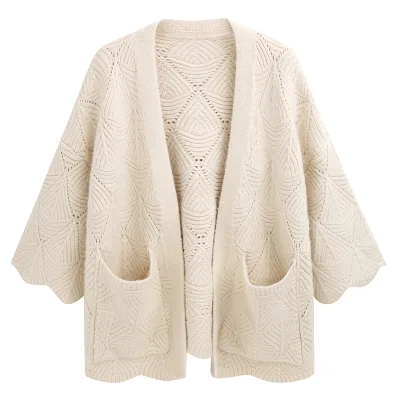


Stylish Knitted Cardigan for Ladies with Eco-Friendly Materials and Logo
$38.99 - $64.99
MOQ: 100 Pieces


Modern Women's Summer Sweater High Quality Knit Cardigan with Custom Design
$16.60 - $18.60
MOQ: 100 Piece


New Design Women's Summer Sweater High Quality Knit Cardigan with Customized Logo
$16.60 - $18.60
MOQ: 100 Piece


Comprehensive Sourcing Guide
Knit Cardigan Sourcing Guide
Sourcing knit cardigans requires a nuanced understanding of material composition, construction techniques, and seasonal relevance to ensure the final product aligns with brand positioning and consumer expectations. The market offers a diverse range of options, from luxury cashmere blends to durable polyester-cotton mixes, each presenting distinct advantages in terms of comfort, durability, and cost structure. Buyers must navigate these variations by clearly defining their target demographic, whether it be adults seeking loose casual streetwear or consumers looking for specific fit profiles like slouchy or true-to-size garments.
This guide provides a structured approach to evaluating suppliers and products based on observed market signals and technical realities. By focusing on verifiable attributes such as fabric composition, collar styles, and production capabilities, procurement teams can mitigate risks associated with quality inconsistencies and supply chain delays. The following sections detail the critical steps for validating product scope, verifying technical specifications, ensuring compliance, and establishing robust commercial terms for successful Knit Cardigan procurement.
Product Scope and Observed Listing Signals
The current market landscape for knit cardigans reveals a wide spectrum of material choices and design aesthetics, primarily driven by seasonal demands and style preferences. Observed listings indicate a strong presence of winter-focused items crafted from premium materials like cashmere, which are often characterized by pure color patterns and V-neck designs. These products typically cater to consumers seeking warmth and a refined aesthetic, with specific model identifiers such as 20WK-001B# suggesting a standardized approach to inventory management. Additionally, there is a notable segment of spring and autumn apparel made from polyester-cotton blends, featuring striped patterns and round necks, which offer a more casual and versatile option for transitional weather.
Beyond material and season, the product scope extends to unisex and adult-oriented designs that emphasize comfort and functionality. Listings highlight features such as breathable fabrics, kangaroo pockets, and fixed hoods, indicating a shift towards hoodie-style cardigans that blend the ease of sweatshirts with the layering utility of cardigans. Brands like Nordstrom, which adhere to responsible sourcing criteria, often feature organic cotton compositions and soft, cozy textures, appealing to ethically conscious consumers. The availability of customization options, including logo printing and embroidery, further expands the scope, allowing buyers to tailor products for specific brand identities or promotional campaigns.
Technical Specifications to Verify
Verifying technical specifications is paramount to ensuring that the knit cardigans meet the intended fit and performance standards. Buyers should closely examine size specifications, which range from standard sizes like S and L to specific measurements such as 27 1/2" length, to ensure consistency across batches. It is crucial to confirm whether the sizing follows a standard OS (One Size) approach or adheres to a more granular XS/S/M/L scale, as this directly impacts inventory planning and return rates. Additionally, the verification of sleeve styles, such as long sleeves with ribbed cuffs and hems, and collar styles, including V-necks and round necks, helps in aligning the product with current fashion trends and consumer preferences.
Fabric composition and construction techniques also require rigorous verification to guarantee durability and comfort. Listings indicate the use of various materials, including 100% organic cotton, cotton/polyester/spandex blends, and pure cashmere, each offering different levels of softness, stretch, and maintenance requirements. Buyers should confirm the knitting techniques employed, such as standard knitted structures, and check for specific details like shoulder pads for a natural and smooth fit or slouchy fits for a relaxed aesthetic. Furthermore, verifying the hoodie type, whether it features a drawstring or a fixed hood, and the presence of functional elements like kangaroo pockets, ensures that the product meets the expected utility and design criteria.
Compliance and Safety Documentation
Compliance and safety documentation form the backbone of ethical and legal procurement, particularly when dealing with textiles that come into direct contact with the skin. Buyers must ensure that suppliers provide evidence of adherence to recognized social compliance standards, such as BSCI, which audits labor practices and working conditions. This verification is essential for mitigating reputational risks and ensuring that the supply chain operates within ethical boundaries. Additionally, for products claiming organic composition, such as 100% organic cotton, buyers should request relevant certifications to validate the sustainability claims and avoid greenwashing accusations.
Wash care information and fabric safety are also critical components of compliance documentation. Listings often specify machine washable and tumble dryable care instructions, which must be verified through actual testing to ensure that the garments maintain their shape and color after repeated laundering. Buyers should also check for any specific brand criteria, such as the Nordstrom Responsible Brands Criteria, which may impose additional standards on material sourcing and environmental impact. Ensuring that all documentation is up-to-date and verifiable helps in maintaining brand integrity and consumer trust, while also facilitating smoother customs clearance and retail acceptance.
Cost Drivers and Commercial Terms
Understanding the cost drivers and commercial terms is essential for negotiating favorable contracts and maintaining healthy profit margins. The observed price range of $7.19 to $150 USD reflects significant variations based on material quality, such as the premium cost of cashmere versus the affordability of polyester-cotton blends. Buyers should analyze these price points in conjunction with the minimum order quantities (MOQ), which range from 1 to 300 units, to determine the most cost-effective ordering strategy. Higher MOQs often correlate with lower unit prices, but they also increase inventory risk, so balancing volume discounts with demand forecasts is crucial.
Production schedules and sample times are other key factors influencing commercial terms. Listings indicate production schedules of 15-30 days and sample times of 5 days, which must be factored into the overall lead time planning. Buyers should negotiate clear terms regarding these timelines, including penalties for delays and incentives for early delivery, to ensure timely market entry. Additionally, packaging specifications, such as poly bags or customized carton quantities, can impact logistics costs and should be standardized to optimize shipping efficiency. Clear communication of these terms in the purchase order helps in avoiding disputes and ensuring a smooth transaction process.
Supplier Qualification and Quality Control
Supplier qualification and quality control are critical steps in ensuring that the knit cardigans meet the desired quality standards. Buyers should conduct thorough audits of potential suppliers, verifying their production capabilities, quality management systems, and past performance records. The availability of customization options, such as custom logo printing and embroidery, indicates a supplier's flexibility and technical proficiency, which are valuable traits for brands seeking unique product offerings. Additionally, checking the supplier's origin, such as China, and their ability to handle specific packing requirements, like 1PCS/PP Bag or 12PCS/Carton, helps in assessing their logistical competence.
Implementing a robust quality control process is essential to catch defects early and maintain product consistency. Buyers should establish clear acceptance criteria based on the observed product attributes, such as fabric composition, stitching quality, and fit accuracy. Regular inspections, including pre-production samples and during-production checks, can help identify issues before they escalate into large-scale defects. Furthermore, verifying the supplier's ability to provide consistent model numbers, such as PSP-0085 or WS-563, ensures traceability and accountability throughout the supply chain. A proactive approach to quality control minimizes returns and enhances customer satisfaction.
Long-Term Procurement Checks
Long-term procurement checks involve continuous monitoring and evaluation of supplier performance and market trends to sustain competitive advantage. Buyers should regularly review supplier adherence to agreed-upon standards, including social compliance and quality metrics, to ensure ongoing alignment with brand values. Tracking changes in material costs, such as fluctuations in cashmere or cotton prices, allows for proactive budgeting and pricing adjustments. Additionally, staying informed about emerging fashion trends, such as the popularity of loose casual street styles or breathable fabrics, helps in anticipating consumer demand and adjusting product assortments accordingly.
Building strong relationships with suppliers through transparent communication and collaborative planning can lead to improved service levels and innovation. Buyers should engage in regular performance reviews, discussing areas for improvement and exploring new opportunities for customization or material sourcing. Monitoring the supplier's ability to adapt to changing production schedules and packaging requirements ensures flexibility in responding to market dynamics. By maintaining a strategic focus on long-term partnerships and continuous improvement, buyers can secure a reliable supply of high-quality knit cardigans that meet evolving consumer needs and business objectives.
FAQs
What materials are used for knit cardigans?
Knit cardigans are commonly made from cashmere, cotton, or polyester blends. Some products feature 100% organic cotton for softness, while others use cotton and polyester combinations for durability and breathability suitable for various seasons.
Can I customize the logo on these garments?
Yes, customization is available for logo printing or embroidery on knit cardigans. Buyers can request specific branding options, and suppliers typically offer these services to meet unique design requirements for bulk orders.
What sizes are available for these knit cardigans?
Available sizes range from XS to L, with specific models offering S or L options. Some items also provide detailed size information ensuring a true-to-size fit for adult wearers across different styles.
How long does production take for custom orders?
Production schedules typically range from 15 to 30 days for custom Knit Cardigan orders. Sample preparation usually takes about 5 days before full-scale manufacturing begins to ensure quality and design accuracy.
What is the minimum order quantity for these items?
Minimum order quantities vary from 1 to 300 pieces depending on the specific product model. Buyers can often find options with low MOQs for testing or higher volumes for bulk distribution needs.
Are these cardigans suitable for winter wear?
Yes, many knit cardigans are designed specifically for winter seasons with features like long sleeves and V-necks. Some styles also cater to spring and autumn, offering versatile wearability across different weather conditions.
How are the products packed for shipping?
Products are typically packed in poly bags, with options for 1 piece per bag or 50 pieces per carton. Customized packing solutions are also available to meet specific logistical requirements for international shipping.