Source Professional Piano Tuning Tool for Concerts, Studios, and Repairs
Compare 30 listings of Professional Piano Tuning Tool options featuring metal, wood, and carbon fiber materials. Buyers can evaluate specifications like weight, size, and customization availability to find suitable piano tuning kits for various applications.
Key considerations
Products List


Comprehensive Sourcing Guide
Strategic Sourcing Guide for Professional Piano Tuning Tools
The global market for professional piano tuning tools presents a complex landscape for B2B procurement officers, particularly when balancing technical precision with supply chain reliability. For buyers researching the core keyword "Professional Piano Tuning Tool," the primary objective is to identify equipment that meets rigorous acoustic standards while adhering to strict logistical constraints. The available data indicates a diverse product ecosystem ranging from individual tuning hammers to comprehensive kits, with origins primarily concentrated in China, specifically within the Shandong and Guangdong provinces. This guide provides a structured approach to evaluating these products, ensuring that procurement decisions are grounded in verified attributes rather than unconfirmed marketing claims.
Technical Specifications and Component Analysis
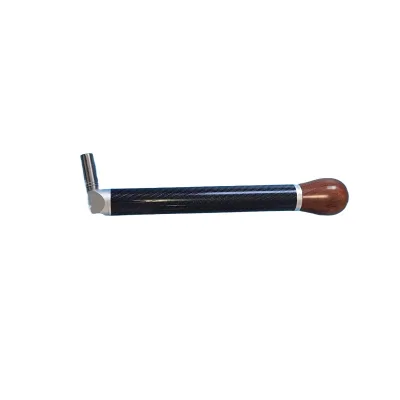
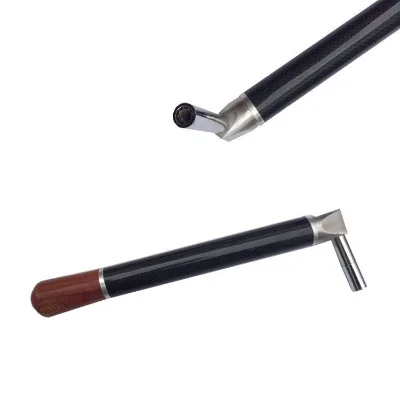
Understanding the granular technical specifications of piano tuning tools is the first step in any sourcing strategy. The observed product data reveals a distinct categorization of items based on their constituent materials and functional components. High-performance tools often utilize a combination of Metal, Wood, and in some advanced iterations, Carbon Fiber. The choice of material directly influences the tool's durability, weight distribution, and tactile feedback, which are critical for a tuner's precision.
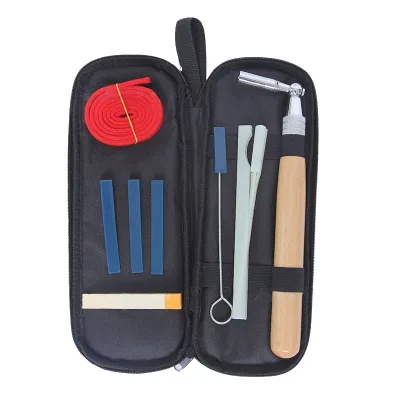
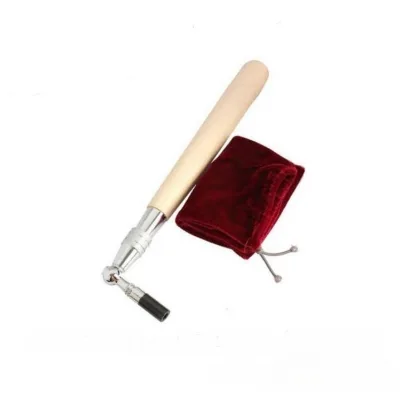
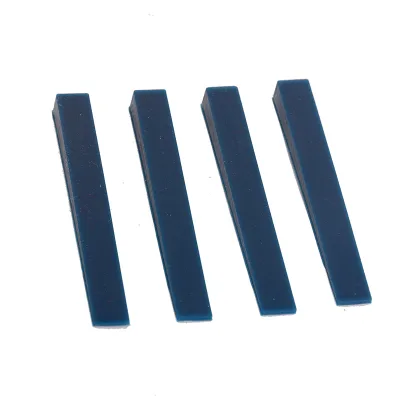
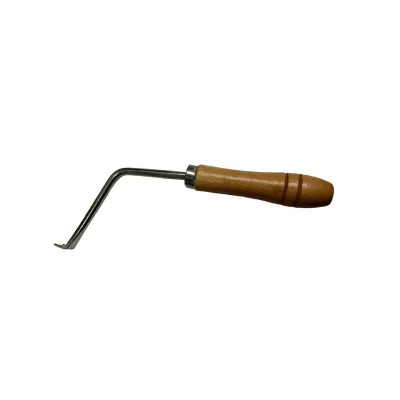
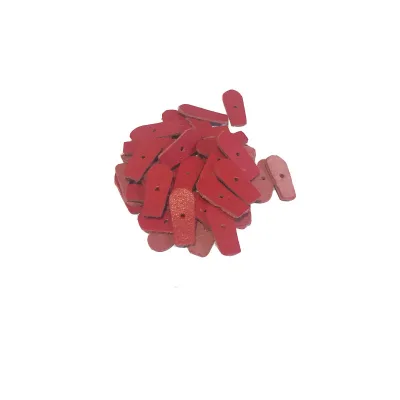
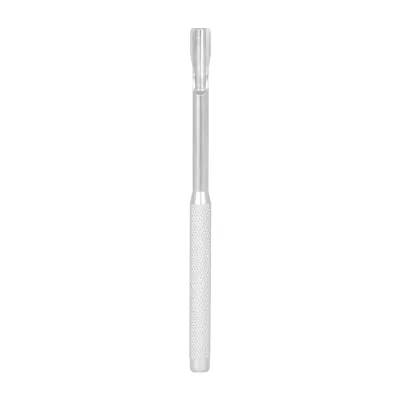
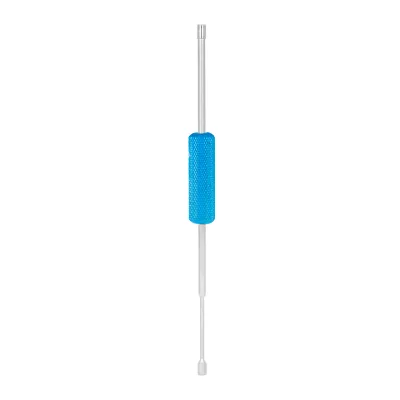
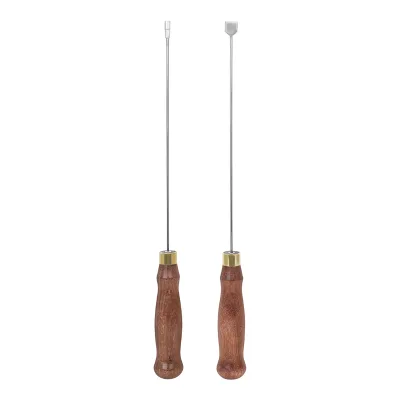
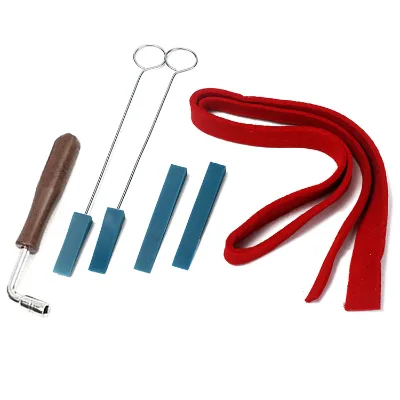
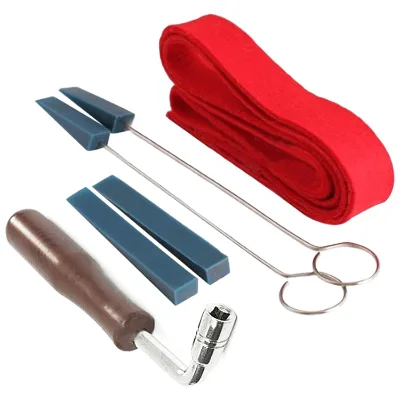
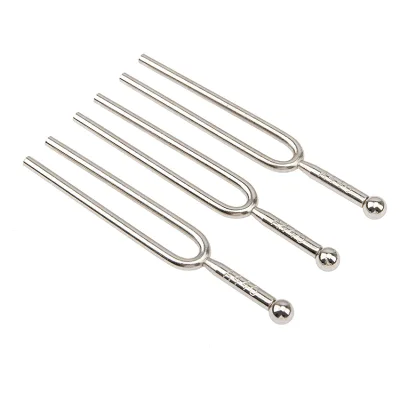
The data highlights specific component variations that buyers must verify. For instance, the Tuning Hammer is frequently specified as being constructed from Wood, while the Tuning Fork is consistently noted as Metal. This distinction is vital because the resonance properties of wood and metal differ significantly, affecting the accuracy of pitch calibration. Furthermore, the Temperament Strip is identified as Wool Felt, a material chosen for its ability to dampen strings without causing damage, while the Mute component is specified as Nylon. These specific material assignments suggest that a "professional" classification is not merely a marketing term but a reflection of specific, verified component choices.
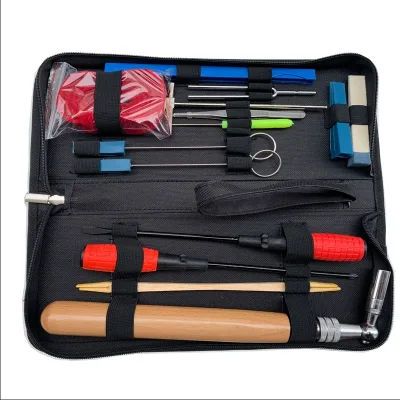
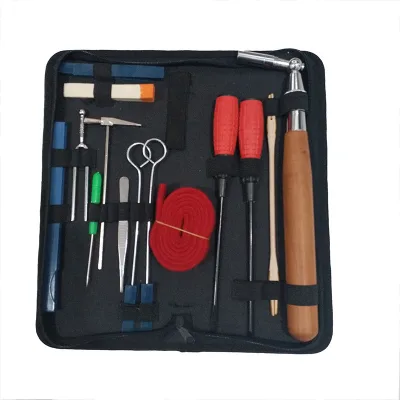
Buyers should also scrutinize the model numbers provided in the supply data, such as N-PA07, N-PA56, N-PA01, N-PA59, N-PA125, N-PA15, 00918, 0904, and A-EP32. These identifiers often correlate with specific weight standards or package dimensions. For example, specific models are associated with standard weights ranging from 100 to 1500g, and package sizes vary from compact 25X15X7 cm units to larger 50X35X55 cm batches. The presence of "Piano Tuning Kits" and "Piano Tuning tool" as distinct product types indicates that procurement strategies must differentiate between single-unit tools and comprehensive solution sets.
Compliance, Certification, and Standard Verification
In the realm of professional musical equipment, compliance and standard verification are paramount, yet the supplied data presents unique challenges regarding explicit certification claims. The product attributes list specific "prod_standard" values, such as 780g, 1500g, 900g, 350g, and 670g. While these figures are presented as standards, they appear to function more as weight specifications or mass benchmarks rather than international safety or quality certifications like ISO or CE.
Procurement officers must exercise caution when interpreting these figures. A standard listed as "100" or "1500g" requires immediate verification to determine if it represents a weight tolerance, a mass standard, or a specific industry benchmark. The data does not explicitly confirm the presence of third-party certifications or adherence to international safety protocols. Therefore, the buyer's responsibility is to request and validate certification documents directly from the supplier.
When evaluating suppliers from the identified origins of Shandong and Guangdong, China, buyers should verify that the manufacturing processes align with international quality management systems. The absence of explicit certification data in the initial product listing necessitates a proactive due diligence process. Buyers should ask for proof of material safety, particularly regarding the Metal, Wood, and Carbon Fiber components, to ensure they do not contain hazardous substances. Additionally, the "OEM/ODM" brand attribute suggests that many products are manufactured to private label specifications, which further underscores the need for the buyer to define their own quality standards and compliance requirements before finalizing an order.
Cost Drivers and Pricing Dynamics
The financial aspect of sourcing professional piano tuning tools is influenced by several dynamic factors, including material composition, customization availability, and packaging requirements. The observed price range in the market spans from $0.26 to $95.36 USD, a variance that reflects the diversity of the product catalog. This wide range indicates that the cost is heavily driven by the complexity of the tool and the materials used.
The primary cost drivers identified in the data include the use of premium materials like Carbon Fiber and the availability of customization. Products featuring Carbon Fiber or complex multi-material constructions (Metal, Wood, Carbon Fiber) likely command higher price points compared to those made solely of Metal or Wood. Furthermore, the "Customization: Available" attribute suggests that buyers can tailor specifications, which may incur additional costs depending on the extent of the modification.
Packaging also plays a significant role in the total cost of ownership. The data lists various packing methods, from individual boxes to batch packages measuring 50X35X55 cm. The Single Gross Weight varies from 0.200 kg to 0.900 kg, and the Single Package Size ranges from 35X15X10 cm to 38X20X10 cm. These logistical variables directly impact shipping costs, which can be substantial for international B2B transactions. Buyers should calculate the landed cost by factoring in the weight and dimensions of the specific model they intend to purchase, as the difference between a 0.200 kg unit and a 0.900 kg unit can significantly alter the freight expense.
Typical Applications and Use Cases
Professional piano tuning tools serve a variety of applications, ranging from concert hall maintenance to educational settings and private studio work. The data indicates that these tools are designed for "Piano Tuning Kits" and general "Piano Tuning tool" applications, suggesting versatility in their use. The specific components, such as the Wool Felt Temperament Strip and Nylon Mute, are designed for delicate interaction with piano strings, making them suitable for high-precision environments where string damage must be avoided.
The presence of different model numbers and weight standards implies that different tools are optimized for different piano types or tuning scenarios. For example, a tool with a standard of 1500g might be designed for heavy-duty use or specific grand piano models, while a 350g tool might be preferred for upright pianos or portable setups. The "Tuning Hammer" and "Tuning Fork" components are essential for the actual act of tuning, where the resonance and balance of the tool are critical.
Buyers should consider the specific needs of their end-users when selecting a model. A supplier offering "OEM/ODM" capabilities allows for the creation of specialized kits tailored to specific market segments, such as professional concert tuners who require Carbon Fiber components for reduced weight and increased durability, or educational institutions that may prioritize cost-effective, durable Metal and Wood tools.
Supplier Evaluation and Origin Verification
The geographic origin of the products is a critical factor in supplier evaluation. The data explicitly identifies the Place of Origin as Shandong, China, and Guangdong, China. These regions are known for their manufacturing capabilities, but buyers must conduct thorough due diligence to ensure that the specific factory meets their quality expectations. The distinction between these two provinces may indicate different supply chain specializations or manufacturing capacities.
When evaluating suppliers, buyers should look beyond the basic "Place of Origin" label. The availability of customization and the "OEM/ODM" brand attribute suggest that many suppliers are flexible partners capable of adapting to specific buyer requirements. However, the lack of specific supplier names in the data means that buyers must rely on their own vetting processes. Key evaluation criteria should include the supplier's ability to provide detailed technical specifications, their track record with international shipping, and their responsiveness to quality control inquiries.
The "MOQ" (Minimum Order Quantity) is another critical evaluation metric. The observed MOQ range is 1 to 500, with specific instances of 1 pcs and 5 Pcs. This flexibility allows buyers to test the market with small orders before committing to larger volumes. However, buyers should be aware that lower MOQs might come with higher unit costs, while larger orders could offer economies of scale. The "Selling Units" attribute, listed as "Single item," further supports the feasibility of small-batch procurement.
Quality Control and Long-Term Procurement Considerations
Ensuring consistent quality is the cornerstone of successful long-term procurement. Given the variability in product attributes, such as the different weights (780g, 1500g, 900g, 350g, 670g) and materials (Metal, Wood, Carbon Fiber, Rubber), a robust quality control (QC) process is essential. Buyers should implement a sampling strategy that tests the physical attributes of the tools, such as the balance of the Tuning Hammer, the resonance of the Tuning Fork, and the durability of the Wool Felt and Nylon components.
The "Single gross weight" and "Single package size" data points provide a baseline for QC checks. Deviations from these specifications could indicate manufacturing inconsistencies. For instance, if a product listed with a single gross weight of 0.900 kg arrives with a significantly different weight, it may suggest material substitution or packaging errors. Buyers should establish clear acceptance criteria based on the provided specifications and conduct regular inspections, particularly for the first few orders.
Long-term procurement considerations also involve the potential for supply chain disruptions and the need for consistent product availability. The "Customization: Available" attribute is a strategic advantage, as it allows buyers to maintain a consistent product line even if specific models become obsolete. However, buyers must ensure that the customization process is well-documented and that the supplier has the capacity to scale production as demand grows. The "Brand Name: OEM/ODM" attribute suggests that buyers have the opportunity to build their own brand identity, which can enhance long-term market positioning.
Comparative Analysis of Product Attributes
To facilitate informed decision-making, the following table summarizes the key product attributes observed in the market data. This comparison highlights the diversity in specifications, materials, and origins, providing a clear reference for buyers during the selection process.
| Attribute Category | Observed Variations | Implications for Procurement |
|---|---|---|
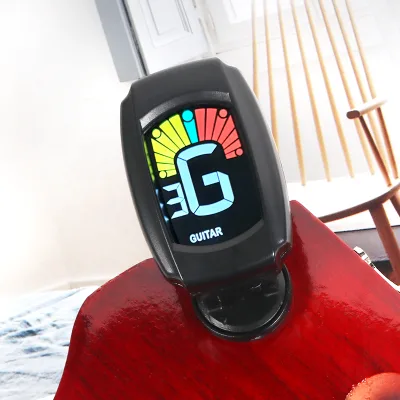
| Product Type | Tuner, Piano Tuning Kits, Piano Tuning tool, Piano | Distinguish between single tools and comprehensive kits based on end-user needs. |
| Materials | Metal, Wood, Carbon Fiber, Rubber | Carbon Fiber offers premium performance; Metal/Wood are standard; Rubber used for Mutes. |
| Component Specifics | Tuning Hammer (Wood), Tuning Fork (Metal), Temperament Strip (Wool Felt), Mute (Nylon) | Verify component integrity as these directly affect tuning accuracy and string safety. |
| Weight Standards | 100, 350g, 670g, 780g, 900g, 1500g | Weight impacts handling and balance; verify if "standard" refers to mass or a specific benchmark. |
| Packaging | Box, Single package sizes (25X15X7 cm to 50X35X55 cm) | Calculate shipping costs based on volume and weight; larger batches may reduce per-unit freight. |
| Origin | Shandong, China; Guangdong, China | Verify factory capabilities and logistics infrastructure in these specific regions. |
| MOQ | 1 pcs, 5 Pcs, up to 500 | Flexible entry points allow for market testing; higher volumes may reduce unit costs. |
| Customization | Available | Leverage OEM/ODM capabilities to tailor products to specific brand or functional requirements. |
In conclusion, sourcing professional piano tuning tools requires a meticulous approach that balances technical specifications, material quality, and logistical efficiency. By adhering to the verified data points and conducting thorough due diligence, buyers can navigate the complex B2B landscape to secure high-quality tools that meet the demanding standards of the musical industry. The availability of customization and the diverse range of models offer significant opportunities for strategic procurement, provided that quality control and supplier evaluation remain at the forefront of the process.
FAQs
What materials are used for professional piano tuning tools?
These tools are constructed from Metal, Wood, and Carbon Fiber. Specific components like tuning hammers often use Wood, while tuning forks are Metal, ensuring the correct resonance and durability for precise tuning tasks.
Which customization options are available for these tuning kits?
Customization is available for buyers seeking tailored specifications. This allows procurement officers to modify product attributes to meet specific acoustic or ergonomic requirements without compromising the core functionality of the tuning equipment.
Can I find tuning tools with specific weight standards?
Yes, products are available with specific weight standards ranging from 100 to 1500g. Buyers should verify the exact gram specification for each model, as weight impacts the balance and handling during professional piano maintenance.
What is the minimum order quantity for these items?
The minimum order quantity ranges from 1 piece to 500 pieces depending on the supplier. Some listings allow single item purchases, while others may require a batch of five pieces or more for specific models.
How are these piano tuning tools packaged for shipment?
Items are typically packed in individual boxes or larger batch packages. Package dimensions vary significantly, with single units ranging from 25x15x7 cm to larger batches measuring up to 50x35x55 cm for logistics planning.
Where are these professional tuning tools manufactured?
Products originate primarily from Shandong and Guangdong provinces in China. Buyers should verify the specific place of origin for each supplier to ensure alignment with their logistical and quality assurance requirements.
What is the price range for professional piano tuning tools?
The observed price range spans from 0.26 to 95.36 USD. This variance reflects differences in material composition, such as Carbon Fiber versus standard Metal, and the inclusion of comprehensive kits versus individual tools.