Source Foldable Metal Pet Cage for Warehouse, Logistics, and Dog Housing
Compare 30 Foldable Metal Pet Cage options featuring heavy-duty construction, stackable designs, and customizable finishes. These versatile units support industrial logistics, warehouse organization, and secure dog housing with high load capacities and easy cleaning features; compare the available evidence and request quotations based on your requirements.
Key considerations
Products List


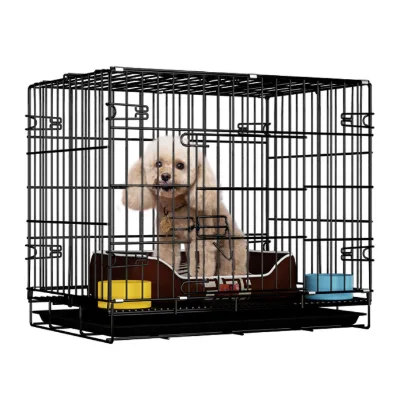
Metal Foldable Large Dog Cage Collapsible Pet Cage Kennel Mesh Dog Cage
$30.00 - $35.00
MOQ: 30 Pieces


Pet Heavy Duty Cage Metal Dog Cage with Single Door Removable with Wheels
$23.00 - $28.00
MOQ: 2 Pieces



Comprehensive Sourcing Guide
Foldable Metal Pet Cage Sourcing Guide
Buyers must first distinguish between industrial storage cages and specialized pet enclosures, as the supplied data reveals a dual-market presence for foldable metal structures. While some listings highlight heavy-duty applications with 1000kg load capacities and 50mm mesh spacing for logistics, other entries explicitly target pet owners with features like breathability and windproofing for dog housing. This distinction is critical because a cage designed for warehouse pallets may lack the specific safety margins or interior finishes required for animal welfare, necessitating a careful review of the product model and intended use before proceeding.
Procurement teams should verify whether the supplier offers true customization for pet-specific dimensions rather than relying solely on standard industrial sizes like 1000mm by 800mm. The observed data indicates that while some models are fixed at 800600600mm, others support customized dimensions, which is essential for fitting specific breeds or transport requirements. Buyers should prioritize suppliers who explicitly state OEM support and offer sample units, ensuring the final product meets the unique spatial and safety needs of the intended animal without compromising the structural integrity required for foldable mechanisms.
Product Scope and Observed Listing Signals
The market for foldable metal pet cages presents a wide range of price points, observed between 1 and 135 USD, which often correlates with the complexity of the welding and the thickness of the wire. A lower price point may indicate a lighter gauge wire or a simpler powder-coated finish, whereas higher costs typically reflect hot-dip galvanization for enhanced corrosion resistance and heavier-duty construction. Buyers must analyze the price-to-specification ratio carefully, as the minimum order quantity can vary significantly from single units to 500 pieces, influencing the total landed cost for small retailers versus large distributors.
Listing signals also reveal a diverse array of functional attributes, including stackability, collapsibility, and the availability of accessories like top lids and divider bars. These features are vital for optimizing storage space in both indoor and outdoor environments, yet the presence of these options does not guarantee they are compatible with every model. Procurement professionals should scrutinize the specific product model number, such as WUXIFUPING-DC005 or WXFPDC2010C, to confirm that the advertised accessories are actually included or available as add-ons for the specific configuration being purchased.
Technical Specifications to Verify
Wire diameter and mesh spacing are the primary determinants of structural strength and animal safety, with observed specifications ranging from 5.8mm wire diameter to 50mm by 50mm mesh intervals. Buyers must confirm that the wire thickness is sufficient to prevent escape or injury, particularly for larger or more active breeds, while ensuring the mesh size does not pose a risk of limb entrapment. It is essential to request detailed engineering drawings that specify the exact wire gauge and joint reinforcement methods, as these technical details directly impact the cage's ability to withstand repeated folding and unfolding cycles without structural fatigue.
The folded dimensions and overall footprint are equally critical for logistics and storage efficiency, with some models offering a folded state that significantly reduces volume for shipping. The observed data suggests a standard folded height of 100mm for the feet, but buyers should verify the collapsed dimensions against their warehouse or retail space constraints. Additionally, the load capacity of 1000kg observed in industrial listings may not apply to pet models, so verifying the specific weight limits for the pet cage variant is necessary to ensure the product can safely support the animal and any attached accessories during transport.
Compliance and Safety Documentation
Safety compliance for pet enclosures requires verification of material toxicity and finish durability, as the supplied data mentions zinc, hot-dip galvanization, and powder coating options. Buyers must ensure that the chosen finish is non-toxic and resistant to rust, especially since the cages may be used in damp environments or subjected to frequent cleaning with various agents. Requesting material safety data sheets (MSDS) for the coatings and confirming that the metal alloy meets relevant food-grade or animal-contact standards is a mandatory step to prevent chemical exposure to the pet.
Documentation regarding the structural integrity of the folding mechanism is also required to prevent accidental collapse during use. While the product is described as having a high-quality finish and a service life of over three years, buyers should ask for third-party test reports that validate the durability of the hinges and locking mechanisms under repeated stress. Ensuring that the cage meets general safety standards for consumer goods is essential, particularly if the product is intended for commercial resale in markets with strict liability regulations regarding animal containment equipment.
Cost Drivers and Commercial Terms
The cost of these cages is heavily influenced by the finishing process, with hot-dip galvanization typically commanding a premium over standard powder coating due to the superior corrosion protection it offers. Buyers should evaluate the trade-off between initial cost and long-term maintenance, as a more expensive finish may reduce replacement frequency in humid or outdoor settings. Additionally, the complexity of customization, such as specific colors or dimensions, will add to the unit price, making it vital to balance aesthetic requirements with budget constraints during the initial sourcing phase.
Commercial terms regarding delivery and packaging also play a significant role in the total cost of ownership, with observed lead times ranging from 7 to 15 days and packaging options including plastic banding and stretch film. Buyers must account for the volume efficiency of the folded state, which allows for 470 pieces to be loaded into a 40-foot high cube container, significantly reducing freight costs per unit. Negotiating clear terms for sample availability and bulk discounts is essential, as the minimum order quantity can vary from one piece to 500, affecting the cash flow and inventory strategy for the buyer.
Supplier Qualification and Quality Control
Supplier qualification should focus on their manufacturing location and history, with the observed data indicating origins in China, specifically Dalian, a known hub for metal fabrication. Buyers must verify the supplier's capacity to handle both standard and customized orders, ensuring they have the necessary machinery for full welding and precise finishing processes. Checking for a track record of serving commercial buyers, such as TV shopping networks or department stores, can provide insight into the supplier's reliability and ability to meet consistent quality standards for large-scale orders.
Quality control protocols must be established to ensure that every unit meets the specified dimensions and finish requirements before shipment. Buyers should implement a pre-shipment inspection plan that checks for weld integrity, coating uniformity, and the functionality of the folding mechanism. Given the observed warranty of one year and a service life of over three years, establishing a clear process for handling defects or premature failures is crucial. Regular audits of the production line and random sampling of finished goods will help maintain the high-quality standards expected in the pet care and logistics sectors.
Long-Term Procurement Checks
Long-term procurement success depends on monitoring the supplier's ability to maintain consistent quality over the product's service life, which is estimated at three years or more. Buyers should establish a feedback loop to track any recurring issues with the folding mechanism or finish degradation, ensuring that the supplier addresses these problems promptly. Regularly reviewing the supplier's performance against the agreed-upon specifications, such as the 1000mm by 800mm dimensions or the 50mm mesh spacing, will help maintain the integrity of the supply chain and prevent quality drift over time.
Sustainability and eco-friendly features are becoming increasingly important, with some listings highlighting these attributes as key advantages. Buyers should verify the environmental impact of the manufacturing process and the recyclability of the metal materials used in the cages. Ensuring that the supplier adheres to sustainable practices and offers eco-friendly packaging options can enhance the brand value of the final product. Continuous engagement with the supplier to explore new materials or improved designs will help keep the product line competitive and aligned with evolving market expectations for responsible sourcing.
FAQs
What are the standard dimensions for this Foldable Metal Pet Cage?
The standard product standard size is 1030x840x850 mm in length, width, and height. Alternatively, a customized size of 800x600x600 mm is available. These dimensions ensure the cage fits standard logistics containers while providing adequate space for pets during transport or storage in warehouse environments.
Can the Foldable Metal Pet Cage be customized for specific needs?
Yes, customization and OEM support are available for this product. Buyers can request specific colors such as yellow, white, or multicolor options. The manufacturer also supports customized sizes and structural adjustments to meet unique industrial, warehouse, or logistics application requirements, ensuring the final product aligns with specific operational standards.
What is the load capacity of the heavy duty Foldable Metal Pet Cage?
The cage features a heavy duty scale with a load capacity of 1000kg. This robust capacity is supported by a 5.8mm wire diameter and 50mm x 50mm mesh spacing. The design ensures stability and safety when transporting or storing heavy items, making it suitable for demanding industrial and logistics applications.
How is the Foldable Metal Pet Cage packaged for shipping?
The product is packed using plastic banding and stretch film wrapping to ensure easy loading and protection during transit. This packaging method minimizes damage risk and optimizes container space. The folded design allows for efficient storage and transport, with a capacity of 470 pieces per 40HQ container for streamlined logistics operations.
What surface finishes are available for the metal pet cage?
Available finishes include zinc plating, hot dip galvanized coating, and powder coating. These options provide durability and resistance to corrosion, extending the service life to three years or more. The choice of finish depends on the specific environmental conditions and usage requirements of the industrial, warehouse, or outdoor applications.
What accessories are available for the Foldable Metal Pet Cage?
Available accessories include a top lid, divider, runner bar, forklift guide, and additional components. These accessories enhance functionality, allowing for secure closure, internal organization, and easy handling with forklifts. They support versatile use cases in logistics and warehouse settings, improving efficiency and safety during material handling and storage operations.