Source Foldable Multicolor Kraft Paper Box for Food, Gifts, Electronics
Compare 30 listings for Foldable Multicolor Kraft Paper Box options from verified manufacturers. Buyers can evaluate customization, materials like food grade kraft paper, and eco-friendly features for food packaging, gifts, and electronics applications; compare the available evidence and request quotations based on your requirements.
Updated
Key considerations
Products List


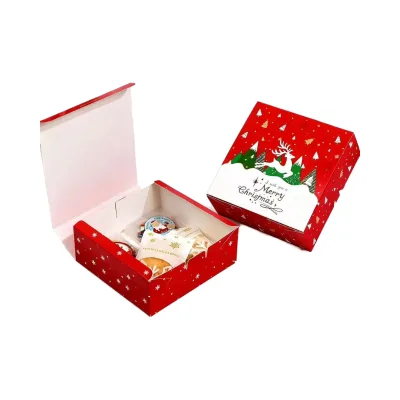

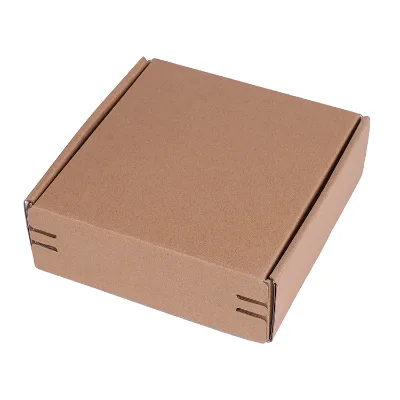
Packaging Box Custom Logo Printed Kraft Paper Box Foldable Corrugated Box
$0.15 - $0.91
MOQ: 500 Pieces

Packaging Box Custom Kraft Paper Box Logo Printed Foldable Corrugated Box
$0.15 - $0.91
MOQ: 500 Pieces


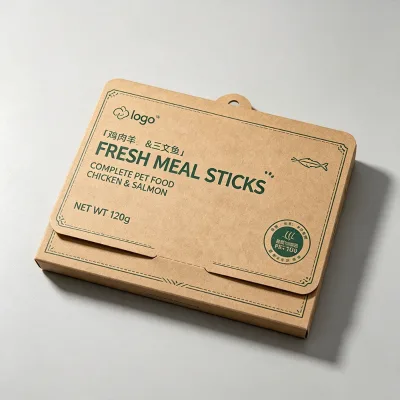
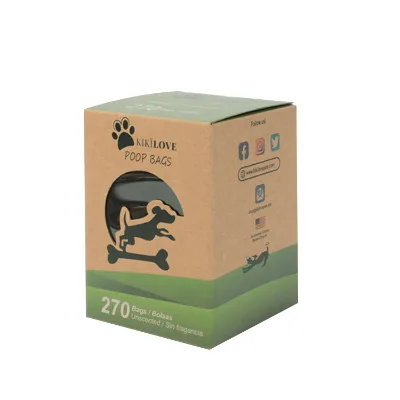

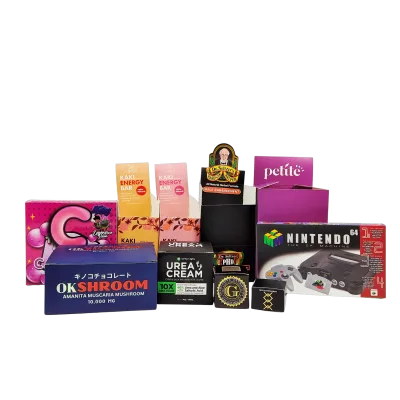


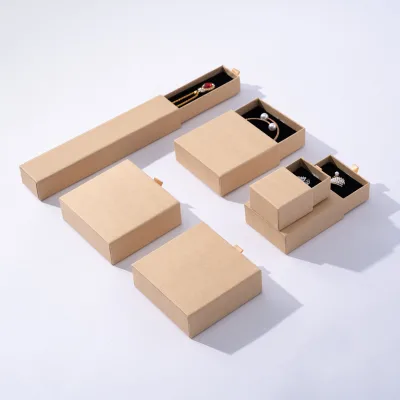


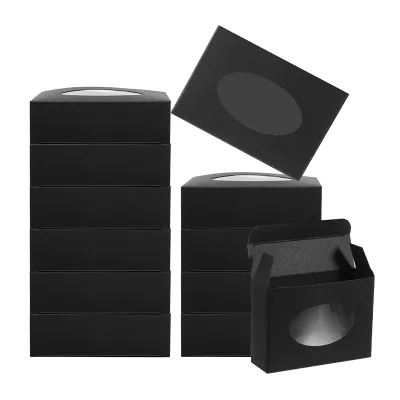
$0.36 - $0.56
MOQ: 1000 Pieces


Comprehensive Sourcing Guide
Foldable Multicolor Kraft Paper Box Sourcing Guide
Sourcing foldable multicolor kraft paper boxes requires a strategic approach that balances aesthetic customization with functional durability. Buyers must recognize that these packaging solutions are primarily designed for food, household, electronics, cosmetics, and apparel applications, offering a versatile platform for brand presentation. The material choice of food-grade kraft paper ensures that the packaging meets basic safety standards for direct or indirect food contact, which is critical for industries dealing with biscuits, burgers, bread, and sandwiches. Understanding the specific application context helps in selecting the right thickness and structural integrity, ensuring the box protects the product during transit while maintaining an eco-friendly profile.
The visual appeal of these boxes is driven by multicolor printing capabilities, allowing for professional CMYK full-color offset printing or flexography. This customization extends to the surface finishing, where options like lamination, varnishing, or embossing can enhance the tactile experience and perceived value of the product. Buyers should evaluate how the natural color of the kraft paper interacts with the chosen print design, as the base material influences the final color accuracy. The ability to accept customized artwork in formats such as AI, PDF, or CAD ensures that the final product aligns precisely with brand guidelines, making these boxes an effective tool for marketing and unboxing experiences.
Product Scope and Observed Listing Signals
The observed market signals indicate a wide range of product variations, with prices ranging from $0.01 to $2.50 USD and minimum order quantities (MOQs) typically between 500 and 20,000 pieces. This price variance reflects differences in material thickness, printing complexity, and structural design, such as the 1 mm thickness observed in some listings. Buyers should note that while some products are marketed as biodegradable and eco-friendly, others may emphasize recycled corrugated paper features. It is essential to verify the specific material composition and environmental claims for each supplier, as these attributes are not uniform across all listings and directly impact sustainability goals and regulatory compliance.
Listing data reveals that manufacturers often offer OEM services with customized solutions for size, shape, and structure. The observed models, such as JM2019090404 and JM2019080403, suggest a standardized yet customizable production framework. Buyers should pay attention to the packaging details, which include export cartons, bundles, master cartons, and pallets, as these affect logistics and storage efficiency. The presence of logo printing options and professional color matching services indicates that these boxes are suitable for high-volume branding campaigns. However, buyers must confirm the exact specifications for each order, as the "middle" size and rectangular shape observed in some listings may not apply to all custom requests.
Technical Specifications to Verify
When verifying technical specifications, buyers must prioritize the material grade and structural integrity of the foldable box. The use of food-grade kraft paper is a key differentiator, ensuring safety for food applications like salads and vegetables. However, buyers should confirm the exact paper type and weight, as variations can affect durability and moisture resistance. The observed thickness of 1 mm provides a baseline for rigidity, but thicker or thinner options may be available depending on the product weight. It is crucial to request physical samples to test the foldability and resilience of the box, ensuring it can withstand repeated opening and closing without compromising its structural integrity or the safety of the contents.
Printing and finishing specifications are equally critical for achieving the desired multicolor effect. Buyers should verify the printing method, whether it is offset or flexo, and the available color modes, such as CMYK or Pantone. The surface finishing options, including lamination, varnish, or embossing, add value but also impact cost and lead time. Additionally, the artwork version requirements, such as AI or PDF formats, must be aligned with the supplier’s capabilities. Buyers should also check the weight range of the finished box, typically between 0.5-1 kg, to ensure it meets shipping and handling requirements. Clear communication of these technical details prevents discrepancies between the design proof and the final production run.
Compliance and Safety Documentation
Compliance and safety documentation are non-negotiable for buyers in the food and consumer goods sectors. The observed certifications, including FSC, BSCI, ISO 9001/14001, SGS, BV, and TUV, provide a framework for verifying supplier adherence to quality and environmental standards. Buyers should request valid certificates for each relevant standard, ensuring they are current and issued by accredited bodies. The FSC certification, in particular, is vital for confirming the sustainable sourcing of the kraft paper, which supports eco-friendly branding claims. It is important to note that while REACH is mentioned in background contexts, buyers must verify if the specific supplier holds this certification, as it is not explicitly confirmed in the primary product facts.
Quality control processes, such as OQC-AQL, are essential for maintaining consistency in large production runs. Buyers should inquire about the specific AQL levels applied during inspection and the procedures for handling defects. The lead time of 10-15 working days after confirmation, or 7-15 days for some suppliers, indicates the need for careful planning to avoid stockouts. Buyers should also verify the sample policy, as free samples for stock items can help validate quality before committing to a large order. Understanding the compliance landscape helps mitigate risks associated with regulatory violations and ensures that the packaging meets the legal requirements of the target market.
Cost Drivers and Commercial Terms
Cost drivers for foldable multicolor kraft paper boxes include material costs, printing complexity, and customization levels. The observed price range of $0.01 to $2.50 USD reflects these variables, with higher prices typically associated with complex multicolor printing, additional surface finishes, and smaller order quantities. Buyers should analyze the cost breakdown to understand how factors like lamination or embossing impact the final price. The MOQ of 500 to 20,000 pieces also plays a significant role, as larger orders often benefit from economies of scale. It is advisable to request detailed quotations that itemize material, printing, and finishing costs to facilitate accurate budgeting and comparison between suppliers.
Commercial terms, including lead times and shipment options, are critical for supply chain planning. The observed lead times of 7-15 days or 10-15 working days require buyers to align production schedules with inventory needs. Shipment options, such as sea, air, or courier, offer flexibility but come with different cost and speed implications. Buyers should negotiate clear terms for payment, delivery, and returns to protect their interests. Additionally, the packaging method, whether in kraft paper, cartons, or pallets, affects shipping efficiency and cost. Understanding these commercial dynamics helps buyers optimize their procurement strategy and maintain a competitive edge in the market.
Supplier Qualification and Quality Control
Supplier qualification is a foundational step in ensuring reliable procurement of foldable multicolor kraft paper boxes. Buyers should verify the manufacturer’s status, as some listings explicitly state "Manufacturer: Yes," indicating direct production capabilities. This reduces the risk of middleman markups and improves communication efficiency. It is also important to assess the supplier’s production capacity and technological capabilities, such as their ability to handle complex artwork and multiple finishing options. Requesting references or case studies from previous clients can provide insights into the supplier’s reliability and consistency. A thorough qualification process helps identify partners who can meet both quality and volume requirements.
Quality control measures, including OQC-AQL inspections, are essential for maintaining product standards. Buyers should establish clear quality criteria and inspection protocols before production begins. Regular communication with the supplier during the production process can help identify and address potential issues early. The ability to provide free samples for stock items allows buyers to validate quality before committing to a large order. Additionally, buyers should verify the supplier’s commitment to continuous improvement and their response to quality complaints. A robust quality control system ensures that the final product meets the buyer’s expectations and reduces the risk of defects in the supply chain.
Long-Term Procurement Checks
Long-term procurement checks involve continuous monitoring of supplier performance and market trends. Buyers should regularly review supplier compliance with certifications and quality standards, ensuring they remain up-to-date. Tracking changes in material costs and market conditions can help anticipate price fluctuations and adjust procurement strategies accordingly. Building a strong relationship with the supplier can lead to better pricing, priority production, and improved service levels. Buyers should also stay informed about new packaging technologies and sustainable materials that could enhance their product offerings. Regular audits and performance reviews help maintain high standards and drive continuous improvement in the supply chain.
Sustainability is a growing concern in packaging procurement, and buyers should prioritize suppliers who demonstrate a commitment to eco-friendly practices. The biodegradable and eco-friendly attributes of kraft paper boxes align with global trends towards sustainable packaging. Buyers should verify the supplier’s efforts in reducing waste and using recycled materials. Additionally, exploring options for reusable or compostable packaging can further enhance the brand’s sustainability profile. By focusing on long-term partnerships and sustainable practices, buyers can create a resilient and responsible supply chain that meets both current and future market demands.
FAQs
Can foldable multicolor kraft paper boxes be customized for specific branding needs?
Yes, customization is available for these boxes to meet specific branding requirements. Buyers can provide artwork in formats like Ai, Pdf, or CAD for professional CMYK or Pantone color printing. The surface finishing options include lamination, varnish, or embossing. This allows for unique designs tailored to food, electronics, or cosmetic packaging applications.
What certifications are typically associated with these eco-friendly kraft paper boxes?
These boxes often carry certifications such as FSC, BSCI, ISO 9001/14001, SGS, BV, and TUV. These credentials verify the use of food-grade materials and sustainable manufacturing processes. The products are biodegradable and eco-friendly, making them suitable for various industrial uses including food packaging and household items while adhering to international quality standards.
What is the typical lead time for ordering customized kraft paper boxes?
The typical lead time is 10-15 working days after all details are confirmed. For some standard items, production may take 7-15 days. This timeline allows for quality control checks like OQC-AQL. Buyers should plan shipments by sea, air, or courier accordingly to ensure timely delivery for their specific packaging needs and inventory requirements.
What is the minimum order quantity for these multicolor kraft paper boxes?
The minimum order quantity ranges from 500 to 20,000 pieces depending on the specific product model and customization level. Some items have an MOQ of 500, while others require 1,000 or more. This flexibility allows businesses to order suitable quantities for different project scales, from small batches to large industrial packaging requirements.
Where are these foldable kraft paper boxes manufactured and shipped from?
These boxes are manufactured in China, specifically in regions like Fujian and Taizhou City, Zhejiang Province. They are packed in export cartons, bundles, or pallets for safe transit. Shipping options include sea, air, and courier services, ensuring reliable delivery to global markets while maintaining the structural integrity of the recycled and corrugated paper materials.
What materials and features make these boxes suitable for food packaging?
These boxes are made from food-grade kraft paper and cardboard, ensuring safety for direct food contact. They feature biodegradable and eco-friendly properties, making them sustainable choices. The rectangular shape and sturdy construction protect items like salads, biscuits, and burgers. The natural or colorful finishes provide an attractive presentation for various food and household product packaging applications.