Source Foldable Non-Slip Baby Play Mat for Exercise, Learning, and Travel
Source a foldable non-slip baby play mat from 30 verified options. Compare XPE and PE materials, thicknesses from 6mm to 20mm, and custom sizes. These mats support physical exercise, sensory development, and balance training for infants and toddlers.
Key considerations
Products List





Comprehensive Sourcing Guide
Foldable Non-Slip Baby Play Mat Sourcing Guide
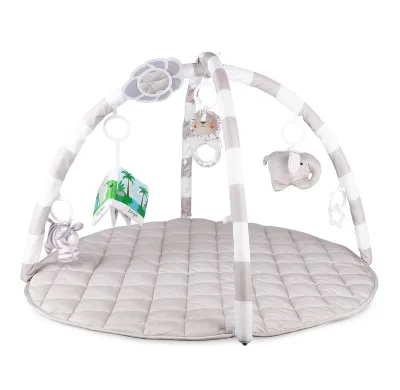
Sourcing foldable non-slip baby play mats requires a careful balance between material safety, structural durability, and commercial viability. These products serve as essential equipment for infant development, providing a safe, cushioned surface for tummy time, crawling, and early motor skill exercises. The primary value proposition for buyers lies in the combination of portability and safety; the foldable design allows for easy storage and transport, while non-slip properties ensure stability on various floor types. Procurement teams must navigate a market where product attributes vary significantly, from the specific type of foam used to the complexity of the surface textures designed to stimulate sensory development.
The decision to source these mats often hinges on the ability to customize both the physical dimensions and the educational features embedded in the design. Buyers are not merely purchasing a piece of foam; they are acquiring a developmental tool that may include auditory, tactile, and visual elements. Consequently, the sourcing strategy must account for the intricate manufacturing processes required to integrate these features without compromising the structural integrity of the mat. Understanding the specific use cases, such as strengthening physical exercise or improving balance concepts, is crucial for aligning supplier capabilities with end-user needs.
Product Scope and Observed Listing Signals
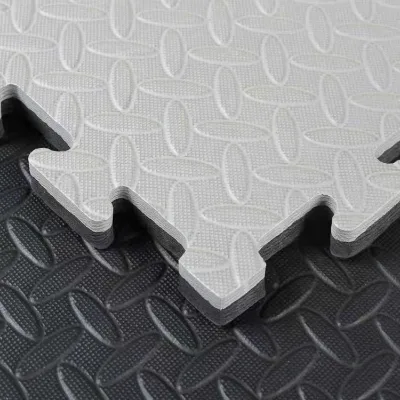
The current market landscape for foldable baby play mats reveals a diverse range of product configurations, primarily centered around XPE and PE foam materials. Observed listings indicate that XPE (Cross-Linked Polyethylene) is a prevalent choice, often highlighted for its eco-friendly properties and durability. Some products also utilize PE foam or EPE (Expanded Polyethylene), suggesting that buyers should verify the specific plastic type for each SKU to ensure it meets their quality and safety expectations. The material choice directly impacts the mat’s resilience, moisture resistance, and overall lifespan, making it a critical factor in the initial screening of potential suppliers.
Product dimensions and shapes vary widely, with standard sizes such as 150x200 cm, 180x200 cm, and 180x180 cm being common offerings. Customization is frequently available, allowing buyers to specify exact dimensions like 120x180 cm or unique shapes such as elephant designs to enhance visual appeal. The thickness of these mats typically ranges from 6mm to 20mm, providing varying levels of cushioning and impact absorption. Buyers should note that while some products are marketed with specific models like HONGFA-3 or BPM-05, the actual specifications may differ, necessitating direct verification of the physical attributes before placing large orders.
Technical Specifications to Verify
When evaluating technical specifications, the focus should be on the mat’s thickness, density, and surface texture. The observed thickness range of 6mm to 20mm suggests that buyers must define the required level of cushioning based on the intended age group and usage intensity. Thicker mats may offer better protection for falls but could be less portable, while thinner mats might be more suitable for travel. It is essential to request physical samples to assess the foam’s density and recovery rate, ensuring that the mat does not compress permanently under the weight of a child or repeated use.
The surface design and functional features are equally critical, with many mats designed to enhance sensory experiences through increased sights, auditory cues, and tactile elements. Some products are specifically styled for creeping body-building or balance concept exercises, indicating a need for textured surfaces or attached toys. Buyers should verify the attachment methods for any interactive components to ensure they are secure and cannot be easily detached, posing a choking hazard. Additionally, the cleaning method, often specified as hand wash, should be considered in the context of hygiene maintenance and long-term usability in a home or daycare environment.
Compliance and Safety Documentation
Safety compliance is non-negotiable in the baby product sector, and buyers must ensure that all sourced mats meet rigorous international standards. Observed certifications such as RoHS, ENCE, and ASTM indicate a commitment to material safety and regulatory adherence. However, the presence of these certifications on a listing does not guarantee that every batch or model complies with the same standards. Buyers should request valid test reports and certificates for each specific product model, verifying that the materials used are free from harmful substances like phthalates, lead, and formaldehyde.
The origin of the products, primarily China, requires additional scrutiny regarding quality control and regulatory alignment with the destination market. Buyers should confirm that the supplier’s production processes adhere to the stated standards, such as European Standards or specific ASTM requirements. It is advisable to engage third-party inspection services to verify that the physical products match the certified specifications. This step is crucial for mitigating the risk of non-compliance, which can lead to product recalls, legal liabilities, and damage to brand reputation in competitive markets.
Cost Drivers and Commercial Terms
The cost structure of foldable baby play mats is influenced by several factors, including material type, thickness, customization level, and order volume. The observed price range of $0.1 to $30 USD reflects the significant variation in product complexity and quality. Basic PE foam mats may fall at the lower end of the spectrum, while multi-functional XPE mats with sensory features and custom packaging will command higher prices. Buyers should analyze the cost breakdown to understand the value proposition of each SKU, ensuring that they are not overpaying for features that do not align with their target market’s preferences.
Minimum Order Quantities (MOQs) and payment terms are key commercial considerations that impact cash flow and inventory management. Observed MOQs range from 5 to 5,500 pieces, with some suppliers offering low MOQs for sample testing or small batch orders. Buyers should negotiate MOQs based on their sales velocity and storage capacity, considering the possibility of starting with smaller orders to test market response. Additionally, the availability of free small samples can be a valuable tool for quality assessment, allowing buyers to make informed decisions before committing to larger purchases.
Supplier Qualification and Quality Control
Supplier qualification involves a thorough assessment of manufacturing capabilities, quality management systems, and past performance. Buyers should prioritize suppliers who demonstrate a clear understanding of safety standards and have a robust quality control process in place. This includes in-house testing facilities, regular audits, and a history of producing compliant products. The ability to provide customized packaging, such as carton or woven bag options, is also an indicator of a supplier’s flexibility and attention to detail, which can enhance the product’s presentation and protection during shipping.
Quality control measures should extend beyond the final product inspection to include raw material verification and process monitoring. Buyers should request information on the supplier’s sourcing of foam materials and their procedures for ensuring consistency in thickness and density. Implementing a pre-shipment inspection protocol is essential to catch any defects, such as uneven folding, weak seams, or surface imperfections, before the goods leave the factory. Establishing a clear communication channel for addressing quality issues and defining remedies for non-conforming products is vital for maintaining a reliable supply chain.
Long-Term Procurement Checks
Long-term procurement success depends on continuous monitoring of supplier performance and market trends. Buyers should establish key performance indicators (KPIs) related to on-time delivery, product quality, and responsiveness to issues. Regular reviews of these metrics will help identify potential problems early and allow for corrective actions to be taken. Additionally, staying informed about changes in safety regulations and consumer preferences is crucial for maintaining product relevance and compliance. This proactive approach ensures that the sourcing strategy remains aligned with business goals and market demands.
Sustainability and eco-friendly practices are increasingly important factors in the baby product market. Buyers should evaluate suppliers’ commitment to environmental responsibility, such as the use of eco-friendly materials and sustainable packaging solutions. Products labeled as eco-friendly, such as those made from XPE, may offer a competitive advantage in markets where consumers are increasingly conscious of environmental impact. Incorporating these considerations into the sourcing strategy can enhance brand value and appeal to a growing segment of environmentally aware consumers, ensuring long-term viability and growth.
FAQs
What certifications do these baby play mats have?
These mats hold Rohs, EnCe, and Astm certifications to ensure safety. The product attributes confirm compliance with these standards for materials like XPE and PE. Buyers can rely on these documented certifications for quality assurance in their sourcing decisions.
How thick are the available foldable play mats?
The thickness ranges from 6mm to 20mm depending on the specific model. This variation allows customization for different usage needs while maintaining the foldable structure. Buyers should check the specific model number for exact thickness requirements.
Can I customize the size and packaging of the mats?
Yes, customization is available for both dimensions and packaging types. Standard sizes include 150x200 and 180x200, with options for woven bags or export cartons. Buyers can request specific dimensions like 180x180 or 120x180 based on their needs.
What is the minimum order quantity for these mats?
The minimum order quantity varies between 5 and 5500 pieces across different suppliers. One specific listing indicates an MOQ of 200 pieces for the eco-friendly foam mats. Buyers should verify the exact MOQ with the specific manufacturer before placing an order.
Which materials are used to make these baby mats?
The mats are primarily made from XPE or PE plastic types. Some listings also mention EPE as a standard material option. These materials are selected for their eco-friendly properties and suitability for strengthening physical exercise in children.
How should I clean the foldable baby play mats?
The recommended cleaning method is hand washing to maintain the mat's integrity. This applies to the various styles including creeping body-building and play mat designs. Proper cleaning ensures the mats remain safe for children aged 1-3 years or 4-6 months.