Source Foldable Non Slip Bamboo Bath Mat for Bathrooms, Showers, and Hotels
Compare 30 listings of foldable non slip bamboo bath mat options from verified suppliers. Buyers can evaluate specifications, pricing, and customization features for home, hotel, and bathroom applications. Explore eco-friendly materials, anti-slip designs, and custom sizes to find the right sustainable floor mat for your needs today.
Key considerations
Products List


Comprehensive Sourcing Guide
Foldable Non Slip Bamboo Bath Mat Sourcing Guide
Sourcing foldable non-slip bamboo bath mats requires a careful balance between aesthetic appeal and functional safety, particularly for commercial hospitality projects. Buyers must recognize that while bamboo offers a natural, sustainable look, its performance in wet environments depends heavily on construction quality and surface treatment. The observed market signals indicate a strong emphasis on anti-slip properties, with many listings highlighting geometric patterns or solid designs to enhance traction. Procurement teams should prioritize suppliers who demonstrate clear evidence of slip resistance, as this is the primary safety concern for bathroom applications.
The product landscape includes various iterations, from simple rectangular mats to more complex foldable designs that offer storage convenience. Observed attributes suggest a mix of natural bamboo materials and non-woven textile components, which may impact durability and cleaning requirements. Buyers need to distinguish between mats that are purely bamboo and those that incorporate hybrid materials for added stability. Understanding these material distinctions is crucial for setting accurate performance expectations and ensuring the final product meets the specific hygiene and maintenance standards of the intended facility.
Product Scope and Observed Listing Signals
The current market for bamboo bath mats shows a diverse range of product names and applications, reflecting varied buyer needs. Listings frequently describe these items as improved bamboo bath mats for showers, emphasizing their role in preventing slips on wet surfaces. The observed product scope includes both standard rectangular shapes and foldable variants, catering to spaces where storage is limited. Buyers should note that while many products claim to be heavy-duty, the actual weight and thickness can vary significantly, affecting both the mat’s stability and its ease of handling during daily use.
Color and design options are also a key part of the product scope, with natural bamboo tones being the most common. However, customized colors and geometric patterns are available, allowing for better integration into specific interior design themes. The observed listings indicate that some products are marketed with American style or modern aesthetics, which can influence purchasing decisions for boutique hotels or residential projects. Procurement teams should verify the actual finish and texture of samples, as visual representations in catalogs may not fully capture the tactile experience or the effectiveness of the non-slip surface in real-world conditions.
Technical Specifications to Verify
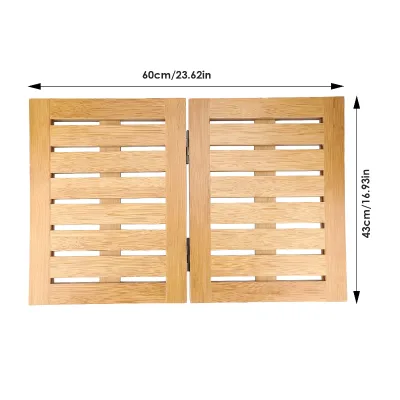
Technical verification begins with confirming the exact dimensions and weight of the product, as these factors influence both installation and user experience. Observed specifications include sizes such as 60x43x2.5 cm and 650x400x30 mm, highlighting the need to match the mat to specific bathtub or shower dimensions. Buyers must also verify the single gross weight, which can range from light, portable mats to heavier, more stable options. Understanding the weight helps in assessing the mat’s ability to stay in place during use and its ease of removal for cleaning, which is critical for maintaining hygiene standards in high-traffic areas.
The construction technique and material composition are equally important technical aspects to verify. While many products are described as made from natural bamboo, some listings mention non-woven textile techniques, suggesting a composite structure. Buyers should request detailed material breakdowns to understand the ratio of bamboo to other components, as this affects durability and resistance to mold or mildew. Additionally, the presence of foldable features requires inspection of the hinge or joint mechanisms to ensure they can withstand repeated use without breaking or becoming loose, which could compromise safety.
Compliance and Safety Documentation
Safety compliance is paramount when sourcing bath mats, as slips and falls are a significant liability in both residential and commercial settings. Buyers must ensure that suppliers provide documentation verifying the anti-slip properties of the product, particularly when used on wet surfaces. This may include test results from recognized laboratories that measure the coefficient of friction or other relevant safety metrics. Without such evidence, buyers risk procuring products that do not meet basic safety expectations, potentially leading to accidents and legal complications.
In addition to slip resistance, buyers should verify compliance with relevant chemical safety standards, especially since bamboo products may undergo various treatments to enhance durability or appearance. Documentation should confirm that the materials used are free from harmful substances that could be released in humid environments. For products marketed as eco-friendly or sustainable, buyers should request proof of these claims, such as certifications from recognized environmental bodies. This ensures that the sustainability narrative aligns with actual manufacturing practices and material sourcing, protecting the brand’s reputation for environmental responsibility.
Cost Drivers and Commercial Terms
Cost drivers for bamboo bath mats include material quality, manufacturing complexity, and packaging requirements. The use of natural bamboo and specialized anti-slip treatments can increase production costs compared to synthetic alternatives. Buyers should also consider the impact of customization, such as specific sizes, colors, or logo printing, which may incur additional fees. Understanding these cost factors helps in budgeting accurately and negotiating effectively with suppliers, ensuring that the final price reflects the true value and quality of the product.
Commercial terms, including minimum order quantities (MOQ) and payment conditions, vary across suppliers. Observed MOQs range from 300 to 1000 pieces, which can influence inventory management and cash flow for buyers. It is essential to clarify these terms early in the sourcing process to avoid unexpected costs or delays. Additionally, buyers should inquire about sample times and costs, as obtaining high-quality samples is crucial for verifying product specifications before committing to a large order. Clear communication regarding these commercial details helps in establishing a smooth and transparent procurement process.
Supplier Qualification and Quality Control
Supplier qualification involves assessing the manufacturer’s capability to produce consistent, high-quality bamboo bath mats. Buyers should verify the supplier’s production capacity, quality control processes, and experience in exporting similar products. A supplier with a strong track record in sustainable manufacturing is likely to have better control over material sourcing and production standards. Engaging with suppliers who offer OEM/ODM services can also provide flexibility in customizing products to meet specific buyer requirements, ensuring a better fit for the target market.
Quality control measures should be clearly defined and agreed upon before production begins. This includes establishing inspection criteria for material quality, construction integrity, and final product appearance. Buyers may consider third-party inspections to verify that the products meet the agreed-upon specifications and safety standards. Regular communication with the supplier during the production process can help identify and address potential issues early, reducing the risk of receiving substandard goods. A robust quality control plan is essential for maintaining product consistency and customer satisfaction.
Long-Term Procurement Checks
Long-term procurement success depends on establishing a reliable supply chain that can adapt to changing market demands and quality expectations. Buyers should regularly review supplier performance, including on-time delivery, product quality, and responsiveness to issues. Building a strong relationship with the supplier can lead to better pricing, priority production, and improved support for future orders. Continuous monitoring of market trends and competitor offerings can also help buyers stay competitive and make informed sourcing decisions.
Sustainability and ethical sourcing practices should be ongoing priorities in the procurement process. Buyers should periodically verify that suppliers continue to adhere to their environmental and social commitments, ensuring that the products remain aligned with the brand’s values. This may involve regular audits or requests for updated certification documents. By maintaining a focus on long-term sustainability and quality, buyers can build a resilient supply chain that supports their business goals and contributes to positive environmental and social outcomes.
FAQs
What material is used for the foldable non slip bamboo bath mat?
The foldable non slip bamboo bath mat is crafted from natural bamboo, ensuring an eco-friendly and sustainable product. This material provides durability and a natural aesthetic suitable for bathroom environments. The design often features geometric patterns or solid colors, aligning with modern or American style preferences for home decor.
Can the foldable non slip bamboo bath mat be customized?
Yes, the foldable non slip bamboo bath mat supports extensive customization options. Buyers can request customized sizes, colors, and logos to match specific branding or interior design needs. OEM and ODM services are available, allowing for tailored specifications that meet unique commercial or residential requirements effectively.
What is the minimum order quantity for the foldable non slip bamboo bath mat?
The minimum order quantity for the foldable non slip bamboo bath mat typically ranges from 300 to 500 pieces. This MOQ allows for flexible sourcing for both small businesses and larger retailers. Buyers should verify specific MOQ requirements with suppliers, as they may vary based on customization levels and production schedules.
How is the foldable non slip bamboo bath mat packaged for shipping?
The foldable non slip bamboo bath mat is packaged in various options including poly bags, shrink packages, white boxes, color boxes, PVC boxes, and PDQ display boxes. This flexible packaging ensures product protection during transit while offering retail-ready presentation options. Buyers can select packaging that best suits their distribution channels.
Where are the foldable non slip bamboo bath mats manufactured?
The foldable non slip bamboo bath mats are manufactured in Fujian, China, a region known for its bamboo processing capabilities. The port of dispatch is typically Xiamen, facilitating efficient logistics for international shipments. This location supports a supply ability of 3000 sets per month, ensuring consistent availability for global buyers.
What features make the foldable non slip bamboo bath mat safe?
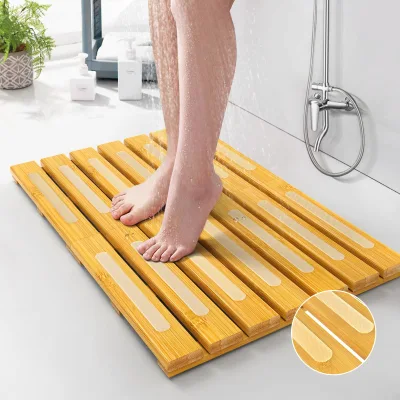
The foldable non slip bamboo bath mat features anti-slip properties to ensure safety in wet bathroom environments. Its non-woven textile construction and bamboo material provide stability and grip. The design is intended for use in bathtubs and showers, offering a secure surface that reduces the risk of slipping during daily use.