Source Food Dispensing Turntable Cat Toy for Cats, Rabbits, and Hamsters
Find 30 verified options for the Food Dispensing Turntable Cat Toy designed for interactive play and training. Compare features like eco-friendly materials, custom logos, and delivery times from suppliers in Zhejiang and Guangdong.
Key considerations
Products List


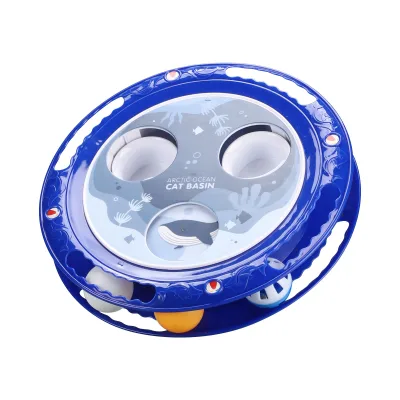
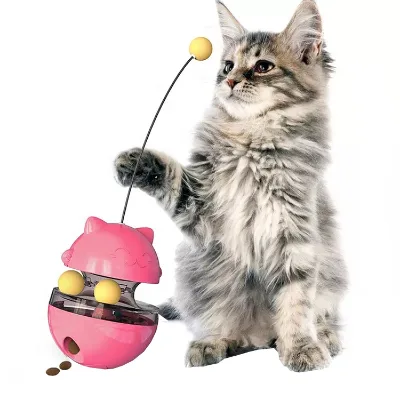
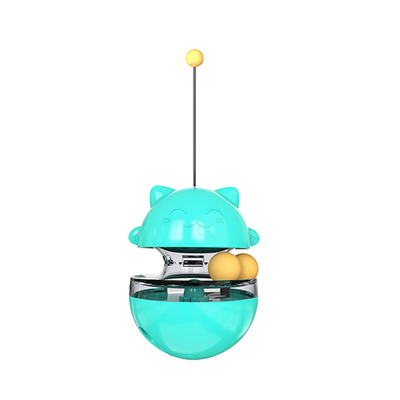
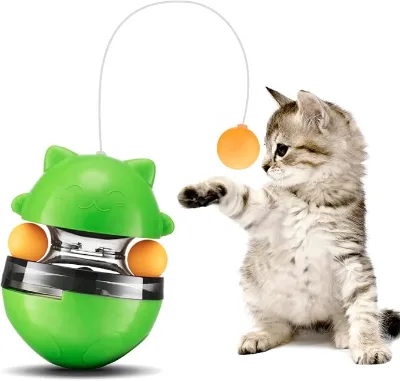


Hot Sale Feather Stick Cat Teaser Turntable Pet Toy Cat Turntab Automatic
$9.85 - $11.65
MOQ: 100 Pieces

Hot Cat Turntable Toys with Spring Plush Play Tray Self-Help Relief Bored Cat Toys
$1.30 - $1.92
MOQ: 100 Pieces

Hot Sell Cat Interactive Mouse Puzzle Toy Slow Food Feeder Treat Dispensing Cat Toys
$0.92 - $1.00
MOQ: 300 piece

Automatic Turntable Maze Box Cat Teaser Toys Interactive Rotating Feather
$5.96 - $6.50
MOQ: 100 Pieces

Wholesale Turntable Pet Feeder Toys Interactive Iq Training Dog Cat Food Dispenser
$6.10 - $6.65
MOQ: 100 Pieces


Wooden Turntable Cat Toy Pet Tableware Tumbler Missing Food Ball Pet Toy
$3.08 - $3.27
MOQ: 500 Pieces


Pet Supplies Puzzle Missing Food Dog Toy Turntable Cat Amusement Stick Pet Toy
$10.11 - $10.54
MOQ: 500 Pieces


Pet Supplies Funnuy Cat Toy Cat Food Dispenser with Circle Track Moving Turntable
$4.50 - $4.58
MOQ: 50 Pieces


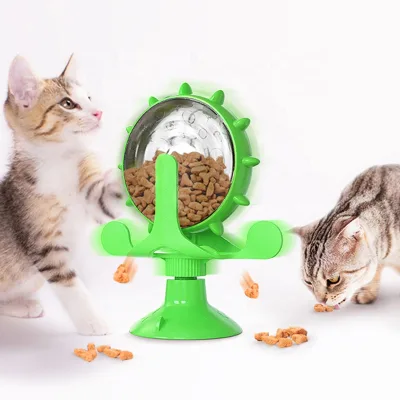
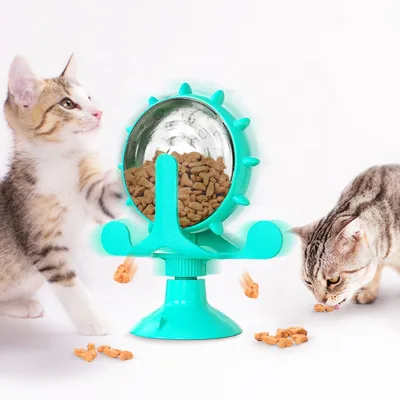

Cat Toy Funny Cat Stick Tumbler-Shaped Food Dispensing Toy Consumable Pet Supplies
$1.31 - $1.68
MOQ: 100 Pieces


Funny Pet Toy Ball with Cat Stick Leaking Toy Self-Playing Interactive Toys
$1.60 - $1.75
MOQ: 100 Pieces


Comprehensive Sourcing Guide
Strategic Sourcing Guide for Food Dispensing Turntable Cat Toys
Understanding Product Specifications and Functional Design
When sourcing food dispensing turntable cat toys, buyers must first establish a clear understanding of the technical specifications that define the product category. The core functionality of these items relies on a rotating mechanism designed to engage a cat's natural hunting instincts while dispensing treats or kibble. Based on observed market data, the physical dimensions of these toys vary significantly, with specific models measuring approximately 6.5 cm in diameter for compact versions, while others may reach dimensions such as 9.84 by 9.84 inches for larger play stations. The structural integrity of the turntable is critical; it must withstand repeated force from paws and teeth without deforming.
Material composition is a primary specification factor. The majority of high-volume suppliers utilize Polypropylene (PP) or general plastic formulations. These materials are selected for their durability and resistance to chewing, which is essential for products marketed as "Chew Toys" or "Puzzle Toys." The surface finish often features a solid pattern, though some variations may include cartoon or novelty designs to enhance visual appeal. The weight of a single unit typically ranges around 0.500 kg, a factor that influences shipping costs and the tactile experience for the end-user. Buyers should verify that the specified "Toy Size" aligns with the intended target audience, whether for small animals like hamsters and chinchillas or for larger breeds of cats and dogs. The "Single package size" is another critical metric for logistics, with standard dimensions often cited around 30x30x8 cm, which dictates the cubic volume required for container loading.
Compliance, Certification, and Safety Standards
In the B2B procurement of pet products, compliance is not merely a formality but a prerequisite for market access. The observed supply chain data indicates that reputable manufacturers often hold ISO certifications, which serve as a baseline for quality management systems. Furthermore, specific product lines may carry CE certification, indicating conformity with health, safety, and environmental protection standards for products sold within the European Economic Area. Buyers must rigorously verify these certifications for every batch, as the presence of one does not automatically guarantee the validity of another.
Safety standards for pet toys are particularly stringent due to the ingestion risks associated with food dispensing mechanisms. The materials used must be non-toxic and free from harmful chemicals. While the provided data confirms the use of plastic and PP, buyers should request specific material safety data sheets (MSDS) to ensure the plastics do not contain BPA or other hazardous additives. The "Eco-Friendly" attribute observed in several listings suggests a growing market trend toward sustainable manufacturing, but this claim requires verification against recognized environmental standards. Additionally, the "Customized" nature of these products means that any branding or logo printing must adhere to local regulations regarding ink safety and durability. The "Standard" dimensions listed, such as 25xH24cm or 54x42x30cm, serve as reference points for production consistency, but buyers should confirm that these measurements are maintained within tight tolerances to ensure the turntable mechanism functions correctly across all units.
Cost Drivers and Pricing Dynamics
The pricing structure for food dispensing turntable cat toys is influenced by a complex interplay of factors, including material costs, customization levels, and order volume. The observed price range in the market spans from $0.30 to $11.65 USD, a wide variance that reflects differences in product complexity, material quality, and branding. Lower-priced items typically correspond to simpler designs with minimal customization, often sold in bulk with basic packaging like OPP bags. Conversely, higher-priced units may feature advanced mechanisms, luxury styling, or specific OEM/ODM branding requirements.
Order Volume is a significant cost driver. The Minimum Order Quantity (MOQ) ranges from 1 to 2000 units, offering flexibility for small e-commerce startups while accommodating large-scale retailers. However, higher MOQs generally correlate with lower unit costs due to economies of scale in production and shipping. The "Commercial Buyer" profile identified as "E-commerce Stores" suggests that many suppliers are optimized for smaller, frequent orders rather than massive industrial shipments. Packaging costs also play a role; options range from simple single-piece packing to more elaborate setups involving tie-cards or bulk cartons containing 144 pieces. Buyers must calculate the total landed cost, including the "Single gross weight" of 0.500 kg per unit, to determine the most efficient shipping method. Additionally, the "Advantage: Fast Delivery" noted in some listings may come at a premium, requiring a trade-off analysis between speed and cost.
Typical Applications and Market Segmentation
The application scope for food dispensing turntable cat toys extends beyond simple entertainment. These products are designed to serve multiple functions, including "Fun Play," "Training," "Exercise," and "Anxiety Relief." The interactive nature of the turntable mechanism encourages physical activity, making these toys suitable for "All-Season" use. The "Applicable Pet" list is broad, covering cats, rabbits, chinchillas, hamsters, small animals, and dogs, which allows suppliers to target diverse market segments. However, the specific design must be validated for each species; a toy suitable for a cat may not be safe or effective for a rabbit.
The "Feature" set highlights key selling points such as "Boredom Buster" and "Durable," which are critical for pet owners seeking long-term solutions. The "Style" attributes, ranging from "Luxury" to "Casual" and "Modern," indicate that these toys are marketed not just as functional tools but as lifestyle accessories. The "Holiday" and "Daily" usage tags suggest that these products are positioned for year-round sales, with potential spikes during holiday seasons. For e-commerce buyers, understanding that the "Product Name" often includes specific descriptors like "Simple Cat Toy" or "Cat Food Training" helps in optimizing search engine visibility and product categorization. The "Usage" of "Playing Cat Toys" is the primary driver, but the secondary benefit of "Training" adds value for owners looking to manage their pet's diet and behavior.
Supplier Evaluation and Operational Capabilities
Evaluating suppliers for this product category requires a focus on operational reliability and customization capabilities. The data indicates that "OEM/ODM" services are available, allowing buyers to create private label products. However, the "Customization" attribute also includes options for "Logo Printing," which can be "Without Logo Printing" or "Accept Customized Logo." Buyers must clarify their requirements early to avoid production delays. The "Place of Origin" is predominantly in China, specifically Zhejiang and Guangdong provinces, which are known hubs for plastic manufacturing and pet product assembly.
Lead times are a critical factor in supplier selection. Observed delivery times vary from 3-7 days for ready-stock items to 40-50 days for customized orders. This disparity highlights the importance of aligning order timing with inventory needs. A supplier offering "Fast Delivery" may be ideal for urgent restocking, but buyers should verify if this applies to standard SKUs only. The "prod_packing" details, such as "1PCS/Packing" or "Each W/Tiecard," indicate the level of preparation required before shipping. Suppliers with robust quality control processes will ensure that the "Single package size" remains consistent, preventing damage during transit. Buyers should also assess the supplier's ability to handle the "Commercial Buyer" profile of e-commerce stores, which often requires flexible shipping solutions and responsive customer service.
Quality Control and Long-Term Procurement Considerations
Implementing a rigorous quality control (QC) protocol is essential for maintaining brand reputation in the pet toy sector. Given the "Eco-Friendly" and "Durable" claims, buyers should conduct regular inspections to verify material integrity and mechanical function. The "Toy specification" of "Not Applicable" for some generic listings suggests that buyers must define their own specifications for critical parameters like turntable rotation speed and treat dispensing volume. Visual inspections should check for sharp edges, loose parts, or color inconsistencies, as the "Color" options like "Light Blue" and "Blue" must be consistent across batches.
Long-term procurement strategies should focus on building relationships with suppliers who demonstrate stability and compliance. The "Standard" dimensions and "Model Number" consistency (e.g., YT136800, YT80957, AD000134) are vital for maintaining product identity over time. Buyers should establish clear communication channels regarding changes in "prod_standard" or "prod_origin" to ensure that any shifts in manufacturing location do not compromise quality. The "Feature" of "Anxiety Relief" implies a psychological component to the product, meaning that the toy must remain engaging over time. Regular audits of the supplier's production line can help ensure that the "Advantage: Fast Delivery" does not come at the expense of quality. Finally, buyers should monitor the "Selling Units" strategy to ensure that the "Single item" packaging aligns with retail expectations and customer satisfaction metrics.
FAQs
What materials are used for food dispensing turntable cat toys?
These toys are primarily constructed from plastic or Polypropylene (PP) to ensure durability and safety. The material choice supports their classification as chew toys and puzzle toys suitable for various small animals including cats and dogs.
Which certifications do manufacturers typically hold for these products?
Reputable suppliers often hold ISO certifications for quality management and CE certification for European safety standards. Buyers should verify these specific credentials to ensure compliance with health and environmental protection regulations.
How long does delivery take for customized orders?
Customized orders generally require a lead time of 40 to 50 days for production and shipping. In contrast, ready-stock items may be delivered within 3 to 7 days depending on supplier capacity and location.
Can buyers request custom logos on these toys?
Yes, OEM and ODM services are available, allowing for customized logos and branding on the products. Buyers must specify their requirements early as some listings offer options without logo printing while others accept custom designs.
What is the typical price range for these cat toys?
The observed market price ranges from 0.30 to 11.65 USD per unit depending on complexity and customization. Lower prices usually correspond to simpler designs with basic packaging, while higher costs reflect advanced features or luxury styling.
Where are these toys typically manufactured?
Manufacturing is concentrated in China, specifically in the Zhejiang and Guangdong provinces. These regions are known hubs for plastic manufacturing and pet product assembly, offering a wide variety of suppliers for this product category.