Source Food Grade Moisturizing Essential Oil for Skin, Body, and Hair
Explore 30 listings for Food Grade Moisturizing Essential Oil suitable for cosmetic raw materials and daily life applications. Buyers can compare specifications, MOQs, and certifications like MSDS and GMP to find the right supplier for their needs; compare the available evidence and request quotations based on your requirements.
Key considerations
Products List




Comprehensive Sourcing Guide
Food Grade Moisturizing Essential Oil Sourcing Guide
Sourcing food-grade moisturizing essential oils requires a nuanced understanding of dual-use compliance, as these ingredients often bridge the gap between cosmetic formulations and dietary supplements. Buyers must distinguish between products intended for topical application on the skin and those approved for internal consumption, as regulatory standards for purity, heavy metals, and microbial limits differ significantly between these categories. The observed market signals indicate a wide variance in product grades, ranging from standard cosmetic raw materials to specific food-grade classifications, necessitating careful verification of the intended end-use before finalizing any procurement agreement.
The current landscape includes diverse offerings such as pure essential oils derived from leaves and oils formulated with specific moisturizing and whitening effects. Procurement teams should note that while some listings emphasize cosmetic benefits like anti-aging and hydration, others are explicitly labeled for digestive or metabolic system support. This divergence highlights the critical need to align supplier specifications with your final product’s regulatory pathway, ensuring that the raw material’s certified grade matches the legal requirements of your target market, whether it be the European Union, North America, or Asia.
Product Scope and Observed Listing Signals
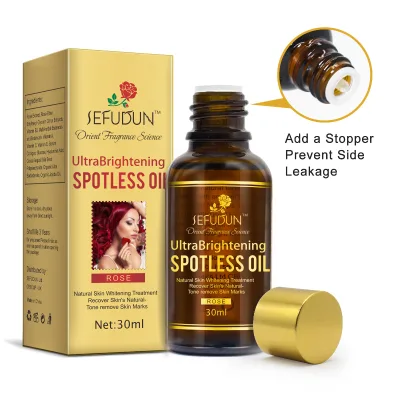
The observed product range spans from bulk liquid raw materials packaged in drums to smaller, consumer-ready units like 30ml serums and single-item packages. Listings frequently highlight attributes such as natural ingredients, lavender extracts, and specific effects including moisturizing, brightening, and whitening. Buyers should recognize that these feature sets often overlap, with some products marketed for daily life use and others for specialized cosmetic applications. Understanding this spectrum helps in identifying whether the supplier is a bulk chemical trader or a finished goods manufacturer, which impacts your negotiation leverage and quality control requirements.
Key observed specifications include model numbers such as 8008-26-2 and 8006-83-5, which may correspond to specific chemical identifiers or internal product codes. The presence of OEM and ODM services suggests that many suppliers are willing to customize formulations, packaging, and labeling to meet brand-specific needs. However, the variability in minimum order quantities, ranging from small batches of 10 pieces to large industrial orders of 50,000 units, indicates a fragmented supply chain. Procurement teams must assess their volume requirements against the supplier’s flexibility to avoid overstocking or facing production delays due to high MOQs.
Technical Specifications to Verify
Verification of purity levels is paramount, with observed listings citing 99% purity for certain raw materials. Buyers must confirm whether this purity refers to the essential oil content or the overall formulation, especially when dealing with blends that include carrier oils or synthetic additives. The distinction between "Food Grade B" and "Pure Essential Oil Grade A" is critical, as these designations imply different thresholds for contaminants and processing methods. Requesting detailed analytical certificates of analysis (COA) for each batch is essential to ensure that the technical specifications match the claims made in the product listing.
Storage and shelf-life parameters also require close attention, as observed data indicates self-lives ranging from two to three years when stored in cool, dry places. The physical form of the product, whether liquid or oil, affects transportation and handling requirements, with some items requiring ordinary goods trucks while others may need specialized logistics due to flammability or sensitivity. Buyers should verify the single gross weight and package dimensions to calculate accurate freight costs and warehouse space requirements, ensuring that the logistical plan aligns with the supplier’s packing standards, such as drum packaging for bulk orders.
Compliance and Safety Documentation
Safety data sheets (MSDS) are a common requirement, with many suppliers providing them alongside other certifications like CE, GMP, and EEC compliance. These documents are vital for assessing the chemical hazards and handling instructions associated with the essential oils. Buyers must ensure that the MSDS accurately reflects the specific formulation being supplied, as generic documents may not cover unique blends or additives. Cross-referencing these documents with local regulatory requirements is necessary to avoid compliance issues during customs clearance or product registration in the destination market.
Certifications such as GMP and CE indicate adherence to manufacturing quality standards, but buyers should verify the scope of these certifications to ensure they cover the specific product lines of interest. The presence of multiple certifications suggests a robust quality management system, but it does not guarantee that every batch meets the same high standards. Procurement teams should request evidence of regular third-party testing and audit reports to validate the supplier’s claims. Additionally, understanding the regulatory status of ingredients like lavender in your target market is crucial to ensure that the product can be legally sold and marketed.
Cost Drivers and Commercial Terms
Pricing in this sector is influenced by the grade of the raw material, the complexity of the extraction process, and the volume of the order. Observed price ranges are broad, reflecting the diversity from basic cosmetic ingredients to specialized, high-purity essential oils. Buyers should analyze the cost structure to understand how factors like customization, private labeling, and packaging affect the final unit price. Negotiating volume discounts and understanding the payment terms can significantly impact the overall procurement cost, especially for large-scale orders.
Minimum order quantities (MOQs) vary widely, from small trial orders to substantial industrial commitments. High MOQs can tie up capital and increase storage costs, while low MOQs may come with higher per-unit prices. Buyers should evaluate their sales forecast and inventory management capabilities to determine the optimal order size. Additionally, considering the lead times and production capacity of the supplier is essential to ensure timely delivery, especially for time-sensitive product launches. Clear communication regarding shipping terms and responsibilities for import duties can also prevent unexpected costs.
Supplier Qualification and Quality Control
Evaluating supplier qualifications involves assessing their manufacturing capabilities, quality control processes, and track record in the industry. Buyers should prioritize suppliers who offer OEM and ODM services, as this indicates flexibility and a commitment to meeting specific client requirements. Verifying the supplier’s origin, such as Shanxi, China, can provide insights into the local supply chain and potential logistical advantages. Conducting on-site audits or requesting virtual tours can help assess the cleanliness and organization of the production facilities, which are critical for maintaining product integrity.
Quality control measures should include rigorous testing for contaminants, microbial loads, and chemical consistency. Buyers should establish clear acceptance criteria and request batch-specific test results before shipment. Implementing a robust incoming inspection process can help detect any discrepancies early, reducing the risk of receiving substandard materials. Building a long-term relationship with a reliable supplier can also facilitate better communication and quicker resolution of any quality issues that may arise during the procurement process.
Long-Term Procurement Checks
Sustaining a successful procurement strategy requires regular reviews of supplier performance and market trends. Buyers should monitor changes in regulatory requirements, especially regarding food-grade and cosmetic ingredients, to ensure ongoing compliance. Tracking price fluctuations and availability of key raw materials can help in planning future purchases and mitigating supply chain risks. Maintaining open communication with suppliers about market developments and product innovations can also provide opportunities for cost savings and product improvement.
Continuous improvement in quality control processes is essential to maintain product standards and customer satisfaction. Buyers should periodically re-evaluate their supplier base to ensure they are working with the most capable and reliable partners. Investing in training for procurement and quality assurance teams can enhance their ability to identify and address potential issues proactively. By staying informed and adaptable, buyers can navigate the complexities of the essential oil market and secure a steady supply of high-quality, compliant products.
FAQs
What certifications support Food Grade Moisturizing Essential Oil quality?
Listings on this page show certifications including MSDS, and some products reference CE, GMP, EEC, and CE / EU. Certification coverage varies by listing, so buyers should confirm which certificates apply to the specific essential oil before ordering. Requesting copies of current certificates from the supplier helps verify food grade status for your intended application and market.
Can I order Food Grade Moisturizing Essential Oil in small quantities?
Yes, minimum order quantities vary across listings. Some bulk oil products list an MOQ of 25kg, while packaged 30ml essential oil products can start from 10pcs, and other items show MOQs from 1 to 50000 units. Confirm the exact MOQ with the supplier for the specific product, packaging, and customization level you need before placing an order.
How should Food Grade Moisturizing Essential Oil be stored after delivery?
Store the oil in a cool, dry place away from direct sunlight and heat sources. Listed shelf life is two years for some oils and three years for others, so check the specification of your chosen product. Keep drums or retail packaging sealed when not in use, and follow any additional handling instructions provided on the product documentation.
Which product specifications are available for this essential oil category?
Listed products reference specification models such as 8008-26-2, 8006-83-5, and 8001-26-1, with purity around 99 percent and liquid form packed in drums. Some listings describe pure essential oil grade A material derived from leaves, while others are oil-based raw materials at food grade B. Verify the exact model, grade, and purity that matches your formulation requirements with the supplier.
Can suppliers provide customization for Food Grade Moisturizing Essential Oil products?
Yes, customization is listed as available, and several products offer OEM, ODM, and private label services. This can cover packaging formats, labeling, and formulation presentation for buyers in cosmetic raw material and daily life applications. Discuss your requirements, artwork files, and expected order volume with the supplier early, since customized orders may carry different minimum quantities and timelines.
How is Food Grade Moisturizing Essential Oil packed and shipped?
Bulk listings describe drum packaging with liquid product transported by ordinary goods truck from China, including Shanxi origin for some items. Retail-oriented listings offer 30ml bottles, sold as single items, with small package sizes around 2 by 2 by 2 centimeters and gross weight of about 0.120 kg. Confirm packing details, shipping method, and freight terms with the supplier for your order size.