Source Food Grade OPP Triangular Bags for Agriculture, Pharma, and Food
Compare 30 listings for Food Grade OPP Triangular Bags designed for agriculture, pharmaceutical, and food applications. Buyers can evaluate customization options, material layers like VMPET, and sealing methods to find suitable packaging solutions.
Key considerations
Products List
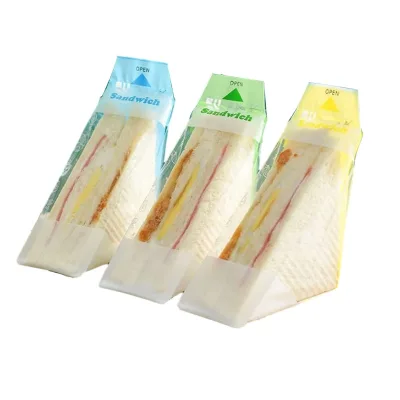
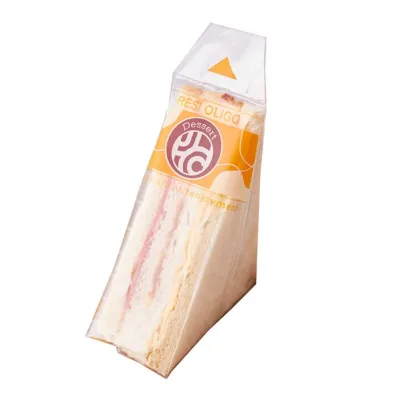


Custom 2.3-2.5micron Transparent Plastic OPP Bags with Adhesive Packaging Bag
$0.01 - $0.10
MOQ: 100000 Pieces

China Wholesale Plastic Self Adhesive Transparent OPP Bag for Packing
$0.01 - $0.10
MOQ: 100000 Pieces


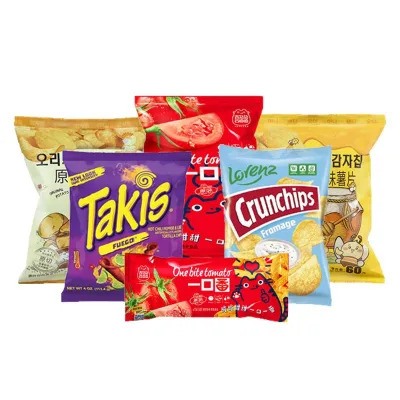


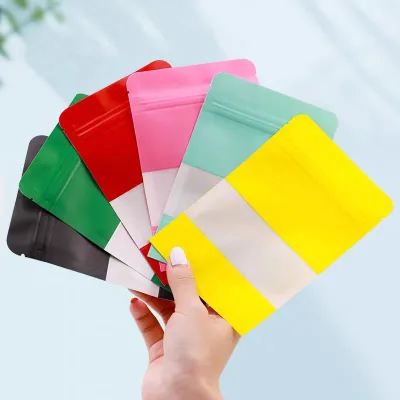
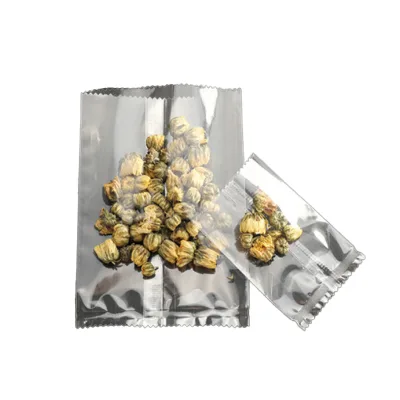
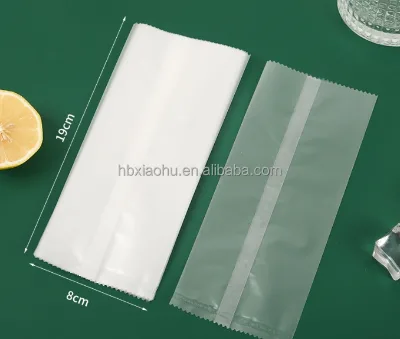
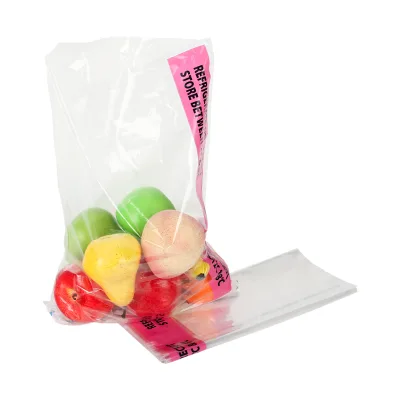


Comprehensive Sourcing Guide
Strategic Sourcing Guide for Food Grade OPP Triangular Bags
Understanding the Technical Architecture of Triangular Packaging
The procurement of food-grade OPP triangular bags requires a deep understanding of the composite materials that define their structural integrity and barrier properties. In the current market, these bags are frequently engineered as composite packaging solutions rather than single-layer films. The observed material composition often includes a combination of Matt OPP, VMPET (Vacuum Metallized Polyester), and PE (Polyethylene). This multi-layer structure is critical because the VMPET layer serves as a functional barrier against moisture, oxygen, and light, while the Matt OPP provides the necessary printability and the PE layer ensures a reliable heat seal. The hardness of these materials is generally characterized as soft, which allows for flexibility in handling and filling processes, particularly for products like washing powder, milk powder, or dry snacks.
The physical dimensions of these bags are not uniform across all suppliers. Specifications indicate a thickness range of 50 to 200 microns, a variable that directly impacts the bag's durability and resistance to tearing. Buyers must verify the specific micron count required for their product weight, as the observed weight limit for certain configurations is under 5 kg. The shape is defined as a three-dimensional or shaped bag, often featuring side gussets to allow the bag to stand upright. The sealing method is typically a flat bag packaging approach utilizing heat seal technology compatible with LDPE layers. This ensures that the seal remains intact during transport and storage, preventing leakage of fine powders or granular items.
Compliance and Certification Verification Protocols
When sourcing food-grade packaging, the verification of certifications is the most critical step to ensure regulatory compliance and consumer safety. The supply chain for these bags often references FDA certification as a baseline standard for food contact safety. However, buyers must treat this as an observation of available capabilities rather than a universal guarantee for every listed product. It is essential to request current, valid certification documents for the specific batch of bags being purchased. The raw materials used, such as the Matt OPP and VMPET layers, must be explicitly confirmed as food-grade to prevent chemical migration into the packaged goods.
Beyond FDA, the industrial use cases for these bags span Agriculture, Apparel, and Pharmaceutical sectors, in addition to Food. This versatility implies that the manufacturing standards must be robust enough to meet diverse regulatory environments. For food applications, the bags must demonstrate features such as moisture proofing, shock resistance, and antistatic properties. These features are not merely marketing terms but functional requirements to protect the integrity of the contents, especially for items like sugar, chocolate, cookies, and seasonings. Buyers should verify that the "Food Grade" claim is supported by specific material safety data sheets (MSDS) and that the printing inks used, which can go up to 8 colors in gravure printing, are compliant with food safety regulations.
Cost Drivers and Pricing Structure Analysis
The pricing structure for Food Grade OPP Triangular Bags is influenced by a complex interplay of material costs, customization levels, and order volume. The observed price range in the market is vast, spanning from $0.01 to $2080, which reflects the difference between single-unit samples, small promotional runs, and large-scale industrial orders. The Minimum Order Quantity (MOQ) is equally variable, ranging from 1 unit to 500,000 units. This wide range indicates that buyers can source small quantities for testing or promotional purposes, but the unit cost will likely be higher for smaller batches.
Several specific factors drive the cost of these bags. First, the complexity of the printing process is a significant cost driver. The availability of 8-color gravure printing allows for high-quality branding but adds to the setup and production costs compared to single-color or unprinted bags. Second, the customization of the bag size and design is a major variable. While standard sizes exist, the ability to offer custom sizes and designs, often labeled as "Customized" models, incurs additional tooling and setup fees. Third, the inclusion of specific features such as ties, side gussets, or special barrier layers increases the material cost. Finally, the packaging method for the finished goods, whether in carton packing or specific box quantities like 2000 pieces per box, affects the logistics and handling costs. Buyers should anticipate that higher customization and stricter certification requirements will push the price toward the upper end of the observed spectrum.
Typical Applications and Functional Use Cases
The versatility of Food Grade OPP Triangular Bags makes them suitable for a wide array of applications beyond simple food storage. The observed industrial uses include Agriculture, Apparel, and Pharmaceutical sectors, highlighting their adaptability. In the food industry specifically, these bags are designed for products such as washing powder, milk powder, detergents, oats, oatmeal, sugar, snacks, chocolate, cookies, and various seasonings. The three-dimensional shape and side gussets allow for efficient stacking and display, making them ideal for retail environments.
The functional requirements vary significantly based on the product being packaged. For powders like milk or washing powder, the bag must offer excellent moisture proofing and a strong seal to prevent clumping or contamination. For items like snacks or chocolate, the antistatic and shock resistance features are crucial to prevent breakage and maintain product quality during transit. The transparency of the bags allows for product visibility, which is a key selling point for promotional items. Additionally, the bags are often designed with a "Disposable" feature, indicating they are intended for single-use scenarios where hygiene and convenience are paramount. The application extends to promotion, where the high-quality 8-color gravure printing allows for vibrant branding that enhances product appeal on the shelf.
Supplier Evaluation and Selection Criteria
Selecting the right supplier for Food Grade OPP Triangular Bags requires a rigorous evaluation process that goes beyond price comparison. Buyers should prioritize suppliers who demonstrate a clear capability for customization, as the market offers "Customized" models and "Your Bag" options. The presence of "Customization: Available" as a standard attribute suggests that most suppliers can adapt to specific design needs, but the extent of this capability varies. Buyers must verify the supplier's ability to handle the full range of specifications, from the 50-200 micron thickness to the specific 8-color gravure printing requirements.
The origin of the products is another critical factor. The observed data indicates that these bags originate from China, a major hub for packaging manufacturing. While this offers competitive pricing, buyers must ensure that the supplier has a robust quality control system in place to maintain consistency. The supplier's ability to provide "With Logo Printing" and "Custom Size and Design" services is a strong indicator of their technical proficiency. Furthermore, the supplier should be able to accommodate various packing methods, such as carton packing or specific box quantities, to match the buyer's logistics needs. It is advisable to request samples that match the exact specifications of the intended order to verify the material quality, print fidelity, and seal strength before committing to a large order.
Quality Control and Long-Term Procurement Strategy
Implementing a robust quality control (QC) strategy is essential for maintaining the integrity of Food Grade OPP Triangular Bags. The QC process should begin with the verification of raw materials, ensuring that the Matt OPP, VMPET, and PE layers meet the specified food-grade standards. Buyers should conduct regular tests for moisture proofing, shock resistance, and antistatic properties to ensure the bags perform as expected under various conditions. The thickness of the bag, ranging from 50 to 200 microns, must be consistently measured to prevent defects that could lead to product spoilage.
For long-term procurement, buyers should focus on building a relationship with suppliers who offer "Customize Orders: Welcome" and can maintain consistent quality over time. The ability to produce bags with "Good Barrier and Strength" is a key indicator of a reliable supplier. Buyers should also consider the lead times and production capacity, especially when dealing with large MOQs up to 500,000 units. Establishing clear communication channels regarding specifications, such as the "18*28+8cm" standard or custom dimensions, will help avoid misunderstandings. Finally, buyers should regularly review the supplier's certification status and compliance with food safety standards to ensure ongoing adherence to regulatory requirements. By prioritizing these factors, buyers can secure a reliable supply chain for their food grade OPP triangular bag needs.
Comparative Analysis of Bag Specifications
To facilitate better decision-making, the following table compares key specifications observed in the market for Food Grade OPP Triangular Bags. This comparison highlights the variability in models and features that buyers should consider when selecting a supplier.
| Feature Category | Standard Model (e.g., FK-012) | Customized Model (e.g., Oats/Oatmeal) | Promotional Model |
|---|---|---|---|
| Material Composition | Matt OPP/VMPET/PE | Composite Packaging Bag | OPP Treat Bags |
| Thickness Range | 50-200 microns | Variable (Custom) | Variable |
| Printing Capability | 8 Colours Gravure Printing | 8 Colours Gravure Printing | With Logo Printing |
| Shape/Structure | Three-Dimensional Bag | Three-Dimensional Bag | Shaped Bag |
| Sealing Method | Heat Seal (LDPE) | Heat Seal | Flat Bag Packaging |
| Weight Limit | <5 kg | <5 kg | Variable |
| Certification | FDA (Verify per batch) | FDA (Verify per batch) | FDA (Verify per batch) |
| Packing | Carton Packing | Carton | 2000PCS/Box |
| MOQ Range | 1-500,000 | 1-500,000 | 1-500,000 |
This table illustrates that while the core material and printing capabilities remain consistent across different models, the specific dimensions, weight limits, and packing configurations can vary significantly. Buyers should use this comparison to align their specific product requirements with the appropriate model type offered by their supplier.
FAQs
What materials are used for Food Grade OPP Triangular Bags?
These bags typically use a composite structure of Matt OPP, VMPET, and PE layers. This combination provides moisture proofing and shock resistance while ensuring the material remains soft for flexible handling during filling processes.
Can I order custom sizes and designs for these bags?
Yes, customization is available with options for custom sizes and designs. Buyers can request specific dimensions like 18*28+8cm or fully tailored models, though setup fees may apply for non-standard requests.
What is the minimum order quantity for these packaging bags?
The minimum order quantity ranges from 1 unit to 500,000 units depending on the supplier. Smaller batches are suitable for testing or promotion, while larger volumes are required for industrial applications.
Which certifications are available for Food Grade OPP Triangular Bags?
FDA certification is available as a baseline standard for food contact safety. Buyers should verify specific batch documents to ensure the Matt OPP and VMPET layers meet current food-grade regulatory requirements.
How thick are the Food Grade OPP Triangular Bags available?
The thickness typically ranges from 50 to 200 microns. This variation impacts durability and weight limits, which are generally observed to be under 5 kg for standard configurations.
What printing options are available for these triangular bags?
Eight-color gravure printing is available for high-quality branding. This allows for detailed logos and designs, ensuring vibrant product visibility for promotional items and retail packaging applications.