Source Food Grade Sweet Orange Terpenes for Flavor, Fragrance, and Industrial Use
Find 13 listings for Food Grade Sweet Orange Terpenes from Chinese suppliers. Compare specifications including 98-99% purity, CAS 68647-72-3, and packaging options like drums and bags. Evaluate delivery times and certifications such as COA and MSDS for your sourcing needs.
Updated
Key considerations
Products List



Comprehensive Sourcing Guide
Food Grade Sweet Orange Terpenes Sourcing Guide
Sourcing Food Grade Sweet Orange Terpenes requires careful attention to the specific chemical profile and intended application within flavor formulations. These intermediates are primarily derived from citrus biological sources, offering a fresh, juicy, and sweet orange odor that is essential for creating authentic citrus notes in various products. Buyers must distinguish between natural and synthetic variants, as the origin significantly impacts regulatory acceptance and sensory performance. The observed market listings indicate a strong presence of products labeled as flavor and fragrance intermediates, with some explicitly categorized under natural flavor profiles while others are marked as synthetic. This distinction is critical for procurement teams aiming to meet clean-label trends or specific regulatory requirements in different global markets.
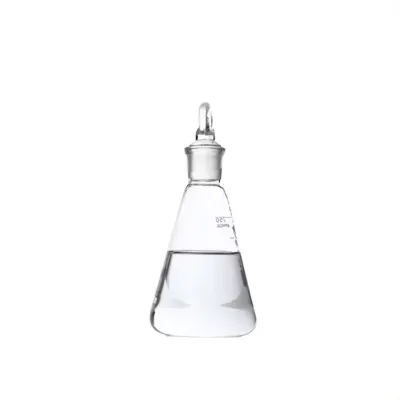
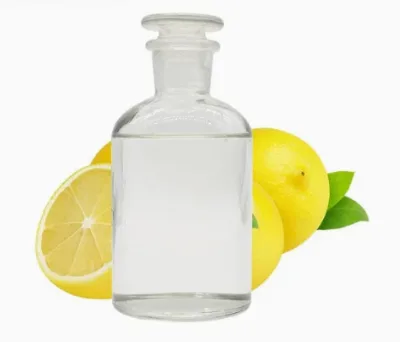
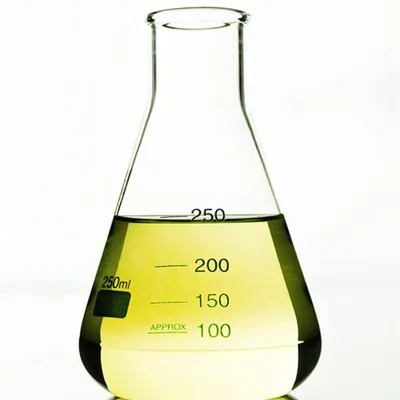
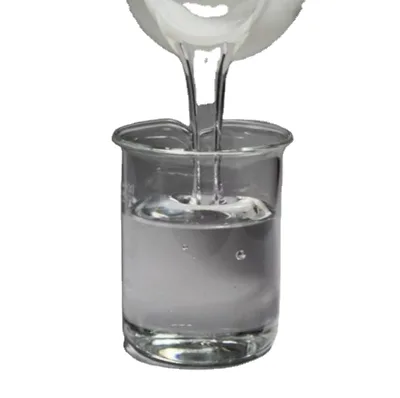
The physical characteristics of these terpenes typically include a colorless liquid appearance, which is standard for high-purity extracts. Procurement specialists should verify the flash point, which is observed around 115 F, to ensure safe handling and storage protocols are in place. Additionally, the refractive index and density values serve as key identifiers for quality control during incoming inspections. Understanding these baseline physical properties helps buyers assess the authenticity of the product against technical data sheets. It is also important to note that while many suppliers offer customization, the core product remains a vital component in daily, food, and industrial flavor applications, necessitating strict adherence to purity standards to avoid off-notes in final consumer goods.
Product Scope and Observed Listing Signals
The current market landscape for sweet orange terpenes shows a diverse range of offerings, with observed prices varying significantly from low-cost industrial grades to premium food-grade options. Listings frequently highlight customization availability, allowing buyers to tailor specifications for specific flavor profiles or regulatory needs. The observed minimum order quantities range from small trial sizes of 1 kg to larger industrial drums, catering to both R&D prototyping and mass production requirements. Buyers should note that while some products are marketed with high purity claims, others may be intended for broader industrial use, making it essential to cross-reference the grade standard with the intended application. This variability underscores the need for precise specification matching to avoid procurement errors.
Packaging options observed in the market include drums and bags, with common weights such as 25 kg or 170 kg per unit. This flexibility in packaging supports various logistical needs, from small-batch manufacturing to large-scale industrial operations. The presence of multiple brand names, including Gree and ALFA, indicates a competitive supplier base, though buyers should not assume uniform quality across all brands. Delivery times also vary, with some suppliers offering rapid turnaround of 3-5 days and others requiring 7-10 days. These commercial signals provide valuable insights into supplier capacity and responsiveness, helping procurement teams align their inventory planning with supplier lead times. Understanding these listing signals is crucial for building a reliable and cost-effective supply chain.
Technical Specifications to Verify
Verifying technical specifications is paramount when sourcing sweet orange terpenes to ensure consistency and performance in final applications. Key parameters to confirm include the CAS number, which is typically 68647-72-3 or related variants, and the EINECS number for regulatory compliance. Buyers should also check the boiling point, which is observed around 176 °C, and the density, typically 0.84 g/mL at 25°C, to validate product identity. The refractive index, often cited as n20/D 1.472, serves as another critical identifier for quality assurance. These physical constants must match the supplier’s technical data sheet to prevent discrepancies in flavor formulation. Any deviation in these values could indicate impurities or incorrect product substitution, which can compromise the integrity of the final flavor profile.
Purity levels are another critical specification, with observed claims ranging from 98% to 99%. Buyers must verify these percentages through independent testing or supplier-provided certificates of analysis. The grade standard is equally important, with products available in food grade, industrial grade, and spice grade variants. Ensuring the correct grade is selected based on the end-use application is essential for regulatory compliance and safety. Additionally, the model number or product code, such as GR1797 or Flavor & Fragrance Intermediates, should be used to track specific batches. Consistency in these technical details across orders is vital for maintaining product quality and meeting customer expectations. Procurement teams should establish clear acceptance criteria for these specifications to streamline the verification process.
Compliance and Safety Documentation
Compliance and safety documentation are non-negotiable elements in the procurement of Food Grade Sweet Orange Terpenes. Buyers must request Certificates of Analysis (COA) and Material Safety Data Sheets (MSDS) from all suppliers to verify product safety and quality. These documents provide essential information on chemical composition, handling precautions, and regulatory status. The presence of these certifications indicates a supplier’s commitment to transparency and adherence to industry standards. Procurement teams should ensure that the COA includes test results for key parameters such as purity, heavy metals, and microbial limits. This documentation is crucial for internal quality control and for meeting regulatory requirements in target markets.
In addition to COA and MSDS, buyers should verify the shelf life of the product, which is typically observed as 2 years. Proper storage conditions, such as a cool and dry place, must be communicated to ensure product stability over time. The FEMA number, such as 4850 for Orange Terpenes, is another important identifier for regulatory compliance in flavor applications. Buyers should also check for any additional certifications or standards that may be relevant to their specific industry, such as ISO standards. While some background information mentions ISO 7355:2011 or ISO 3140:2011, these should be verified for direct applicability. Ensuring comprehensive documentation helps mitigate risks associated with non-compliance and supports smooth customs clearance and market entry.
Cost Drivers and Commercial Terms
Understanding the cost drivers and commercial terms is essential for effective budgeting and negotiation in the procurement of sweet orange terpenes. The observed price range of 0.67 to 102.47 USD reflects significant variation based on purity, grade, and supplier location. Buyers should consider the origin of the product, with many listings indicating production in China, particularly in regions like Shandong and Henan. Logistics costs, including shipping and handling, can also impact the total landed cost. Negotiating favorable payment terms and volume discounts can help mitigate these expenses. Procurement teams should analyze the total cost of ownership, including storage and handling, rather than focusing solely on the unit price.
Commercial terms such as minimum order quantities (MOQ) and delivery times also play a crucial role in cost management. Observed MOQs range from 1 kg to 100 units, allowing for flexibility in order sizing. Delivery times vary from 3-5 days to 7-10 days, affecting inventory planning and cash flow. Buyers should align their order quantities with production schedules to minimize holding costs. Additionally, the availability of samples can be a valuable tool for evaluating product quality before committing to larger orders. Understanding these commercial dynamics enables procurement teams to optimize their sourcing strategy and achieve better cost efficiency. Clear communication of requirements and expectations with suppliers is key to establishing mutually beneficial terms.
Supplier Qualification and Quality Control
Supplier qualification and quality control are critical steps in ensuring the reliability and consistency of sweet orange terpene supplies. Buyers should conduct thorough due diligence on potential suppliers, verifying their manufacturing capabilities, quality management systems, and regulatory compliance. Requesting references and conducting site audits can provide valuable insights into a supplier’s operational standards. It is also important to assess their ability to provide consistent product quality across batches. Procurement teams should establish clear quality agreements that define acceptance criteria and remediation procedures for non-conforming products. This proactive approach helps mitigate risks associated with supply chain disruptions and quality issues.
Implementing robust quality control measures, such as incoming inspection and periodic testing, is essential for maintaining product integrity. Buyers should verify that suppliers provide batch-specific COAs and conduct independent testing on a regular basis. Monitoring key parameters such as purity, odor, and physical properties ensures that the product meets specified standards. Additionally, tracking supplier performance metrics, such as on-time delivery and defect rates, can help identify potential issues early. Building strong relationships with qualified suppliers fosters collaboration and continuous improvement. Procurement teams should regularly review supplier performance and update qualification criteria as needed to ensure ongoing compliance and quality assurance.
Long-Term Procurement Checks
Long-term procurement checks are necessary to maintain supply chain resilience and adapt to changing market conditions. Buyers should regularly review supplier performance and market trends to identify potential risks and opportunities. This includes monitoring price fluctuations, availability of raw materials, and regulatory changes that may impact sourcing strategies. Procurement teams should also assess the sustainability and ethical practices of their suppliers, as these factors are increasingly important to consumers and regulators. Establishing a diversified supplier base can help mitigate risks associated with single-source dependencies. Regular communication with suppliers and stakeholders ensures alignment on quality and delivery expectations.
Continuous improvement initiatives, such as value engineering and process optimization, can help reduce costs and enhance product quality over time. Buyers should explore opportunities for collaboration with suppliers to develop new products or improve existing formulations. Additionally, staying informed about industry best practices and technological advancements can provide competitive advantages. Procurement teams should regularly update their sourcing strategies to reflect changes in market dynamics and customer preferences. By maintaining a proactive and strategic approach to procurement, organizations can ensure long-term success and sustainability in their supply chains. Regular audits and reviews help identify areas for improvement and drive continuous value creation.
FAQs
What is the purity level of Food Grade Sweet Orange Terpenes?
The product purity is available at 98% or 99% depending on the specific batch and supplier. This high purity ensures suitability for daily flavor, food flavor, and industrial flavor applications while maintaining consistent quality standards.
How long is the shelf life of these orange terpenes?
The shelf life is two years when stored correctly in a cool dry place. Proper storage conditions are essential to maintain the fresh juicy sweet orange odor and ensure the product remains effective for its intended fragrance applications.
Can I get samples of Food Grade Sweet Orange Terpenes?
Samples are available for potential buyers to evaluate the product quality before placing a larger order. This allows customers to verify the colorless liquid appearance and citrus fragrance characteristics prior to committing to bulk purchases.
What is the minimum order quantity for these terpenes?
The minimum order quantity starts at 1 kilogram for single items. This low entry point facilitates testing for various buyers while larger drums or bags are available for bulk industrial and food flavor manufacturing needs.
Which certifications do these orange terpenes hold?
The product comes with Certificate of Analysis and Material Safety Data Sheet documentation. These documents verify the chemical identity and safety profile, ensuring compliance for use in daily flavor and industrial fragrance applications.
How fast can suppliers deliver Food Grade Sweet Orange Terpenes?
Delivery times typically range from 3 to 10 days depending on the specific supplier and location. This rapid turnaround supports urgent production schedules for manufacturers requiring fresh citrus terpene intermediates for their flavor formulations.
What packaging options are available for these terpenes?
Packaging includes drums, cardboard drums, and bags with weights ranging from 5kg to 25kg. Standard options often feature 25kg drums or bags, providing flexible solutions for different shipping requirements and storage capacities.