Source Food Grade Squid Ink Powder for Health and Colorants
Find 19 listings for Food Grade Squid Ink Powder from China. Compare specifications like 98-99% purity, black powder appearance, and ISO certification. Ideal for health care products and natural colorants; compare the available evidence and request quotations based on your requirements.
Updated
Key considerations
Products List
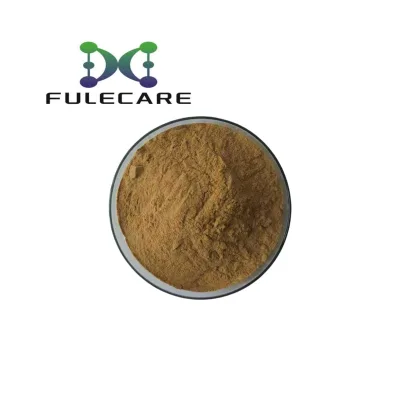
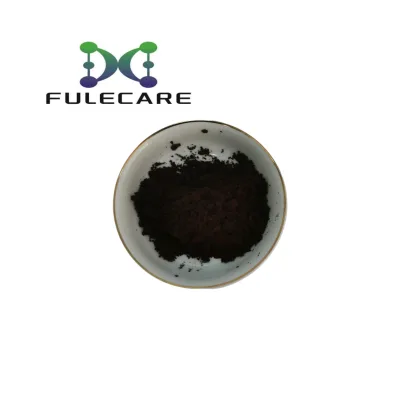


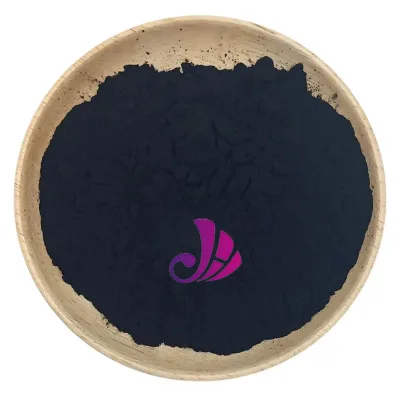
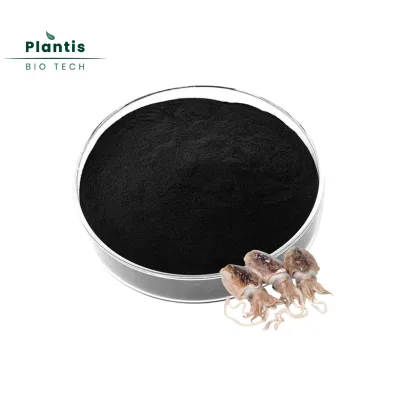
High Quality Food Additive Natural Black Colorant Squid Cuttlefish Ink Powder
$28.00 - $38.00
MOQ: 1 Minimum



Comprehensive Sourcing Guide
Food Grade Squid Ink Powder Sourcing Guide
Procuring Food Grade Squid Ink Powder requires a disciplined approach to verifying raw material integrity and processing standards. Buyers must distinguish between standard squid powder and specialized cuttlefish ink variants, as the source material significantly impacts color, solubility, and functional application. The observed market signals indicate a primary origin in Shaanxi, China, where manufacturers leverage local seafood resources to produce high-purity extracts. Understanding these geographic and material distinctions is the first step in establishing a reliable supply chain for health food and colorant applications.
Sourcing decisions should be guided by the specific physical attributes required for your final product, such as light brown powder for general squid extracts or black powder for ink-based colorants. The available data suggests that suppliers offer customization options and accept OEM/ODM requests, which is critical for brands seeking unique formulations. However, buyers must rigorously validate these claims against actual product specifications, ensuring that the grade, purity, and packaging align with your quality assurance protocols before committing to large-scale orders.
Product Scope and Observed Listing Signals
The current market landscape for squid ink powder reveals a diverse range of product variations, primarily categorized by appearance and source material. Listings indicate the presence of light brown squid powder and black cuttlefish ink powder, both derived from marine sources like squid and cuttlefish. These products are marketed under various brand names, including Fulecare and Herblink, with model numbers such as FL-Squid Powder and FL-Cuttlefish Ink Powder. Buyers should note that while the core ingredient is consistent, the visual and functional properties differ, necessitating careful selection based on end-use requirements.
Observed listing signals highlight that these products are generally classified as food grade and are suitable for health food and health care product applications. The solubility is noted as water-soluble, which is a critical factor for formulation in beverages, sauces, or dietary supplements. Additionally, the products are described as being in stock, suggesting immediate availability for smaller orders. However, the presence of multiple packaging formats, including bags, drums, and bottles, indicates that buyers must specify their preferred packaging to ensure compatibility with their storage and distribution infrastructure.
Technical Specifications to Verify
Technical verification must begin with the purity and specification levels, which are reported as 98% for squid powder and 99% for cuttlefish ink powder. Buyers should request detailed certificates of analysis to confirm these percentages, as they directly impact the potency and efficacy of the final product. The form is consistently listed as powder, but the particle size and flowability are not explicitly defined in the available data. Therefore, procurement teams should request samples to test physical properties, ensuring the powder integrates smoothly into their manufacturing processes without clogging or settling issues.
Storage conditions and shelf life are critical technical parameters that influence inventory management and product stability. The observed data indicates a shelf life of two years or 24 months, with storage recommendations ranging from cool, dry places to cool, dry, and clean environments. Buyers must ensure that their warehousing facilities meet these stringent conditions to prevent degradation of the active ingredients. Additionally, the single package size and gross weight data suggest that logistics planning should account for the specific dimensions and weight of the packaging, which can vary between drum and bag formats.
Compliance and Safety Documentation
Compliance verification is paramount when sourcing food grade ingredients, as regulatory standards vary significantly across different markets. The available context mentions ISO certification, which suggests a baseline level of quality management system adherence. However, buyers must verify if this certification extends to specific food safety standards, such as ISO 22000, which is referenced in the background context. It is essential to request current, valid certificates from the supplier, ensuring that the scope of certification covers the production of squid ink powder and that the issuing body is accredited by a recognized authority.
Safety documentation should also include detailed ingredient lists and allergen statements, as squid and cuttlefish are common allergens. Buyers must ensure that the supplier provides clear information on the ingredients, which are listed as cuttlefish ink or squid, to facilitate accurate labeling in the final product. Furthermore, the absence of specific test results in the provided data means that buyers should proactively request third-party lab reports for heavy metals, microbial contamination, and other contaminants. This due diligence is crucial to mitigate regulatory risks and ensure consumer safety.
Cost Drivers and Commercial Terms
Cost structures for squid ink powder are influenced by several factors, including the grade of the raw material, the purity level, and the packaging format. The observed minimum order quantity (MOQ) ranges from 1 kilogram to 1000 kilograms, indicating flexibility for both small-scale testing and large-volume production. Buyers should negotiate terms that align with their cash flow and inventory needs, considering that lower MOQs may come with higher per-unit costs. The availability of samples is a positive indicator, allowing buyers to assess quality before committing to larger purchases, which can reduce the risk of costly mismatches.
Commercial terms also encompass payment methods, lead times, and shipping responsibilities, which are not explicitly detailed in the provided data. Buyers should clarify these terms early in the negotiation process to avoid unexpected delays or expenses. The mention of OEM/ODM acceptance suggests that customization may incur additional costs, which should be factored into the total cost of ownership. Additionally, the single item selling unit and various packaging options imply that buyers should calculate the total landed cost, including freight and insurance, to make informed procurement decisions.
Supplier Qualification and Quality Control
Supplier qualification requires a thorough assessment of the manufacturer’s capabilities and quality control processes. The observed data indicates that manufacturers like Herblink and Fulecare are active in this space, but buyers must verify their production capacity and consistency. Requesting a facility audit or a virtual tour can provide insights into the hygiene standards and processing equipment used. This step is crucial to ensure that the supplier can maintain the high standards required for food grade ingredients, particularly regarding cross-contamination prevention and batch-to-batch consistency.
Quality control protocols should be established through clear agreements on inspection criteria and acceptance standards. Buyers should define acceptable ranges for appearance, color, and solubility, and request that the supplier conduct pre-shipment inspections. The availability of customization options suggests that suppliers are willing to adapt to specific buyer requirements, but this must be backed by robust quality assurance systems. Establishing a clear communication channel for addressing quality issues and defining remediation steps is essential for maintaining a reliable supply chain and ensuring long-term partnership success.
Long-Term Procurement Checks
Long-term procurement success depends on continuous monitoring of supplier performance and market dynamics. Buyers should establish key performance indicators (KPIs) related to delivery times, product quality, and responsiveness to issues. Regular reviews of these metrics can help identify potential problems early and allow for corrective actions. Additionally, staying informed about changes in regulatory requirements and industry standards is crucial, as the food ingredient market is subject to frequent updates. Proactive engagement with suppliers can help ensure that they remain compliant and competitive.
Building a resilient supply chain also involves diversifying sources and maintaining strategic relationships with multiple suppliers. While the current data points to suppliers in Shaanxi, China, buyers should consider exploring other regions to mitigate geopolitical or logistical risks. Regularly updating the supplier database and conducting periodic re-qualifications can help maintain a pool of vetted partners. Finally, fostering open communication and collaborative problem-solving with suppliers can lead to continuous improvement and innovation, benefiting both parties in the long run.
FAQs
What is the appearance of Food Grade Squid Ink Powder?
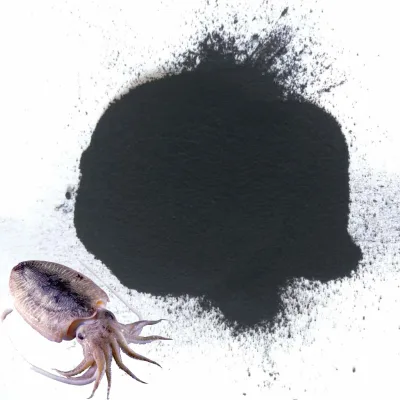
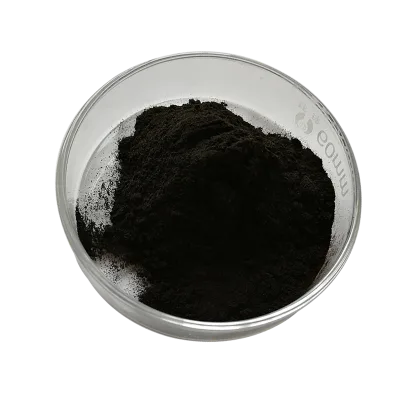
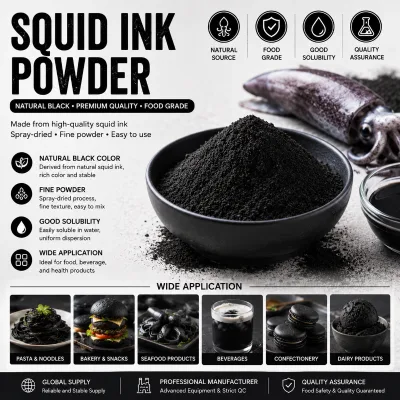
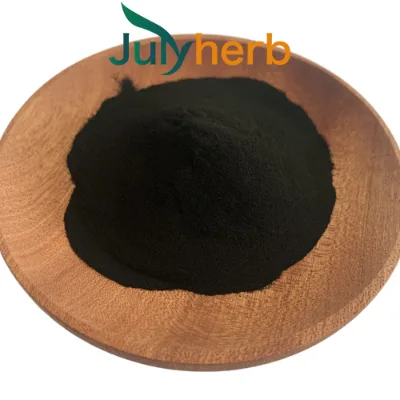
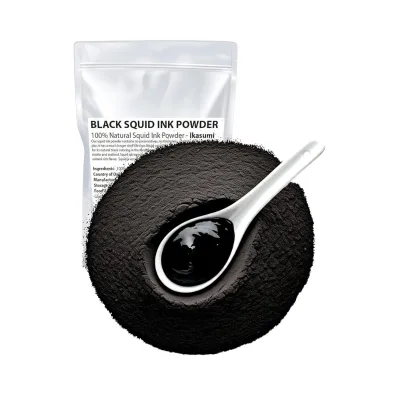
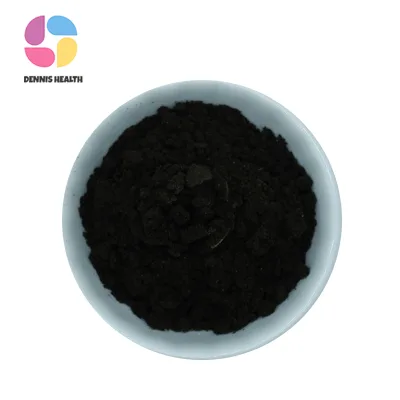
The product appears as a light brown or black powder depending on the specific variant. One listing describes a light brown powder with a 98% specification, while another identifies a black powder variant with a 99% specification. Both forms are derived from squid or cuttlefish sources and are suitable for use in health food applications.
Can I order samples of Food Grade Squid Ink Powder?
Samples are available for this product line. The supplier indicates that sample acquisition is possible for potential buyers. This allows purchasers to verify the powder quality, solubility, and packaging integrity before committing to larger bulk orders. Buyers should contact the vendor directly to arrange sample shipment details.
What is the minimum order quantity for this powder?
The minimum order quantity is 1 kilogram. This low MOQ allows buyers to test the product with minimal initial investment. The supplier accepts orders starting from this single kilogram threshold, making it accessible for small-scale health food manufacturers or researchers who need to evaluate the ingredient before scaling up production.
How should Food Grade Squid Ink Powder be stored?
Store the powder in a cool, dry, and clean place. Some specifications also recommend keeping it in a dark environment to maintain stability. Proper storage ensures the product retains its quality throughout its two-year shelf life. Avoid exposure to moisture and direct sunlight to prevent degradation of the active ingredients in the powder.
What certifications does the Food Grade Squid Ink Powder have?
The product holds ISO certification. This indicates that the manufacturing process adheres to recognized quality management standards. The powder is classified as food grade, ensuring it meets safety requirements for use in health care products and food applications. Buyers can rely on this certification as a baseline for quality assurance in their sourcing decisions.
Is customization available for Food Grade Squid Ink Powder orders?
Customization is available for this product. The supplier accepts OEM and ODM requests, allowing buyers to tailor the product to specific needs. This flexibility supports various packaging requirements and potential formulation adjustments. Buyers seeking specific branding or specialized product configurations can discuss their requirements directly with the manufacturer to achieve the desired outcome.