Source For Benz Auto Air Filter for Engine, Cabin, and Industrial Use
Find and compare 30 available options For Benz Auto Air Filter designed for engine intake, cabin ventilation, and industrial applications. Evaluate specifications such as filtration efficiency, material composition, and OEM compatibility to select the right component for your sourcing needs.
Key considerations
Products List



Comprehensive Sourcing Guide
For Benz Auto Air Filter Sourcing Guide
Sourcing replacement air filters for Mercedes-Benz vehicles requires a disciplined approach that balances OEM compatibility with commercial viability. The automotive aftermarket is saturated with options, but not all listings provide the transparency needed for reliable B2B procurement. Buyers must navigate a landscape where product attributes are often presented as universal truths rather than specific observations for individual SKUs. This guide provides a structured framework for evaluating suppliers, verifying technical specifications, and ensuring that the components sourced meet the rigorous demands of modern engine management systems.
The primary objective is to secure high-performance filtration solutions that protect engine integrity without compromising vehicle efficiency. Mercedes-Benz engines operate with tight tolerances, making the quality of the air filter a critical factor in long-term reliability. Procurement teams must look beyond superficial marketing claims and focus on verifiable data points such as material composition, filtration efficiency, and certification status. By adhering to a rigorous evaluation process, buyers can mitigate the risk of supply chain disruptions and ensure that their inventory meets the expectations of end-users and service centers.
Product Scope and Observed Listing Signals
The current market for automotive air filters presents a diverse range of products, with observed price points ranging from $0.50 to $35.00 USD. This wide variance suggests a spectrum of quality tiers, from basic economy replacements to premium high-performance units. Buyers should interpret these price differences as indicators of material quality and manufacturing complexity rather than arbitrary pricing. The presence of negotiation options in many listings further indicates that volume commitments and long-term partnership potential significantly influence final costs. Understanding this pricing structure is essential for budgeting and identifying suppliers who align with specific margin requirements.
Minimum Order Quantities (MOQs) observed in the market typically range from 10 to 1,000 units, with specific listings citing thresholds such as 300, 500, or 520 pieces. These MOQs reflect the operational realities of manufacturing and logistics, where smaller batches may incur higher per-unit costs due to setup and handling expenses. Buyers must assess their inventory turnover rates against these thresholds to avoid overstocking or frequent reordering. Additionally, delivery times vary, with some suppliers offering standard 15-day turnaround and others requiring 30 days after deposit receipt. This variability necessitates careful planning to align procurement cycles with sales forecasts and service center demands.
Technical Specifications to Verify
Verifying the physical dimensions and structural integrity of the air filter is the first step in ensuring compatibility with Mercedes-Benz models. Observed standard sizes include configurations such as 10872.559.5 mm and 35526558 mm, among others. Buyers must cross-reference these dimensions with the specific vehicle model year and engine type to prevent installation errors. The structure of the filter, whether it is a simple filter element or an assembly, also impacts the sourcing strategy. Understanding the mechanical principle and filtration grade, such as HEPA-level efficiency, helps in selecting products that offer superior protection against particulate matter.
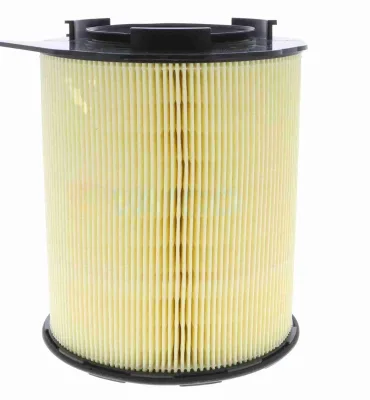
Material composition plays a crucial role in the durability and performance of the air filter. Many high-quality units utilize a paper core for the filtration media, which provides a balance of airflow and particle capture. Some listings also mention steel body materials, which offer enhanced structural rigidity and protection against physical damage during handling. Buyers should verify the filtration efficiency claims, with some products boasting efficiency rates of more than 99.9%. This level of performance is particularly important for modern engines that rely on precise air-to-fuel ratios for optimal combustion and emissions control.
Compliance and Safety Documentation
Certification status is a key indicator of a supplier’s commitment to quality management systems. The IATF 16949 standard is frequently cited in product listings, with versions such as 2016 and 2027 mentioned. This international standard for automotive quality management ensures that the supplier has robust processes in place for defect prevention and continuous improvement. Buyers should request valid certification documents to verify that the supplier’s quality management system is current and covers the specific manufacturing facilities producing the filters. Compliance with these standards reduces the risk of receiving substandard products and provides a layer of assurance for downstream customers.
In addition to quality certifications, buyers should inquire about sample availability for evaluation purposes. Many suppliers offer samples to allow procurement teams to conduct physical inspections and performance tests before committing to large orders. This step is critical for verifying that the product matches the described specifications and performs as expected in real-world conditions. Buyers should establish clear acceptance criteria for these samples, including checks for material quality, dimensional accuracy, and packaging integrity. Using samples as a benchmark helps maintain consistency across future orders and ensures that the supplier can meet the required quality standards.
Cost Drivers and Commercial Terms
The total cost of ownership for air filters extends beyond the unit price to include packaging, logistics, and payment terms. Observed packaging options range from neutral bags and cartons to customized branding, which can impact storage and presentation costs. Buyers should evaluate the cost implications of different packaging choices based on their distribution channels and customer preferences. Additionally, the origin of the product, often listed as China or specific provinces like Zhejiang, can influence shipping costs and lead times. Understanding these logistical factors is essential for accurate cost modeling and competitive pricing strategies.
Payment terms and delivery schedules are critical components of the commercial agreement. Suppliers may require deposits before production begins, with final delivery occurring after a specified period. Buyers should negotiate terms that align with their cash flow requirements and inventory management strategies. Clear communication regarding delivery times, such as 15 days for standard orders or 30 days after deposit, helps in planning inventory replenishment. By establishing transparent commercial terms, buyers can avoid unexpected costs and ensure a smooth procurement process from order placement to delivery.
Supplier Qualification and Quality Control
Supplier qualification involves assessing the manufacturer’s capabilities, production capacity, and quality control processes. Many suppliers identify as factory direct, which can offer advantages in terms of pricing and communication. However, buyers must verify the actual manufacturing capabilities and quality assurance protocols to ensure consistent product quality. This includes reviewing the supplier’s history, client references, and any third-party audit reports. A thorough qualification process helps in identifying reliable partners who can meet volume requirements and maintain high standards of product integrity.
Quality control measures should be integrated into the procurement process to minimize the risk of defects. Buyers should establish clear quality specifications and inspection criteria that align with industry standards and customer expectations. Regular audits and spot checks can help ensure that the supplier adheres to these standards throughout the production cycle. Additionally, implementing a robust incoming inspection process allows buyers to verify product quality upon receipt and address any issues promptly. By prioritizing quality control, buyers can protect their brand reputation and ensure customer satisfaction.
Long-Term Procurement Checks
Building a sustainable supply chain requires ongoing monitoring and relationship management. Buyers should regularly review supplier performance metrics, including on-time delivery rates, product quality, and responsiveness to issues. This data-driven approach helps in identifying potential risks and opportunities for improvement. Maintaining open communication with suppliers fosters collaboration and enables proactive problem-solving. By treating suppliers as strategic partners, buyers can leverage their expertise to optimize product offerings and reduce costs over time.
Continuous improvement in the procurement process is essential for adapting to market changes and evolving customer needs. Buyers should stay informed about industry trends, technological advancements, and regulatory updates that may impact the air filter market. Regularly updating sourcing strategies and supplier qualifications ensures that the procurement function remains agile and competitive. By committing to long-term checks and improvements, buyers can secure a reliable supply of high-quality air filters that support the performance and longevity of Mercedes-Benz vehicles.
FAQs
What certifications do benz auto air filter suppliers hold?
Suppliers typically hold IATF 16949:2016 certification to ensure quality management standards. Some listings reference updated standards like IATF16949:2027. This certification confirms that the manufacturing processes meet automotive industry requirements for consistent quality and reliability in production.
How long is the delivery time for benz auto air filters?
Standard delivery times are generally 15 days for stock items. For custom orders, delivery may take 30 days after receiving the deposit. These timelines depend on the specific model and whether the order requires customization or standard packaging arrangements.
Can I get samples of benz auto air filters for evaluation?
Yes, samples can be provided for evaluating the product quality before placing a bulk order. This allows buyers to verify the filtration efficiency and physical dimensions. It is a standard practice to ensure the filter meets the specific application requirements.
What is the minimum order quantity for benz auto air filters?
The minimum order quantity varies by supplier, typically ranging from 300 to 1000 units. Some suppliers set a standard MOQ of 500 pieces. Buyers should confirm the specific MOQ with the manufacturer as it depends on the model and customization needs.
Where are benz auto air filters manufactured?
Most benz auto air filters are manufactured in China, specifically in regions like Zhejiang. These factories offer direct sourcing options with neutral bag or custom brand packing. The origin ensures competitive pricing while maintaining OEM quality standards for automotive applications.
What materials are used in benz auto air filter construction?
Filters commonly use a paper core for the filtration medium. Some components may feature a steel body for durability. The materials are selected to provide high performance and environmental resistance, ensuring efficient filtration of air impurities for various automotive models.