Source For VW EGR Cooler with Cover for Audi VW Transporter
Find 30 options for the For VW EGR Cooler with Cover, featuring aluminum and plastic materials. Compare piston-type and sealed structures for Audi, VW Transporter, and Super Duty applications. Evaluate cooling styles and certifications to match your specific vehicle requirements.
Key considerations
Products List


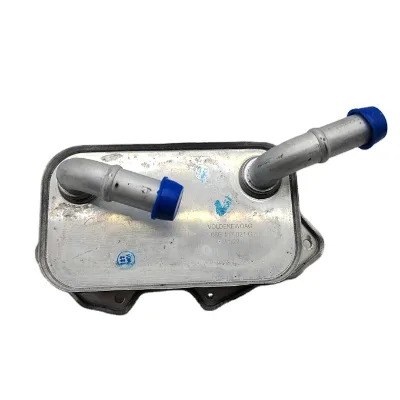
Egr Cooler for VW 070131512f for VW Tuareg T5 2.5tdi 070131512D 070131512f
$50.00 - $75.00
MOQ: 50 Pieces


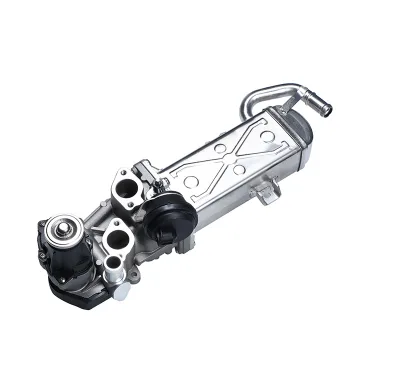


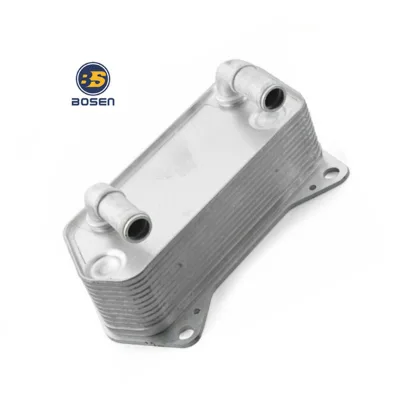
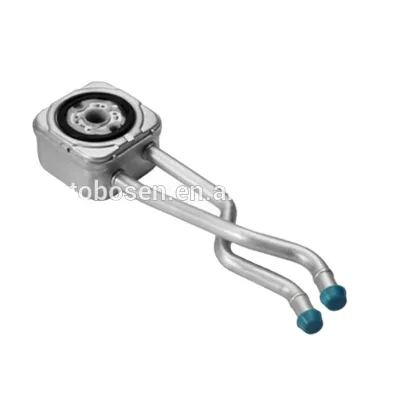


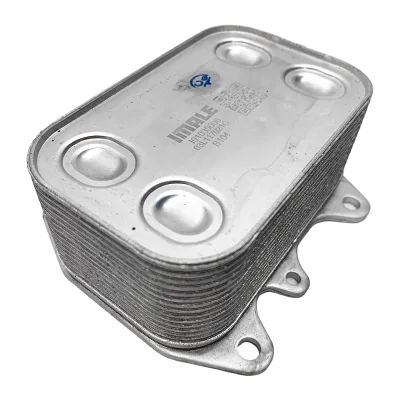


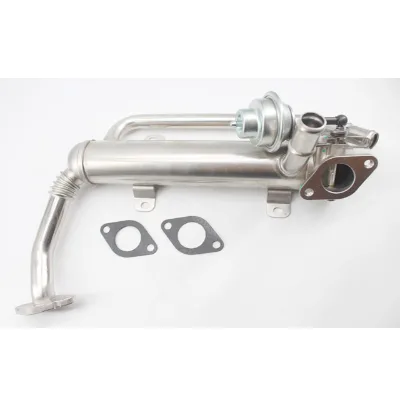
EGR Module EGR Valve Cooler 03L131512bm for Caaa Ccha Cxga Engine 2.0tdi
$170.00 - $200.00
MOQ: 10 Pieces



Comprehensive Sourcing Guide
VW EGR Cooler with Cover Sourcing Guide
Procuring a VW EGR cooler with cover requires distinguishing between water-cooled and air-cooled variants, as the supplied data indicates both styles exist in the market. Buyers must verify the specific cooling fluid brand, such as Mobil, to ensure compatibility with the vehicle's thermal management system. The component is often listed under the general category of coolant systems, yet the physical structure varies significantly between piston-type assemblies and direct-flow radiator cores.
When evaluating listings, attention must be paid to the body material, which is frequently aluminum or a composite of aluminum and PA plastic. The cover itself is critical for sealing the system, and the product origin, often cited as China or Wenzhou, influences the supply chain dynamics. Sourcing teams should prioritize suppliers who explicitly state the product model numbers, such as 03L131512AD or 3C3Z9P456B, to avoid mismatches in the Audi and VW application ranges.
Product Scope and Observed Listing Signals
The market for these components displays a wide price range from 1.02 to 519 USD, reflecting differences in material quality and manufacturing complexity. Buyers should note that the minimum order quantity varies from a single unit to 100 pieces, allowing for flexible procurement strategies depending on inventory needs. The observed listings include specific model identifiers like 070131512D and 070131512F, which serve as crucial signals for verifying the exact fitment for specific vehicle generations.
Packaging standards also vary, with options ranging from neutral packages to specific carton and pallet configurations. Some listings specify a standard packing size of 454545cm, while others indicate smaller dimensions like 191210CM, which impacts logistics planning and storage costs. The product color is typically silver or a combination of silver and black, and the application is explicitly noted for Audi and VW vehicles, including the Transporter Mk series.
Technical Specifications to Verify
Technical verification begins with the radiator core type, which is often described as tube-fin or direct-flow depending on the specific cooler design. The structure of the unit is another critical parameter, with some units classified as sealed types while others utilize a piston-type configuration. Buyers must confirm the discharge standard, which is listed as Euro V in some contexts, to ensure the component meets the necessary emission requirements for the target market.
The physical dimensions and material composition are equally vital for a successful installation. The product size is generally described as OE Standard, but the material composition can range from pure aluminum to a blend of aluminum and PA. The water temperature sensor type is often a switch type, and the noise source is identified as the engine combustion noise, which the cooler must manage effectively. Ensuring the model matches the specific engine series, such as D13 or MP8 08-10, prevents functional failures.
Compliance and Safety Documentation
Compliance documentation for these automotive parts often includes certifications such as ISO and TS, which are frequently cited in the product attributes. The certification status is a key indicator of the manufacturer's adherence to quality management systems, though the specific standard may vary between ISOTSCold Style and ISOCE. Buyers should request proof of these certifications to validate that the supplier maintains the necessary quality controls for automotive-grade components.
Safety and environmental compliance are further evidenced by the discharge standards and the specific application of the component in cooling systems. The product is designed to handle the noise of the engine and the combustion noise, requiring robust construction to withstand thermal stress. Documentation should also clarify the origin of the product, whether from China or Wenzhou, as this can affect regulatory compliance in different regions.
Cost Drivers and Commercial Terms
The cost of a VW EGR cooler with cover is driven by the complexity of the material, such as the use of PA+Al composites versus pure aluminum. The observed price range suggests that higher-cost items may include advanced features like specific packing standards or specialized certifications. Buyers should analyze the unit price against the minimum order quantity, as bulk orders often reduce the per-unit cost significantly.
Commercial terms also include the standard packing specifications, which can range from 1PC to larger palletized shipments. The lead time and shipping costs are influenced by the product origin and the specific packing dimensions, such as the 454545cm standard. Understanding these variables helps in negotiating better terms and ensuring that the total landed cost aligns with the procurement budget.
Supplier Qualification and Quality Control
Supplier qualification should focus on those who provide clear product model numbers and specific application details for Audi and VW vehicles. The presence of certifications like ISO and TS is a strong indicator of a supplier's capability to maintain consistent quality. Buyers should verify that the supplier can provide the necessary documentation for the product origin and the specific material composition used in the cooler.
Quality control processes must be robust enough to handle the diverse range of product models and specifications observed in the market. The supplier should be able to demonstrate their ability to produce components that meet the Euro V discharge standard and the specific cooling requirements of the engine. Regular audits of the manufacturing process, particularly for the sealing and structural integrity of the cover, are essential to prevent field failures.
Long-Term Procurement Checks
Long-term procurement success depends on establishing a reliable supply chain that can consistently deliver the correct product models and specifications. Buyers should maintain a database of verified part numbers, such as 03L131512CE and 03L131512CG, to ensure future orders match the original equipment requirements. Regular reviews of supplier performance against the observed quality standards and certification levels are necessary to maintain supply chain integrity.
Continuous monitoring of market trends and product updates is also crucial, as the automotive industry frequently evolves its emission and cooling standards. Buyers should stay informed about new product models and material innovations, such as the shift towards PA+Al composites, to remain competitive. Establishing a feedback loop with suppliers regarding field performance and noise reduction capabilities will help in refining the procurement strategy over time.
FAQs
What materials are used for the EGR cooler body?
The EGR cooler body is constructed from aluminium or a combination of aluminum and plastic (Al+PA). These materials ensure durability and efficient heat dissipation. Some variants also utilize PA+Al composites for specific housing components. The choice of material supports the structural integrity required for high-temperature exhaust gas cooling applications in various vehicle models.
Can the product be customized for specific vehicle models?
Yes, customization is available for this EGR cooler assembly. Manufacturers offer tailored solutions to fit specific applications such as Audi, VW, Transporter Mk, and Super Duty trucks. Buyers can request specific models like 03L131512AD or 21480645. This flexibility ensures compatibility with diverse engine requirements and cooling system configurations across different automotive platforms.
What certifications do these EGR coolers hold?
These EGR coolers typically hold ISO and TS certifications, indicating compliance with quality management standards. Some products also meet Euro V discharge standards. The manufacturing processes adhere to strict quality controls to ensure reliability. Buyers should verify specific certification documents with suppliers to confirm that the parts meet regional regulatory requirements and industry safety benchmarks.
How is the product packaged for shipping?
The EGR coolers are packaged in neutral packages, cartons, or on pallets to ensure safe transit. Standard packing dimensions vary, such as 45*45*45cm or 19*12*10CM, depending on the unit size. This neutral packaging helps protect the components from damage during logistics. Buyers can request specific packing methods to suit their warehouse handling and storage requirements.
Where are these EGR coolers manufactured?
These EGR coolers are primarily manufactured in China, with some production originating from Wenzhou. The manufacturing facilities are equipped to handle large-scale production of automotive cooling components. Buyers can source directly from these regions to benefit from established supply chains. Origin details are often specified in product listings to assist in logistics planning and supplier verification.
What is the typical MOQ for ordering these parts?
The minimum order quantity typically ranges from 1 to 100 units, offering flexibility for various buyer needs. This low MOQ allows for trial orders or small-scale procurement. Suppliers may adjust MOQs based on customization requirements or specific model availability. Buyers should confirm the exact MOQ with the supplier to ensure it aligns with their inventory and budget constraints.