Source Ford Mustang Mach-E Interior and Exterior Parts for 30 Suppliers
Compare 30 verified listings for Ford Mustang Mach-E accessories including door trims, armrest covers, and foot mats. Buyers can review specifications like material, fitment, and warranty to find suitable components for their vehicles.
Key considerations
Products List



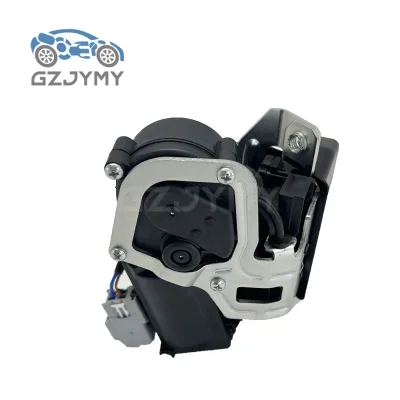






Comprehensive Sourcing Guide
Strategic Sourcing Guide for Ford Mustang Mach-E Interior and Exterior Components
Understanding the Component Landscape for the Mach-E
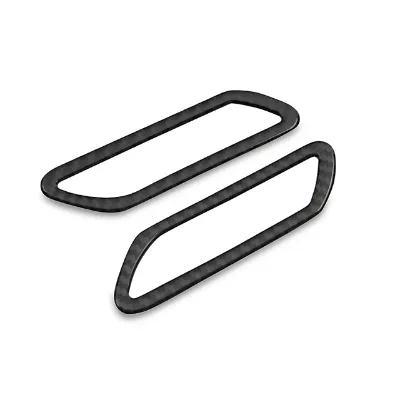
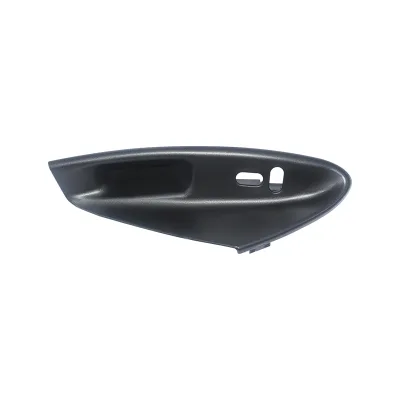
The Ford Mustang Mach-E represents a significant shift in the automotive sector, blending the heritage of the Mustang nameplate with modern electric vehicle (EV) architecture. For procurement professionals sourcing aftermarket components, the primary challenge lies in identifying parts that align with the specific engineering tolerances and aesthetic requirements of this model. The available product data indicates a diverse range of accessories, including A-Pillar Vent Trims, Exterior Door Handle Trims, Arm Rest Covers, and Inner Door Handle Trims. These items are categorized under "Interior Kits" and "Car" accessories, suggesting a focus on both functional enhancement and aesthetic customization.
A critical observation in the current market is the variation in fitment specifications. While some listings explicitly state "For Ford Mustang Mach-E," others reference the broader "Ford" brand or the traditional "Ford Mustang." Procurement teams must exercise extreme caution when reviewing these listings. The Mach-E possesses unique body lines, door handle geometries, and interior trim layouts that differ significantly from its combustion-engine counterparts. A component labeled simply as "For Ford" may not guarantee compatibility with the Mach-E's specific chassis dimensions. The data highlights a specific model number, AS-AC-FMUS-4060, associated with the A-Pillar Vent Trim for the Mach-E, which serves as a high-confidence reference point for verifying part compatibility. Buyers should prioritize listings that explicitly name the Mach-E or provide the specific model year, such as the 2021 designation found in the "prod_model" field, to avoid fitment issues.
Technical Specifications and Material Integrity
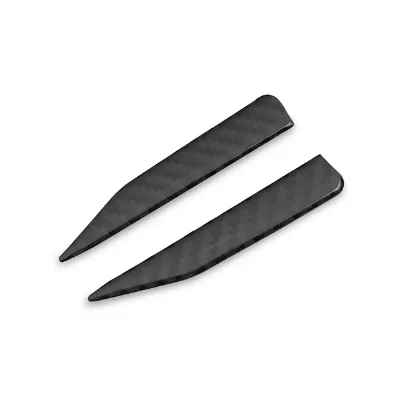
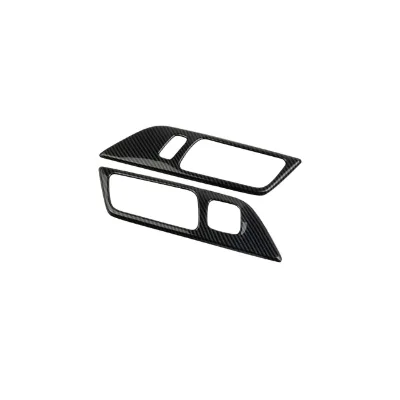
When evaluating the technical specifications of Mustang Mach-E accessories, material composition is a primary determinant of longevity and visual appeal. The supplied product facts reveal a mix of materials, including Stainless Steel, Carbon Fiber, ABS plastic, and Leather. Each material serves a distinct purpose in the vehicle's ecosystem. Stainless Steel is frequently cited for exterior trims, offering resistance to corrosion and a premium metallic finish that complements the Mach-E's modern design language. Carbon Fiber is noted for Inner Door Handle Trims, providing a lightweight, high-strength alternative that appeals to performance-oriented buyers seeking a sporty aesthetic.
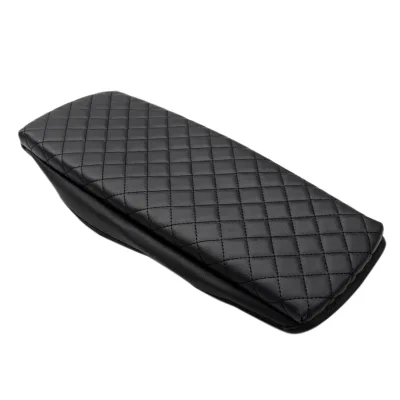
Conversely, ABS plastic is identified as the material for certain foot mats and trim components. While ABS is durable and cost-effective, buyers must verify the specific molding techniques used. The data mentions "Machine Molding Mat" and "Three-Dimensional" shapes, indicating that the manufacturing process involves precise shaping to ensure the mats conform to the vehicle's floor contours. For interior comfort items like Arm Rest Covers, Leather is the specified material. In this context, the quality of the leather and the stitching techniques are paramount, as these components are subject to constant friction and wear.
The dimensional specifications also vary significantly across the product range. Some items, such as the Arm Rest Cover, have defined dimensions of 982515cm, while others, like the Inner Door Handle Trim, list "NO" for size, implying a custom or variable fitment that requires careful verification. The A-Pillar Vent Trim and other interior kits are described with a "Standard" size, yet the presence of a specific model number (AS-AC-FMUS-4063) for the Exterior Door Handle Trim suggests that even "standard" items may have subtle variations based on the production batch or specific sub-model of the Mach-E. Buyers must cross-reference these model numbers against their specific vehicle identification numbers (VIN) to ensure exact compatibility.
Compliance, Certification, and Origin Verification
The origin of automotive components is a critical factor in procurement, influencing both logistics costs and regulatory compliance. The provided data indicates a complex supply chain with origins listed as "Zhejiang, China" and "Taiwan." While Zhejiang is a major manufacturing hub for automotive accessories, the presence of "Taiwan" as a place of origin for certain items, specifically those with a "Port of dispatch: TAIWAN," requires careful scrutiny. Procurement teams must ensure that the country of origin aligns with the import regulations of their target market, particularly regarding tariffs and trade agreements.
Regarding certifications and standards, the data presents a mixed picture. One entry lists "Specifications: GB," which refers to Chinese National Standards. However, the same dataset includes a brand name listed as "NO" and another with "Autospeed," indicating a lack of uniform branding or certification across the product line. The absence of explicit mentions of ISO, IATF 16949, or other automotive-specific quality certifications in the provided facts means that buyers cannot assume these standards are met. Instead, procurement teams must treat the "Standard Carton Box" packaging and "806020" standard dimensions as logistical observations rather than indicators of product quality compliance.
Buyers should verify if the supplier can provide third-party test results or material safety data sheets (MSDS) for the plastics and metals used. The "Warranty: 1Year" attribute is a positive signal, but it is a commercial term rather than a technical certification. It is essential to confirm that the warranty covers specific failure modes relevant to the component's function, such as peeling of the leather or corrosion of the stainless steel trim. The "Customization: Available" attribute suggests that suppliers may offer tailored solutions, but this also introduces variability in quality control. Customized parts should undergo rigorous testing to ensure they meet the same safety and performance benchmarks as mass-produced items.
Cost Drivers and Pricing Dynamics
The pricing landscape for Mustang Mach-E accessories is highly volatile, with an observed range from 1 to 343 USD. This wide disparity suggests that price is not solely a function of the component's utility but is heavily influenced by material costs, brand positioning, and production complexity. The lowest price points likely correspond to basic ABS plastic items or simple trim pieces with minimal customization. In contrast, the higher end of the spectrum, approaching 343 USD, likely encompasses premium materials like genuine leather, carbon fiber, or complex three-dimensional molding processes.
The Minimum Order Quantity (MOQ) also plays a significant role in the total cost of ownership. The observed MOQ range of 1 to 100 units indicates that the market supports both small-batch procurement for individual repairs or testing and larger bulk orders for retail distribution. For buyers seeking to minimize upfront capital expenditure, suppliers with an MOQ of 1 are advantageous, allowing for the purchase of single items for immediate installation or quality verification. However, these single-unit purchases often carry a higher per-unit cost compared to bulk orders.
Volume discounts are a common feature in B2B transactions, but the specific discount structures are not detailed in the provided facts. Buyers should negotiate based on the total volume of the order rather than just the unit price. Additionally, the "Selling Units: Single item" attribute suggests that some suppliers may not offer bulk pricing tiers, which could impact the overall cost efficiency for large-scale procurement. Logistics costs, including the "Port of dispatch" and shipping from China or Taiwan, should also be factored into the total landed cost. Buyers must calculate the freight charges, insurance, and potential duties associated with the specific origin of the goods to avoid unexpected expenses that could erode profit margins.
Supplier Evaluation and Quality Assurance Protocols
Evaluating suppliers for Mustang Mach-E components requires a multi-faceted approach that goes beyond simple price comparisons. The presence of multiple model numbers, such as AS-AC-FMUS-4060, AS-AC-FMUS-4063, and AS-AC-FMUS-4021, indicates that suppliers may offer a broad catalog of parts. However, the inconsistency in branding, with some items listing "Autospeed" and others "NO," raises questions about the supplier's identity and reputation. Buyers should prioritize suppliers who can provide clear documentation of their manufacturing capabilities and quality control processes.
Quality assurance should begin with a detailed review of the product specifications. The "Excellent Fitment" attribute is a key selling point, but it must be validated through physical inspection or third-party testing. Buyers should request samples of the A-Pillar Vent Trims, Door Handle Trims, and Arm Rest Covers to verify the precision of the molding and the quality of the materials. The "Easy Installation" attribute is also crucial, as poorly designed components can lead to installation difficulties and customer dissatisfaction. Buyers should test the installation process to ensure that the components fit seamlessly without the need for excessive force or modification.
For interior kits and foot mats, the "Three-Dimensional" shape and "Machine Molding Mat" techniques should be inspected for consistency. Any deviations in the shape or texture could indicate a lack of quality control in the manufacturing process. Additionally, the "Position" attribute, such as "Body" or "Front Spoiler," should be verified to ensure that the components are designed for the correct location on the vehicle. Misplaced components can lead to aerodynamic issues or aesthetic mismatches that detract from the vehicle's overall appeal.
Long-Term Procurement and Strategic Sourcing
Sourcing components for the Ford Mustang Mach-E is not merely a transactional activity but a strategic endeavor that requires long-term planning. The rapid evolution of the EV market means that component designs and specifications may change frequently. Buyers should establish relationships with suppliers who demonstrate flexibility and a commitment to continuous improvement. The "Customization: Available" attribute is a strong indicator of a supplier's ability to adapt to changing market demands and specific customer requirements.
Long-term procurement considerations also include the availability of spare parts and the potential for future product updates. Suppliers who offer a 1-year warranty demonstrate a level of confidence in their products, but buyers should also inquire about the supplier's policy for handling defective items and the process for claiming warranty coverage. The "Standard Carton Box" packaging is a good starting point, but buyers should consider whether additional protective packaging is necessary to prevent damage during transit, especially for fragile components like carbon fiber trims.
Finally, buyers should monitor the market for new model numbers and updated specifications. The presence of multiple model numbers in the data suggests a dynamic product line. Staying informed about these changes will allow procurement teams to anticipate potential supply chain disruptions and adjust their sourcing strategies accordingly. By maintaining a proactive approach to supplier evaluation and quality control, buyers can ensure a steady supply of high-quality components that meet the rigorous standards of the Ford Mustang Mach-E market.
FAQs
Which materials are used for Mustang Mach-E interior trims?
Stainless steel, carbon fiber, ABS plastic, and leather are used for interior trims. Stainless steel offers corrosion resistance for exterior parts, while carbon fiber provides a lightweight sporty look for door handles. ABS plastic is common for foot mats, and leather is specified for arm rest covers to ensure comfort and durability.
What is the warranty period for these accessories?
The warranty period is typically one year for these accessories. This commercial term covers specific failure modes but does not guarantee technical certification. Buyers should verify if the warranty covers issues like peeling leather or corrosion on stainless steel trims before purchasing.
Can I find customized parts for the Mustang Mach-E?
Yes, customization is available for certain Mustang Mach-E accessories. This allows suppliers to offer tailored solutions, but it introduces variability in quality control. Customized parts must undergo rigorous testing to ensure they meet the same safety and performance benchmarks as mass-produced items.
Where are these Mustang Mach-E parts manufactured?
Parts are manufactured in Zhejiang, China, and Taiwan. The origin influences logistics costs and regulatory compliance, so buyers must check import regulations. Some items dispatch from Taiwan, while others originate from Zhejiang, a major manufacturing hub for automotive accessories.
How do I verify fitment for Mustang Mach-E components?
Verify fitment by checking specific model numbers like AS-AC-FMUS-4060 for A-Pillar Vent Trims. Listings explicitly naming the Mach-E or 2021 model year are more reliable than generic Ford references. Cross-referencing model numbers with the vehicle VIN ensures exact compatibility with unique body lines.
What is the price range for Mustang Mach-E accessories?
The price range spans from 1 to 343 USD depending on materials and complexity. Lower prices usually correspond to basic ABS plastic items, while higher costs reflect premium materials like genuine leather or carbon fiber. Minimum order quantities also affect the total cost of ownership.
Are there specific packaging standards for these parts?
Standard carton boxes are used for packaging these parts. Some listings specify dimensions like 80*60*20 for standards, but these are logistical observations rather than quality certifications. Additional protective packaging may be necessary for fragile components like carbon fiber trims during transit.