Source Ford Transit Door Lock for Repair, Replacement, and Maintenance
Find 30 Ford Transit Door Lock options from verified suppliers. Compare specifications, prices, and MOQs for models compatible with Ford Transit Mk8 and other variants to support your repair and replacement needs.
Key considerations
Products List
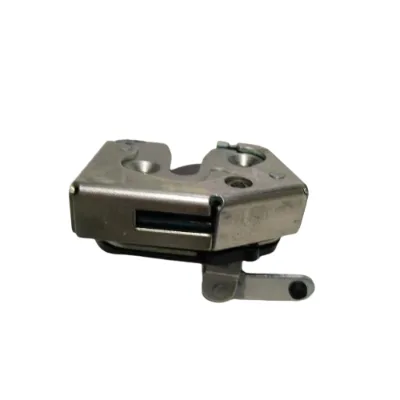
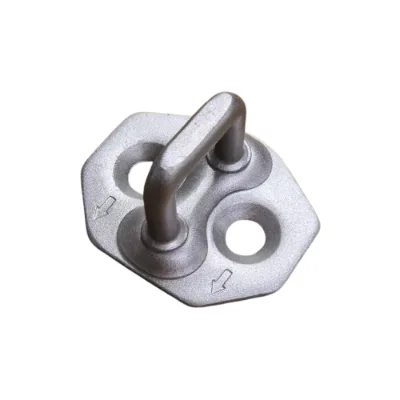


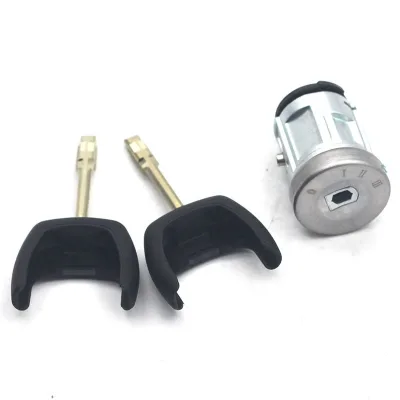
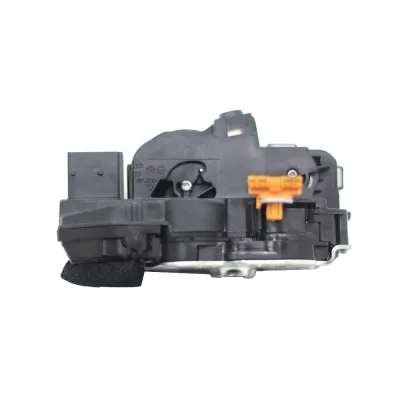
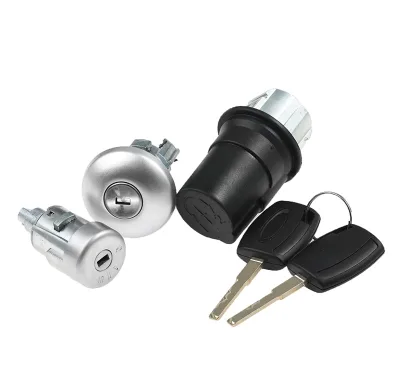
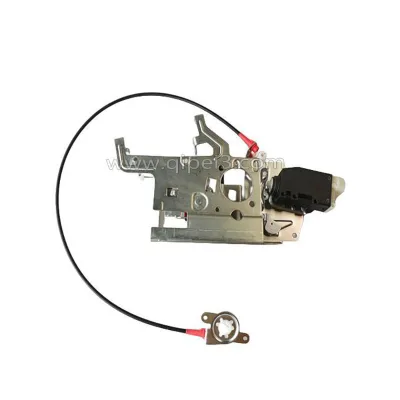
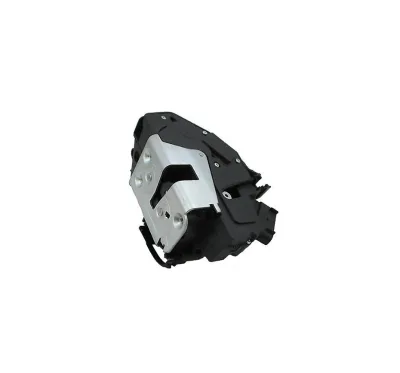
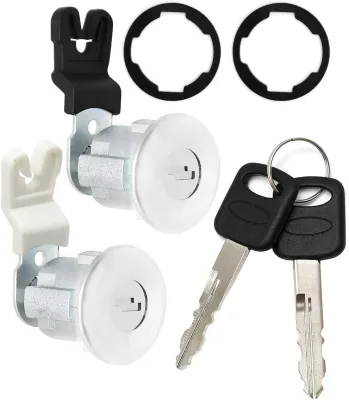
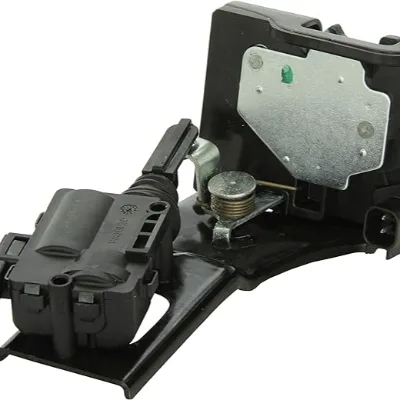
Door Lock Lock Cylinder Door Ignition Barrel 2 Keys 2408222 for Ford Transit Mk8
$27.50 - $33.50
MOQ: 10 pieces
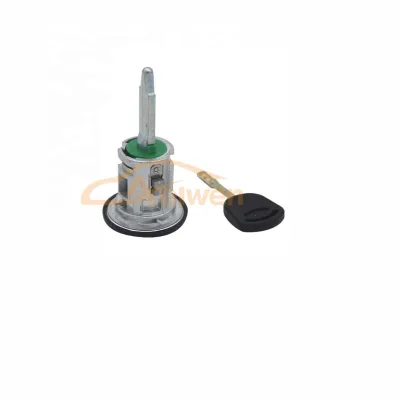

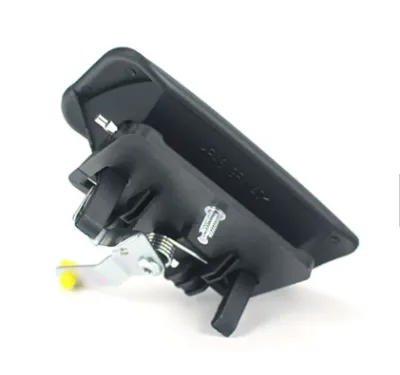
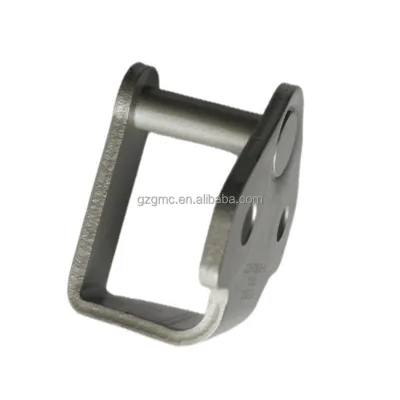




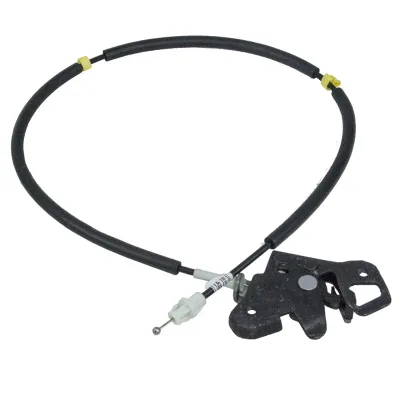

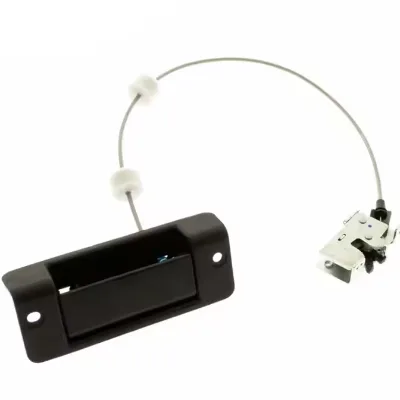
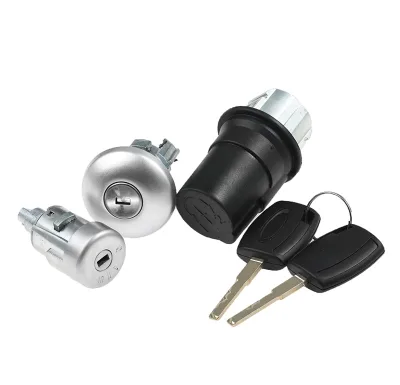


Comprehensive Sourcing Guide
Ford Transit Door Lock Sourcing Guide
Sourcing replacement hardware for commercial vehicles requires a disciplined approach to part identification and supplier verification. The Ford Transit has been a staple in fleet management and commercial logistics for decades, with multiple generations producing distinct locking mechanisms that are not always interchangeable. Buyers must navigate a market flooded with aftermarket components, ranging from basic mechanical cylinders to complex electronic integration units. The core challenge lies in distinguishing between generic replacements and parts engineered specifically for the vehicle’s chassis and model year. This guide provides a structured framework for evaluating suppliers, verifying technical compatibility, and managing commercial risks associated with importing door lock assemblies and cylinders.
Procurement decisions for these components are heavily influenced by the specific variant of the Ford Transit being serviced, such as the Mk8 or earlier iterations. The supply chain for these parts is dominated by manufacturers in China, with production hubs concentrated in provinces like Zhejiang and Guangdong. While this geographic concentration offers competitive pricing and high volume capacity, it also necessitates rigorous due diligence regarding quality control and intellectual property compliance. Buyers must establish clear communication channels with suppliers to confirm that the supplied hardware matches the original equipment manufacturer (OEM) specifications exactly, ensuring that fitment issues do not disrupt vehicle operations or increase labor costs during installation.
Product Scope and Observed Listing Signals
The current market landscape for Ford Transit door locks includes a diverse array of products, primarily focusing on mechanical key locks, cylinder barrels, and complete lock assemblies. Observed listings indicate a strong presence of zinc alloy components, which are favored for their durability and resistance to corrosion in commercial environments. These materials are often marketed under generic brand names or as "Other," suggesting that many suppliers operate as private label manufacturers or traders rather than branded entities. The product scope extends to specialized items such as sliding door locks and standard entry door locks, with some listings explicitly targeting repair and replacement purposes for specific vehicle models like the Ford Transit Mk8.
Listing signals reveal significant variation in packaging and unit specifications, which can impact logistics planning and inventory management. Single package sizes range from compact dimensions of 1x1x1 cm for small cylinders to larger boxes measuring 9x7x9 cm for more complex assemblies. The gross weight of individual items also varies, with some units weighing as little as 0.3 kg and others up to 1.0 kg, reflecting the difference between simple key barrels and heavier mechanical lock bodies. Buyers should note that many suppliers offer neutral packing, which may be preferable for private labeling but requires careful inspection to ensure the product itself is protected against damage during transit.
Technical Specifications to Verify
Technical verification is the most critical step in the sourcing process, as incorrect fitment can lead to costly returns and operational delays. Buyers must cross-reference the OEM part numbers provided by suppliers with their vehicle’s service manual or existing hardware. Common OEM numbers observed in the market include KS1-V21982-AA, 717444389, and various Chevrolet-Ford-Opel shared numbers like 13579515. It is essential to confirm whether the listed part is a direct replacement or requires modification, as some listings specify compatibility with specific door thicknesses, such as 35-50mm, or backset measurements like 70mm. These dimensional constraints are vital for ensuring that the new lock integrates seamlessly with the existing door frame and strike plate.
Model numbers and customization options provide additional layers of verification for complex procurement needs. Suppliers may list specific model identifiers such as 23051307, 11130401, or 100037913, which often correspond to internal manufacturing codes rather than universal standards. Buyers should inquire whether OEM customization is available, particularly if they require branded packaging or specific key cuts for fleet security. Additionally, the type of lock mechanism, whether it is a standard key lock or a more advanced electronic system, must be clearly defined. Understanding the single package size and gross weight helps in calculating freight costs and storage requirements, ensuring that the logistical footprint of the order aligns with warehouse capabilities.
Compliance and Safety Documentation
Compliance and safety documentation are often overlooked in the procurement of mechanical hardware, yet they are essential for maintaining fleet safety standards and regulatory adherence. While specific certification statuses may not always be explicitly stated in initial listings, buyers should request evidence of quality management systems and material safety data sheets, particularly for zinc alloy components. The anti-theft standards mentioned in some listings, such as "Standard A," should be clarified to understand the level of security protection offered. Buyers must ensure that the supplied locks meet the security requirements of their operating region, especially if the vehicles are used in high-risk areas or for transporting valuable goods.
Documentation also plays a crucial role in warranty claims and liability management. Suppliers offering a one-year warranty, as seen in some listings, provide a baseline level of protection against manufacturing defects. However, buyers should verify the terms of this warranty, including whether it covers labor costs for replacement or only the hardware itself. Clear documentation of the product condition, marked as "New" in most cases, helps in distinguishing between refurbished and brand-new parts. Buyers should insist on detailed packing lists and certificates of origin to facilitate customs clearance and to maintain accurate records for insurance and audit purposes.
Cost Drivers and Commercial Terms
Cost drivers for Ford Transit door locks are influenced by material composition, manufacturing complexity, and order volume. Zinc alloy components generally offer a balance of cost and durability, making them a popular choice for commercial fleets. The observed price range of $1.3 to $101.78 USD reflects the vast difference between simple key cylinders and complete lock assemblies with integrated mechanisms. Buyers should analyze the cost per unit in the context of the Minimum Order Quantity (MOQ), which ranges from 1 piece to 500 pieces. Higher MOQs often result in lower unit prices, but buyers must balance this with their inventory holding costs and the risk of obsolescence if the part is not immediately required.
Commercial terms such as payment methods, shipping options, and return policies significantly impact the total cost of ownership. Suppliers offering OEM services may charge additional fees for custom branding or packaging, which should be factored into the budget. Buyers should negotiate clear terms for defective goods, ensuring that the supplier accepts returns or provides credits for parts that do not meet the specified technical requirements. Additionally, understanding the lead times and production capacity of the supplier is crucial for maintaining fleet availability. Buyers should avoid relying on suppliers with inconsistent production schedules, as delays in delivering critical replacement parts can lead to extended vehicle downtime and lost revenue.
Supplier Qualification and Quality Control
Supplier qualification is a proactive process that begins with verifying the manufacturer’s background and production capabilities. Buyers should prioritize suppliers with a proven track record in automotive hardware, particularly those located in established manufacturing hubs like Zhejiang and Guangdong. These regions often have mature supply chains for metalworking and precision manufacturing, which can be indicative of higher quality standards. However, geographic location alone is not a guarantee of quality, so buyers must conduct thorough due diligence, including requesting samples and reviewing past performance metrics. Engaging with suppliers who offer customization and have clear communication channels can also indicate a higher level of professionalism and reliability.
Quality control measures should be integrated into the procurement process to minimize the risk of receiving substandard products. Buyers should implement a rigorous inspection protocol upon receipt of goods, checking for dimensional accuracy, material integrity, and functional performance. The single gross weight and package dimensions provided by the supplier can serve as initial verification points; significant deviations may indicate quality issues or incorrect parts. Establishing a relationship with the supplier that includes regular feedback and performance reviews can help maintain high standards over time. Buyers should also consider third-party inspection services for large orders to ensure that the products meet the specified technical and quality requirements before shipment.
Long-Term Procurement Checks
Long-term procurement success depends on continuous monitoring of supplier performance and market trends. Buyers should regularly review the compatibility of sourced parts with evolving vehicle models and technologies, as Ford Transit designs may change over time. Maintaining a database of successful part numbers and supplier interactions can streamline future procurement cycles and reduce the risk of errors. Buyers should also stay informed about changes in material costs and manufacturing regulations that could impact pricing and availability. By building a resilient supply chain based on verified data and strong supplier relationships, buyers can ensure a steady supply of high-quality door locks for their fleet maintenance needs.
Finally, buyers should establish a feedback loop with their maintenance teams to gather real-world data on the performance and durability of the sourced parts. This information is invaluable for refining procurement specifications and identifying potential issues before they become widespread. Regular audits of supplier quality and compliance can help maintain high standards and ensure that the procurement process remains aligned with the organization’s safety and operational goals. By adopting a strategic and evidence-based approach to sourcing Ford Transit door locks, buyers can optimize costs, reduce downtime, and enhance the overall reliability of their commercial vehicle fleets.
FAQs
What is the minimum order quantity for these door locks?
The minimum order quantity varies by supplier, with observed values ranging from 1 to 500 pieces. Some listings specify an MOQ of 2 pieces, while others require 10 pieces or more. Buyers should verify the specific MOQ with the vendor before placing an order.
Which materials are used to manufacture these sliding door locks?
These door locks are constructed from high-quality zinc alloy to ensure durability and strength. The product is described as new and designed for replacement or repair purposes. This material choice supports the high-quality standard claimed for the hardware.
Can these locks be customized for specific vehicle models?
Yes, customization is available for these door locks to fit various vehicle requirements. Specific models like the Ford Transit Mk8 and Chevrolet Ford Opel are supported with corresponding OEM numbers. Buyers can request custom specifications to match their exact needs.
What is the typical packaging method for these products?
The products are typically packed in neutral packing or an inner box within a master carton. Single package sizes vary, with dimensions observed around 9x7x6 cm or 9x7x9 cm. The gross weight per single item ranges from 0.3 kg to 1.0 kg depending on the specific model.
How long is the warranty period for these door locks?
A warranty period of 1 year is offered for these door locks by some suppliers. This coverage applies to the product condition which is listed as new. Buyers should confirm the specific warranty terms with the manufacturer before purchase.
Where are these door locks manufactured and shipped from?
These products originate from China, with specific manufacturing locations including Zhejiang and Guangdong provinces. The place of origin is consistently listed as China across the available listings. This indicates the primary supply chain location for these automotive hardware items.
What is the price range for these automotive door locks?
The observed price range for these door locks is between 1.3 and 101.78 USD. Pricing varies significantly based on the specific model, OEM number, and supplier. Buyers should expect different price points depending on the exact specifications and quantity ordered.