Source French Luxury Vintage Wall Lamp for Hotels, Homes, and Events
Explore 30 options for the French Luxury Vintage Wall Lamp, featuring brass, crystal, and metal designs with LED or incandescent sources. Compare models like HQ8127 and HQ305, check IP65 ratings, and review customization options for living rooms, corridors, and wedding venues.
Updated
Key considerations
Products List
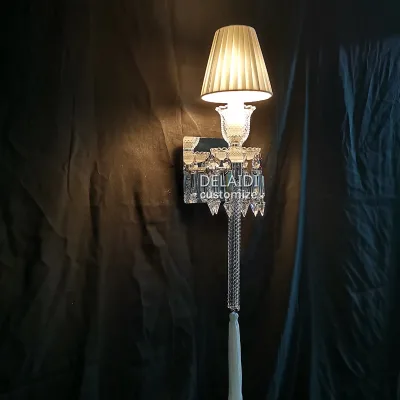
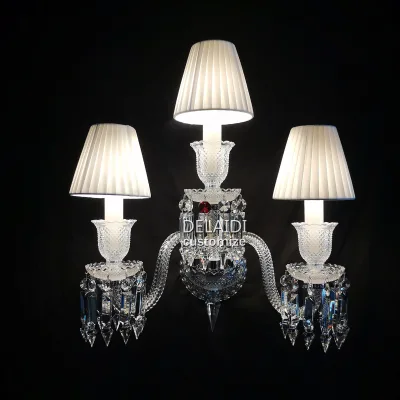
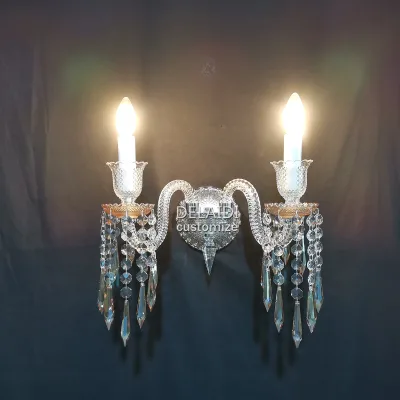

Luxury French Vintage Brass Crystal Wall Lamp for Luxury Villa Living Room
$39.00 - $79.00
MOQ: 1 Pieces


Elegant Distressed French Vintage Crystal Wall Lamp for High-End Bedroom Decor
$26.00 - $86.00
MOQ: 1 Pieces

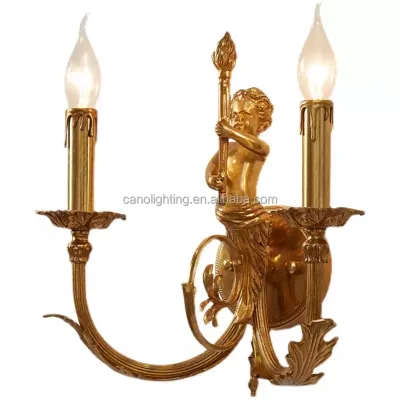
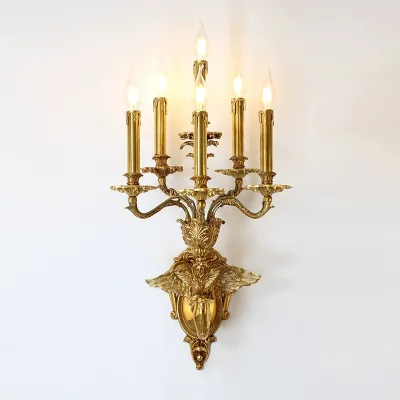
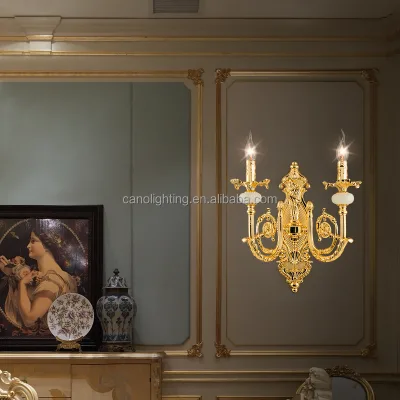
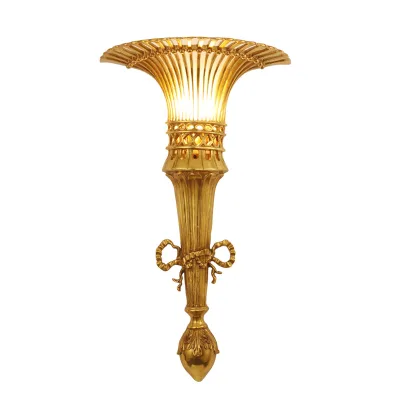
French Vintage Brass Wall Lamp European Villa Luxury Sconce Wall Lamp Hotel Home Custom Project
$609.7876 - $620.1399
MOQ: 20 pieces


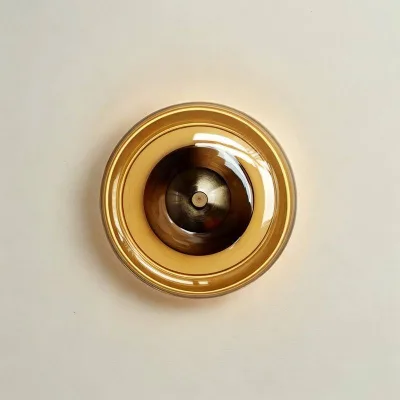
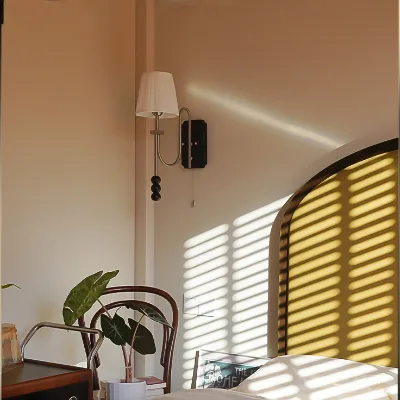
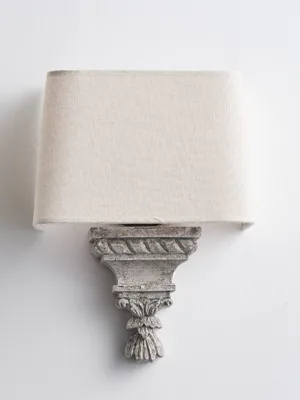
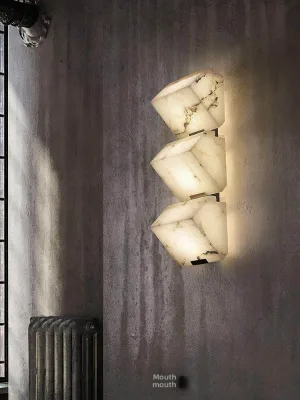
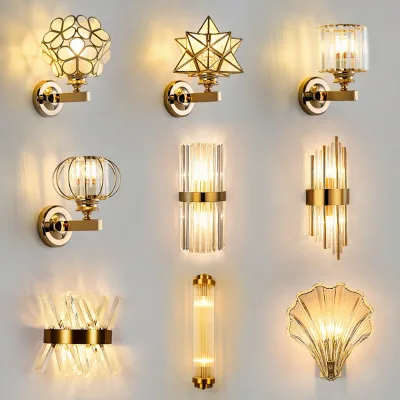
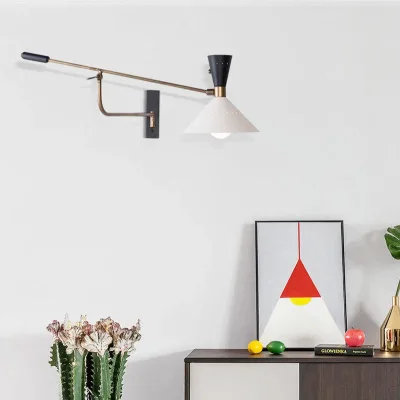

Modern Decorative Crystal Wall Lamp Luxury Custom Hotel Crystal Wall Lamp
$281.25 - $337.50
MOQ: 5 Pieces


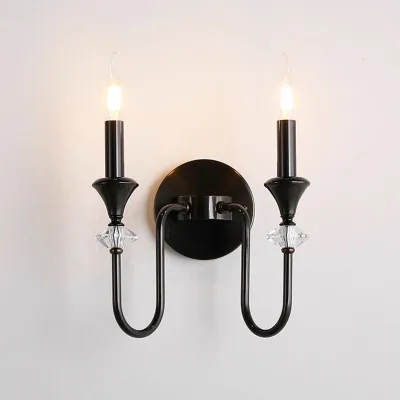
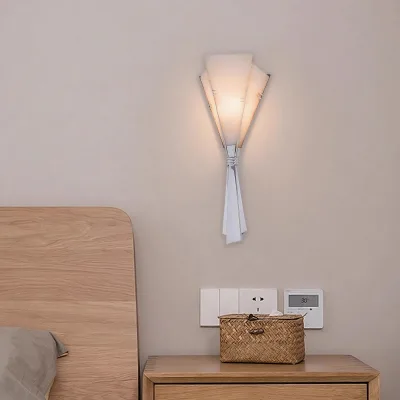
Comprehensive Sourcing Guide
French Luxury Vintage Wall Lamp Sourcing Guide
Sourcing authentic French luxury vintage wall lamps requires a nuanced understanding of the intersection between historical design aesthetics and modern manufacturing capabilities. Buyers often seek pieces that evoke the elegance of 19th-century European interiors, characterized by intricate detailing, premium materials, and a sense of timeless sophistication. However, the global market is saturated with mass-produced items labeled as "vintage" or "luxury," making it essential for procurement teams to distinguish between genuine antique reproductions and contemporary interpretations. The term "French luxury" implies a specific standard of craftsmanship, often associated with brass, crystal, and hand-finished surfaces, which must be rigorously verified during the sourcing process.
This guide focuses on the practical aspects of identifying and procuring high-quality wall lighting that meets the aesthetic and functional demands of luxury hospitality and residential projects. While the core keyword suggests a specific geographic origin, many high-end fixtures are manufactured in regions with strong lighting industry clusters, such as Guangdong, China, where advanced production techniques allow for the replication of classic French designs. Understanding the supply chain dynamics is crucial, as buyers must navigate the gap between the romanticized image of French craftsmanship and the industrial reality of modern lighting production. This guide provides a framework for evaluating products based on observable attributes, technical specifications, and commercial terms to ensure a successful procurement outcome.
Product Scope and Observed Listing Signals
The current market landscape for wall lamps reveals a diverse range of products that may appeal to buyers seeking a vintage aesthetic. Observed listings indicate a price range from $12.09 to $620.14 USD, reflecting significant variation in material quality, brand positioning, and production complexity. The minimum order quantity (MOQ) typically spans from 1 to 1000 units, offering flexibility for both small boutique hotels and large-scale residential developments. Buyers should note that while some products are marketed with keywords like "European style" or "Traditional," the actual design language may vary widely, from ornate crystal fixtures to simpler metal sconces. It is critical to examine product images and detailed descriptions to confirm that the visual style aligns with the desired French luxury vintage theme.
Specific product attributes observed in the market include the use of materials such as brass, crystal, iron, and copper, which are commonly associated with high-end lighting. For instance, some listings feature a "Main Material" of brass combined with crystal, while others utilize metal and glass combinations. The "Style" attribute is frequently listed as "European," which may correlate with the vintage aesthetic buyers are seeking. Additionally, the "Product Name" often includes terms like "Traditional Wall Lamp" or "Metal Moon Design Wall Sconce," providing clues about the design intent. Buyers must carefully cross-reference these attributes with their project requirements, as the presence of a keyword does not guarantee the specific historical accuracy or luxury feel associated with French design heritage.
Technical Specifications to Verify
Technical verification is paramount when sourcing wall lamps to ensure they meet both aesthetic and functional requirements. Key specifications to scrutinize include the input voltage, which is often listed as AC 220V (± 10%), ensuring compatibility with standard electrical systems in many regions. The color temperature is another critical factor, with observed values ranging from 3000K to 3500K, providing a warm white light that enhances the vintage ambiance. Buyers should also verify the color rendering index (CRI), which impacts how accurately colors are perceived under the lamp; observed CRI values range from 70 to 90, with higher values offering superior color fidelity. Additionally, the luminous flux and efficiency should be checked to ensure adequate illumination levels without excessive energy consumption.
The physical dimensions and build quality of the lamps must also be assessed. Specifications such as length and size are often listed as "Custom" or "Customized," allowing for tailored solutions but requiring clear communication with suppliers. The IP rating, observed as IP65 in some listings, indicates dust tightness and protection against water jets, which is essential for durability in various environments. The working temperature, noted as 30°C in some contexts, suggests the thermal management capabilities of the fixture. Furthermore, the switch type, whether rotary or button, and the control mode, typically switch control, should be confirmed to ensure ease of use. Buyers must request detailed technical datasheets to validate these specifications and ensure they align with the project's electrical and design standards.
Compliance and Safety Documentation
Compliance with international safety and environmental standards is non-negotiable for luxury lighting procurement. Buyers must verify that suppliers possess relevant certifications, such as VDE, CE, RoHS, and CCC, which indicate adherence to rigorous safety and environmental regulations. These certifications are critical for ensuring that the electrical components and materials used in the lamps do not pose risks to users or the environment. The presence of these certifications should be confirmed through official documentation provided by the supplier, rather than relying solely on product listings. Additionally, the warranty period, often listed as 3 years, provides a layer of protection against manufacturing defects, but buyers should clarify the terms and conditions of the warranty to understand the scope of coverage.
Beyond certifications, buyers should inquire about the testing procedures and quality control measures implemented by the supplier. While specific test results are not always publicly available, suppliers should be able to provide evidence of routine quality checks, including electrical safety tests and material durability assessments. The "Certification" attribute in product listings serves as an initial indicator, but it is essential to validate these claims through direct communication with the supplier. Buyers should also consider the environmental impact of the materials used, such as brass, crystal, and metal, and ensure that the supplier adheres to sustainable practices. This due diligence helps mitigate risks associated with non-compliance and ensures that the procured lamps meet the high standards expected in luxury applications.
Cost Drivers and Commercial Terms
Understanding the factors that influence the cost of wall lamps is essential for effective budget management. The primary cost drivers include the materials used, such as brass, crystal, and copper, which are more expensive than standard metals and plastics. The complexity of the design, including intricate detailing and custom sizing, also contributes to higher production costs. Additionally, the brand name, such as Delaidi, may influence pricing due to perceived value and market positioning. Buyers should analyze the price range of $12.09 to $620.14 USD to identify the cost implications of different material and design choices. It is important to balance aesthetic requirements with budget constraints, ensuring that the selected lamps offer the best value for money.
Commercial terms, including MOQ and lead times, play a significant role in the procurement process. The observed MOQ range of 1 to 1000 units allows for flexibility, but buyers should negotiate terms that align with their project scale. Lead times, while not explicitly stated in the provided facts, are typically influenced by the customization level and production volume. Buyers should establish clear agreements on delivery schedules and payment terms to avoid disruptions. Furthermore, the "Customization" attribute, listed as available, offers opportunities for tailored solutions but may incur additional costs and longer lead times. Buyers must carefully evaluate these commercial terms to ensure they support the project timeline and financial objectives, avoiding hidden costs that could impact the overall budget.
Supplier Qualification and Quality Control
Selecting the right supplier is critical to ensuring the quality and reliability of the procured wall lamps. Buyers should prioritize suppliers with a proven track record in manufacturing high-quality lighting fixtures, particularly those specializing in European or vintage styles. The place of origin, often Guangdong, China, indicates a region with a robust lighting industry, but buyers must verify the supplier's specific capabilities and experience. Supplier qualification should include an assessment of their production facilities, quality control processes, and ability to meet customization requests. Buyers should request samples to evaluate the build quality, finish, and functionality of the lamps before committing to large orders.
Quality control measures should be clearly defined and enforced throughout the production process. Buyers should establish inspection protocols that cover material verification, assembly quality, and final product testing. The "Feature" attribute, such as "Easy Installation," should be validated to ensure that the lamps are user-friendly and meet installation requirements. Additionally, buyers should inquire about the supplier's after-sales support, including warranty claims and technical assistance. By implementing rigorous supplier qualification and quality control procedures, buyers can minimize the risk of receiving substandard products and ensure that the procured lamps meet the high standards expected in luxury applications. This proactive approach helps build a reliable supply chain and fosters long-term partnerships with trusted suppliers.
Long-Term Procurement Checks
Long-term procurement success depends on continuous monitoring and evaluation of supplier performance and product quality. Buyers should establish key performance indicators (KPIs) to track metrics such as on-time delivery, defect rates, and customer satisfaction. Regular audits of the supplier's production facilities and quality control processes can help identify potential issues before they impact the supply chain. Additionally, buyers should stay informed about industry trends and technological advancements that may affect the design and functionality of wall lamps. This proactive approach ensures that the procured products remain relevant and competitive in the market.
Furthermore, buyers should maintain open communication with suppliers to address any concerns or changes in requirements promptly. Building a collaborative relationship with suppliers can lead to improved product quality and more favorable commercial terms over time. Buyers should also consider the sustainability and environmental impact of their procurement decisions, seeking suppliers who adhere to eco-friendly practices. By implementing long-term procurement checks, buyers can ensure the continued success of their lighting projects and maintain the high standards expected in luxury applications. This strategic approach helps mitigate risks and supports the achievement of project goals, ensuring a positive return on investment.
FAQs
What certifications do these wall lamps hold?
These wall lamps hold VDE, CE, RoHS, and CCC certifications. This ensures compliance with international safety and environmental standards for electrical products. Buyers can verify these credentials to meet regulatory requirements in various markets, ensuring the lighting fixtures are safe for use in hotels, villas, and households without legal or safety concerns.
Can the size and style be customized?
Yes, customization is available for size and style. The product specifications allow for custom lengths and sizes to fit specific interior designs. This flexibility supports unique architectural needs, allowing buyers to tailor the European-style wall lamps to match their project requirements precisely, ensuring a seamless integration into living rooms or corridors.
What is the typical working temperature range?
The typical working temperature is rated at 30 degrees Celsius. This specification indicates the optimal operating environment for the lamp's longevity and performance. Maintaining this temperature range ensures the LED or incandescent light source functions efficiently, preventing overheating issues and extending the lifespan of the fixture in various indoor applications.
Which materials are used in the construction?
The construction uses brass, crystal, iron, metal, and glass materials. These durable components provide a luxurious aesthetic suitable for vintage designs. The combination of metal bodies with crystal accents offers both structural integrity and decorative appeal, making them ideal for high-end applications in hotels, dining rooms, and residential spaces requiring elegant lighting solutions.
What is the warranty period for these lamps?
The warranty period is three years. This coverage provides buyers with confidence in the product's durability and manufacturer support. A three-year warranty typically covers defects in materials and workmanship, ensuring that any issues arising during normal use are addressed, thereby protecting the investment in these decorative lighting fixtures for commercial or residential projects.
How is the light source controlled?
The light source is controlled via switch control using rotary or button types. This manual control method offers straightforward operation for users. It allows for easy on/off functionality and potentially dimming, depending on the specific model, ensuring convenient management of ambient lighting in living rooms, corridors, or wedding venues without complex electronic interfaces.