Source LED Downlights for homes, offices, and retail spaces
Explore 30 verified LED Downlights from Chinese manufacturers with options for recessed installation, various color temperatures, and certifications like CE and RoHS. Compare specifications including power, size, and driver brands to find the right lighting solution for your project needs.
Updated
Key considerations
Products List




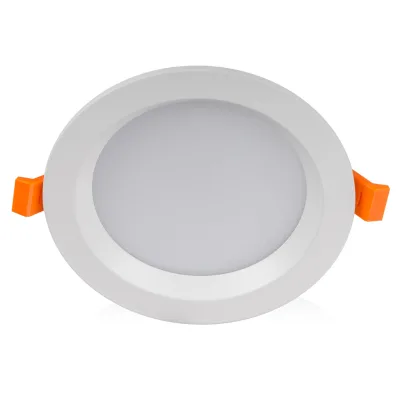
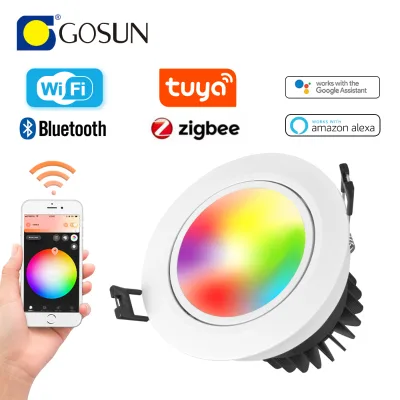
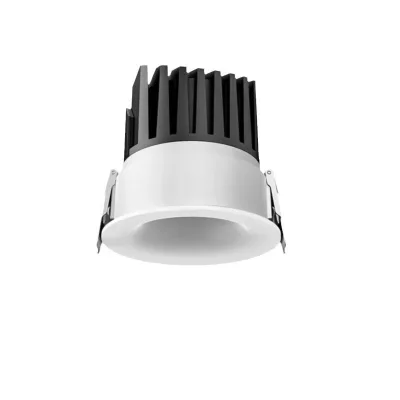


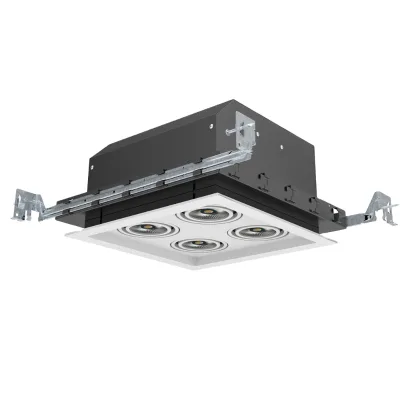
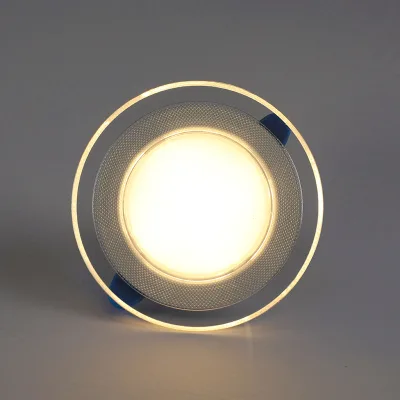
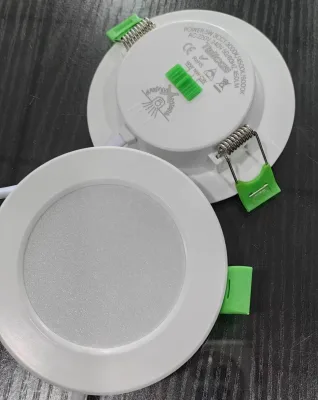
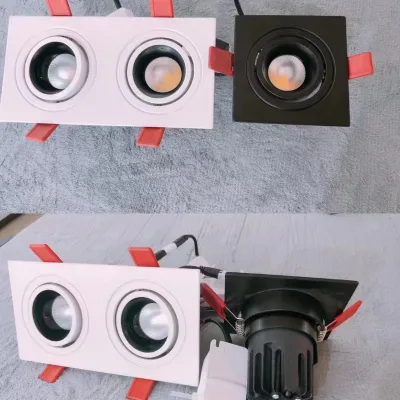
Comprehensive Sourcing Guide
LED Downlights Sourcing Guide
Procuring LED Downlights requires a disciplined approach to aligning technical performance with commercial viability. Buyers must navigate a market where product attributes vary significantly across suppliers, making it essential to verify core specifications before committing to volume orders. The observed data indicates a diverse range of models, from recessed units with specific cutout requirements to those with customizable dimensions. Understanding these variations is critical for ensuring that the selected fixtures meet the architectural and electrical demands of the target installation environment.
This guide provides a structured framework for evaluating LED downlight suppliers based on verified product signals. By focusing on tangible evidence such as certification lists, material standards, and lead times, buyers can mitigate the risk of sourcing non-compliant or underperforming products. The following sections detail the key areas of scrutiny, including technical verification, compliance documentation, and supplier qualification, to support informed decision-making in the B2B procurement process.
Product Scope and Observed Listing Signals
The current market landscape for LED Downlights reveals a wide spectrum of product configurations, with observed prices ranging from $0.5 to $137.4 USD. This variance suggests that buyers will encounter everything from basic, high-volume units to premium fixtures with advanced optical controls. Minimum order quantities (MOQs) typically range from 1 to 100 units, offering flexibility for both small-scale renovations and large commercial projects. Buyers should carefully assess whether the listed price includes necessary components like drivers or if these are sourced separately, as this impacts the total cost of ownership.
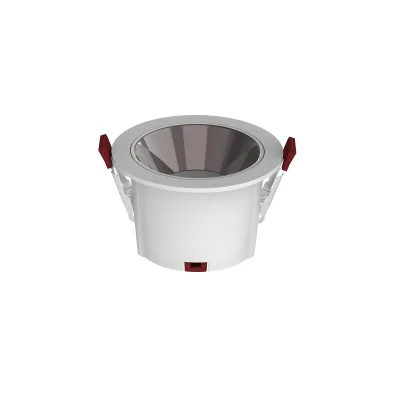
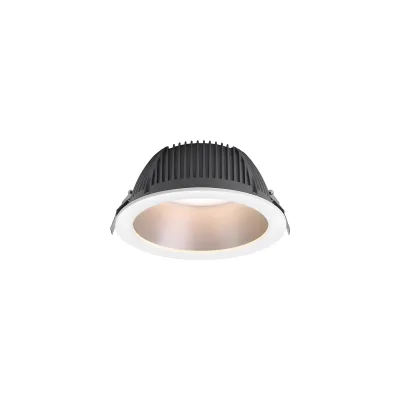
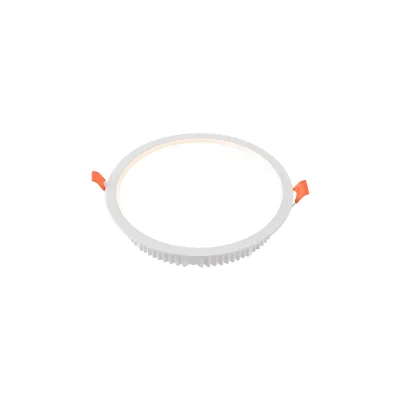
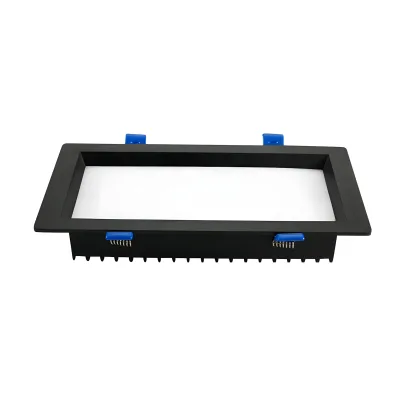
Product attributes indicate a strong preference for square shapes and recessed installation modes, with specific models like LZ-4138.14-1 and LC7261S representing distinct design approaches. Some units feature up-and-down shade directions, while others are designed for single-direction illumination. The presence of customization options allows buyers to tailor products to specific project needs, but this often requires longer lead times. Understanding these physical and functional differences is the first step in narrowing down the supplier pool to those capable of meeting specific aesthetic and functional requirements.
Technical Specifications to Verify
Technical verification must begin with electrical compatibility, as observed inputs vary between AC110/230V and 220-240V/100-277V ranges. Buyers must ensure that the selected downlights match the local grid voltage to prevent driver failure or reduced lifespan. Power ratings also differ, with examples showing 3W and 14W options, which directly influence light output and energy efficiency. It is crucial to verify the efficacy, with some products claiming 100lm/W, and to check the Color Rendering Index (CRI), which should ideally be 90 or higher for accurate color representation in commercial spaces.
Optical and physical specifications require equal attention, particularly regarding cutout sizes and housing dimensions. For instance, a unit with a D220*H75mm size may require a D200mm cutout, a detail that must be confirmed with the ceiling structure. The choice of LED chips, such as Osram or COB/SMD types, affects longevity and light distribution. Additionally, buyers should verify the color temperature options, which range from 2700K soft warm white to 6000K cool white, to ensure the lighting ambiance aligns with the design intent.
Compliance and Safety Documentation
Certification is a non-negotiable aspect of LED downlight procurement, with observed listings including CE, CCC, CQC, GS, RoHS, FCC, EMC, and ETL marks. Buyers must verify that the specific model they intend to purchase holds the certifications required for their target market, as compliance is not always uniform across a supplier’s entire catalog. For example, while some products list CE and RoHS, others may include ETL for North American markets. Requesting valid test reports from accredited laboratories is essential to confirm that the certifications are genuine and up-to-date.
Beyond certifications, material standards and warranty terms provide additional layers of protection. Products constructed from PC and Aluminum offer durability and heat dissipation, which are critical for maintaining performance over time. A five-year warranty is a common indicator of manufacturer confidence in product reliability. Buyers should also inquire about the driver brand, such as Lifud, as the driver is often the first component to fail in LED systems. Ensuring that all documentation is provided in English and matches the product model is vital for smooth customs clearance and installation.
Cost Drivers and Commercial Terms
Several factors influence the final cost of LED Downlights, including the complexity of the design, the quality of components, and the volume of the order. Customization options, such as specific dimensions or unique light distributions, typically increase the unit price and may extend the lead time. The observed lead time of four weeks is a standard benchmark, but buyers should confirm whether this applies to stock items or customized orders. Understanding the pricing structure, including any tooling fees for custom molds, helps in budgeting accurately for the project.
Packaging and logistics also play a significant role in total costs. Products are often packed in carton boxes or specialized packaging like Lesun Package, which must be designed to prevent damage during transit. Buyers should clarify whether the quoted price includes shipping and insurance, or if these are separate line items. Additionally, payment terms and currency fluctuations can impact the final invoice. Establishing clear commercial terms early in the negotiation process helps avoid unexpected costs and ensures that the supplier’s expectations align with the buyer’s financial planning.
Supplier Qualification and Quality Control
Supplier qualification begins with verifying the company’s history and manufacturing capabilities. Many suppliers boast over 20 years of experience, which can indicate stability and expertise in the lighting industry. However, buyers should also assess the supplier’s quality control processes, including incoming material inspections and final product testing. Requesting samples before placing a bulk order is a critical step to evaluate build quality, light output, and ease of installation. This hands-on verification helps identify potential issues that may not be apparent from product listings alone.
Communication and service capabilities are equally important for a successful procurement partnership. Suppliers offering lighting and circuitry design services can provide valuable support during the project planning phase. Buyers should evaluate the responsiveness of the supplier’s technical support team and their ability to provide timely updates on order status. Establishing a clear channel for addressing post-sale issues, such as defective units or installation queries, ensures that any problems are resolved efficiently. A supplier’s willingness to collaborate and provide comprehensive support is often a better indicator of long-term reliability than price alone.
Long-Term Procurement Checks
Long-term success in LED downlight procurement depends on continuous monitoring of product performance and supplier reliability. Buyers should track the performance of initial orders, noting any issues with flickering, color consistency, or driver failures. Establishing a feedback loop with the supplier allows for timely adjustments and improvements in future orders. Regular audits of the supplier’s quality control processes can help maintain high standards and prevent defects from reaching the installation site. This proactive approach minimizes the risk of costly recalls or rework.
Sustainability and regulatory changes also require ongoing attention. As environmental regulations evolve, suppliers must adapt their materials and processes to remain compliant. Buyers should stay informed about changes in standards such as RoHS or energy efficiency requirements to ensure that their inventory remains marketable. Additionally, considering the end-of-life disposal of LED fixtures can contribute to a more sustainable procurement strategy. By maintaining a focus on quality, compliance, and supplier relationship management, buyers can secure a reliable supply of LED Downlights that meet their long-term business objectives.
FAQs
What certifications are available for LED Downlights?
Certifications include CE, CCC, CQC, GS, RoHS, FCC, EMC, and ETL. These ensure compliance with international safety and environmental standards. Buyers should verify specific requirements for their target market to ensure regulatory approval and product acceptance in different regions.
What is the lead time for LED Downlights orders?
The standard lead time is 4 weeks for production and delivery. This duration allows for quality control and manufacturing processes. Buyers should plan their inventory accordingly to avoid stockouts, especially during peak seasons or when customizing specific product attributes.
Can LED Downlights be customized for specific projects?
Yes, customization is available for various product attributes. Buyers can request specific lighting solutions, including lighting and circuitry design services. This flexibility allows for tailored installations that meet unique architectural or commercial requirements, ensuring optimal performance and aesthetic integration.
What is the minimum order quantity for LED Downlights?
The minimum order quantity ranges from 1 to 100 units. This flexible MOQ accommodates both small trial orders and larger bulk purchases. Buyers can start with smaller quantities to test product quality before committing to larger volumes for extensive projects.
Where are these LED Downlights manufactured?
Products originate from Shanghai, China, and other domestic locations. Factories have over 20 years of history, indicating established manufacturing capabilities. Buyers can rely on experienced suppliers for consistent quality and reliable supply chain management for their sourcing needs.
What power options are available for LED Downlights?
Power options include 3W and 14W configurations. Voltage inputs support AC110/230V or 220-240V/100-277V ranges. These versatile electrical specifications ensure compatibility with various global power standards, allowing for seamless integration into different lighting systems and regional electrical infrastructures.