Source Bus Rear View Mirror Assembly for Buses, Trucks, and Coaches
Explore 30 listings for the Bus Rear View Mirror Assembly to compare specifications like size, material, and certification. Buyers can evaluate options from manufacturers in China for various vehicle applications; compare the available evidence and request quotations based on your requirements.
Key considerations
Products List


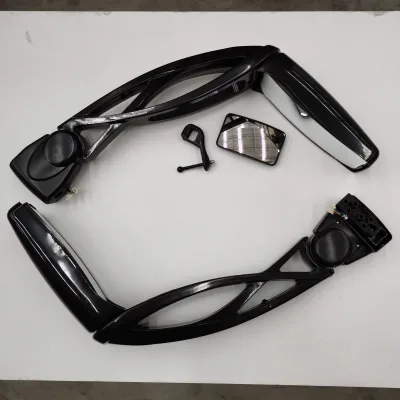
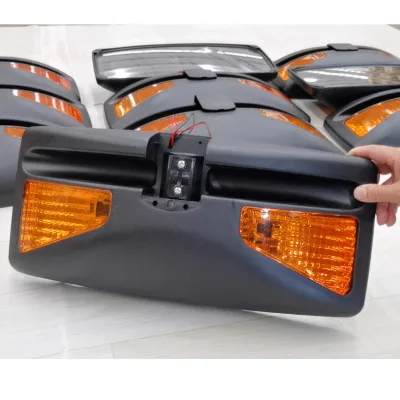
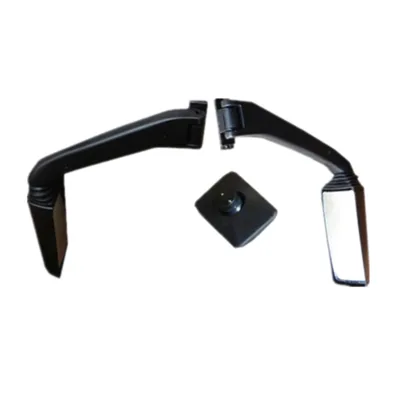
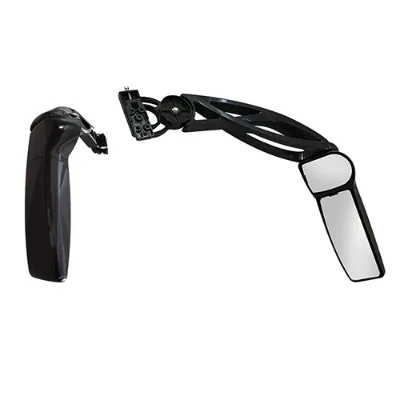
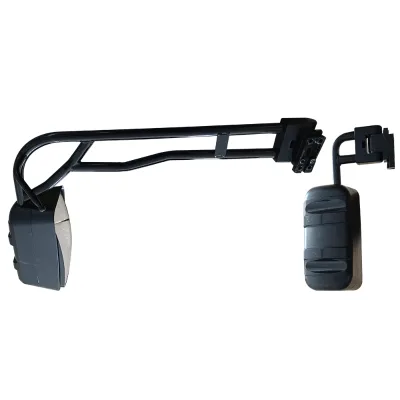

Rearview Side Mirror Car Rear Mirror Side Mirror Cheap Price High Quality for Buses / Trucks / Cars
$1.98 - $10.00
MOQ: 100 Square Meters


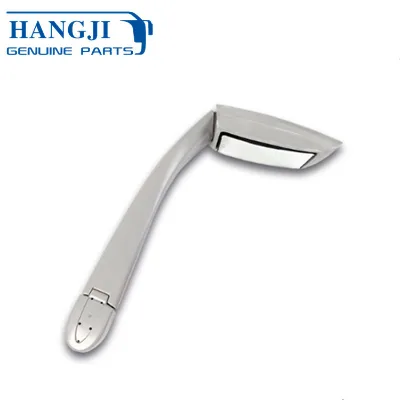
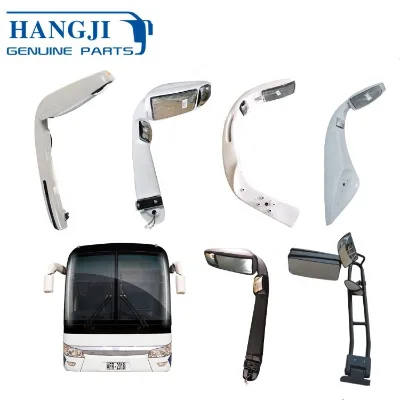
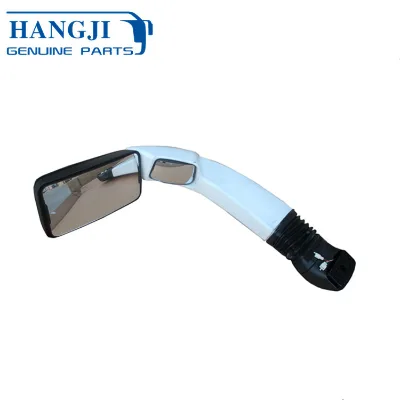
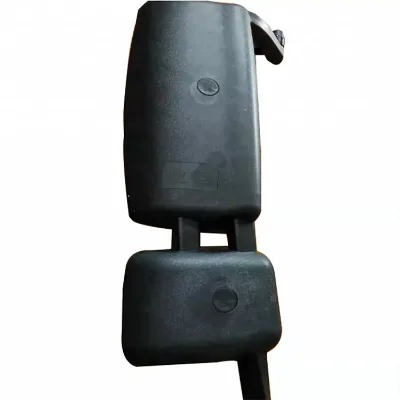
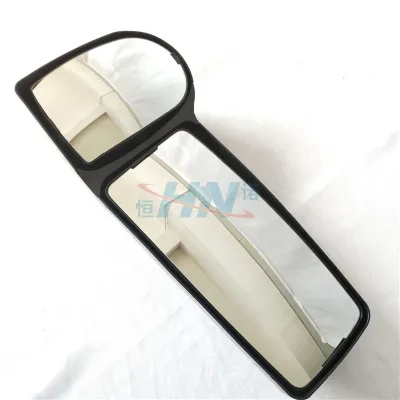
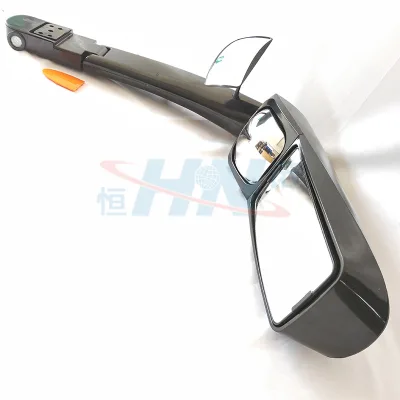
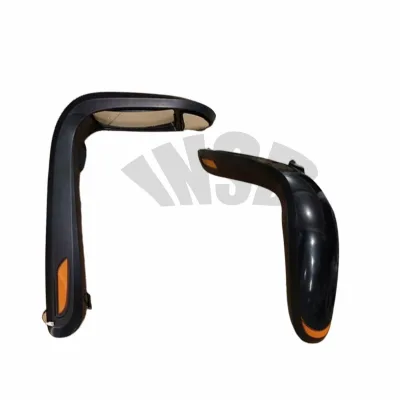
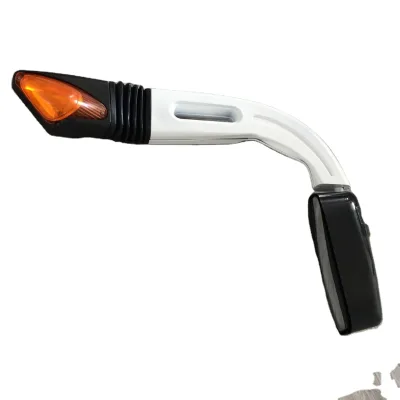
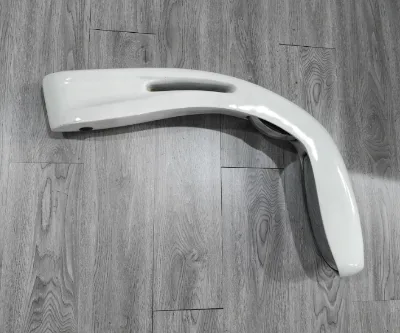


Ankai Bus Parts Rearview Mirrors Auto Parts Side Mirror Length: 50cm Bus Mirrors
$125.00 - $150.00
MOQ: 1 Pieces


Comprehensive Sourcing Guide
Bus Rear View Mirror Assembly Sourcing Guide
Procuring bus rear view mirror assemblies requires a strategic approach that balances optical clarity, structural durability, and regulatory compliance. These components are critical for driver situational awareness, directly influencing safety protocols and operational efficiency in public and commercial transport. Buyers must navigate a complex supply chain where variations in material science and manufacturing precision dictate long-term performance. The market offers diverse options, ranging from standard spherical mirrors to advanced wide-angle configurations, each serving specific visibility needs. Understanding the technical nuances of these assemblies is essential for making informed purchasing decisions that align with fleet maintenance schedules and safety standards.
This guide provides a structured framework for evaluating suppliers and products based on observable market data and industry best practices. It focuses on verifying key attributes such as mirror type, mounting position, and material composition to ensure compatibility with various bus models. By examining listing signals, technical specifications, and commercial terms, procurement teams can mitigate risks associated with substandard components. The objective is to equip buyers with the knowledge to conduct thorough due diligence, ensuring that every selected mirror assembly meets the rigorous demands of daily transit operations while adhering to international quality and safety benchmarks.
Product Scope and Observed Listing Signals
Market listings for bus rear view mirrors often highlight specific model numbers and physical dimensions that indicate their intended application. Common identifiers include model codes such as HC-B-11331 or JD series variants, which help distinguish between different optical designs and mounting configurations. Buyers should observe that many suppliers offer universal fitment options, suggesting compatibility with a wide range of bus chassis without requiring extensive modification. The presence of customization options, including logo printing and color variations like white finishes, allows fleet operators to maintain brand consistency while ensuring functional integrity. These signals provide a preliminary filter for identifying products that match specific operational requirements.
Packing and origin details further refine the scope of available products, offering insights into supply chain logistics and quality control practices. Many listings indicate origins in manufacturing hubs such as Changzhou, Anhui, or Chongqing in China, regions known for automotive component production. Standard packing methods, such as carton boxes, are frequently noted, which aids in estimating shipping volumes and handling procedures. Additionally, the observation of small order offerings and flexible payment terms like TT transfers suggests a market that accommodates both bulk procurement and trial purchases. These logistical details are crucial for planning inventory management and ensuring timely delivery to maintenance facilities.
Technical Specifications to Verify
Verifying technical specifications is paramount to ensuring that the selected mirror assemblies provide optimal visibility and durability. Key attributes to confirm include the view angle, with many products offering a 120-degree field of vision to minimize blind spots. The mirror type, often spherical, plays a significant role in image distortion and distance perception, requiring careful evaluation against safety guidelines. Material composition is another critical factor, with options ranging from glass to engineering plastic, each offering different trade-offs between clarity, weight, and impact resistance. Buyers must ensure that the chosen material aligns with the environmental conditions and usage intensity of the bus fleet.
Size and mounting specifications must be cross-referenced with the bus model to guarantee proper installation and aerodynamic efficiency. Listings may specify dimensions such as 2.0-inch sizes or larger rectangular formats, along with single package weights that influence handling and storage. The controlling type, typically manual for adjustment, should be assessed for ease of use by drivers during route changes. Additionally, verifying the OE number or universal compatibility ensures that the mirror fits the existing mounting brackets without modification. These technical checks prevent costly installation errors and ensure that the mirrors function as intended under varying driving conditions.
Compliance and Safety Documentation
Compliance with international safety standards is non-negotiable for bus rear view mirrors, as they are integral to vehicle safety systems. Buyers should request documentation confirming adherence to certifications such as CE, ISO, FCC, ECE, and DOT, which indicate that the products have undergone rigorous testing for quality and safety. These certifications provide assurance that the mirrors meet specific regulatory requirements for visibility, durability, and environmental resistance. Verifying the standard type, whether it is a general standard or a specific industry benchmark, helps in assessing the product's suitability for different markets and regulatory environments.
In addition to certifications, buyers must ensure that the mirrors are designed for their intended application, such as manufacturing or direct fleet replacement. The purpose of the product should be clearly stated to avoid mismatches between the component's capabilities and the bus's operational needs. Quality assurances, often described as "good" in listings, should be backed by tangible evidence such as test reports or warranty terms. Understanding the legal implications of non-compliant mirrors is essential for avoiding fines and ensuring the safety of passengers and drivers. Proper documentation serves as a legal safeguard and a testament to the supplier's commitment to quality.
Cost Drivers and Commercial Terms
Understanding the cost drivers behind bus rear view mirrors helps buyers negotiate better terms and avoid hidden expenses. Factors such as material quality, customization options, and packaging complexity significantly influence the final price. Listings often show a wide price range, reflecting the diversity in product specifications and supplier positioning. Buyers should consider the total cost of ownership, including shipping, handling, and potential customs duties, rather than focusing solely on the unit price. The availability of small order options can also affect pricing, as bulk purchases typically yield more favorable rates due to economies of scale.
Commercial terms, including payment methods and minimum order quantities (MOQ), play a crucial role in the procurement process. Terms like TT (Telegraphic Transfer) are common, offering flexibility for both buyers and suppliers. MOQs can vary, with some suppliers offering low thresholds to accommodate smaller fleets or trial orders. Buyers should evaluate these terms in the context of their inventory management strategy and cash flow requirements. Clear communication regarding lead times and delivery schedules is essential to prevent operational disruptions. Aligning commercial terms with business needs ensures a smooth procurement experience and minimizes financial risks.
Supplier Qualification and Quality Control
Supplier qualification is a critical step in ensuring the reliability and consistency of bus rear view mirror supplies. Buyers should assess suppliers based on their production capabilities, quality control processes, and track record in the automotive industry. Verifying the supplier's ability to provide customization, such as logo printing or specific model adaptations, indicates their flexibility and customer focus. Quality control measures, including inspection protocols and defect rate monitoring, should be clearly defined and communicated. Suppliers who prioritize quality are more likely to deliver products that meet the stringent requirements of bus manufacturers and fleet operators.
Establishing a robust quality control framework involves regular audits and performance evaluations of supplied components. Buyers should request samples for testing before committing to large orders, allowing for a thorough assessment of optical clarity, material durability, and fitment accuracy. Feedback loops with suppliers can help identify areas for improvement and foster a collaborative relationship. Documentation of quality checks and compliance with standards should be maintained for future reference and dispute resolution. By prioritizing supplier qualification and quality control, buyers can mitigate risks and ensure a steady supply of high-quality mirror assemblies.
Long-Term Procurement Checks
Long-term procurement checks are essential for maintaining the integrity and performance of bus rear view mirror assemblies over time. Buyers should establish a schedule for regular inspections and maintenance of installed mirrors to identify wear and tear early. Tracking the performance of different suppliers and models can provide valuable insights into product reliability and cost-effectiveness. Feedback from drivers and maintenance staff should be incorporated into the evaluation process, as they provide practical observations on usability and durability. Continuous monitoring helps in making informed decisions about future purchases and supplier relationships.
Developing a strategic procurement plan that includes contingency measures for supply chain disruptions is crucial for operational continuity. Buyers should diversify their supplier base to reduce dependency on a single source and ensure availability during peak demand periods. Regular reviews of market trends and technological advancements can help in identifying new opportunities for improvement and cost savings. By maintaining a proactive approach to procurement, buyers can ensure that their bus fleets remain safe, efficient, and compliant with evolving regulatory standards. Long-term checks and strategic planning are key to sustaining a reliable and high-quality supply of rear view mirrors.
FAQs
What certifications do the bus rear view mirrors have?
The mirrors carry CE, ISO, FCC, ECE, and DOT certifications. These standards ensure compliance with international safety and quality requirements for bus applications. Buyers can verify these documents directly with suppliers in Changzhou or Anhui to confirm product authenticity before placing orders.
Can I request a customized logo on the mirror?
Yes, customized logos are available for this product line. Suppliers offer branding options to meet specific fleet or manufacturer needs. This customization service allows buyers to add unique identifiers while maintaining the standard spherical mirror design and glass material quality for optimal visibility.
What is the minimum order quantity for these mirrors?
The minimum order quantity ranges from one to five hundred units depending on the supplier. Some vendors offer small order options to accommodate testing or initial procurement needs. Buyers should confirm specific MOQ limits with manufacturers in China to align with their budget and inventory plans.
Which materials are used to construct the mirror housing?
The housing is constructed from engineering plastic or standard plastic materials. These durable materials ensure longevity and resistance to wear in bus environments. The glass mirror surface provides a clear 120-degree view angle, making it suitable for both outside and rearview applications on various bus models.
How are the mirrors packaged for shipping?
The mirrors are packed in standard cartons or carton boxes. Packaging dimensions vary by model, with some single packages measuring 56 by 28 by 18 centimeters. This secure packing method protects the glass and plastic components during transit from factories in Jiangsu, Anhui, or Chongqing to global destinations.
What is the origin location of these bus mirrors?
These mirrors originate from manufacturing hubs in Changzhou, Jiangsu, Anhui, and Chongqing, China. Suppliers in these regions produce universal models compatible with various bus types. Buyers can source directly from these locations to ensure access to standard specifications and competitive pricing for bulk procurement needs.
Are these mirrors suitable for universal bus models?
Yes, the mirrors are designed as universal fitments for various bus models. They feature OE numbers marked as universal to ensure broad compatibility. This flexibility allows fleet operators to replace existing units without needing model-specific modifications, streamlining the maintenance and replacement process for commercial vehicles.