Source Front Wheel Hub for Cars, Trucks, and Buses
Compare 30 Front Wheel Hub options from verified Chinese suppliers. Buyers can evaluate specifications like material, coating, and certifications to find suitable parts for metal processing machinery and vehicle applications.
Key considerations
Products List


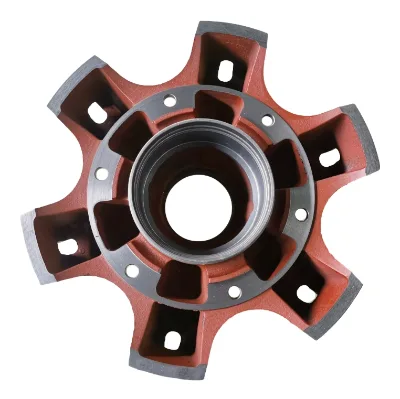


Multi-Piece Wheels Allow Separate Replacement of Hub and Rim Components.
$65.00 - $80.00
MOQ: 50 Pieces

Comprehensive Sourcing Guide
Strategic Sourcing Guide for Front Wheel Hubs
Understanding Technical Specifications and Material Composition
When sourcing front wheel hubs, the primary objective is to align the component's physical properties with the operational demands of the intended vehicle or machinery. Based on available market data, the Front Wheel Hub is frequently categorized under specific model identifiers such as "Wheel Hub Front Hub," "15228219," and "195-22-15120," indicating a diverse range of compatibility across different chassis systems. The technical foundation of these components often begins with the raw material selection. The supply chain offers hubs manufactured from seamless tubes and steel sheet plates, as well as those derived from ductile iron or grey iron. The choice between steel and iron significantly impacts the final product's tensile strength and weight profile. Steel variants are often associated with high-stress applications requiring durability, while iron-based hubs, produced via sand casting methods, offer cost-effective solutions for heavy-duty machinery where weight reduction is less critical than structural integrity.
The manufacturing process is equally critical to the component's performance. The production techniques observed in the market include bending, brazing, and stamping, with press technology serving as a primary method for forming the hub geometry. For cast iron variants, the casting method is explicitly identified as sand casting, utilizing a permanent casting form usage count. The finishing process further defines the hub's longevity; common treatments include zinc coating for corrosion resistance and chrome finishing for aesthetic or high-wear applications. Heat treatment processes such as annealing, quenching, tempering, and nitriding are standard procedures to enhance the mechanical properties of the metal, ensuring the hub can withstand the dynamic loads encountered during operation. Buyers must verify that the specific heat treatment regimen matches the load requirements of their application, as these processes directly influence the hardness and fatigue life of the component.
Compliance, Certification, and Regulatory Standards
Navigating the regulatory landscape is a non-negotiable aspect of B2B procurement for automotive and industrial components. The Front Wheel Hub market demonstrates a high degree of standardization, with suppliers often adhering to a broad spectrum of international standards including BS, ANSI, JIS, GB, GOST, ASTM, and DIN. This variety suggests that a single product line may be adaptable to multiple regional markets, provided the specific standard required by the buyer's jurisdiction is confirmed. For instance, a hub intended for the North American market must strictly comply with ANSI or ASTM standards, whereas European applications may require DIN or BS compliance.
Certification plays a pivotal role in validating the quality and safety of the product. The observed market data highlights several key certifications, including ISO, DOT, CE, RoHS, and TSISO. The presence of ISO certification indicates a commitment to quality management systems, while DOT (Department of Transportation) and CE (Conformité Européenne) are critical for road-legal vehicles, ensuring the component meets safety regulations regarding braking and structural integrity. RoHS compliance is essential for electronic or coated components to ensure they are free from hazardous substances. Buyers should not assume that all listed products possess every certification; rather, they must request specific certification documentation for the exact model number being procured. The "Non-Standard Component" classification found in some listings further underscores the need for rigorous verification, as these parts may require custom engineering validation to meet specific regulatory frameworks.
Cost Drivers and Pricing Dynamics
The pricing structure for front wheel hubs is influenced by a complex interplay of material costs, manufacturing complexity, and order volume. The observed price range in the market spans from $1 to $370 USD, a variance that reflects the difference between simple stamped steel hubs and complex, high-specification cast iron assemblies. The Minimum Order Quantity (MOQ) is another significant cost driver, with observed ranges extending from 1 unit to 20,000 units. Small buyers or those requiring prototypes may face higher per-unit costs due to the low MOQ flexibility, while large-scale procurement can leverage economies of scale to reduce unit prices.
Material selection is a primary determinant of cost. Hubs made from seamless steel tubes and steel sheets generally command different price points compared to those cast from ductile or grey iron. Furthermore, the finishing process adds value and cost; chrome finishing and zinc coating are more expensive than raw or uncoated finishes but provide necessary protection against environmental degradation. Customization is a major factor in pricing; while the market supports customization and OEM (Original Equipment Manufacturer) services, these services introduce additional engineering and tooling costs. The "Customized" attribute and "Support" for customization indicate that buyers can request specific modifications, but these requests will invariably increase the unit price and potentially extend the lead time. Buyers must balance the need for specific performance attributes against the budget constraints, understanding that premium materials and finishes will result in a higher total cost of ownership.
Typical Applications and Operational Context
Front wheel hubs are integral to a wide array of machinery, and their application dictates the necessary performance specifications. The market data indicates that these components are utilized in metal casting machinery, metal coating machinery, metal drawing machinery, and metal engraving machinery. They are also essential for metal forging, metal processing machinery parts, metal spinning, straightening, and cutting machines. This broad application range suggests that the Front Wheel Hub is not limited to automotive use but is a critical component in heavy industrial equipment.
In the automotive sector, the hub is a vital part of the wheel assembly, supporting the wheel rim and facilitating the rotation of the vehicle. The specifications provided, such as "Wheel Rim Diameter" ranging from 17 inches to 26.5 inches, and "Rim Size" including 17.5r25, 20.5r25, and 1200r20, highlight the diversity of vehicle types served, from light trucks to heavy-duty commercial vehicles. The "Tire Type" is specified as Radial Tire, which is the standard for modern vehicles requiring high-speed stability and load-bearing capacity. The "Drive Wheel" attribute is noted as RWD (Rear-Wheel Drive) in some contexts, but for a Front Wheel Hub, the component must be designed to handle the steering and braking loads specific to the front axle. The "Loading Weight" is often a "Customer Demand" parameter, meaning the hub must be engineered to support the specific gross vehicle weight rating (GVWR) of the application. Buyers must ensure that the hub's load capacity matches the operational requirements of their specific machinery or vehicle fleet.
Supplier Evaluation and Sourcing Strategy
Evaluating suppliers for front wheel hubs requires a thorough assessment of their capabilities, location, and production consistency. The supply base is predominantly located in China, with specific origins noted in cities like Jinan. This geographic concentration suggests a mature supply chain with established logistics networks, but it also necessitates careful due diligence regarding shipping and import regulations. Suppliers offering "Customization" and "OEM" services are generally more capable of meeting unique buyer requirements, but buyers must verify the supplier's engineering capabilities to ensure they can deliver on custom specifications without compromising quality.
The "Condition" of the product is listed as "New," which is a standard expectation for B2B procurement, but buyers should also inquire about the supplier's quality control processes. The "Production Process" details, such as the use of pressing, bending, and brazing, should be verified against the supplier's actual factory capabilities. A supplier claiming to produce both stamped steel and cast iron hubs must demonstrate expertise in both manufacturing domains. The "Packing" methods, ranging from "Carton" to "Plywood Pallets" and "Wrapped with Film in Pallet," are critical for preventing damage during transit. Buyers should specify their preferred packing method to ensure the components arrive in pristine condition. Additionally, the "Standard" of the product, whether it is a specific number of teeth or a generic "Any" standard, must be clearly defined to avoid miscommunication.
Quality Control and Long-Term Procurement Considerations
Ensuring the long-term reliability of front wheel hubs requires a robust quality control (QC) strategy. The "Heat Treat" processes mentioned, such as annealing, quenching, and tempering, are critical for the mechanical integrity of the hub. Buyers should request test results or certificates of analysis that verify the hardness and tensile strength of the material after heat treatment. The "Coating" and "Finishing" processes, including zinc and chrome, must be tested for adhesion and corrosion resistance to ensure the hub can withstand harsh operating environments.
For long-term procurement, buyers should consider the "Customization" aspect as a strategic advantage. By working with suppliers who support customization, buyers can develop components that are optimized for their specific machinery, potentially reducing wear and extending the service life of the hub. The "OEM" capability allows for branding and integration into the buyer's existing product lines, fostering a stronger supplier relationship. However, buyers must remain vigilant about the "Standard" compliance, ensuring that any customizations do not inadvertently violate safety regulations or industry standards. The "Application" diversity means that a hub suitable for one type of machinery may not be suitable for another; therefore, continuous communication with the supplier regarding performance feedback is essential. By maintaining a proactive approach to quality control and supplier relationship management, buyers can secure a reliable supply of front wheel hubs that meet their operational needs for years to come.
Comparative Analysis of Product Attributes
To facilitate decision-making, the following table summarizes the key attributes observed in the Front Wheel Hub market, highlighting the variations buyers may encounter.
| Attribute Category | Observed Variations | Procurement Implication |
|---|---|---|
| Material | Seamless Tube, Steel Sheet Plate, Ductile Iron, Grey Iron | Select based on load requirements and weight constraints. |
| Manufacturing Process | Press, Bending, Braze, Stamping, Sand Casting | Verify process capability matches the required geometry and strength. |
| Certification | ISO, DOT, CE, RoHS, TSISO | Mandatory for specific markets; verify documentation per order. |
| Standard | BS, ANSI, JIS, GB, GOST, ASTM, DIN, QT450 | Ensure compliance with the target region's regulatory framework. |
| Finishing | Zinc, Chrome, None | Choose based on environmental exposure and aesthetic needs. |
| Packing | Carton, Plywood Pallets, Wrapped with Film | Specify to prevent transit damage and ensure efficient logistics. |
| Customization | Available, Support, Customized | Leverage for unique applications but expect higher costs and lead times. |
This comparative overview underscores the complexity of the Front Wheel Hub market. Buyers must navigate these variations carefully, ensuring that the selected component aligns with their technical, regulatory, and logistical requirements. By focusing on these core attributes, procurement professionals can make informed decisions that optimize both cost and performance.
FAQs
What materials are used for front wheel hubs?
Front wheel hubs are manufactured from seamless tubes, steel sheet plates, ductile iron, or grey iron. The choice depends on the required tensile strength and weight profile for the specific application.
Which certifications do front wheel hubs typically hold?
Common certifications include ISO, DOT, CE, RoHS, and TSISO. Buyers must verify specific documentation for the exact model, as not all listed products possess every certification.
How are front wheel hubs finished and treated?
Finishing processes include zinc coating, chrome plating, and heat treatments like annealing, quenching, or tempering. These steps enhance corrosion resistance and mechanical properties for durability.
Can front wheel hubs be customized for specific needs?
Yes, customization is available and OEM services are supported. Buyers can request specific modifications, but these requests will increase unit prices and may extend lead times.
What is the price range for front wheel hubs?
The observed price range spans from 1 to 370 USD. Costs vary based on material selection, manufacturing complexity, finishing processes, and order volume.
Where are front wheel hubs typically sourced from?
Products originate primarily from China, with specific locations like Jinan noted. This geographic concentration suggests a mature supply chain with established logistics networks.
What are the standard production techniques for these hubs?
Production techniques include pressing, bending, brazing, and stamping. Cast iron variants specifically use sand casting methods with permanent casting forms.