Source Front Windshield for Replace for Cars, Trucks, and Vans
Find a Front Windshield for Replace among 30 available options with varying thicknesses and certifications. Buyers can compare laminated and tempered glass models from Chinese manufacturers for automotive safety applications.
Key considerations
Products List


Universal Premium Car Front Window Windshield Front and Rear Windshield
$22.00 - $26.00
MOQ: 10 Pieces


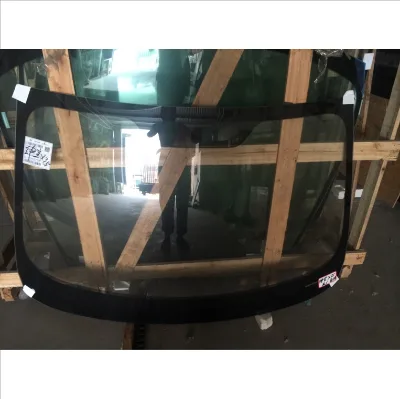
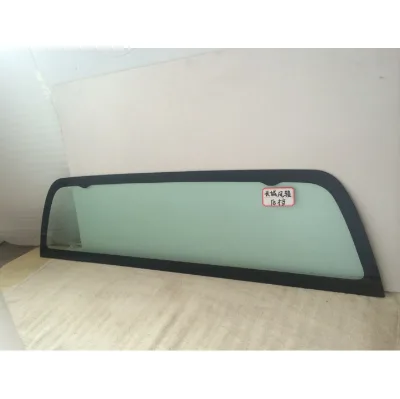
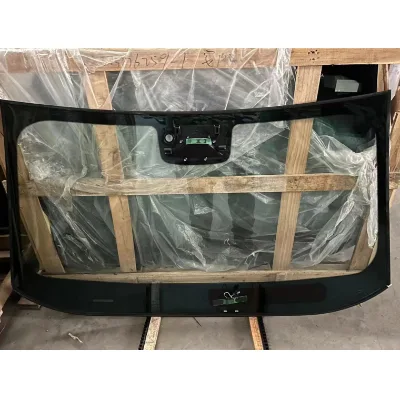
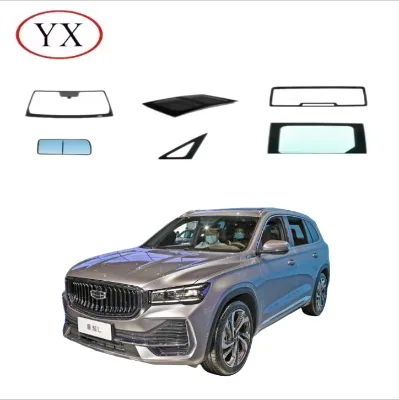


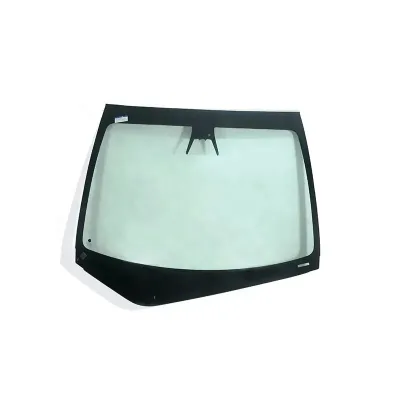
Auto Windshield Replacement Parts Vehicle Front Windscreen Car Front Shield Glass Wholesale
$24.00 - $26.00
MOQ: 100 Pieces


Comprehensive Sourcing Guide
Strategic Sourcing Guide for Front Windshield Replacement
Understanding Technical Specifications and Material Composition
When sourcing front windshields for replacement, the primary objective is to identify components that meet rigorous safety and optical standards while ensuring compatibility with specific vehicle models. The core product category, often designated as "Automotive Safety Glass" or "Front Windscreen Laminated Safety Glass," relies heavily on the structural integrity of laminated glass. Unlike tempered glass, which is typically used for side and rear windows, front windshields require a laminated construction to prevent shattering into sharp fragments upon impact.
The fundamental composition of these windshields involves silicon oxide, the primary ingredient in glass, layered with interlayers to create a bonded structure. Buyers must verify the specific thickness of the glass, as this directly influences the vehicle's aerodynamic profile and structural rigidity. Available specifications in the current market include thicknesses ranging from 4.76mm to 10.76mm, with common variants including 5.76mm, 6.76mm, 7.76mm, 8.76mm, and 10.76mm. Selecting the correct thickness is critical; a deviation can compromise the fitment within the vehicle's frame and affect the performance of advanced driver assistance systems (ADAS) that rely on precise optical clarity and positioning.
Furthermore, the physical dimensions of the windshield must align with the vehicle's design. Sourcing data indicates specific size configurations such as 1347807 mm, 1412900 mm, 1436780 mm, and 1564972 mm. These measurements are not universal but are tailored to specific models, such as the V.W PASSAT B5 (1997-2005) or the ISUZU FASTER/RODEO PICK-UP (1988 onwards). Buyers should not assume that a generic "front windshield" will fit all vehicles; instead, they must cross-reference the model number, such as "CLIO-98 LFW/X," with the specific dimensions and curvature of the replacement part. The position of the glass, whether designated as "Front" or "Lfw" (Left Front Windscreen), dictates the curvature and mounting points, making precise model matching essential for a successful procurement cycle.
Compliance and Certification Verification
In the global automotive aftermarket, compliance with international safety standards is non-negotiable. A front windshield is a critical safety component, and its certification status serves as the primary indicator of its ability to withstand impact and maintain visibility. Buyers must prioritize suppliers who can provide documentation for recognized certifications, including ISO, ECE, DOT, and China-3C. The presence of these marks indicates that the product has undergone testing for optical clarity, mechanical strength, and durability under various environmental conditions.
Specifically, the ECE R43 certification is a vital standard for the European market, ensuring that the glass meets the requirements for safety glazing materials. Similarly, the US-DOT certification is mandatory for vehicles operating in North America, verifying that the glass complies with Federal Motor Vehicle Safety Standards. The China-3C mark is essential for products originating from or destined for the Chinese market. Additionally, management certifications such as ISO/TSType are relevant for verifying the supplier's quality management systems, ensuring that the production process is consistent and controlled.
It is important to note that certification requirements vary by the target market. For instance, products destined for Southeast Asia or Southern Europe may have different regulatory nuances compared to those for North America or South America. Buyers should verify that the specific batch of glass they are purchasing carries the appropriate certification for their region. The absence of these certifications, or the presence of only generic "ISO" labels without specific safety standard references, should trigger a deeper due diligence process. The supplier must be able to provide valid certificate numbers and proof of origin, such as the specific manufacturing locations in Xuchang, Henan, or Guangzhou, China, to validate the authenticity of the compliance claims.
Cost Drivers and Pricing Dynamics
The pricing of front windshields is influenced by a complex interplay of factors, including material costs, manufacturing complexity, certification requirements, and logistics. The observed price range for these products spans from $9.84 to $204.98 USD. This wide disparity is not arbitrary but reflects differences in glass thickness, model specificity, and the level of customization required. Thicker glass, such as the 10.76mm variants, typically commands a higher price due to the increased material usage and the specialized lamination process required to maintain structural integrity.
Customization is another significant cost driver. While many standard models are available "in stock" with immediate delivery, custom orders for specific vehicle models or unique color tints incur additional costs. The market offers options in various colors, including Clear, F-Green, Ggn, Gbn, Cgn, Gtn, CBN, and CTN. The inclusion of black printing, often used for sunshades or aesthetic branding, adds to the production complexity and cost. Buyers seeking "Ggn" or "Gbn" tints must understand that these specific color codes represent distinct manufacturing processes that may affect the final price.
Furthermore, the Minimum Order Quantity (MOQ) plays a crucial role in the unit cost. The observed MOQ range is between 1 and 1500 units. Purchasing a single unit for immediate replacement will result in a higher per-unit cost compared to bulk orders of 1500 units, which benefit from economies of scale. However, buyers must balance the cost savings of bulk purchasing against the risk of inventory obsolescence, especially given the rapid evolution of vehicle models. The delivery time, typically ranging from 10 to 20 days, also impacts the total cost of ownership, as expedited shipping options may be required for urgent repairs, adding to the overall expense.
Typical Applications and Market Segmentation
Front windshields serve diverse applications across various vehicle segments, from passenger cars to commercial trucks. The product specifications indicate that these windshields are designed for a wide array of models, including the CLIO-98, V.W PASSAT B5, and ISUZU FASTER/RODEO PICK-UP. This versatility suggests that the market is segmented by vehicle type, with specific glass formulations optimized for the structural needs of sedans, SUVs, and pickup trucks.
The main markets for these products are geographically diverse, with significant demand in Southeast Asia, North America, South America, and Southern Europe. This global distribution highlights the need for suppliers to understand regional preferences and regulatory environments. For example, the "Mild East" market may have different aesthetic or functional requirements compared to the "North America" market, which prioritizes high-impact resistance. Buyers must align their procurement strategy with the specific needs of their target region, ensuring that the glass not only fits the vehicle but also meets local regulatory and consumer expectations.
Additionally, the application of these windshields extends beyond simple replacement. They are integral to the vehicle's safety system, providing protection against external impacts and maintaining the structural integrity of the cabin. The "Frost Prevention" function mentioned in some product attributes suggests that certain windshields may be treated or designed to resist condensation and icing, a feature particularly valuable in colder climates. Buyers should verify if this function is standard or an optional feature, as it can significantly impact the suitability of the product for specific geographic regions.
Supplier Evaluation and Origin Verification
Evaluating a supplier for front windshield replacement requires a thorough assessment of their manufacturing capabilities, origin, and reliability. The supply chain for automotive glass is concentrated in specific regions, with Xuchang, Henan, and Guangzhou, China, emerging as key production hubs. These locations are known for their established glass manufacturing infrastructure and ability to produce OEM-standard sizes. Buyers should verify the specific origin of the product to ensure it aligns with their quality expectations and logistical requirements.
The production standard for these windshields is typically "OEM Standard Size," ensuring compatibility with original vehicle designs. However, some suppliers may offer "diversification" in their product lines, providing non-standard sizes or custom configurations. Buyers must exercise caution when dealing with diversification, as it may introduce variability in fitment and performance. It is essential to confirm that the supplier adheres to strict quality control measures and can provide evidence of their production processes.
Packaging is another critical aspect of supplier evaluation. The standard packaging for these products includes "Standard Wooden Crates" or "Standard Wooden Cases," which are designed to protect the glass during transit. For smaller orders or specific models, "Standard Carton Box" packaging may be used. Buyers should assess the robustness of the packaging to minimize the risk of damage during shipping. Additionally, the "in stock" status of certain products indicates a supplier's ability to meet immediate demand, while others may require a lead time of 10-20 days. Understanding the supplier's inventory levels and delivery capabilities is crucial for planning procurement cycles effectively.
Quality Control and Long-Term Procurement Considerations
Ensuring the long-term reliability of front windshields requires a robust quality control framework. Buyers should implement a multi-stage verification process that includes visual inspection for optical clarity, dimensional checks against the specified size (e.g., 1347*807 mm), and verification of certification marks. The presence of clear, black printing and the correct color tint (e.g., Clear Green Blue Gray) are indicators of quality control adherence. Any deviation from these specifications should be flagged immediately.
Long-term procurement considerations also involve building a sustainable relationship with suppliers who can consistently deliver high-quality products. Given the lead time of 10-20 days, buyers should plan their inventory levels to avoid stockouts, especially for high-demand models. The ability to customize products, as noted in the product attributes, offers a strategic advantage for buyers looking to differentiate their offerings or meet specific customer needs. However, customization should be balanced with the risk of increased lead times and potential quality inconsistencies.
Finally, buyers must remain vigilant regarding the evolving regulatory landscape. As safety standards continue to tighten, the certification requirements for front windshields may become more stringent. Staying informed about changes in ECE, DOT, and ISO standards will ensure that the procurement strategy remains compliant and competitive. By focusing on technical specifications, compliance, cost drivers, and supplier reliability, buyers can navigate the complex market for front windshield replacements with confidence and efficiency.
FAQs
What certifications are required for Front Windshield for Replace?
Front windshields must carry ISO, ECE, DOT, and China-3C certifications to ensure safety compliance. Specific regions like Europe require ECE R43, while North America mandates US-DOT marks. Verify these labels to confirm the glass meets international safety standards for impact resistance and optical clarity.
Which glass thickness options are available for replacement?
Available thicknesses range from 4.76mm to 10.76mm, including 5mm, 5.76mm, 6.76mm, 7.76mm, 8.76mm, and 10.76mm variants. Selecting the correct thickness is critical for vehicle fitment and aerodynamic profile. Ensure the chosen dimension matches the specific vehicle model requirements to maintain structural integrity.
Can I customize the color and printing on the windshield?
Customization is available for colors such as Clear, F-Green, Ggn, Gbn, Cgn, and various tints like Gtn and CBN. Black printing for sunshades or branding is also an option. Buyers should confirm specific color codes and printing requirements with the supplier to ensure the final product meets aesthetic and functional needs.
How long is the delivery time for Front Windshield for Replace?
The standard delivery time is typically between 10 and 20 days from order placement. Some items may be available in stock for immediate dispatch, while custom orders require the full lead time. Plan procurement cycles accordingly to avoid delays, especially for urgent replacements or bulk orders.
What are the minimum order quantities for purchasing windshields?
Minimum order quantities range from 1 unit to 1500 units depending on the supplier and product type. Bulk orders of 1500 units often benefit from lower per-unit costs due to economies of scale. Buyers should balance inventory needs with cost savings when selecting their order size.
Where are the manufacturers of these windshields located?
Manufacturers are primarily located in Xuchang, Henan, and Guangzhou, China. These regions are known for established glass manufacturing infrastructure capable of producing OEM standard sizes. Verifying the specific origin ensures the product aligns with quality expectations and logistical requirements for international shipping.
What packaging standards are used for shipping the glass?
Products are typically packed in standard wooden crates or wooden cases to protect against transit damage. Smaller orders or specific models may use standard carton boxes. Robust packaging is essential to minimize the risk of breakage during shipping and ensure the glass arrives in pristine condition.