Source Frosted Glass Lamp Cover for Lighting, Warehouse, and Home
Find and compare 30 Frosted Glass Lamp Cover options tailored for light fixtures, warehouse environments, and home decor. Evaluate specifications such as tempered or borosilicate materials, thickness ranges, and custom shapes to identify suitable protective covers for your lighting projects.
Key considerations
Products List


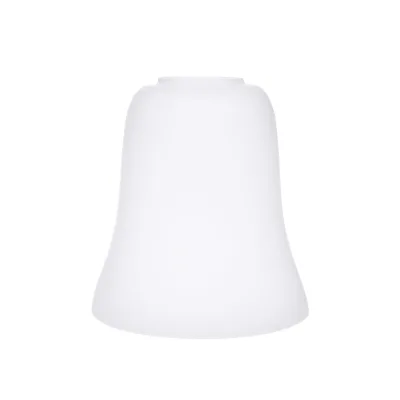
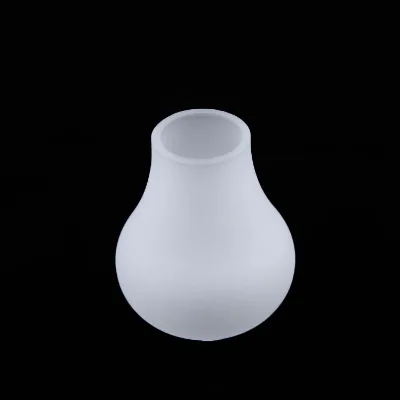


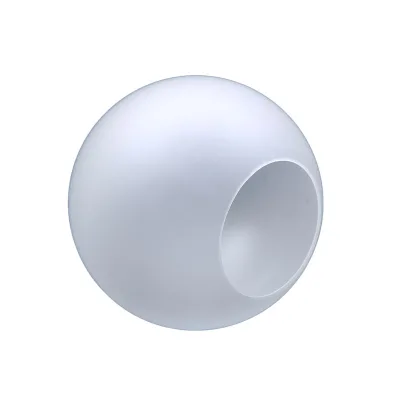
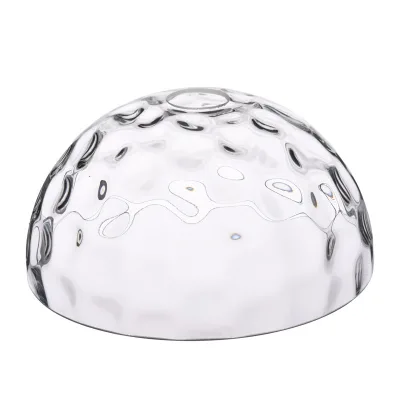
Molded Pressed High Borosilicate Glass Lamp Cover Sandblasted Glass Lamp Shade
$0.40 - $1.00
MOQ: 500 Pieces


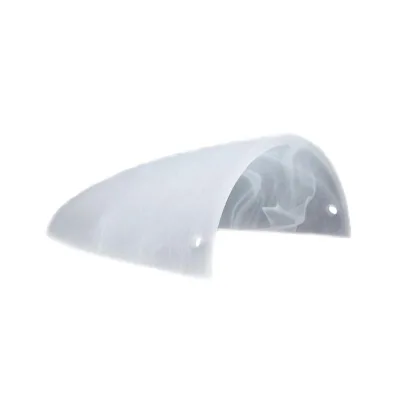
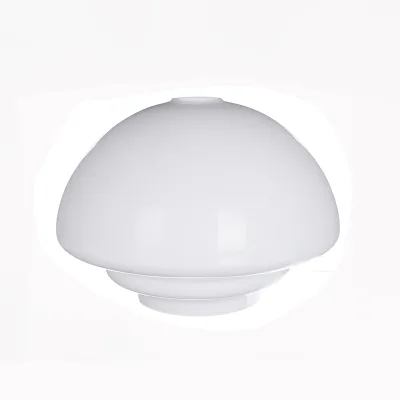
Comprehensive Sourcing Guide
Frosted Glass Lamp Cover Sourcing Guide
Sourcing frosted glass lamp covers requires a nuanced understanding of material properties, optical performance, and manufacturing capabilities. While the core keyword specifies "frosted" glass, the available market data indicates a broader range of glass types, including tempered, borosilicate, and clear variants, which may be treated or selected based on specific lighting needs. Buyers must distinguish between the aesthetic finish of frosted glass and the structural integrity provided by tempered or heat-resistant materials. This guide provides evidence-based procurement strategies to help buyers navigate these distinctions, ensuring that the selected components meet both functional and aesthetic requirements for lighting applications.
The procurement process involves evaluating suppliers based on their ability to customize dimensions, manage thickness variations, and adhere to relevant safety standards. Observed listings suggest a wide variability in product models, from standard sizes to fully custom designs. Buyers should prioritize suppliers who offer transparent technical specifications and clear communication regarding material origins and processing methods. By focusing on verifiable attributes such as thickness ranges, certification status, and packaging standards, buyers can mitigate risks associated with quality inconsistencies and supply chain disruptions.
Product Scope and Observed Listing Signals
The observed product scope for glass lamp covers encompasses a diverse array of materials and applications, ranging from household lighting to industrial warehouse fixtures. Listings indicate the use of tempered glass and borosilicate glass, with thicknesses varying from 2mm to 25mm. This wide range suggests that suppliers cater to both delicate decorative lighting and robust protective covers. The application field includes home use, warehouse environments, and general lamp protective covers, highlighting the versatility of these components. Buyers should carefully match the material type to the intended environment, considering factors such as heat resistance and impact durability.
Observed listing signals reveal significant variability in product models, such as BLP-LC, LG-P03, and HHK170330008, indicating that many suppliers operate on a make-to-order basis. The presence of "Make to Order" attributes suggests that customization is a key selling point, allowing buyers to specify dimensions, shapes, and silkscreen colors. However, this also implies longer lead times and potentially higher minimum order quantities. Buyers should verify whether the supplier can handle small-batch customizations or if they are optimized for large-scale production runs. Understanding these operational models is crucial for aligning procurement strategies with project timelines and budget constraints.
Technical Specifications to Verify
Thickness is a critical technical specification that directly impacts the durability and optical clarity of the lamp cover. Observed data indicates a thickness range of 2-25mm, with specific mentions of 3mm-19mm for certain models. Buyers must verify the exact thickness required for their application, as thicker glass offers greater impact resistance but may affect light transmission. Additionally, the shape of the cover, whether square or custom-designed, should be confirmed to ensure compatibility with existing lamp fixtures. Dimensional accuracy is paramount, especially for standardized sizes like the 86 Type, which requires precise measurements of 86*86mm as a minimum.
Material quality and type are equally important, with tempered glass and borosilicate glass being the most commonly cited options. Tempered glass provides enhanced safety and strength, making it suitable for high-traffic areas, while borosilicate glass offers superior heat resistance, ideal for high-temperature lighting applications. Buyers should also consider the glass type, such as melt glass, and its impact on the final product's appearance and performance. Verifying these material specifications ensures that the lamp cover will withstand the operational demands of its intended environment, whether it involves heat, shock, or physical impact.
Compliance and Safety Documentation
Compliance with international standards is essential for ensuring the safety and quality of glass lamp covers. Observed certifications include ISO9001, CCC, RoHS, CE, and SGS, indicating that suppliers adhere to various quality and environmental management systems. Buyers should verify the specific certifications relevant to their target market, as requirements can vary significantly between regions. For instance, CE marking is crucial for products sold in the European Union, while CCC certification is necessary for the Chinese market. Ensuring that the supplier holds these certifications reduces the risk of non-compliance and potential legal issues.
Safety features such as explosion-proof properties and heat resistance are critical for lamp covers used in demanding environments. Buyers should request test reports or documentation that confirm these properties, especially if the lamp cover will be exposed to high temperatures or potential impact. The presence of "Explosion Proof" attributes suggests that some products are designed to contain shattering glass in the event of breakage, enhancing safety for users. Verifying these safety claims through independent testing or supplier-provided evidence is a vital step in the procurement process, ensuring that the product meets all necessary safety standards.
Cost Drivers and Commercial Terms
Cost drivers for frosted glass lamp covers include material type, thickness, customization level, and packaging requirements. Tempered and borosilicate glasses are generally more expensive than standard glass due to their enhanced properties. Customization, such as specific silkscreen colors or non-standard dimensions, can also increase costs. Buyers should request detailed quotes that break down these cost components to understand the pricing structure. Additionally, packaging methods, such as plywood crates or wooden cases, can affect shipping costs and product safety during transit.
Commercial terms, including minimum order quantities (MOQ) and payment terms, vary among suppliers. Observed MOQ ranges from 100 to 10,000 units, indicating that some suppliers cater to small businesses while others focus on large-scale industrial clients. Buyers should negotiate terms that align with their production volume and cash flow requirements. It is also important to clarify the lead time for production and delivery, especially for custom orders. Understanding these commercial terms helps buyers plan their procurement activities more effectively and avoid unexpected delays or costs.
Supplier Qualification and Quality Control
Supplier qualification involves assessing their manufacturing capabilities, quality control processes, and track record. Buyers should verify the supplier's origin, with Jiangmen, Guangdong, and Shandong being common locations for glass manufacturers in China. These regions are known for their expertise in glass processing and production. Buyers should request information about the supplier's production facilities, including equipment and technology used. This information helps evaluate the supplier's ability to meet specific quality and volume requirements.
Quality control measures, such as inspections and testing, are crucial for ensuring product consistency. Buyers should inquire about the supplier's quality control protocols, including how they handle defects and returns. Observing the supplier's packaging standards, such as the use of paper interlayers or carton packages, can also provide insights into their attention to detail. Establishing a clear communication channel with the supplier for addressing quality issues is essential for maintaining a successful procurement relationship. Regular audits or third-party inspections may also be beneficial for high-volume orders.
Long-Term Procurement Checks
Long-term procurement success depends on continuous monitoring of supplier performance and market trends. Buyers should establish key performance indicators (KPIs) to track metrics such as delivery times, product quality, and responsiveness. Regular reviews of these metrics help identify potential issues early and allow for corrective actions. Additionally, staying informed about changes in industry standards and regulations ensures that the procured products remain compliant. Buyers should also consider diversifying their supplier base to mitigate risks associated with single-source dependencies.
Building a strong relationship with suppliers can lead to better pricing, priority service, and collaborative innovation. Buyers should engage in open dialogue with suppliers to discuss future needs and potential improvements. This collaborative approach can result in customized solutions that better meet the buyer's requirements. Furthermore, exploring new materials or technologies, such as advanced frosted finishes or improved heat-resistant coatings, can enhance the product's value proposition. By maintaining a proactive and strategic approach to procurement, buyers can secure a reliable supply of high-quality frosted glass lamp covers.
FAQs
What customization options are available for frosted glass lamp covers?
Customization is available for frosted glass lamp covers to meet specific design needs. Buyers can request custom shapes and sizes ranging from 86mm up to customized dimensions. The glass thickness can be selected between 2mm and 25mm depending on the application requirements.
Which certifications do these glass lamp covers typically hold?
These glass lamp covers typically hold ISO9001, CCC, CE, and RoHS certifications. Some products also meet SGS standards or specific design requirements. Buyers should verify the specific certification list for each model to ensure compliance with local regulations.
How is the Frosted Glass Lamp Cover packed for shipping?
The Frosted Glass Lamp Cover is packed in plywood crates with paper interlayers or wooden cases. Some variants use carton packages or wooden box packages for protection. This packaging ensures the tempered or borosilicate glass remains safe during transit.
What is the minimum order quantity for these glass covers?
The minimum order quantity for these glass covers ranges from 100 to 10,000 units depending on the supplier. Specific models may have an MOQ of 1,000 units. Buyers should confirm the exact MOQ with the manufacturer before placing an order.
Can the Frosted Glass Lamp Cover be used in warehouse applications?
Yes, the Frosted Glass Lamp Cover can be used in warehouse applications. It is also suitable for home and light cover uses. The glass is designed to be explosion-proof, heat resistant, and shock resistant for various industrial and residential environments.
What materials are used to make these lamp protective covers?
These lamp protective covers are made from tempered glass, Pyrex glass, or borosilicate glass. The material quality ensures high durability and safety. Some products are also described as melt glass or standard glass depending on the specific model.
Where are these frosted glass lamp covers manufactured?
These frosted glass lamp covers are manufactured in China, specifically in Jiangmen, Guangdong, and Shandong regions. The origin location may vary by supplier. Buyers can expect products to originate from these established manufacturing hubs in China.