Source Glutinous Cake for Banquets, Parties, and Retail
Find 30 Glutinous Cake options from Chinese manufacturers. Compare frozen and refrigerated varieties, including cheese and fruit flavors, with customizable packaging and OEM services for bulk orders.
Key considerations
Products List




Comprehensive Sourcing Guide
Glutinous Cake Sourcing Guide
The procurement of Glutinous Cake products requires a nuanced understanding of the specific variations available in the global market, particularly when distinguishing between traditional steamed varieties and modern frozen dessert formats. While the core keyword suggests a focus on sticky rice-based confections, the observed market data indicates a significant presence of frozen mousse cakes, cheesecakes, and fruitcakes that share the "cake" classification but differ fundamentally in composition and storage requirements. Buyers must carefully align their product definition with the actual inventory signals, noting that observed listings include items labeled as "Cheese Cake Frozen," "Mousse Cake," and "Fruitcakes" with flavors ranging from chocolate and cream to mango and lemon. This distinction is critical because the supply chain for frozen bakery items, which often require cold chain logistics, differs significantly from the dry goods or ambient storage requirements of traditional glutinous rice cakes.
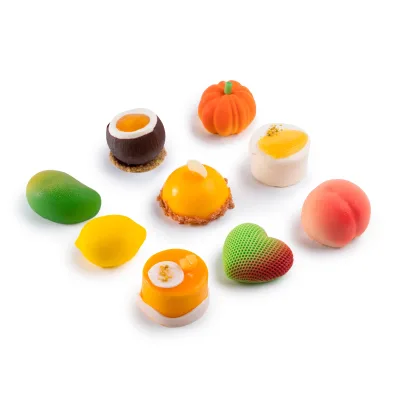
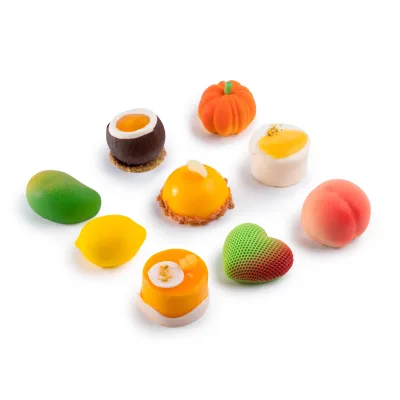
Sourcing decisions must also account for the diverse packaging and presentation formats observed in current listings, which range from simple plastic boxes to multi-unit cartons designed for banquet or private enjoyment occasions. The market data reveals that suppliers offer products with specific shapes, such as round forms or fruit-shaped designs like mango and peach, alongside standard rectangular or square cuts. These physical attributes directly influence the logistics strategy, as the "Single volume" and "Single gross weight" metrics vary widely, with some entries showing zero volume or weight data that necessitates direct supplier verification. Procurement teams should prioritize suppliers who provide clear specifications on whether the product is intended for immediate consumption, such as thawing at room temperature, or for extended frozen storage, as the "Instruction for use" varies from keeping items fresh below 8℃ for three days to maintaining a minus 18℃ environment for up to 12 months.
Product Scope and Observed Listing Signals
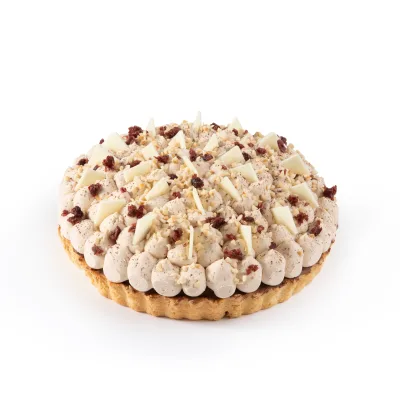
The product scope for Glutinous Cake sourcing currently encompasses a broad spectrum of frozen bakery items, including frozen mascarpone cheesecakes, gateau Basque, and various fruitcakes that are marketed under the general "cake" umbrella. Buyers should observe that the "Variety" field in supplier listings often aggregates distinct product types, such as frozen fruitcakes and gateau Basque cheesecakes, which may not contain glutinous rice but are categorized together in digital marketplaces. This aggregation creates a risk of misalignment if the buyer's specific requirement is for a traditional glutinous rice texture; therefore, the "Main Ingredients" field must be scrutinized to confirm the presence of rice flour or glutinous rice, as many observed listings instead list cream, cheese, milk, gelatin, and food coloring as primary components. The "Flavour" and "Content" attributes further diversify the scope, with options including chocolate, hazelnut, cranberry, and fruit combinations like mango, lemon, and peach, alongside visual indicators such as yellow, green, and pink coloring.
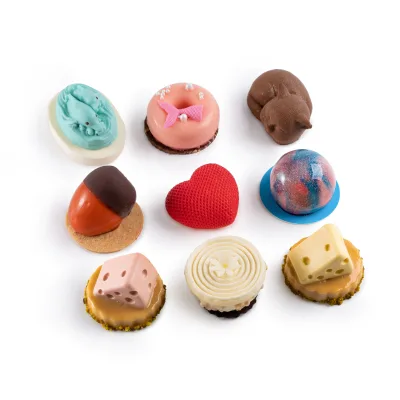
Listing signals also highlight the importance of the "Occasion" and "Style" attributes in defining the target market for these products. The observed data indicates that these items are frequently positioned for specific events such as birthday parties, banquets, and private enjoyment, suggesting a B2B focus on catering services, retail bakeries, and event planners. The "Style" is predominantly listed as "FROZEN," which dictates the entire handling and distribution strategy, requiring suppliers to maintain a consistent cold chain from the "Place of Origin" in regions like Jiangsu, China, or Shannxi Xi'an to the final destination. Buyers must verify the "Product Type" and "Shape" to ensure the visual and textural expectations match the order, as the market includes both standard round shapes and specialized fruit-shaped mousse cakes, each requiring different packaging configurations like "Box," "Carton," or "Plastic Box" to prevent damage during transit.
Technical Specifications to Verify
Technical verification begins with the precise definition of storage parameters, as the "Storage Way" and "Shelf Life" are critical determinants of product viability and logistics costs. The observed data presents a dichotomy between refrigerated and frozen storage, with some products requiring a "Cool Storage" environment or being kept fresh below 8℃ for only three days, while others are designed for long-term frozen storage at minus 18℃ for up to 12 months. Buyers must explicitly confirm the "Storage Type" and the specific temperature thresholds required to maintain the "Instruction for use" guidelines, such as the mandate to thaw at room temperature and the strict prohibition against refreezing. Failure to align the cold chain infrastructure with these specific technical requirements can lead to product degradation, texture loss, or safety issues, particularly for items containing dairy-based ingredients like cream and cheese.
Packaging specifications and physical dimensions are equally vital for operational planning and cost estimation. The "prod_packing" and "Package" attributes indicate a range of options from individual "Plastic Box" units to bulk "Carton" shipments, with specific configurations such as 10 pieces per box and 12 boxes per carton observed in the market. Buyers need to verify the "Single volume" and "Single gross weight" to accurately calculate shipping costs and warehouse space requirements, as some listings currently show zero values that require immediate clarification from the supplier. Additionally, the "Packaging Material" is noted as plastic, which impacts sustainability goals and recycling compliance, while the "Shape" and "Decoration" features, such as fruit toppings or specific molded forms, must be confirmed to ensure they meet the aesthetic standards required for the intended sales channel.
Compliance and Safety Documentation
Compliance verification for frozen cake products must prioritize food safety certifications that validate the manufacturing environment and ingredient sourcing. The observed market data confirms the presence of ISO and ISO22000 certifications, alongside HACCP standards, which are essential for suppliers operating in the food processing sector. Buyers should request current certificates to verify that the "Manufacturer," such as Suzhou Fulan Sweet Food Co., LTD, adheres to these recognized safety management systems. These certifications are not merely administrative requirements but serve as evidence that the supplier has implemented rigorous controls over the production process, from the handling of raw materials like gelatin and food coloring to the final packaging of the frozen goods.
Ingredient transparency and allergen management are critical components of the compliance framework, especially given the complex "Main Ingredients" lists that include dairy, nuts, and potential allergens. The "Ingredients" field in the observed listings explicitly mentions gelatin and food coloring, which may trigger specific labeling requirements in various export markets. Buyers must ensure that the supplier provides a comprehensive allergen statement and that the "Flavour" and "Content" descriptions accurately reflect the presence of common allergens such as milk, nuts, and soy. Furthermore, the "Place of Origin" and "Address" details, such as the Korea Industrial Park in Jiangsu Province, should be cross-referenced with import regulations to ensure that the product meets the specific labeling and safety standards of the destination country.
Cost Drivers and Commercial Terms
Cost drivers in the Glutinous Cake market are heavily influenced by the "MOQ" (Minimum Order Quantity) and the complexity of the cold chain logistics required for frozen products. The observed MOQ range spans from 1 unit to 30,000 units, with specific listings indicating a requirement of 5 cartons for certain items, which can significantly impact the initial investment for small buyers. Buyers must evaluate whether the supplier's MOQ aligns with their inventory turnover rates and storage capacity, as frozen products often require dedicated freezer space that incurs higher operational costs than ambient storage. The "Selling Units" and "Specification" details, such as the number of pieces per box, also play a role in determining the effective unit cost, as bulk purchasing of 12 boxes per carton may offer better economies of scale compared to single-item purchases.
Commercial terms must also account for the "Customization" availability and the "Service" options provided by the supplier, such as OEM acceptance. The fact that customization is available suggests that buyers can negotiate specific packaging, labeling, or flavor profiles, which may incur additional costs or longer lead times. Buyers should clarify the "Lead Time" and "Production Capacity" to ensure that the supplier can meet demand peaks, particularly for seasonal occasions like birthday parties or banquets. Additionally, the "Price" range observed in the market, which varies from $0.5 to $4300, indicates a wide disparity based on product complexity, packaging, and order volume, necessitating a detailed request for quotation that breaks down costs by unit, packaging, and logistics to avoid hidden expenses.
Supplier Qualification and Quality Control
Supplier qualification should focus on the manufacturer's track record and their ability to maintain consistent quality across frozen product lines. The observed data identifies specific manufacturers, such as Suzhou Fulan Sweet Food Co., LTD, which operate in established industrial parks in China, providing a baseline for geographic and operational stability. Buyers should verify the "Manufacturer" details and request references or case studies that demonstrate the supplier's ability to handle large-scale orders while maintaining the "Shelf Life" and "Storage" integrity of the products. The presence of certifications like ISO and HACCP is a strong indicator of a qualified supplier, but buyers must also assess the supplier's internal quality control processes, including regular testing of raw materials and finished goods for microbial safety and texture consistency.
Quality control protocols must extend to the packaging and labeling accuracy, as these are the first points of contact for the end consumer. The "Package" and "Packing" attributes, such as the use of plastic boxes and cartons, must be inspected for durability and suitability for frozen transport to prevent leakage or damage. Buyers should implement a sampling plan that checks for visual defects, such as incorrect "Decoration" or "Shape" deviations, and verifies that the "Flavour" and "Taste" match the agreed specifications. Additionally, the "Instruction for use" provided on the packaging must be clear and accurate to prevent consumer misuse, which could lead to product spoilage and reputational damage for the buyer.
Long-Term Procurement Checks
Long-term procurement success relies on establishing a robust relationship with suppliers that includes regular performance reviews and continuous improvement initiatives. Buyers should schedule periodic audits to verify that the supplier continues to meet the "Certification" and "Standard" requirements, such as ISO2200 and HACCP, and that their production processes remain compliant with evolving food safety regulations. The "Customization" capability should be re-evaluated periodically to ensure that the supplier can adapt to changing market trends, such as new flavor profiles or packaging innovations, without compromising quality or delivery timelines. Maintaining open communication channels regarding "Service" expectations and "Address" changes ensures that the supply chain remains agile and responsive to market dynamics.
Finally, buyers must monitor the "Shelf Life" and "Storage" performance of the products over time to identify any trends in quality degradation or supply chain disruptions. The observed "Shelf Life" of 6 to 12 months for frozen items requires careful inventory management to prevent stock expiration, and buyers should implement a first-expiry-first-out (FEFO) system to minimize waste. Regular reviews of the "Price" and "MOQ" terms are also essential to ensure that the commercial agreement remains competitive and aligned with the buyer's financial goals. By continuously tracking these key performance indicators, buyers can mitigate risks and build a resilient supply chain that supports the long-term growth of their Glutinous Cake product portfolio.
FAQs
What is the shelf life of frozen Glutinous Cake products?
The shelf life is typically 6 to 12 months when stored frozen. For refrigerated storage, the product remains fresh for only three days. Buyers must adhere to strict temperature controls to maintain quality and safety standards throughout the supply chain.
Can suppliers offer OEM customization for Glutinous Cake orders?
Yes, customization is available for many Glutinous Cake products. Manufacturers often accept OEM services to tailor flavors, packaging, and specifications. Buyers can request specific ingredients or branding to meet their unique market requirements and distribution needs.
What certifications do Glutinous Cake manufacturers typically hold?
Manufacturers commonly hold ISO, ISO22000, and HACCP certifications. These standards ensure food safety and quality management systems are in place. Buyers should verify these credentials to guarantee compliance with international food safety regulations and supply chain requirements.
What is the minimum order quantity for Glutinous Cake?
The minimum order quantity varies, often starting at 5 cartons. Some suppliers may accept orders as low as 1 unit, while others require up to 30,000 units. Buyers should confirm specific MOQs with suppliers to align with their inventory and budget.
How should frozen Glutinous Cake be stored and handled?
Store frozen Glutinous Cake at minus 18 degrees Celsius. If refrigerated, keep it below 8 degrees Celsius and consume within three days. Thaw at room temperature and do not refreeze to preserve texture and flavor integrity for optimal consumption.
What packaging materials are used for Glutinous Cake products?
Products are typically packaged in plastic boxes or cartons. Specifications often include 10 pieces per box and 12 boxes per carton. This packaging ensures protection during transit and maintains the product's freshness until it reaches the final consumer or retailer.