Source Gluten Free White Bread Crumbs for Coating, Baking, and Breading
Compare 30 listings for Gluten Free White Bread Crumbs sourced from China. Evaluate attributes like particle size, packaging, and certifications to find suitable suppliers for food manufacturing needs. These products are typically made from wheat flour, offering a salty taste and crispy texture suitable for various culinary applications.
Key considerations
Products List




Comprehensive Sourcing Guide
Gluten Free White Bread Crumbs Sourcing Guide
Sourcing gluten-free white bread crumbs requires careful attention to ingredient purity and cross-contamination controls, as standard wheat-based products are explicitly listed in the available market data. Buyers must distinguish between conventional wheat flour crumbs and specialized gluten-free alternatives, ensuring that suppliers provide clear documentation of raw material sources. The observed product listings predominantly feature wheat flour as the main ingredient, which disqualifies them for strict gluten-free applications unless certified otherwise. Procurement teams should prioritize suppliers who explicitly state gluten-free status in their product descriptions and verify that no wheat, barley, or rye derivatives are present in the formulation.
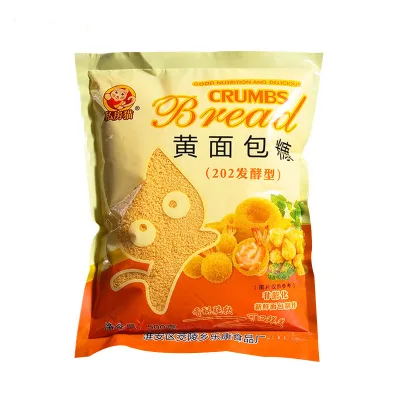
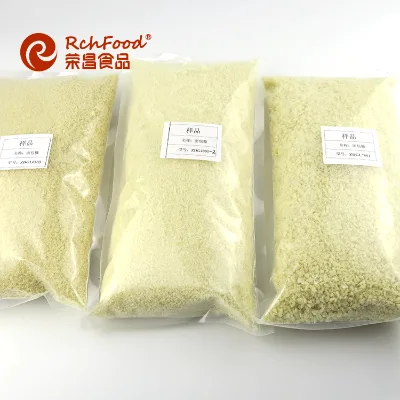
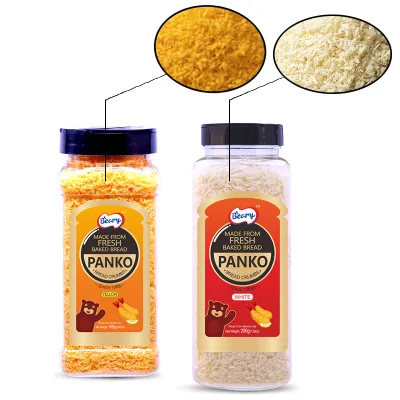
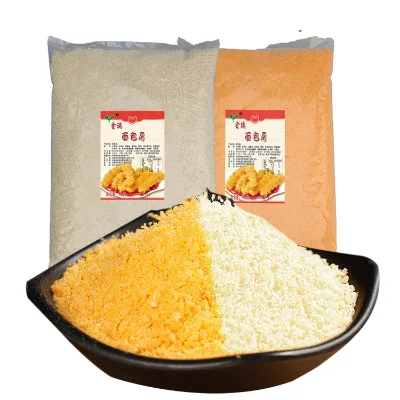
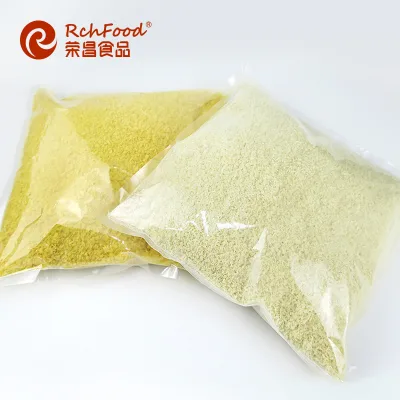
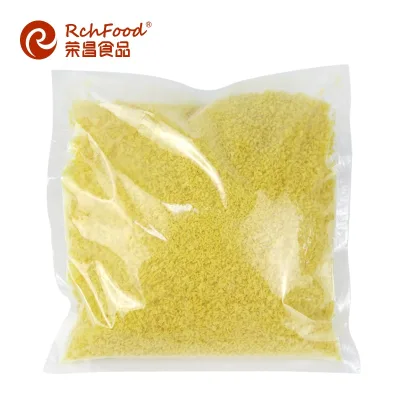
The visual and textural characteristics of bread crumbs also play a critical role in final product quality, with options ranging from needle-shaped to granular forms. While many listed products describe a salty taste and golden soft style, gluten-free variants often require specific texture adjustments to mimic the mouthfeel of traditional breadcrumbs. Buyers should request samples to evaluate particle size distribution, which typically ranges from 2.5mm to 16mm in standard products, to ensure compatibility with their coating processes. Understanding these physical attributes helps in selecting the right product for specific applications, whether for frying, baking, or breading, while maintaining the integrity of the gluten-free claim.
Product Scope and Observed Listing Signals
The current market landscape for bread crumbs shows a wide variety of packaging options, including bags, cartons, and bulk kraft paper bags, with weights ranging from small retail packs to large industrial quantities. Observed listings indicate packaging configurations such as 1kg per 10 bags per carton or 10kg in kraft paper bags, suggesting flexibility in supply chain logistics. However, the presence of wheat flour as a primary ingredient in most observed products highlights the need for buyers to scrutinize labels carefully. The distinction between standard wheat-based crumbs and gluten-free alternatives is not always visually apparent, making textual verification of ingredients essential for compliance with dietary restrictions.
Shelf life and storage conditions are significant factors in the procurement of bread crumbs, with many products offering a shelf life of 24 months when stored in dry and cool places. This longevity allows for strategic inventory management, reducing the risk of spoilage and ensuring consistent supply for manufacturing operations. The observed products also emphasize features such as low-salt content and natural original flavors, which may appeal to health-conscious consumers or specific culinary applications. Buyers should consider these attributes when evaluating product suitability, ensuring that the flavor profile and preservation methods align with their brand standards and customer expectations.
Technical Specifications to Verify
Particle size and form are critical technical specifications that influence the performance of bread crumbs in various culinary applications. Standard products may exhibit granular, white, or yellow appearances with particle sizes ranging from 2.5mm to 16mm, affecting the texture and adherence of the coating on food items. For gluten-free products, buyers should verify that the particle size is consistent and suitable for their specific processing equipment, as variations can impact the final product's quality. Additionally, the shape of the crumbs, whether needle-shaped or granular, should be matched to the intended use, such as frying or baking, to achieve the desired crispiness and visual appeal.
The moisture content and drying process are also key technical aspects that determine the shelf stability and rehydration properties of bread crumbs. Products described as dried or refined typically undergo specific processing types to ensure low moisture levels, which prevent mold growth and extend shelf life. Buyers should inquire about the drying methods used, such as air drying or oven drying, as these can affect the color, flavor, and texture of the final product. Verifying these technical details ensures that the bread crumbs meet the required specifications for their application, whether for commercial food production or retail packaging.
Compliance and Safety Documentation
Certifications such as HACCP, ISO, and BRC are commonly observed in the bread crumb market, indicating adherence to international food safety and quality management standards. These certifications are crucial for buyers who need to ensure that their suppliers maintain rigorous control over production processes, reducing the risk of contamination and ensuring product consistency. For gluten-free products, additional certifications may be required to verify the absence of gluten, such as specific gluten-free certifications from recognized bodies. Buyers should request copies of these certificates and verify their validity to ensure compliance with regulatory requirements in their target markets.
Traceability and ingredient sourcing documentation are equally important for maintaining the integrity of gluten-free claims. Suppliers should provide detailed information about the origin of raw materials, including the source of wheat flour or alternative grains used in production. This documentation helps buyers assess the risk of cross-contamination and ensures that the products meet their specific dietary requirements. Additionally, buyers should verify that suppliers have implemented strict segregation practices in their facilities to prevent mixing gluten-free and gluten-containing products during processing and packaging.
Cost Drivers and Commercial Terms
Pricing for bread crumbs varies significantly based on factors such as packaging size, certification level, and order volume, with observed price ranges extending from low-cost bulk options to premium packaged goods. Buyers should consider the total cost of ownership, including shipping, handling, and storage costs, when evaluating supplier quotes. The observed MOQ ranges from 1 to 3000 units, offering flexibility for both small-scale and large-scale procurement needs. Understanding these cost drivers helps buyers negotiate better terms and optimize their supply chain efficiency.
Payment terms and lead times are also critical commercial considerations that impact cash flow and inventory management. Suppliers may offer different payment options, such as advance payment or letter of credit, depending on the order size and relationship history. Lead times can vary based on production capacity and shipping logistics, so buyers should confirm these details before placing orders. Establishing clear commercial terms ensures smooth transactions and minimizes the risk of delays or disputes, allowing for reliable supply chain operations.
Supplier Qualification and Quality Control
Supplier qualification involves assessing the manufacturer's production capabilities, quality control systems, and compliance with industry standards. Buyers should conduct site audits or request third-party audit reports to verify the supplier's ability to maintain consistent product quality and safety. For gluten-free products, it is essential to confirm that the supplier has dedicated production lines or strict cleaning protocols to prevent cross-contamination. This due diligence helps mitigate risks and ensures that the supplier can meet the buyer's specific requirements for gluten-free bread crumbs.
Quality control measures should include regular testing for gluten content, microbial safety, and physical attributes such as particle size and moisture content. Buyers should establish clear quality specifications and request test reports from the supplier for each batch of products. Implementing a robust quality control process helps identify and address potential issues early, ensuring that the final products meet the required standards. Regular communication with suppliers and feedback loops are also important for continuous improvement and maintaining high-quality standards.
Long-Term Procurement Checks
Long-term procurement success depends on continuous monitoring of supplier performance and market trends. Buyers should regularly review supplier performance metrics, such as on-time delivery, product quality, and responsiveness to issues, to ensure ongoing compliance with their requirements. Staying informed about changes in regulations, consumer preferences, and technological advancements in bread crumb production helps buyers adapt their sourcing strategies accordingly. This proactive approach ensures that the supply chain remains resilient and competitive in the long run.
Building strong relationships with suppliers and fostering collaboration can lead to better pricing, improved product quality, and innovative solutions. Buyers should engage in regular discussions with suppliers to share feedback, discuss future needs, and explore opportunities for product development. Additionally, diversifying the supplier base can reduce dependency on single sources and mitigate risks associated with supply chain disruptions. By maintaining a strategic and flexible procurement approach, buyers can secure a reliable supply of high-quality gluten-free white bread crumbs for their operations.
FAQs
What is the main ingredient in these bread crumbs?
The main ingredient is wheat flour, which means this product is not gluten-free. It also contains palm oil, water, and yeast. The appearance is granular and comes in white or yellow colors. This product is suitable for fried food surfaces and has a salty taste.
How long is the shelf life of the bread crumbs?
The shelf life is 24 months when stored correctly. You must keep the product in a dry and cool place away from water. The packaging includes inside bags and external cartons to maintain freshness. This ensures the product remains safe for consumption throughout the specified period.
Which certifications do the manufacturers hold?
The manufacturers hold HACCP, ISO, BRC, and FDA certifications. These standards ensure quality and safety in the production process. The product is also graded as grade A. These certifications verify that the manufacturing process meets international food safety requirements for export.
Can I customize the packaging for this product?
Yes, customization is available for this product. The standard packaging includes 10kg kraft paper bags or bulk options. You can also choose from box, bag, or family pack styles. This flexibility allows buyers to select packaging that fits their specific distribution needs.
What is the minimum order quantity for this item?
The minimum order quantity ranges from 1 to 3000 units depending on the supplier. Specific packing options include 230g bags or 500g bags per carton. Buyers should check individual supplier listings for exact MOQ requirements. This range accommodates both small trial orders and large bulk purchases.
Where is the place of origin for these bread crumbs?
The place of origin is China, specifically Anhui and Beijing regions. The product is exported from the mainland of China. This location is known for producing wheat flour-based food items. Buyers should verify the specific factory location when placing orders for logistics planning.
What is the particle size of the bread crumbs?
The particle size ranges from 2.5mm to 16mm. This size variation allows for different culinary applications. The product is described as needle-shaped or granular. This specific dimension ensures the crumbs adhere well to food surfaces during the frying process.