Source Glass Measuring Cup for Beverage, Gift, and Personal Care
Find 30 Glass Measuring Cup options for beverage, gift, and personal care applications. Compare wide-mouthed, leak-proof, and dishwasher-safe designs from Chinese manufacturers. Evaluate BPA-free plastic and glass materials with custom OEM/ODM services for your specific volume and packaging needs.
Key considerations
Products List


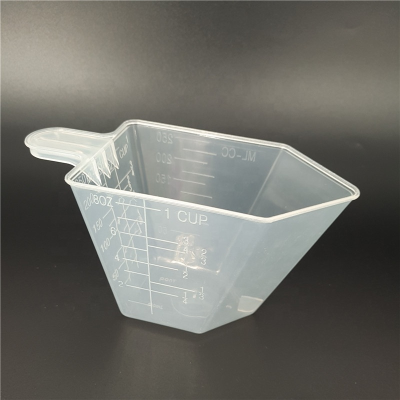
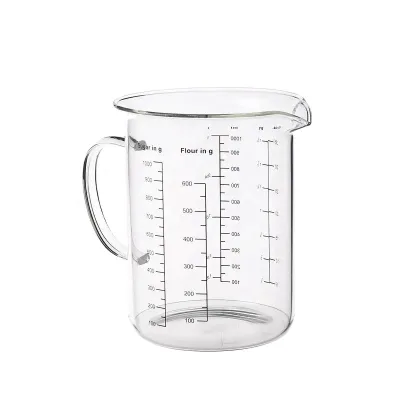
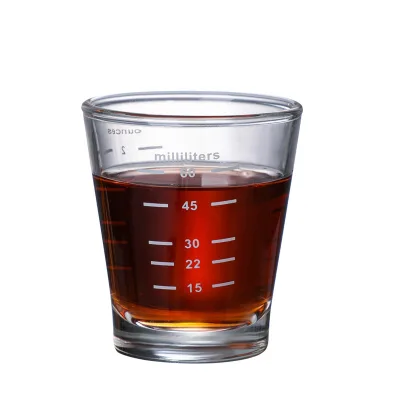
Comprehensive Sourcing Guide
Glass Measuring Cup Sourcing Guide
Procuring glass measuring cups requires distinguishing between general kitchenware and specialized industrial containers, as the market offers diverse configurations for different operational needs. Buyers must first verify whether the product is intended for daily household use or specific beverage and gift applications, as the supplied data indicates a wide range of usage scenarios including food service and personal care. The observed listings reveal that while some units are designed as simple transparent cups with handles, others function as wide-mouthed bottles with significant volume capacities, necessitating a clear definition of the end-use before engaging suppliers.
The sourcing landscape presents a complex array of material and design attributes that directly impact functionality and safety. While the core keyword focuses on glass, the available data shows a mix of plastic and glass materials, with specific models featuring hand-blown craftsmanship or standard industrial molding. Buyers should carefully cross-reference the listed dimensions, such as the 12x3.3cm or 10x8x11.5cm specifications, against their actual storage or dispensing requirements to ensure the selected unit fits their logistical and operational constraints without requiring costly custom modifications.
Product Scope and Observed Listing Signals
The observed product range spans from small individual measuring cups to larger wide-mouthed bottles, with volume capacities ranging from 100 to 1000 milliliters depending on the specific model. Listings indicate that some units are sold as single items in OPP bags, while others are packaged in foam boxes or bulk cartons on pallets, reflecting different shipping and handling requirements. This variation suggests that buyers must explicitly define their packaging needs, as the standard packing methods vary significantly between suppliers offering 1-3 piece sets versus those providing bulk industrial quantities.
Design features observed in the market include wide openings, leak-proof seals, and dishwasher-safe properties, which are critical for both commercial and residential applications. The data highlights that some products are explicitly marked as BPA-free and recyclable, aligning with modern sustainability goals, while others emphasize customizability through OEM and ODM services. Buyers should note that while some models are described as having an "original" style, others offer customized standards, meaning the aesthetic and functional profile of the final product will depend heavily on the specific supplier's capabilities and the buyer's customization requests.
Technical Specifications to Verify
Dimensional accuracy is a primary concern when sourcing glass measuring cups, as the supplied data lists specific tolerances such as less than plus-minus 1 millimeter for dimensions and plus-minus 1 percent for weight. These tight tolerances are essential for ensuring that the cups fit into automated filling lines or standardized storage racks without causing jams or misalignments. Buyers must verify that the supplier can consistently maintain these tolerances across the entire production run, as even minor deviations in height or diameter can compromise the performance of the measuring cup in precision applications.
Material composition and structural integrity are equally critical, with the market offering both hand-blown and machine-made options that affect durability and thermal resistance. The observed specifications include various models with different wall thicknesses and base diameters, such as the 10cm thickness or 8cm base measurements, which influence the stability and heat retention of the vessel. Procurement teams should request detailed material data sheets to confirm that the glass is suitable for the intended temperature range and that the surface handling, such as offset printing, will not compromise the structural strength or safety of the container during use.
Compliance and Safety Documentation
Safety compliance is non-negotiable for glass products intended for food and beverage applications, and the available data indicates that some suppliers provide certifications such as CE, ISO, and RoHS. These certifications are vital for ensuring that the glass does not leach harmful substances and that the manufacturing process adheres to international environmental and safety standards. Buyers must verify the validity of these certificates for the specific batch being ordered, as the presence of a certification on a general product page does not guarantee that every unit in a custom order meets the same rigorous safety criteria.
In addition to material safety, the documentation must address the specific conditions of use, such as whether the product is new, unfolded, and suitable for dishwasher cleaning. The observed listings mention features like being BPA-free and leak-proof, which are critical for preventing contamination and ensuring user safety during handling. Procurement teams should require a comprehensive compliance dossier that includes test results for thermal shock resistance and chemical stability, ensuring that the glass measuring cups can withstand the rigors of commercial dishwashing and repeated use without degrading or breaking.
Cost Drivers and Commercial Terms
The cost of glass measuring cups is influenced by a complex interplay of material type, customization level, and order volume, with observed minimum order quantities ranging from 100 to 30,000 units. Buyers should anticipate that hand-blown or custom-designed models will carry a higher price point compared to standard, mass-produced items, and that the inclusion of features like handles or specific printing techniques will further impact the unit cost. Understanding these cost drivers is essential for budgeting, as the price range observed in the market spans from very low-cost items to premium, highly customized solutions.
Commercial terms such as packaging, shipping, and lead times vary significantly based on the supplier's location and the specific product configuration. The data indicates that products originate from various regions in China, including Foshan and Hubei, and are shipped via sea freight in cartons or pallets, which affects the overall landed cost. Buyers must negotiate clear terms regarding the sales unit, whether it is an individual commodity or a set, and ensure that the packaging method, such as foam boxes or OPP bags, aligns with their logistics strategy to minimize damage and maximize efficiency during transit.
Supplier Qualification and Quality Control
Supplier qualification should focus on verifying the manufacturer's ability to meet specific technical and aesthetic requirements, as the market includes both standard and highly customized producers. Buyers must assess the supplier's experience with glass processing, particularly for hand-blown or offset-printed items, and confirm their capacity to handle the required order volumes without compromising quality. The presence of OEM and ODM services suggests that many suppliers are flexible, but buyers should validate their track record for delivering consistent results that match the agreed-upon specifications and design standards.
Quality control protocols must be rigorous, especially given the fragile nature of glass and the potential for defects in handcrafted items. Buyers should implement a multi-stage inspection process that includes checking for dimensional accuracy, surface finish, and structural integrity before shipment. The observed data mentions specific tolerances and weight limits, which should be used as benchmarks for acceptance criteria. Establishing a clear quality agreement that defines acceptable defect rates and outlines the procedure for handling non-conforming goods is essential for maintaining supply chain reliability and protecting the buyer's brand reputation.
Long-Term Procurement Checks
Sustaining a successful procurement relationship requires regular audits of the supplier's production capabilities and adherence to evolving safety and environmental standards. Buyers should schedule periodic reviews to ensure that the supplier continues to meet the agreed-upon specifications, such as the 12x3.3cm dimensions or the 500ml capacity, and that their certification status remains current. This proactive approach helps identify potential issues early, allowing for corrective actions before they impact the supply chain or product quality.
Long-term success also depends on maintaining open communication regarding market trends and technological advancements in glass manufacturing. Buyers should stay informed about new materials, printing techniques, and sustainability initiatives that could offer competitive advantages or cost savings. By fostering a collaborative relationship with suppliers, buyers can ensure that their glass measuring cups remain aligned with consumer expectations and regulatory requirements, securing a reliable supply of high-quality products for years to come.
FAQs
What materials are used for glass measuring cups?
Glass measuring cups are primarily manufactured using high-quality glass materials. This ensures durability and heat resistance for daily use. Some alternatives may include plastic options for specific lightweight needs. The glass construction allows for clear volume visibility and maintains hygiene standards during food and beverage preparation tasks.
Can these cups be customized for branding?
Yes, customization is available for these measuring cups. Buyers can request specific designs, logos, or surface handling techniques like offset printing. OEM and ODM services are welcome to meet unique brand requirements. This flexibility allows businesses to create tailored products that align with their marketing strategies and customer preferences effectively.
What is the typical volume capacity?
The typical volume capacity ranges from 100 to 500 milliliters, with some models extending up to 1000 milliliters. This variety supports different measurement needs in kitchens and commercial settings. The wide-mouthed design facilitates easy pouring and cleaning. Buyers can select specific capacities based on their intended application for food, beverages, or personal care products.
Are the products recyclable and safe?
Yes, the products are designed to be recyclable, supporting environmental sustainability goals. They are often BPA-free and dishwasher safe for convenient maintenance. Certifications such as CE and RoHS indicate compliance with safety and environmental standards. These features ensure the cups are safe for food contact and suitable for everyday household or commercial use.
What are the packaging and shipping options?
Packaging options include OPP bags, boxes, cartons, pallets, and foam boxes depending on the model. Shipping methods typically involve sea freight for bulk orders. The packaging is designed to protect items during transit, with specific dimensions and weights provided for logistics planning. This ensures safe delivery and efficient handling for international buyers sourcing these products.
Where are these measuring cups manufactured?
These measuring cups are manufactured in China, with specific origins noted in locations like Foshan and Hubei. This regional production leverages established manufacturing capabilities and supply chain efficiencies. Buyers can expect consistent quality and competitive pricing due to the mature industrial infrastructure in these areas, facilitating reliable sourcing for global markets.
What is the minimum order quantity?
The minimum order quantity varies, with some items starting at 100 units and others up to 30,000 units. This range accommodates both small-scale trials and large-volume commercial orders. Buyers should check specific product listings for exact MOQ requirements. Flexible ordering options allow businesses to scale their procurement strategies according to demand and inventory needs.