Source GOTS Certified Biodegradable ACY Yarn for Knitting, Weaving, Sewing
Find 30 verified options for GOTS Certified Biodegradable ACY Yarn suitable for knitting, weaving, and sewing applications. Buyers can compare specifications including fiber type, certifications, and packaging details from multiple suppliers in China.
Key considerations
Products List


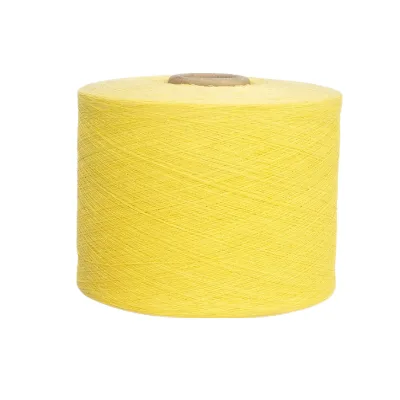


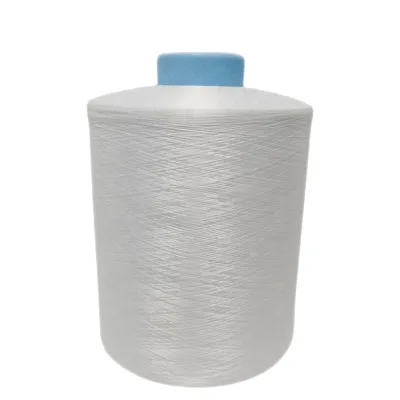

Comprehensive Sourcing Guide
GOTS Certified Biodegradable ACY Yarn Sourcing Guide
Sourcing yarn that balances certified sustainability with specific performance requirements like biodegradability and GOTS compliance requires a nuanced understanding of material science and supply chain transparency. The term "ACY" often appears in industry listings as a shorthand or specific product code, but buyers must verify whether it refers to a proprietary blend, a specific manufacturer’s line, or a generic descriptor for acrylic-modified fibers. In the context of GOTS (Global Organic Textile Standard) and biodegradability, the material composition is the primary point of contention, as traditional acrylics are petroleum-based and generally non-biodegradable. Therefore, the core challenge in this sourcing category is identifying suppliers who offer genuine organic or bio-based alternatives that meet strict environmental certifications while maintaining the durability and texture associated with acrylic-type yarns.
Buyers must approach this category with a critical eye toward marketing terminology versus certified reality. The intersection of "GOTS certified" and "biodegradable" typically points toward natural fiber blends, such as organic cotton, wool, or viscose, rather than synthetic acrylics. If a supplier lists "ACY" alongside these certifications, it is essential to determine if the product is a hybrid blend where the synthetic component is either recycled, bio-based, or present in a quantity that does not violate the organic content thresholds of the GOTS standard. This guide provides a framework for evaluating these complex product claims, ensuring that procurement decisions are backed by verifiable data rather than ambiguous product titles.
Product Scope and Observed Listing Signals
The observed market signals for this category reveal a diverse range of product attributes that buyers must navigate carefully. Listings frequently display a wide price range, from as low as $0.06 to $8.30 per unit, which often reflects variations in fiber type, yarn count, and certification depth. Minimum Order Quantities (MOQs) vary significantly, ranging from small trial orders of 1 unit to bulk industrial quantities of 24,000 units. This disparity suggests that the market includes both specialized boutique suppliers offering small batches of certified organic blends and large-scale manufacturers producing high-volume synthetic or semi-synthetic yarns. Buyers should interpret these ranges as indicators of market segmentation rather than a uniform product offering.
Specific product attributes observed in listings include materials such as 100% Polyester, 100% Viscose, and 100% Nylon, alongside structures like multifilament, ring-spun, and melange yarns. Features commonly cited include anti-pilling, eco-friendly claims, recycled content, and biodegradability. However, these attributes are not mutually exclusive across all listings; a single product may claim to be both "biodegradable" and "100% Polyester," which requires immediate technical verification as standard polyester is not biodegradable. The presence of certifications such as GRS, Oeko-Tex 100, BCI, and GOTS in the same dataset indicates that suppliers are targeting different compliance needs, and buyers must match their specific regulatory requirements with the correct certification type.
Technical Specifications to Verify
Technical verification begins with the fiber composition and structure, which directly impact the yarn’s performance and end-use suitability. Buyers must confirm whether the yarn is a continuous filament, staple fiber, or a combination of both, as this determines the fabric’s drape, strength, and texture. For instance, ring-spun yarns are often preferred for their softness and strength in knitting applications, while multifilament yarns may be chosen for weaving or industrial uses. The coarseness of the yarn, described in listings as fine or medium, should be matched to the intended fabric weight and end-product application, such as apparel, home textiles, or footwear.
Further technical due diligence involves verifying the yarn’s functional properties, such as elasticity, moisture absorption, and resistance to pilling or abrasion. Listings often claim features like high elasticity, anti-static properties, and breathability, but these must be validated against the specific fiber blend. For example, viscose offers high moisture absorption and a silk-like feel but may have lower wet strength, while nylon provides high strength and elasticity but lacks natural breathability. Buyers should request detailed technical data sheets that specify tensile strength, elongation at break, and colorfastness ratings to ensure the yarn meets the mechanical requirements of their manufacturing process.
Compliance and Safety Documentation
Compliance with GOTS is a rigorous process that requires verification of the entire supply chain, from harvesting of organic fibers to environmentally and socially responsible manufacturing. Buyers must ensure that the supplier holds valid GOTS certification for the specific product line, as certifications can be product-specific and may not cover all yarn types offered by a manufacturer. The presence of other certifications such as GRS (Global Recycled Standard), Oeko-Tex 100, and BCI (Better Cotton Initiative) can complement GOTS but do not replace it. Each certification addresses different aspects of sustainability, with GRS focusing on recycled content and Oeko-Tex focusing on harmful substance limits, so buyers should clarify which standards are mandatory for their target markets.
Biodegradability claims require particular scrutiny, as they are often misunderstood or misapplied. True biodegradability depends on the fiber type and the environmental conditions under which degradation occurs. Natural fibers like cotton, wool, and viscose are generally biodegradable under composting conditions, whereas synthetic fibers like polyester and nylon are not. If a product is labeled as "biodegradable" but contains synthetic components, buyers must verify if the claim applies only to the natural fraction of the blend or if it refers to a specific bio-based synthetic alternative. Documentation should include third-party test results or certificates from recognized bodies to substantiate biodegradability claims, ensuring that the product meets the environmental promises made to consumers.
Cost Drivers and Commercial Terms
Cost variations in this category are driven by several factors, including fiber origin, certification status, yarn structure, and order volume. Organic and certified sustainable fibers typically command a premium due to higher production costs and limited supply chains. Similarly, yarns with complex structures, such as melange or ring-spun variants, may incur higher processing costs compared to standard multifilament yarns. Buyers should analyze the price range in the context of these variables, recognizing that lower prices may indicate non-certified or lower-grade materials, while higher prices may reflect premium certifications or specialized performance features.
Commercial terms, including lead times and packaging standards, also influence the total cost of ownership. Lead times observed in listings range from 10 days to longer periods, depending on the supplier’s production capacity and inventory levels. Packaging standards vary, with options including cartons, PP bags, or pallets, and weights typically ranging from 25kg to 36kg per carton. Buyers should negotiate clear terms regarding packaging integrity to prevent damage during transit and ensure that the supplier can meet delivery schedules without compromising quality. Additionally, understanding the MOQ requirements is crucial for budgeting, as small orders may incur higher per-unit costs due to setup and handling fees.
Supplier Qualification and Quality Control
Supplier qualification in the sustainable yarn sector requires a thorough assessment of their manufacturing capabilities and quality control systems. Buyers should verify that the supplier has a dedicated production line for certified products to prevent cross-contamination with non-certified materials. This is particularly important for GOTS compliance, which mandates strict separation of organic and conventional fibers throughout the production process. Suppliers should provide evidence of their quality control protocols, including regular testing for fiber composition, yarn strength, and color consistency, to ensure that the product meets the specified technical requirements.
Quality control should also extend to the supplier’s social and environmental practices, as these are integral to certifications like GOTS and BCI. Buyers may request audits or reports that demonstrate compliance with labor standards, waste management practices, and chemical usage restrictions. Establishing a clear communication channel with the supplier for ongoing quality monitoring is essential, especially for long-term contracts. Regular sample testing and feedback loops can help maintain consistency in product quality and ensure that the supplier continues to meet the buyer’s expectations for sustainability and performance.
Long-Term Procurement Checks
Long-term procurement success depends on the ability to adapt to changing market conditions and regulatory requirements. Buyers should regularly review their suppliers’ certification status to ensure that it remains valid and covers the specific products being purchased. Certifications can be subject to renewal or modification, and suppliers may update their product lines to include new sustainable materials or technologies. Staying informed about industry trends, such as the development of bio-based synthetics or new recycling technologies, can help buyers identify opportunities for innovation and cost savings.
Building a resilient supply chain involves diversifying suppliers and maintaining strong relationships with key partners. Buyers should consider engaging with multiple suppliers to mitigate risks associated with supply disruptions or quality issues. Regular performance evaluations, based on metrics such as delivery reliability, product quality, and responsiveness, can help identify areas for improvement and foster continuous collaboration. By maintaining a proactive approach to supplier management, buyers can ensure a steady supply of high-quality, certified yarns that meet their sustainability goals and commercial needs.
FAQs
What certifications does the biodegradable yarn hold?
The yarn holds GOTS, Oeko-Tex 100, BCI, and GRs certifications. It is also labeled as biodegradable, ensuring compliance with strict environmental standards for textile production and sourcing.
Can I find suppliers with a short lead time?
Yes, some suppliers offer a lead time of 10 days for production. This allows for faster turnaround on orders while maintaining the quality required for knitted and woven applications.
Which packaging options are available for bulk orders?
Packaging options include cartons, PP bags, and pallets depending on the specific product type. Standard weights vary from 25kg per bag to 36kg per carton for efficient shipping.
How is the yarn structured for different uses?
The yarn is available as single yarn, multifilament, ring spun, and melange structures. These variations support diverse applications ranging from knitting and weaving to embroidery and sewing.
What materials are used in the biodegradable yarn?
Materials include 100% polyester, 100% viscose, and 100% nylon. These fibers are selected to meet specific performance needs while adhering to eco-friendly and recycled material requirements.
Where are the manufacturers located?
Manufacturers are located in China, with specific facilities in Suzhou. This location supports the supply chain for global textile needs while ensuring access to certified production capabilities.
What features does the yarn offer for apparel?
Features include anti-pilling, high strength, moisture absorbency, and breathability. These properties make the yarn suitable for clothing, shoes, and home textiles requiring durability and comfort.