Source GPON OLT Card for MA5608T for FTTH FTTB FTTX
Compare 30 GPON OLT Card for MA5608T options from verified suppliers. Browse models like GPFD and Cghf with varying power supplies and certifications for FTTH, FTTB, and FTTX network deployments.
Key considerations
Products List


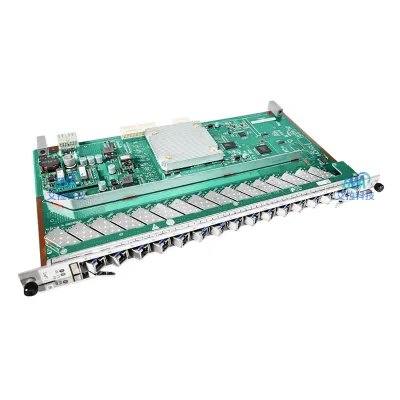
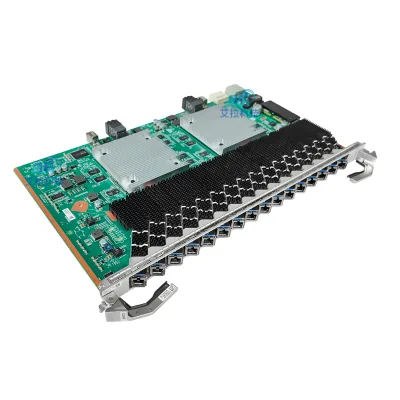


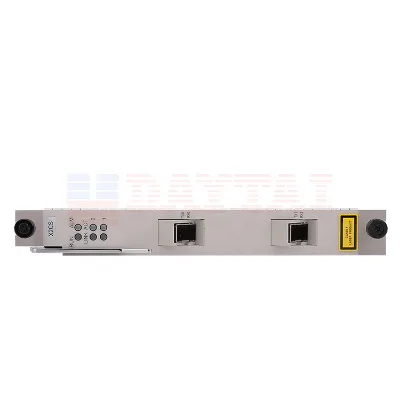
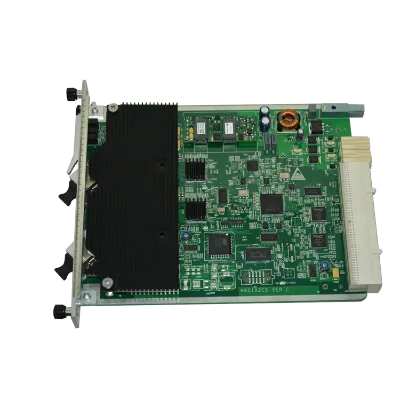
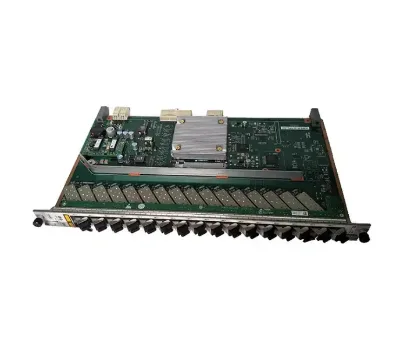
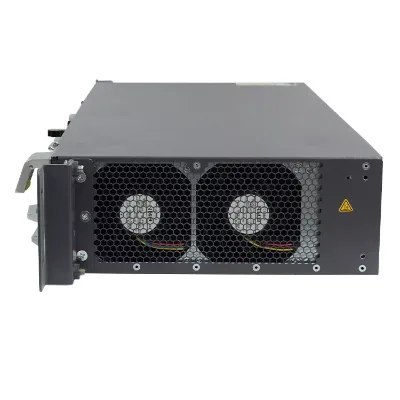
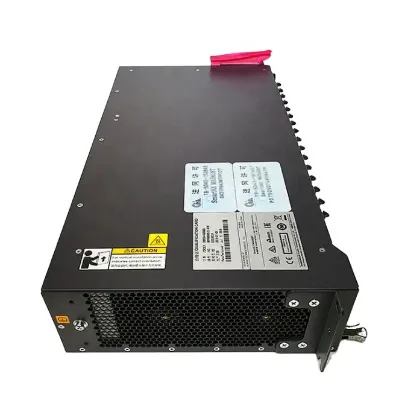
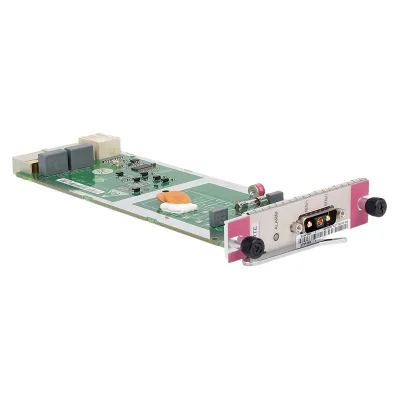
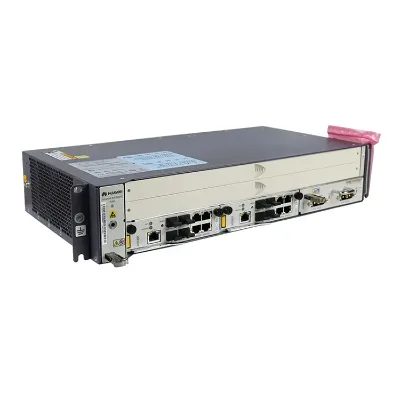
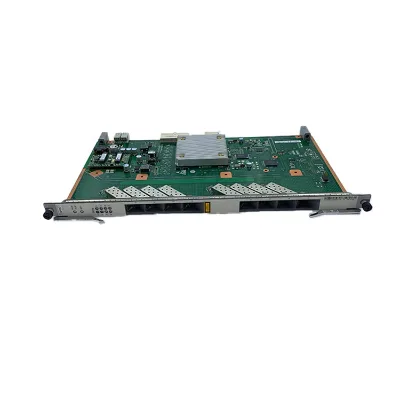
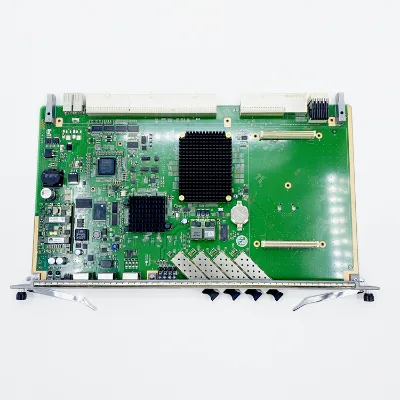
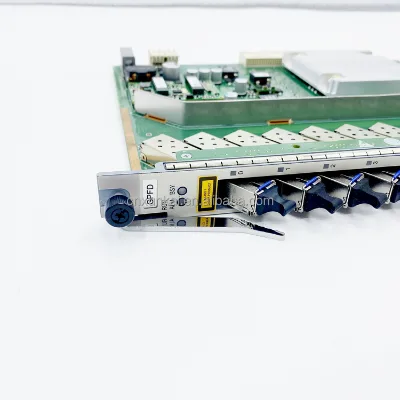


New Olt Ma5608t Gpon 5683t 5680t Mpwd Mpwc Gpfd Gfbd AC Power 32 Ports
$1100.00 - $1300.00
MOQ: 1 Pieces


Comprehensive Sourcing Guide
Strategic Sourcing Guide for GPON OLT Cards Compatible with Ma5608t
Understanding Technical Specifications and Module Compatibility
When sourcing a GPON OLT card for the Huawei Ma5608t platform, buyers must first distinguish between the main chassis control boards and the specific line interface modules that drive the optical network. The core keyword implies a focus on the interface cards that provide the physical ports for fiber distribution. Based on available product data, the Ma5608t is frequently paired with specific GPON modules that operate at a standard speed of 1.25Gb/s. These modules are critical for the "Class of SFP Modules," which typically includes C+ and C++ variants designed for extended reach and higher power output.
The technical landscape for these cards involves several distinct model numbers and module configurations. Buyers should look for specifications that explicitly mention models such as GPFD, Cghf, and GPBD C++. The GPFD model, for instance, is often associated with a product name that directly references the GPFD designation, serving as a primary interface for FTTx solutions. In contrast, the Cghf model is identified as a specific variant within the same ecosystem. The optical power characteristics are a vital differentiator; C++ SFP modules typically exhibit an optical power range between 6 dBm and 10 dBm, which is essential for reaching distant nodes in a Passive Optical Network (PON) architecture.
Furthermore, the physical interface capabilities vary by card type. Some configurations are designed with 8 ports, while others may support different port densities depending on the specific line card model. The receiver sensitivity is another critical technical parameter, with observed values indicating a sensitivity of -35 dBm. This metric determines the minimum optical signal strength required for the card to maintain a stable connection. When evaluating a potential supplier, the buyer must verify that the listed model number matches the specific hardware requirements of the Ma5608t or the newer Ma5800 series, as compatibility is not always universal across all generations of OLT hardware. The power supply requirements for these boards are equally specific, often supporting a DC range from -38.4V to -72V, or an AC range of 100V to 240V, ensuring flexibility in deployment environments.
Compliance, Certification, and Regulatory Standards
In the B2B telecommunications sector, compliance is not merely a formality but a prerequisite for network stability and legal operation. When sourcing GPON OLT cards, buyers must rigorously verify the certification status of the products. The supplied data indicates that products in this category frequently carry RoHS and CE certifications. The RoHS (Restriction of Hazardous Substances) directive ensures that the electronic components do not contain restricted hazardous materials, which is a standard requirement for equipment sold in many global markets. The CE marking confirms that the product meets EU safety, health, and environmental protection requirements.
However, buyers should exercise caution and verify these claims on a per-shipment basis. While some product listings mention ISO certification alongside CE, the presence of these marks should be confirmed against the actual documentation provided by the supplier. It is essential to understand that certification status is an observation of the specific item listed, not a guarantee that every unit in a supplier's inventory automatically possesses these credentials. The buyer must request valid certification certificates for the specific batch being purchased.
Beyond electrical safety, the operational standards for the optical interface must be verified. The standard speed of 1.25Gb/s is a fundamental requirement for GPON technology. Any deviation from this standard could indicate a non-compliant or incompatible product. Additionally, the operating environment specifications are crucial for long-term reliability. The data suggests an operating temperature range of -40°C to +65°C. This wide range indicates that the equipment is designed for harsh environments, such as outdoor cabinets or unconditioned central offices. Buyers should ensure that the specific unit they purchase is rated for the ambient conditions of their intended deployment site. Failure to meet these environmental standards can lead to premature hardware failure and network downtime.
Cost Drivers and Pricing Dynamics
The pricing of GPON OLT cards for the Ma5608t is influenced by a complex set of factors, including the specific model, the optical class of the SFP modules, and the quantity ordered. The observed price range for these products spans from approximately $30.54 to $2,599. This significant variance reflects the difference between individual SFP modules and complete line interface cards or chassis units. A single SFP module, which is a small optical transceiver, will naturally fall at the lower end of this spectrum, whereas a full GPON OLT card with multiple ports and advanced processing capabilities will command a higher price.
The Minimum Order Quantity (MOQ) is another critical cost driver. The data indicates an MOQ range of 1 to 99 units. Suppliers offering an MOQ of 1 allow for small-scale testing or replacement of single failed units, which is ideal for maintenance scenarios. However, larger orders often benefit from volume discounts, though the specific discount structure is not explicitly defined in the general data. Buyers should note that the "Selling Units" are often listed as "Single item," which implies that pricing may be per unit rather than per pack, although some listings mention a "Box" packing type.
Additional cost factors include the packaging and shipping logistics. The gross weight of a typical package is noted as 1.8kg, and the dimensions are often around 47x33x7.3 cm. These physical attributes directly impact shipping costs, especially for international procurement. Buyers should also consider the "Customization" availability. If a specific configuration is required that deviates from standard offerings, customization fees may apply. The warranty period, typically listed as 1 year or 12 months, also influences the total cost of ownership. A longer warranty or a more robust support package may increase the initial purchase price but reduce long-term risk.
Typical Applications and Network Deployment Scenarios
The primary application for GPON OLT cards compatible with the Ma5608t is in Fiber to the Home (FTTH), Fiber to the Building (FTTB), and general Fiber to the X (FTTX) network deployments. These cards serve as the central aggregation point in the Passive Optical Network, connecting the service provider's core network to the end-user premises. The versatility of the Ma5608t platform allows it to support various network topologies, making it a popular choice for service providers looking to upgrade legacy copper networks to high-speed fiber.
The specific models mentioned, such as the GPFD and Cghf, are tailored for these FTTx solutions. The "Class of SFP Modules" (C+ and C++) is particularly relevant for applications requiring longer transmission distances. In rural or suburban deployments where the distance between the OLT and the optical splitter is significant, the higher optical power of C++ modules (6 dBm to 10 dBm) ensures signal integrity. Conversely, in dense urban environments where distances are shorter, standard modules may suffice, but the availability of C+ and C++ options provides future-proofing for network expansion.
The hardware is also designed to integrate with the Ma5800 series OLT, indicating a level of interoperability that allows for network evolution. This compatibility is crucial for service providers who may be upgrading their infrastructure incrementally. The "Board Type" is described as a Control, Service, and Power Board, suggesting that these cards handle not just data transmission but also system management and power distribution within the chassis. This multifunctional design simplifies the network architecture, reducing the need for separate management units.
Supplier Evaluation and Verification Protocols
Evaluating a supplier for GPON OLT cards requires a disciplined approach to verifying the authenticity and quality of the products. Since the market contains a mix of new and refurbished items, buyers must explicitly confirm the condition of the hardware. The data indicates that "New" is a common condition, but this should be verified through product descriptions and direct inquiry. Buyers should avoid suppliers who are vague about the origin or condition of the goods.
The "Brand Name" is a critical factor, with "HW" (Huawei) being a prominent identifier in the product listings. However, buyers must be vigilant about counterfeit or unauthorized rebranded products. The presence of the brand name alone does not guarantee authenticity. Buyers should request proof of supply chain legitimacy, such as invoices from authorized distributors or direct manufacturer documentation. The "Product Origin" is listed as China, which is the primary manufacturing hub for this equipment, but the specific factory or authorized channel should be confirmed.
Supplier reliability is also measured by their ability to provide accurate technical data. A trustworthy supplier will provide detailed specifications for the "Model Number," "Dimension," and "Single package size." For instance, the dimension of 440mm44mm380mm for certain units should be consistent across all listings for that model. Discrepancies in these basic facts can indicate a lack of quality control or a potential mismatch in product descriptions. Additionally, the "Switching Capacity of The Backplane Bus" is a technical metric that should be consistent with the advertised performance. A supplier claiming a capacity of 720gbit/s should be able to demonstrate this through technical datasheets or performance logs.
Quality Control and Long-Term Procurement Considerations
Quality control in the procurement of GPON OLT cards extends beyond the initial inspection of the hardware. Buyers should implement a rigorous testing protocol upon receipt of the goods. This includes verifying the "Receiver Sensitivity" and "Optical Power" to ensure they match the specified values. The operating temperature range of -40°C to +65°C should be validated through environmental testing if the equipment is destined for extreme climates. Any deviation from these specifications could lead to network instability.
Long-term procurement considerations involve the availability of spare parts and the consistency of the supply chain. The "Warranty" period of 1 year is a standard benchmark, but buyers should negotiate terms that cover extended support or replacement guarantees. The "Standard Packing" and "Box" packaging types should be evaluated for their ability to protect the equipment during transit. The "Gross Weight" of 1.8kg and the specific dimensions of the package are important for logistics planning, ensuring that the equipment can be safely transported and stored.
Furthermore, buyers should consider the "Customization" options available. If the network requires specific configurations, the supplier's ability to accommodate these requests without compromising quality is a key differentiator. The "MOQ" of 1 unit allows for small, frequent orders, which can be beneficial for managing inventory and reducing the risk of obsolescence. However, for large-scale deployments, buyers should aim to consolidate orders to leverage volume pricing and ensure batch consistency.
Finally, the "Type" of the product, whether it is a "gpon olt card" or a "FTTx Solution," should be clearly defined in the procurement contract. This ensures that the delivered goods meet the specific functional requirements of the project. By adhering to these quality control measures and long-term planning strategies, buyers can secure a reliable supply of GPON OLT cards that support the robust and scalable deployment of modern fiber optic networks. The combination of technical verification, certification checks, and supplier due diligence forms the foundation of a successful procurement strategy in this specialized B2B market.
FAQs
What certifications do GPON OLT cards for Ma5608t typically have?
Most GPON OLT cards for Ma5608t carry RoHS and CE certifications to ensure compliance with safety and environmental standards. Some listings also mention ISO certification, but buyers should verify these documents for each specific batch before purchase to confirm authenticity.
Which SFP module classes are compatible with this OLT card?
The compatible SFP module classes include C+ and C++ variants designed for extended reach in fiber networks. These modules support optical power ranges up to 10 dBm and operate at a standard speed of 1.25 Gb/s for reliable data transmission.
How much is the minimum order quantity for these OLT cards?
The minimum order quantity ranges from 1 to 99 units depending on the specific supplier and product configuration. An MOQ of 1 allows for single-unit testing or replacement, while larger orders may require higher quantities to meet supplier thresholds.
What is the operating temperature range for these optical network cards?
These cards are designed to operate in temperatures ranging from -40°C to +65°C, making them suitable for harsh environments. This wide range ensures reliability in outdoor cabinets or unconditioned central offices where temperature fluctuations are common.
Can I find GPON OLT cards with 8 ports for the Ma5608t?
Yes, specific models like the Cghf are available with 8 ports and function as GPON OLT cards for the Ma5608t. These units are often used in FTTx solutions and support both control and service functions within the network infrastructure.
What is the warranty period for new GPON OLT cards?
The standard warranty period for these new GPON OLT cards is typically 1 year or 12 months. Buyers should confirm the specific warranty terms with the supplier, as coverage may vary based on the product model and purchase agreement.