Source Grain Hammer Mill Crusher for Flour Rice Starch
Compare 30 Grain Hammer Mill Crusher units from Henan Province, China. Buyers can review specifications like 2.2-3kw power, 80-300kg output, and dry expansion methods for processing flour, rice flour, starch, beans, and wheat.
Key considerations
Products List


Multifunctional Straw Feed Crusher Wheat Corn Grain Hammer Mills for Sale
$360.00 - $2800.00
MOQ: 1 Pieces


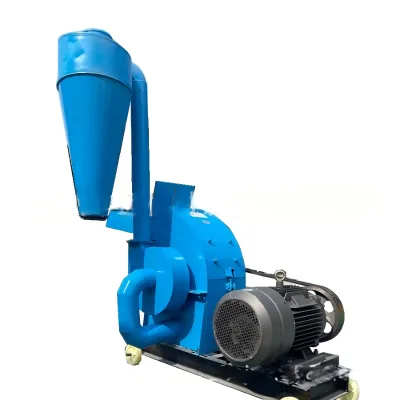


Grain Grinder Machine, Hammer Mill Machine, Feed Crusher, Grass Crusher
$280.00 - $550.00
MOQ: 1 Pieces


Poultry and Livestock Feed Grinder, Grain Crusher, Grain Hammer Crusher
$280.00 - $550.00
MOQ: 1 Pieces

Grain Grinder Machine, Straw Crusher Machine, Maize Hammer Mill, Feed Grinder
$280.00 - $550.00
MOQ: 1 Pieces


Hammer Type Crusher for Corn Maize Wheat Flour Mill Agricultural Machinery
$621.00 - $657.00
MOQ: 1 Pieces


Primary Crushing Hammer Crusher with High Output Hammer Mill grinder
$7000.00 - $50000.00
MOQ: 1 Pieces


Hot Sale Corn Grinding Grain Grinder Animal Feed Crusher Machine Hammer Mill
$5400.00 - $6500.00
MOQ: 1 Sets


Versatile Grain Crusher for Professional Milling and Grinding Needs
$28000.00 - $30000.00
MOQ: 1 Pieces


Comprehensive Sourcing Guide
Strategic Sourcing Guide for Grain Hammer Mill Crushers
Understanding Core Technical Specifications and Variants
When sourcing a Grain Hammer Mill Crusher, buyers must first distinguish between the specific operational requirements of their production line and the diverse configurations available in the global market. The core keyword "Grain Hammer Mill Crusher" often encompasses a spectrum of machinery ranging from small-scale flour processing units to heavy-duty industrial feed crushers. Based on observed market data, these machines are frequently categorized by their application, such as processing flour, rice flour, starch, beans, and wheat, or by their specific function as feed hammer mills for animal-derived feed.
A critical technical differentiator is the grinding equipment type. Some units are designed as specialized flour mills with vertical appearances, featuring a power range of 2.2 to 3kw and a rotating speed of 4000 RPM. These models typically produce an output of 80 to 300kg and utilize 12 hammer pieces to achieve the desired particle size. In contrast, other variants function as coarse crushers with a crushing style of extruding, often identified as double roll crushers or double roller crushers. These heavier units may feature a significantly higher output capacity, ranging from 1000 to 1200kg per hour, and are driven by electric motors with a power rating of 2.2kw.
The physical dimensions and standard specifications vary widely depending on the model. For instance, certain models adhere to a standard footprint of 600300700mm, while others, such as the SFSP series, may require a much larger installation area of 270511561355mm. Buyers must carefully verify the discharge size and feed particle size requirements; some units are optimized for feed particle sizes of ≤7mm and can achieve a discharge size of 2mm, while others are designed for granular material shapes with specific screen mesh configurations. The presence of a screen mesh is a common feature, allowing for precise control over the final product fineness, which is essential for applications involving starch or fine flour production.
Compliance, Certification, and Safety Standards
In the B2B procurement of industrial grinding equipment, compliance with international and local safety standards is paramount. While specific certification bodies are not universally mandated for all listed products, buyers must verify that the machinery meets the electrical safety standards of their destination country. The power systems, typically electric drives, must be compatible with the local voltage and frequency. For example, a machine with a 2.2kw motor requires a stable power supply that can handle the inrush current without tripping breakers.
Safety features are often integrated into the design, such as the inclusion of activity wheels for mobility in certain models, which requires robust locking mechanisms to prevent unintended movement during operation. The structural integrity of the machine, often packaged in special tailored wooden cases or standard wooden cases, must withstand the rigors of international shipping. Buyers should request documentation confirming that the manufacturing process adheres to relevant industrial safety protocols, particularly regarding the handling of high-speed rotating components like hammer pieces and ring die pelletizers.
Furthermore, the processing object, whether it is animal-derived feed or various grains, may trigger specific hygiene and material safety regulations. If the machine is intended for food-grade applications like flour or rice flour production, the materials in contact with the product must be food-safe. Buyers should verify the material composition of the grinding chamber and the screen mesh to ensure they do not introduce contaminants. Although specific certification names are not provided in general listings, the presence of a "New" condition and adherence to specific production standards (e.g., 600300700mm or 270511561355mm) suggests a level of quality control that should be validated through third-party inspection reports.
Cost Drivers and Pricing Dynamics
The pricing of grain hammer mill crushers is influenced by a complex interplay of factors, including capacity, power consumption, customization options, and packaging requirements. The observed price range in the market spans from $280 to $50,000, reflecting the vast difference between small, portable units and large, industrial-scale systems. A primary cost driver is the output capacity; units capable of processing 1000-1200kg/h are significantly more expensive than those with an output of 80-300kg. The power rating also plays a crucial role, with higher wattage motors generally commanding a premium price due to the cost of raw materials and energy efficiency considerations.
Customization is another significant factor affecting the final cost. While many standard models are available as non-customized units, the market offers customization options for specific production needs. Buyers seeking tailored solutions, such as specific dimensions or specialized grinding mechanisms, should anticipate a higher price point. The packaging method also contributes to the overall cost; special tailored wooden case packages are more expensive than standard pallets or carton/wooden box combinations, but they offer superior protection for delicate or heavy machinery during transit.
The minimum order quantity (MOQ) can also impact the unit price. With an observed MOQ range of 1 to 20 units, buyers purchasing in bulk may negotiate better rates. However, single-unit purchases often carry a higher per-unit cost due to the fixed overheads of manufacturing and logistics. Additionally, the lead time, which typically ranges from 7 to 15 days, can influence pricing; expedited shipping or production schedules may incur additional charges. Buyers should also consider the long-term operational costs, including energy consumption and the frequency of replacing wear parts like hammer pieces and screen meshes, which are integral to the machine's performance.
Typical Applications and Processing Capabilities
Grain hammer mill crushers serve a diverse array of industries, with their primary applications centered around the processing of grains, starches, and animal feed. In the food processing sector, these machines are essential for producing flour, rice flour, and starch from raw materials like wheat and beans. The vertical appearance of certain models makes them suitable for facilities with limited floor space, while their ability to handle granular material shapes ensures consistent product quality. The rotating speed of 4000 RPM in some models allows for fine grinding, which is critical for applications requiring high-quality flour.
In the animal feed industry, the versatility of these crushers is equally important. They are designed to process animal-derived feed, often utilizing a mixing-before-crushing or crushing-before-mixing technic to ensure uniformity in the final feed product. The double roll crusher and double roller crusher variants are particularly effective for coarse crushing, preparing raw materials for further processing in pellet mills. The inclusion of a ring die pelletizer or flat die pelletizer in some configurations allows for a seamless transition from crushing to pelleting, streamlining the production line.
The processing object and technic are key indicators of a machine's suitability for specific applications. For instance, a machine with a crushing degree of "Coarse Crusher" and an extruding style is ideal for breaking down hard grains like corn, which has a maximum material hardness that requires robust equipment. Conversely, machines with a screen mesh and specific discharge sizes are better suited for fine grinding applications. Buyers must align their specific processing needs with the machine's capabilities, ensuring that the output matches the requirements of their downstream processes, whether that involves producing fine flour or preparing feed for livestock.
Supplier Evaluation and Quality Assurance
Evaluating suppliers for grain hammer mill crushers requires a rigorous approach to ensure reliability and product quality. Buyers should prioritize suppliers who provide clear documentation of their manufacturing standards and origin. The observed data indicates that many machines originate from Henan Province, China, a region known for its industrial manufacturing base. However, the origin alone is not a guarantee of quality; buyers must verify the supplier's track record, production capacity, and after-sales support.
Quality assurance should be a central component of the supplier evaluation process. Buyers should request detailed specifications for each model, including the weight, dimensions, and power ratings. For example, a machine weighing 48kgs with a power of 2.2kw should be compared against similar models to ensure consistency in performance. The packaging method, whether it is a special tailored wooden case or a standard pallet, should be assessed for its ability to protect the machine during shipping. Additionally, the presence of activity wheels and the stability of the machine's base are important factors to consider for operational safety.
Buyers should also inquire about the supplier's ability to provide spare parts and technical support. The hammer pieces and screen meshes are consumable parts that will require replacement over time; a reliable supplier should have a steady supply of these components. Furthermore, the supplier's lead time, typically 7 to 15 days, should be factored into the procurement timeline to avoid production delays. Establishing a clear communication channel with the supplier is essential for addressing any technical issues that may arise during installation or operation.
Long-Term Procurement Considerations and Maintenance
Long-term procurement of grain hammer mill crushers involves more than just the initial purchase; it requires a strategic approach to maintenance, operational efficiency, and lifecycle management. The durability of the machine is heavily dependent on the quality of its components, such as the hammer pieces and the screen mesh. Buyers should consider the ease of replacing these parts and the availability of compatible spares. A machine with a rotating speed of 4000 RPM and 12 hammer pieces may require more frequent maintenance than a slower, simpler model, so the total cost of ownership should be calculated accordingly.
Energy efficiency is another critical long-term consideration. Machines with a power rating of 2.2kw or higher will have a significant impact on operational costs over time. Buyers should evaluate the energy consumption of different models and select those that offer the best balance between performance and efficiency. The drive system, typically electric, should be designed to minimize energy waste and reduce heat generation, which can extend the lifespan of the motor and other electrical components.
Finally, the adaptability of the machine to future production needs is an important factor. As market demands change, the ability to adjust the machine's settings, such as the discharge size or the crushing degree, can extend its useful life. Buyers should look for models that offer flexibility in processing different materials, from corn to rice flour, without requiring extensive modifications. By focusing on these long-term factors, buyers can ensure that their investment in grain hammer mill crushers delivers sustained value and operational efficiency.
FAQs
What is the output capacity of a Grain Hammer Mill Crusher?
Output capacity varies by model, ranging from 80 to 300kg for smaller units up to 1000-1200kg per hour for larger industrial crushers. Specific capacity depends on the machine type and processing requirements.
Which materials can a Grain Hammer Mill Crusher process?
These machines handle various grains including flour, rice flour, starch, beans, and wheat, as well as animal-derived feed. They are designed for granular material shapes with specific hardness levels like corn.
How is the Grain Hammer Mill Crusher powered and driven?
The equipment is driven by electric motors with power ratings typically between 2.2kw and 3kw. The rotating speed can reach up to 4000 RPM for efficient grinding and crushing operations.
Can the Grain Hammer Mill Crusher be customized for specific needs?
Customization is available for certain models, though many units are sold as non-customized standard products. Buyers should verify specific customization options like dimensions or specialized grinding mechanisms with suppliers.
What is the lead time for ordering a Grain Hammer Mill Crusher?
The standard lead time for these machines typically ranges from 7 to 15 days. This duration covers manufacturing and preparation for shipment, though expedited options may vary by supplier.
Which packaging methods are used for grain hammer mill crushers?
Packaging options include special tailored wooden cases, standard wooden cases, pallets, or carton and wooden box combinations. The choice depends on the machine size and protection requirements during transit.
What is the minimum order quantity for grain hammer mill crushers?
The minimum order quantity ranges from 1 to 20 units depending on the supplier and specific model. Bulk purchases may offer better pricing, but single-unit orders are often available.