Source Grain Polisher for Rice, Beans, and Wheat Processing
Compare 30 Grain Polisher units from verified Chinese manufacturers. Buyers can evaluate capacity, power, and cleaning clarity for rice, beans, and wheat applications with options for customization and overseas service support.
Key considerations
Products List


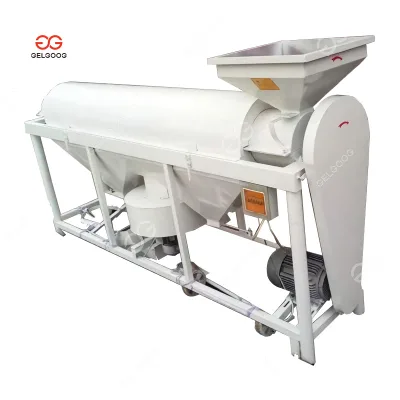
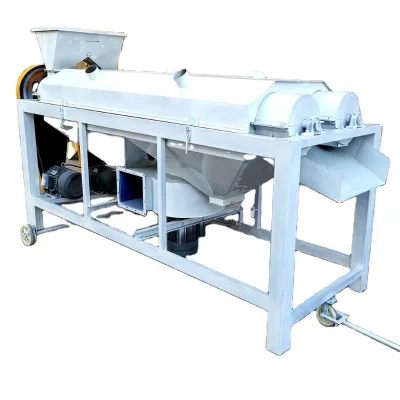
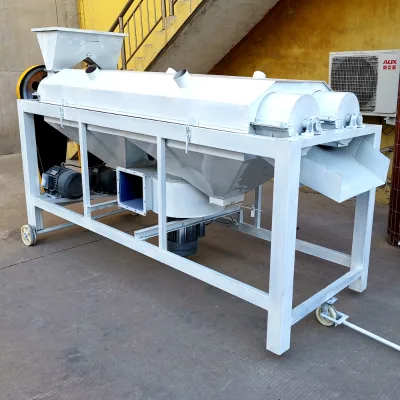
Grain Cereal Maize Polisher/Grain Bean Polishing Machine/Red Bean Polishing Machine
$3400.00 - $3500.00
MOQ: 1 sets
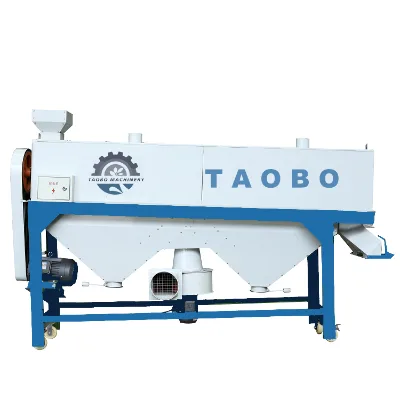
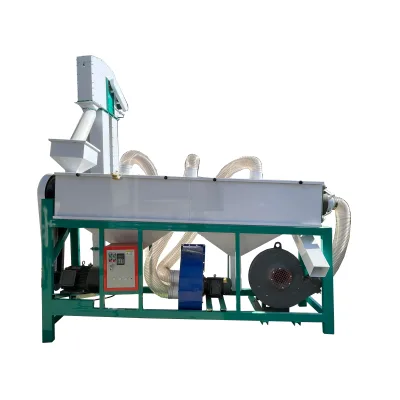
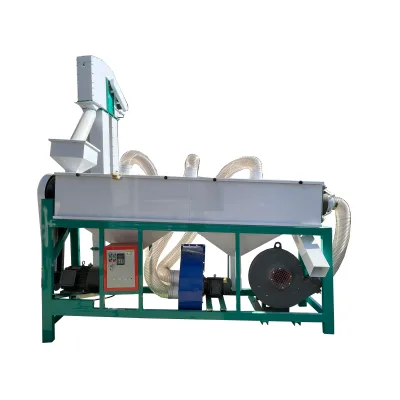

$1500.00 - $2500.00
MOQ: 1 Sets


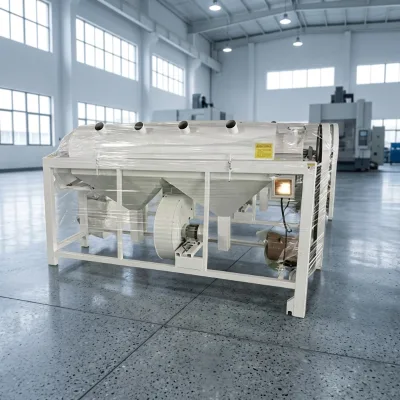
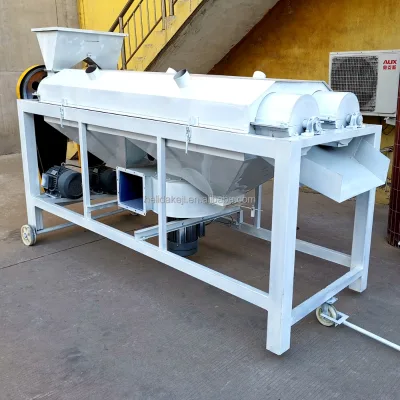
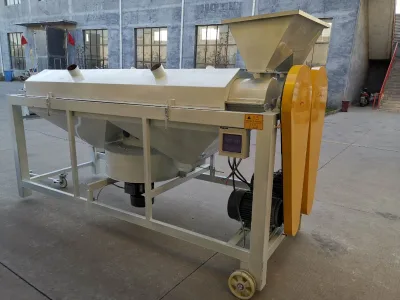


Comprehensive Sourcing Guide
Strategic Sourcing Guide for Industrial Grain Polishers
Understanding the Technical Architecture and Operational Scope
When sourcing a Grain Polisher, the primary objective is to identify machinery that aligns with specific crop processing requirements while maintaining high efficiency and minimal product loss. The core technical architecture of these units typically revolves around a robust motor and gearbox system, which serves as the essential core components driving the polishing action. Buyers must recognize that the physical configuration of the machine often dictates its suitability for different facility layouts. For instance, vertical designs are frequently observed in the market, offering a compact footprint that may be advantageous for facilities with limited floor space. The physical dimensions of the equipment vary significantly based on the model and intended capacity, with some industrial units measuring approximately 3300mm in length, 1500mm in width, and 1800mm in height, while smaller or specialized units may adhere to different standard dimensions.
The operational scope of a Grain Polisher is defined by its ability to handle a diverse range of raw materials. While some models are specifically engineered for the polishing of beans, others demonstrate versatility in processing corn, wheat, rice flour, and general cereal grains. The processing scope often extends to "all kinds of beans," indicating a high degree of adaptability for facilities that handle multiple crop types. A critical technical consideration is the cleaning clarity achieved by the machine. High-performance units are designed to achieve cleaning clarity rates around 99%, ensuring that the final product meets strict quality standards. Furthermore, the broken rate is a vital metric for economic efficiency; advanced polishing systems aim to keep the broken rate as low as 0.2%, preserving the integrity and market value of the grain. The capacity of these machines is another defining technical parameter, with observed ranges spanning from 3 to 20 tons per hour, depending on the specific model and the density of the material being processed, such as soybeans.
Compliance, Certification, and Safety Standards
In the B2B procurement of industrial agricultural machinery, verifying compliance with international and regional safety standards is non-negotiable. Buyers must prioritize suppliers who can provide documented evidence of certification. Common certifications observed in the market include CE and ISO standards, which indicate adherence to specific safety and quality management protocols. Additionally, third-party testing bodies like TUV Co may issue certificates that validate the machine's construction and operational safety. These certifications are not merely administrative formalities; they serve as a guarantee that the machinery has undergone rigorous testing and meets the required safety thresholds for industrial use.
Beyond general certifications, buyers should verify the availability of machinery test reports. These documents provide empirical data regarding the machine's performance under controlled conditions, offering insights into its power consumption, throughput efficiency, and durability. The presence of a provided machinery test report is a strong indicator of a supplier's transparency and confidence in their product. Furthermore, the warranty terms are a crucial component of the compliance and risk management strategy. A standard warranty period of one year is often observed, covering defects in materials and workmanship. However, buyers must carefully review the specific terms of this warranty, including what components are covered and the duration of coverage for critical parts like the motor and gearbox.
Cost Drivers and Pricing Dynamics
The pricing of grain polishers is influenced by a complex array of factors, resulting in a wide observed range from $60 to $100,000 USD. This vast disparity is not arbitrary but reflects differences in capacity, material quality, automation levels, and brand positioning. The cost is heavily driven by the production capacity of the unit; machines capable of processing 20 tons per hour will naturally command a higher price than those designed for 3 tons per hour. The complexity of the customization options also plays a significant role. Units that offer customizable colors, such as white, blue, or green, or those with specific dimensional requirements, often incur additional costs due to the bespoke manufacturing processes involved.
Material selection is another primary cost driver. The choice of press materials, such as soybean or corn-specific configurations, can influence the internal design and the type of abrasion-resistant materials used in the polishing chamber. The inclusion of high-quality core components, such as premium motors and gearboxes, further elevates the price point. Additionally, the packaging method affects the final cost; export-standard wooden cases provide superior protection during international shipping but add to the overall expense compared to standard packing. Buyers should also consider the "Supply Ability" of the manufacturer, which can impact pricing dynamics. A supplier with a high monthly output, such as 100 sets per month, may offer more competitive pricing due to economies of scale, whereas smaller, custom-focused producers might charge a premium for lower-volume production runs.
Typical Applications and Industry Use Cases
Grain polishers are integral to various sectors within the agricultural and food processing industries. Their primary application lies in the cleaning and polishing of beans, corn, wheat, and rice. The versatility of these machines allows them to be deployed in facilities ranging from small-scale agricultural cooperatives to large-scale industrial processing plants. The "Applicable Field" for these machines is broadly categorized under agricultural machinery, indicating their fundamental role in post-harvest processing.
The specific use cases often depend on the desired output quality. For instance, in bean polishing applications, the machine's ability to achieve a 99% cleaning clarity is critical for producing high-grade beans suitable for retail or further processing. In the context of rice flour and wheat processing, the low broken rate of 0.2% ensures that the final product retains its structural integrity, which is essential for maintaining the quality of the end consumer product. The "Range of Application" for these machines often extends to general agricultural machinery needs, suggesting their utility in a wide array of crop processing scenarios. Whether the goal is to polish soybeans, corn, or other grains, the machine must be selected based on its specific processing scope and capacity to meet the throughput demands of the facility.
Supplier Evaluation and After-Sales Support
Evaluating a supplier for grain polishers requires a holistic approach that goes beyond the initial product specifications. The geographical origin of the machinery is a key factor, with major manufacturing hubs located in regions such as Shijiazhuang City and Zhengzhou in Henan Province, China. Buyers should verify the "place of origin" to understand the supply chain logistics and potential lead times associated with the equipment. The brand name, such as GELGOOG, can also serve as an indicator of market presence and reputation, though it should not be the sole criterion for selection.
A critical aspect of supplier evaluation is the availability of after-sales service. The provision of engineers available to service machinery overseas is a significant value-add that can minimize downtime and ensure long-term operational efficiency. Buyers must confirm the scope of this service, including response times, travel costs, and the availability of spare parts. The "After-sales Service Provided" attribute is often a differentiator between suppliers, with those offering comprehensive support packages being more attractive for long-term procurement relationships. Additionally, the "Supply Ability" of the supplier, measured in sets per month, indicates their capacity to fulfill large orders and maintain consistent delivery schedules.
Quality Control and Long-Term Procurement Considerations
Ensuring the quality of a Grain Polisher involves a multi-stage verification process. Buyers should request detailed specifications regarding the "prod_model," which can range from specific model numbers like MHPG-5 and MHPG-6M to generic descriptions like "Versatile Grain Polisher" or "Industrial Grain Polisher." The consistency of the "prod_standard" dimensions and the "prod_packing" method are also essential for quality assurance. Standard packing, such as wooden cases, is crucial for protecting the machinery during transit, especially for international shipments.
Long-term procurement considerations must include the maintenance requirements of the machine. The "Core Components" such as the motor and gearbox are prone to wear and tear, and their availability as spare parts is vital. Buyers should inquire about the "warranty" terms and the availability of technical documentation, including machinery test reports. The "key selling points" of the machine, such as high productivity, should be validated through independent testing or user testimonials. Furthermore, the "Customization" options available, including color and dimensional adjustments, should be evaluated for their long-term impact on the facility's operations and aesthetic integration. By focusing on these quality control metrics and long-term support capabilities, buyers can make informed decisions that ensure the reliability and efficiency of their grain polishing operations.
Comparative Analysis of Key Specifications
To facilitate a clearer understanding of the variations in the market, the following table summarizes the key specifications observed across different Grain Polisher models. This comparison highlights the diversity in capacity, dimensions, and material handling capabilities.
| Specification Category | Model A (e.g., MHPG-5) | Model B (e.g., MHPG-6M) | Model C (Industrial/Custom) |
|---|---|---|---|
| Primary Material | Soybean | Corn | All Kinds Bean / Cereal |
| Capacity | 5t/H | 3/5/10/15/20 T/H | Variable based on model |
| Dimensions | 32075180cm | 330015001800mm | Customizable |
| Power | Not specified | 3kw | Varies by capacity |
| Cleaning Clarity | 99% | 99% | High (Verify per model) |
| Broken Rate | 0.2% | 0.2% | Low (Verify per model) |
| Certification | TUV Co | CE ISO | CE ISO / TUV Co |
| Origin | Shijiazhuang City | Zhengzhou, Henan | Henan, China |
| Warranty | 1 Year | 1 Year | 1 Year (Standard) |
| Packing | Standard | Wooden Case | Wooden Case (Export) |
This table underscores the importance of matching specific operational needs with the correct model specifications. While some models are optimized for specific crops like soybeans or corn, others offer a broader range of applicability. The variation in dimensions and capacity further emphasizes the need for buyers to carefully assess their facility's spatial constraints and throughput requirements before making a procurement decision. By adhering to these detailed specifications and verification protocols, buyers can ensure the acquisition of a Grain Polisher that delivers optimal performance and value.
FAQs
What certifications do grain polishers typically have?
Grain polishers often carry CE and ISO certifications, while some models include TUV Co certificates. These documents verify that the machinery meets international safety and quality standards for industrial use.
How much capacity can a Grain Polisher handle?
Capacity ranges from 3 to 20 tons per hour depending on the specific model and material density. For instance, some units process 5 tons of soybeans hourly, while others handle up to 20 tons of various grains.
Can grain polishers be customized for specific needs?
Yes, customization is available for colors like white, blue, or green, as well as specific dimensions. Buyers can also request tailored configurations for different processing scopes such as bean polishing or cereal handling.
What is the broken rate for grain polishing machines?
Advanced polishing systems aim to keep the broken rate as low as 0.2 percent to preserve grain integrity. This metric ensures that the final product maintains its structural value and market quality standards.
Which core components drive the Grain Polisher operation?
The core components typically include a motor and a gearbox which drive the essential polishing action. These parts are critical for maintaining high productivity and ensuring the machine operates reliably over time.
Where are grain polishers manufactured and shipped from?
Major manufacturing hubs are located in Shijiazhuang City and Zhengzhou, Henan Province, China. Products are shipped using export-standard wooden cases to ensure protection during international transit.
What warranty is provided for grain polishing equipment?
A standard warranty period of one year is often provided, covering defects in materials and workmanship. Buyers should verify specific terms regarding the motor and gearbox coverage for long-term operational security.