Source Granite Countertop for Kitchen, Hotel, and Bathroom
Compare 30 Granite Countertop options from verified Chinese suppliers. Buyers can evaluate sizes, colors, edge finishes, and certifications like SGS and CE for commercial and residential projects. Detailed specifications include dimensions, load-bearing capacity, and packaging details for seamless procurement; compare the available evidence and request quotations based on your requirements.
Key considerations
Products List


$400.00 - $600.00
MOQ: 100 Square Meters


$34.00 - $35.00
MOQ: 500 Square Meters


Black Granite Stone Countertops/Table Tops/Acrylic Solid Surface Countertop
$25.00 - $30.00
MOQ: 300 Square Meters


Kitchen Countertop Quartz Artificial Stone White Modern Style Marble Countertop
$38.00 - $188.00
MOQ: 50 Square Meters


Comprehensive Sourcing Guide
Granite Countertop Sourcing Guide
Sourcing granite countertops requires a disciplined approach to balancing aesthetic preferences with structural integrity and logistical feasibility. Buyers must navigate a market where natural stone variations are inherent, necessitating rigorous verification of slab quality and edge finishing before committing to large orders. The procurement process involves selecting from a diverse range of colors, including brown, green, yellow, and grey, while ensuring that the chosen material meets specific load-bearing and functional requirements for hotel, bathroom, kitchen, or commercial environments.
This guide outlines the critical steps for evaluating suppliers, verifying technical specifications, and managing commercial terms. It emphasizes the importance of understanding production capabilities, certification standards, and packaging methods to prevent damage during transit. By focusing on evidence-based verification rather than marketing claims, buyers can mitigate risks associated with natural stone procurement, ensuring that the final installed product aligns with project specifications and durability expectations.
Product Scope and Observed Listing Signals
The observed market for granite countertops reveals a wide spectrum of product configurations, ranging from standard vanity tops to expansive kitchen islands. Listings indicate specific dimensions such as 25"X19" for vanities and 96"X26" or 108"X26" for larger countertops, suggesting that suppliers cater to both residential and commercial scale projects. The presence of multi-function designs, including options with cabinets, highlights a trend toward integrated solutions that simplify installation and enhance spatial efficiency in modern interior designs.
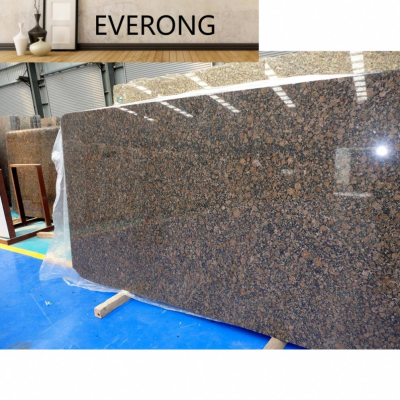
Color variations are a primary differentiator, with available options including brown, green, yellow, and grey granite. These natural variations require buyers to request physical samples to confirm hue consistency, as digital representations often fail to capture the true depth and pattern of the stone. The observed surface finishing is predominantly polished, with edge profiles like bullnose and eased edges offering distinct aesthetic and safety profiles. Buyers should verify that the selected edge finish aligns with the intended usage, particularly in high-traffic commercial areas where durability and ease of cleaning are paramount.
Technical Specifications to Verify
Technical verification begins with confirming the material composition and structural load-bearing capacity. While some listings describe the product as a "Phenolic Board," the core material is identified as granite, a natural stone known for its hardness and heat resistance. Buyers must clarify whether the product is solid granite or a composite, as this distinction significantly impacts durability and maintenance requirements. The observed load-bearing classification ranges from medium to heavy, indicating that suppliers offer products suitable for various structural applications, but explicit verification of weight limits is essential for large-format slabs.
Edge finishing and polish degree are critical technical parameters that affect both aesthetics and functionality. The observed polish degree is typically above 90 degrees, with black granite achieving above 100 degrees, ensuring a high-gloss, reflective surface. Edge profiles such as eased, polished, bullnose, and bevelled provide options for different design styles, but buyers must confirm that the edging process does not compromise the structural integrity of the slab. Additionally, custom sizing is widely available, allowing for precise measurements to fit unique architectural layouts, but this requires accurate on-site measurements to avoid costly errors during fabrication.
Compliance and Safety Documentation
Compliance with international standards is a key indicator of supplier reliability and product safety. The observed certifications include SGS, CE, and ISO, which suggest adherence to quality management and environmental standards. Buyers should request copies of these certificates to verify their validity and scope, ensuring that the supplier’s quality management system aligns with ISO 9001:2000 or current equivalents. These certifications provide assurance that the manufacturing process is controlled and consistent, reducing the risk of defects in the final product.
Safety documentation should also include material safety data sheets (MSDSDs) and compliance with local building codes. While the observed standards are international, buyers must ensure that the granite meets specific regional requirements for fire resistance, formaldehyde emissions (if composite), and structural load. The presence of a CE mark indicates conformity with health, safety, and environmental protection standards for products sold within the European Economic Area, which is crucial for buyers targeting European markets. Verifying these documents early in the sourcing process prevents compliance issues during customs clearance and installation.
Cost Drivers and Commercial Terms
Cost drivers for granite countertops include material quality, slab dimensions, edge finishing complexity, and packaging requirements. The observed price range of 10-600 USD reflects significant variation based on these factors, with larger slabs and custom edges commanding higher prices. Buyers should analyze the cost breakdown to understand how much is attributed to raw material versus fabrication and logistics. The observed minimum order quantity (MOQ) ranges from 1 to 500 pieces, with some listings specifying 10 pieces, allowing for flexibility in order size but potentially impacting unit costs for smaller orders.
Commercial terms such as delivery time, payment terms, and shipping methods significantly influence the total cost of ownership. The observed delivery time of 10-15 days indicates a relatively quick turnaround, but buyers must account for shipping duration and customs clearance. Packaging in seaworthy wooden crates is standard to protect the stone during long sea freight, but this adds to the overall weight and volume, affecting shipping costs. Buyers should negotiate clear terms for sample charges, which are often free, and clarify responsibilities for any damage incurred during transit to avoid unexpected expenses.
Supplier Qualification and Quality Control
Supplier qualification involves assessing production capability, export experience, and quality control processes. The observed production capability of 15 containers per month suggests a mid-sized supplier with established logistics channels. Buyers should verify the supplier’s export port, such as Xiamen, China, to understand the logistical advantages and potential shipping routes. A supplier with a strong export history is more likely to have robust quality control measures in place, ensuring that each slab meets the specified standards before shipment.
Quality control should include visual inspection of slabs for cracks, fissures, and color consistency, as well as dimensional accuracy checks. Buyers should request pre-shipment inspection reports or arrange for third-party inspections to verify product quality. The observed customization options, including design as per customer requirements, require close collaboration with the supplier to ensure that the final product matches the design intent. Establishing a clear communication channel and defining acceptance criteria early in the relationship helps prevent disputes and ensures a smooth procurement process.
Long-Term Procurement Checks
Long-term procurement success depends on establishing a reliable supply chain and maintaining consistent quality over time. Buyers should conduct periodic audits of the supplier’s production facilities and quality control processes to ensure ongoing compliance with agreed standards. Building a relationship with the supplier can lead to better pricing, priority production, and improved support for custom orders. Regular feedback on product performance and customer satisfaction can help identify areas for improvement and strengthen the partnership.
Logistical efficiency and after-sales support are also critical for long-term procurement. Buyers should monitor the supplier’s ability to meet delivery times and handle any issues that arise during transit or installation. A supplier that offers comprehensive after-sales support, including replacement of damaged items or technical assistance, adds significant value to the procurement process. By focusing on these long-term factors, buyers can ensure a stable supply of high-quality granite countertops that meet their evolving project needs.
FAQs
What customization options are available for granite countertops?
Customization is available for granite countertops, allowing buyers to specify exact dimensions and designs. The product supports OEM requests and can be tailored as per customer requirements. This flexibility ensures that the final installation meets specific aesthetic and functional needs for various commercial and residential settings.
Which certifications do these granite countertops hold?
These granite countertops hold SGS, CE, and ISO certifications, ensuring compliance with international quality standards. The production adheres to ISO 9001:2000 standards, providing assurance of consistent manufacturing quality. These credentials are essential for buyers requiring verified material safety and durability for hotel, bathroom, or kitchen applications.
How long is the delivery time for orders?
The standard delivery time for Granite Countertop orders is 10-15 days. This timeframe applies to typical production runs, with a monthly capacity of 15 containers. Buyers should account for this lead time when planning project schedules, ensuring timely arrival of materials for installation in commercial or residential spaces.
What is the minimum order quantity for granite countertops?
The minimum order quantity is 10 pieces for granite countertops. This MOQ allows for flexible procurement for smaller projects or sample testing. Buyers can order starting from this threshold, making it accessible for various business sizes while maintaining efficient production and shipping logistics for the exported stone products.
Can I get a free sample before placing an order?
Yes, free samples are available for granite countertops to help buyers evaluate quality and color. This service allows for physical inspection of the polished finish and edge details before committing to bulk purchases. It is a practical step for verifying that the material meets specific design requirements for kitchen or bathroom installations.
What packaging is used for shipping granite countertops?
Granite countertops are packaged in seaworthy wooden crates to ensure safe long-distance transport. The packaging includes plastic and foam protection within wooden crate boxes to prevent damage during transit. This robust method is designed to withstand international shipping conditions, protecting the polished surfaces and precise edges until they reach the destination.