Source Hair Ties for Daily Decorative, Fashion, and Sweet Styles
Explore 30 listings of Hair Ties available from suppliers in China. Buyers can compare materials like plastic, rubber, and elastic, along with varying MOQs and packaging options for women, girls, and kids.
Key considerations
Products List
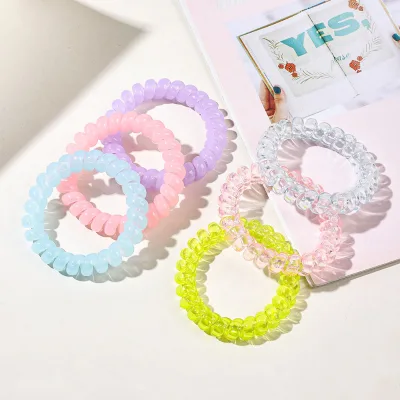
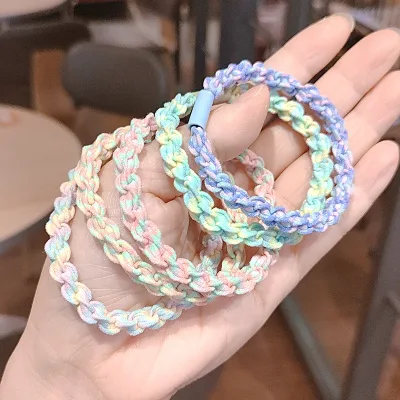
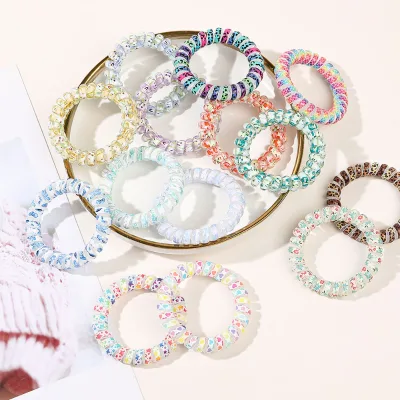
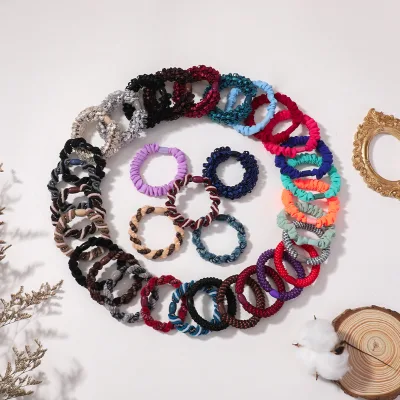


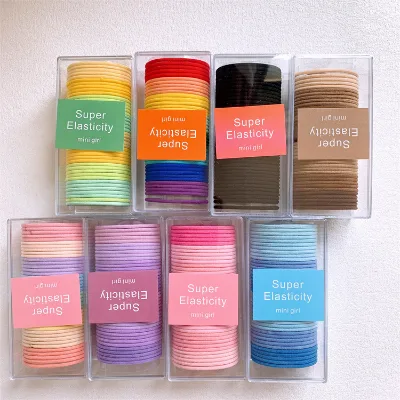
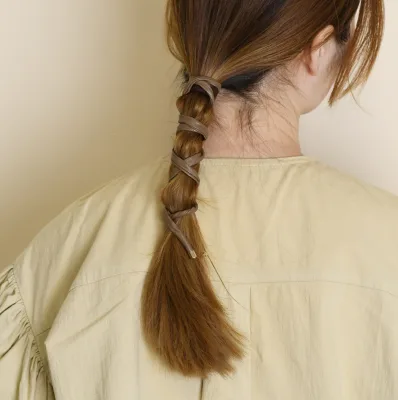
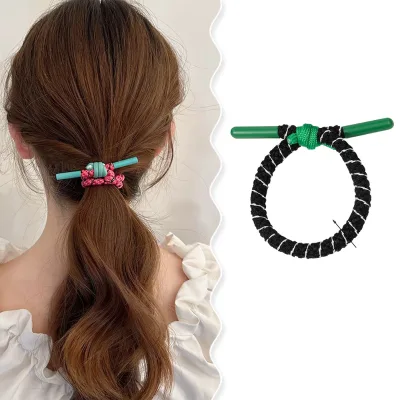
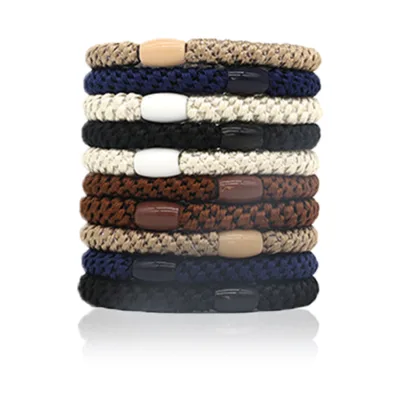
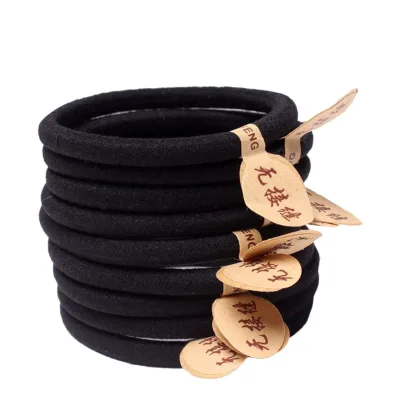

Sports Hair Rope No Damage Braided Long Ponytail Holders Elastic Hair Ties
$0.90 - $1.29
MOQ: 50 pieces
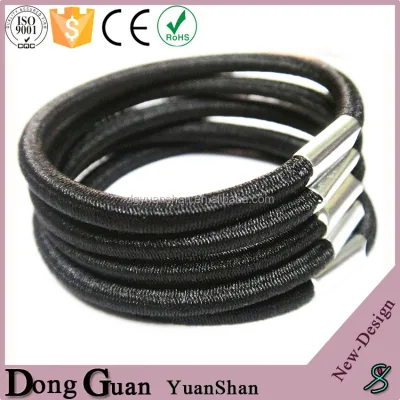
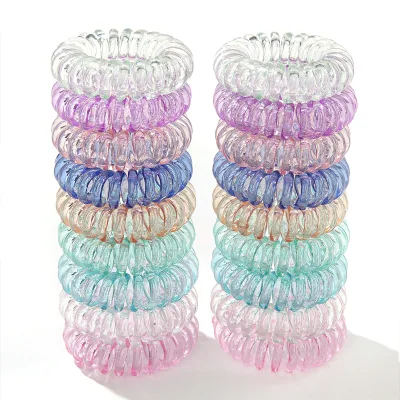
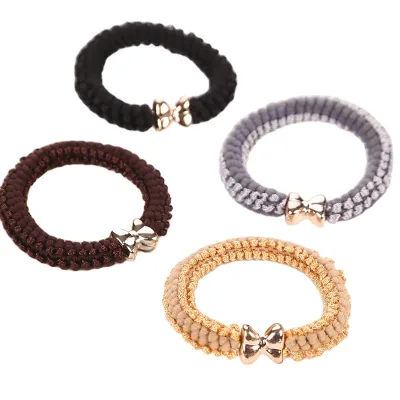


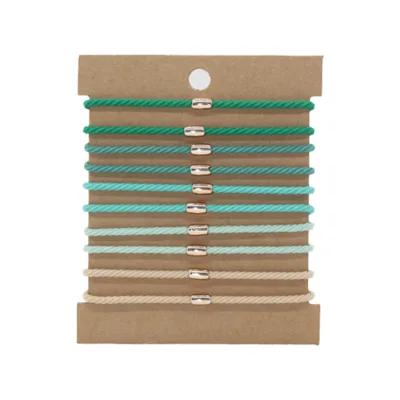
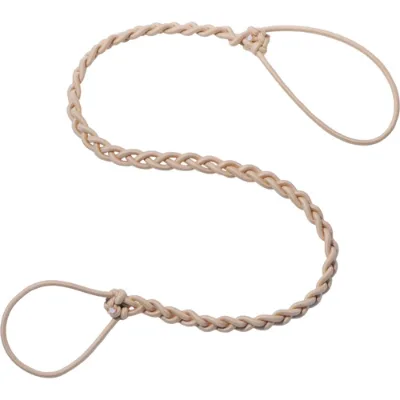
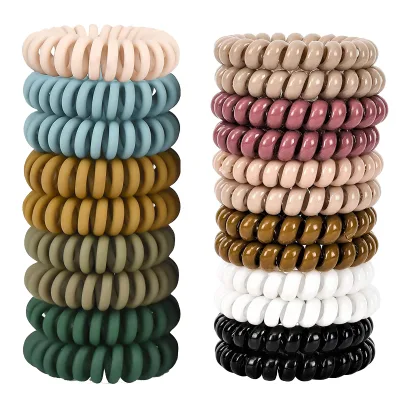
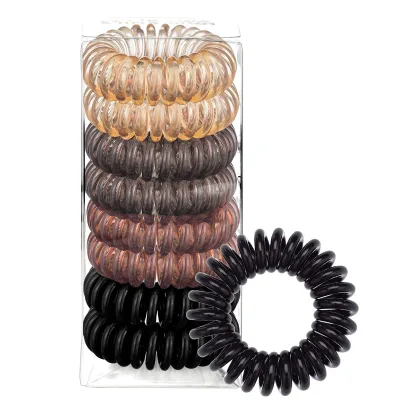

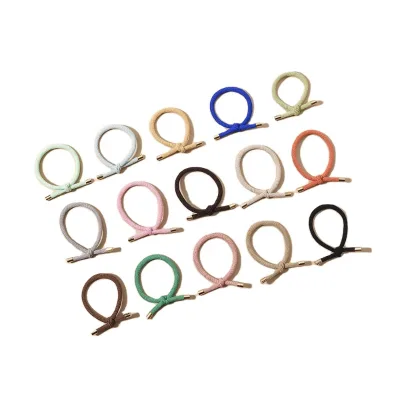
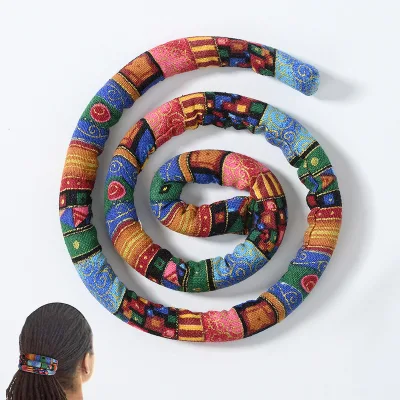


New Arrival Silk Headband Women Hair Tie Elegant Headwear Hair Accessories
$26.90 - $43.60
MOQ: 50 Pieces
Comprehensive Sourcing Guide
Strategic Sourcing Guide for Hair Ties in the B2B Market
The global market for Hair Ties and elastic hair bands represents a dynamic segment within the broader hair accessories industry, characterized by high volume turnover and diverse consumer preferences. For B2B buyers, navigating this category requires a disciplined approach that balances technical specifications with supply chain reliability. The product landscape is not monolithic; it encompasses variations ranging from simple plastic and rubber bands to specialized spiral wire designs. This guide provides a structured framework for evaluating suppliers, understanding material constraints, and ensuring product quality without relying on unverified claims or speculative data.
Material Composition and Technical Specifications
The foundation of any successful procurement strategy for Hair Ties lies in a precise understanding of material composition. The supply chain offers distinct material profiles, each serving different functional requirements and aesthetic goals. Observations from the current market indicate that Plastic is a primary material used for certain styles, often associated with rigid or molded designs intended for specific decorative purposes. Conversely, Elastic and Rubber materials dominate the functional segment, providing the necessary stretch and recovery required for daily wear.
Technical specifications vary significantly across product lines. For instance, some products are defined by a specific thickness and diameter range, such as 2-6mm in thickness with a 2-inch diameter. These dimensions are critical for determining the suitability of the hair tie for different hair types, from fine to thick. Other variations include Spiral Wire Hair Bands, which utilize a telephone wire design to prevent snagging and breakage, offering a distinct user experience compared to traditional elastic bands.
Buyers must verify the exact material composition of each SKU before placing orders. While some listings suggest Plastic construction, others explicitly state Rubber or Elastic. The distinction is not merely semantic; it impacts the product's durability, elasticity, and potential for allergic reactions. Furthermore, the Single package size and Gross weight are essential logistics parameters. Typical single package dimensions might be 6x6x1 cm or 6x4x0.8 cm, with single gross weights ranging from 0.010 kg to 0.012 kg. Batch packaging often consolidates these units, with configurations such as 24PCS/Card + 12 cards/Polybag or 6PCS/Card + Polybag. Understanding these physical attributes is vital for calculating shipping costs and optimizing container utilization.
Design Aesthetics and Target Demographics
The aesthetic diversity of Hair Ties is a key driver of market segmentation. Products are frequently categorized by style, such as Fashion, Sweet, or Solid Color, with some featuring Gradient Color elements. The visual appeal is often dictated by the Elements attribute, which can range from simple solid hues to complex multi-color patterns. The Occasion for use also guides design choices; products are often marketed for Daily Decorative purposes or Daily Use, suggesting a need for durability and versatility.
Target demographics play a crucial role in product selection. The market serves a broad spectrum of users, including Kids, Girls, Women, Ladies, and Adults. Some products are specifically designed for Girls, while others are labeled for Women or Adults & Girls. The Gender attribute is often listed as Women, Girls, or Ladies, indicating a need for buyers to match the product style to the intended consumer group. Additionally, the Season attribute suggests that many Hair Ties are suitable for Whole Year use, reducing the risk of seasonal inventory obsolescence.
The Model Number serves as a unique identifier for these variations. Listings may reference Rubber Hair Ties, Hair Ties, or Elastic Hair Bands under different model numbers, such as prod_model: elastic hair band. Buyers should ensure that the model number aligns with the specific design and material requirements of their order. The Brand Name is another variable, with suppliers offering products under names like MIA-QY or JY-YL, or offering OEM/ODM services for custom branding. This flexibility allows buyers to create private label products that align with their brand identity.
Cost Drivers and Minimum Order Quantities
Understanding the cost structure of Hair Ties is essential for maintaining profit margins. The observed price range in the market spans from 0.01 USD to 43.6 USD, reflecting the vast difference between basic bulk items and premium, specialized designs. However, the unit price is heavily influenced by the Minimum Order Quantity (MOQ). The market exhibits a wide range of MOQs, from as low as 2 units to as high as 2400 units.
Specific product lines have defined MOQ requirements. For example, certain designs may require an MOQ of 100 PCS, while others demand 1200 Sets Per Design or 1200 Set Per Style. These thresholds are often tied to the complexity of the design and the customization level. Customized designs, which are frequently available, may carry higher MOQs to justify the setup costs for molds or specialized packaging. The Selling Units also vary, with some products sold as a Single item and others as a Multiple of 10.
Buyers must carefully calculate the total cost of ownership, including the MOQ impact. Ordering below the MOQ may result in higher per-unit costs or may not be feasible at all. Conversely, ordering in bulk can significantly reduce the unit price but increases inventory holding costs. The Package configuration, such as 24PCS/Card+12cards/Polybag, also affects the final cost, as it determines the number of units per shipment and the associated packaging materials.
Supplier Evaluation and Geographic Considerations
When evaluating suppliers, geographic origin is a significant factor. The majority of the observed products originate from Zhejiang, China, with specific mentions of Yiwu City, Zhejiang Province. Yiwu is a well-known hub for small commodities and accessories, offering a dense network of manufacturers and traders. This concentration of suppliers can provide buyers with competitive pricing and a wide variety of options.
However, the location also implies specific logistical considerations. Suppliers in this region often have established export channels, with Export Markets listed as Global. Buyers should verify the supplier's ability to handle international shipping and customs clearance. The Place of Origin should be confirmed in the contract to ensure that the products meet any regional trade requirements or tariffs.
Supplier reliability is another critical evaluation metric. The availability of OEM/ODM services indicates a supplier's capacity for customization, which is valuable for buyers seeking unique products. The Design attribute, such as Customized or Telephone Wire Hair Band, suggests that the supplier has the technical capability to produce specific designs. Buyers should request samples to verify the quality of the Design and the consistency of the Quality, which is often described as High in supplier descriptions.
Quality Control and Compliance Verification
Quality control is paramount in the Hair Ties category, as the product is in direct contact with the user's hair and skin. While some listings mention High quality, buyers must implement their own verification processes. The Standard attribute is often cited, with specific dimensions like 2-6mm in thickness/2 inch in diamter serving as a baseline for quality assurance. Buyers should verify that the actual product dimensions match these specifications to ensure consistency.
Compliance and certification checks are essential, particularly for products intended for children or sensitive skin. Although some background information mentions OEKO-TEX, this should not be assumed as a standard for all products without verification. Buyers must request specific test reports and certification documents from the supplier to confirm compliance with relevant safety standards. The Material composition, whether Plastic, Elastic, or Rubber, must be free from harmful substances.
The Package quality is also a critical aspect of quality control. The Single package size and Gross weight must be consistent to ensure that the packaging protects the product during transit. For example, a Single gross weight of 0.012 kg should be consistent across all units. Buyers should inspect the Package for durability, ensuring that the Polybag and Card packaging are robust enough to prevent damage.
Long-Term Procurement and Supply Chain Resilience
Long-term procurement success depends on building a resilient supply chain. The Design flexibility, such as the ability to customize Telephone Wire Hair Band styles, offers buyers the opportunity to adapt to changing market trends. The Season attribute, indicating Whole Year suitability, suggests that Hair Ties are a stable product category with consistent demand.
Buyers should consider the Mode of the product, such as Hair Accessory for Women or Spiral Wire Hair Band, to ensure alignment with their target market. The Usage attribute, specifically Ladies Hair Accessories, highlights the functional aspect of the product. By focusing on products that meet specific usage requirements, buyers can reduce the risk of returns and customer dissatisfaction.
The Brand Name and OEM/ODM capabilities allow buyers to build long-term brand equity. By working with suppliers who offer customization, buyers can create unique products that differentiate them from competitors. The Export Markets being Global suggests that suppliers have experience in handling international orders, which is beneficial for scaling operations.
In conclusion, sourcing Hair Ties requires a meticulous approach that balances technical specifications, design aesthetics, cost considerations, and supplier reliability. By focusing on verified facts and avoiding unconfirmed claims, buyers can make informed decisions that lead to successful procurement outcomes. The diverse range of materials, styles, and packaging options available in the market provides ample opportunities for buyers to find products that meet their specific needs.
FAQs
What materials are used for Hair Ties?
Hair Ties are commonly made from plastic, elastic, or rubber. Plastic is used for rigid designs, while elastic and rubber provide the necessary stretch for daily wear and different hair types.
Which specifications define the size of Hair Ties?
Specifications often include a thickness of 2-6mm and a diameter of 2 inches. These dimensions ensure suitability for various hair types, from fine to thick, and are critical for product selection.
Can I customize the design of Hair Ties?
Yes, customized designs are available for many hair tie products. Suppliers often offer OEM and ODM services, allowing buyers to request specific styles like telephone wire bands or solid colors.
What is the typical minimum order quantity for Hair Ties?
Minimum order quantities vary significantly, ranging from 100 pieces to 1200 sets per design. Some suppliers require 1200 sets per style, while others may accept orders as low as 2 units.
Where are Hair Ties typically manufactured?
Most Hair Ties originate from Zhejiang, China, specifically Yiwu City. This region is a known hub for small commodities, offering a dense network of manufacturers and traders for global export.
How are Hair Ties packaged for shipment?
Packaging configurations vary, such as 24 pieces per card with 12 cards in a polybag. Single package sizes are typically around 6x6x1 cm, with batch weights around 0.024 kg.