Source Hair Repairing Moisturizing Herbal for Dry Oily and All Hair
Compare 30 Hair Repairing Moisturizing Herbal products from verified Chinese manufacturers. Buyers can evaluate solid, gel, cream, and lotion forms with customizable packaging and certifications like CE, FDA, and GMP for diverse hair types.
Key considerations
Products List


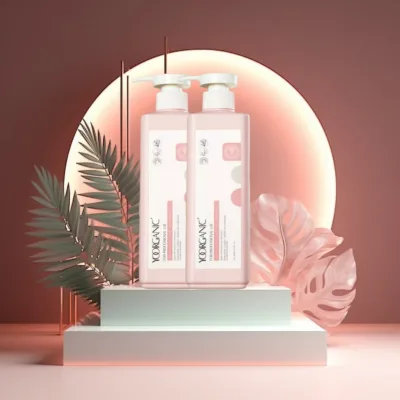
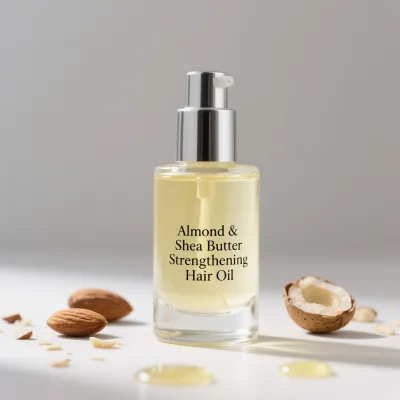


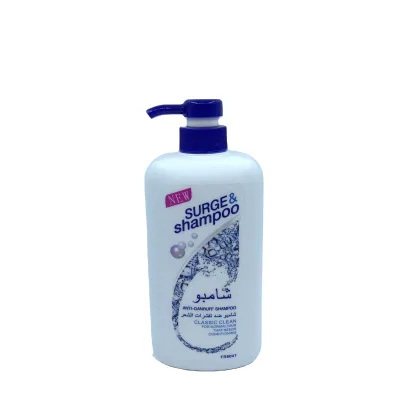


Comprehensive Sourcing Guide
Strategic Sourcing Guide for Hair Repairing Moisturizing Herbal Products
The global demand for hair care solutions that combine restorative properties with natural ingredients has driven a significant shift in B2B procurement strategies. Buyers seeking hair repairing, moisturizing, and herbal formulations must navigate a complex landscape of technical specifications, regulatory compliance, and supply chain logistics. This guide provides a structured approach to sourcing these products, grounded in verified market data and essential procurement principles. The focus remains on identifying reliable supply partners who can deliver consistent quality without compromising on the integrity of herbal ingredients or the efficacy of repair mechanisms.
Technical Specifications and Formulation Standards
When evaluating hair repairing and moisturizing products, the physical form and ingredient composition are the primary determinants of product performance. The market offers a diverse range of forms, including creams, lotions, gels, and solid formats. Each form serves a specific application purpose. For instance, leave-on treatments often utilize cream or lotion bases to ensure prolonged contact with the hair shaft, facilitating deep moisturization. Conversely, rinse-off products may employ gel or liquid formulations to ensure easy application and thorough cleansing.
The ingredient profile is equally critical. Sourcing for "herbal" products requires verification that the formulation relies on plant-based components. Common high-confidence attributes in this sector include plant extracts, vitamins, and collagen, which are frequently cited as main ingredients for their nourishing and repairing capabilities. The presence of specific functional claims such as "repairing," "nourishing," and "moisturizing" must be backed by the actual ingredient list. Buyers should verify that the "Herbal" designation is not merely a marketing term but reflects a substantial inclusion of botanical extracts.
Furthermore, the target hair type dictates the specific formulation requirements. Products are often categorized by their suitability for different hair conditions, such as oily hair or dry hair. A comprehensive sourcing strategy involves matching the product's intended function to the specific needs of the end-user. For example, a moisturizing product designed for dry hair will likely have a higher concentration of emollients and humectants compared to a balancing product for oily hair. The standard packaging sizes also vary significantly, ranging from 300ml to 1000ml, with options for 4oz, 500ml, 600ml, 900ml, and customized volumes. Understanding these standard capacities is essential for inventory planning and logistics.
Compliance and Certification Verification
In the B2B cosmetics and personal care sector, regulatory compliance is non-negotiable. Buyers must rigorously verify that suppliers possess the necessary certifications to operate legally and safely in their target markets. The presence of international standards such as CE, FDA, GMP, and MSDS indicates a commitment to safety and quality management. Additionally, specific industry certifications like GMPC (Good Manufacturing Practice for Cosmetics), ISO 22716, and Sedex are critical indicators of a supplier's adherence to global quality and ethical standards.
The verification process should extend beyond a simple checklist. Buyers must request current certificates and confirm their validity dates. The "Herbal" nature of the product does not exempt it from chemical safety regulations; therefore, the availability of an MSDS (Material Safety Data Sheet) is essential for understanding the chemical composition and handling requirements. Furthermore, the production facility should ideally hold GMP or ISO 22716 certification, which ensures that the manufacturing environment maintains strict hygiene and quality control protocols.
For products intended for export, the trade terms and origin play a significant role in compliance. Many suppliers operate out of China, offering a wide range of models and standards. Buyers should ensure that the supplier can provide documentation that aligns with the import regulations of the destination country. This includes verifying that the product model numbers and standard specifications match the regulatory requirements for labeling and ingredient disclosure. The absence of these certifications should be treated as a red flag, regardless of the product's marketing claims.
Cost Drivers and Pricing Dynamics
Understanding the cost structure of hair care products is vital for budgeting and margin analysis. The observed price range in the market spans from $0.45 to $13.99 USD, reflecting a wide spectrum of product qualities, packaging complexities, and order volumes. Several factors drive these costs. First, the customization level significantly impacts the price. Standard, off-the-shelf products are generally more affordable, while customized formulations, packaging, and branding incur additional costs. The Minimum Order Quantity (MOQ) also plays a crucial role; while some suppliers may accept orders as low as 1 unit, customized production often requires a minimum of 1000 pieces.
The choice of packaging is another major cost driver. Options range from simple cartons to custom-designed boxes, with the latter requiring higher tooling and setup costs. The volume of the product, such as 500ml versus 300ml, directly affects the raw material cost per unit. Additionally, the complexity of the formulation, particularly the inclusion of premium herbal extracts or specialized vitamins, will influence the base price.
Buyers must also consider the trade terms when calculating the total landed cost. Terms such as EXW (Ex Works), FOB (Free on Board), CIF (Cost, Insurance, and Freight), CFR (Cost and Freight), DDA (Delivered Duty Unpaid), and DDP (Delivered Duty Paid) determine who bears the risk and cost of shipping. EXW terms place the maximum responsibility on the buyer, while DDP terms offer a more convenient, all-inclusive price. Understanding these terms is essential for accurate financial planning and risk management.
Typical Applications and Market Segmentation
The application of hair repairing and moisturizing herbal products extends across various market segments. These products are designed to address specific hair concerns, including damage from chemical treatments, environmental stress, and natural dryness. The "Repairing" function is particularly relevant for consumers seeking to restore the structural integrity of damaged hair, while "Moisturizing" addresses hydration needs. The "Herbal" aspect appeals to a growing demographic of consumers who prefer natural and plant-based solutions over synthetic alternatives.
The target audience is diverse, encompassing unisex, male, and female consumers. Some products are specifically formulated for all hair types, while others target specific conditions like oily or dry hair. The "Leave-on" type of product is particularly popular for daily maintenance and treatment, offering continuous benefits without the need for rinsing. The "Anti-Aging," "Anti-Wrinkle," and "Firming" features, while often associated with skincare, can also be relevant in hair care contexts, particularly for scalp health and hair follicle revitalization.
The service model provided by suppliers also influences the application strategy. Suppliers offering OEM (Original Equipment Manufacturer) and ODM (Original Design Manufacturer) services allow brands to create unique products tailored to their specific market needs. This is particularly valuable for companies looking to differentiate themselves in a crowded market. Additionally, suppliers serving distributors and wholesalers provide a pathway for bulk procurement, enabling larger brands to scale their operations efficiently.
Supplier Evaluation and Selection Criteria
Selecting the right supplier is a critical step in the procurement process. Buyers should evaluate potential partners based on their production capabilities, quality control systems, and flexibility. The production time, typically ranging from 7 to 30 days, is a key metric for planning inventory and launch schedules. Suppliers with shorter lead times for samples, such as 3-5 days, demonstrate efficiency and responsiveness.
The supplier's ability to handle customization is another vital factor. Given the high demand for personalized products, a supplier must be capable of accommodating specific requests regarding ingredients, packaging, and branding. The MOQ of 1000 pieces for customized orders is a standard benchmark, but buyers should verify if this is flexible for initial trial runs. Additionally, the supplier's experience with international trade terms and logistics is essential for ensuring smooth delivery.
Quality control is paramount. Buyers should inquire about the supplier's internal testing procedures and their adherence to the mentioned certifications. A supplier that proactively shares test results and quality assurance data is more likely to deliver consistent products. The "Qty/CTN" (Quantity per Carton) information, such as 24 or 48 units, is also important for logistics planning and warehouse management.
Quality Control and Long-Term Procurement Considerations
Maintaining product quality over the long term requires a robust quality control framework. Buyers should establish clear quality standards and conduct regular audits of the supplier's production processes. This includes verifying the consistency of the herbal ingredients and the stability of the formulation. The "Herbal" nature of the product necessitates careful monitoring to ensure that the active ingredients remain effective throughout the product's shelf life.
Long-term procurement considerations also involve building a resilient supply chain. Diversifying suppliers can mitigate the risk of disruptions, while maintaining strong relationships with key partners can lead to better pricing and priority service. Buyers should also consider the scalability of the supplier's operations. As demand grows, the supplier must be able to increase production capacity without compromising quality.
Finally, buyers should stay informed about market trends and regulatory changes. The hair care industry is dynamic, with new ingredients and technologies emerging regularly. Staying ahead of these trends ensures that the products remain competitive and relevant. By focusing on technical specifications, compliance, cost drivers, and supplier evaluation, buyers can successfully source high-quality hair repairing and moisturizing herbal products that meet the needs of their customers.
FAQs
What certifications do Hair Repairing Moisturizing Herbal products have?
Products typically hold CE, FDA, GMP, and MSDS certifications. Additional industry standards like GMPC, ISO22716, and Sedex are also common to ensure safety and ethical manufacturing practices for herbal formulations.
Can I customize the packaging and volume for these herbal products?
Yes, customization is available for packaging and volume. Buyers can select from standard sizes like 300ml, 500ml, or 1000ml, or request fully customized packaging solutions to meet specific branding needs.
How long does production take for customized herbal hair care items?
Production time generally ranges from 7 to 30 days for bulk orders. Sample lead times are shorter, typically taking only 3 to 5 days to prepare for quality verification before full-scale manufacturing begins.
What is the minimum order quantity for customized hair repair products?
The minimum order quantity for customized items is 1000 pieces. Standard orders may have lower thresholds, but specific customization requires meeting this baseline to ensure viable production runs.
Which main ingredients are used in these moisturizing herbal formulations?
Main ingredients include plant extracts, vitamins, and collagen. These components provide nourishing and repairing benefits, ensuring the herbal products effectively address dry or damaged hair conditions.
What trade terms are accepted for shipping these herbal hair products?
Accepted trade terms include EXW, FOB, CIF, CFR, DDA, and DDP. These options allow buyers to choose the level of responsibility they wish to assume regarding shipping and insurance costs.