Source Hair Steamer for Salon, Home, and Professional Care
Explore 30 Hair Steamer options designed for salon, home, and professional hair care applications. Buyers can compare features like height adjustment, power ratings, and material types to find the right equipment for their needs.
Key considerations
Products List

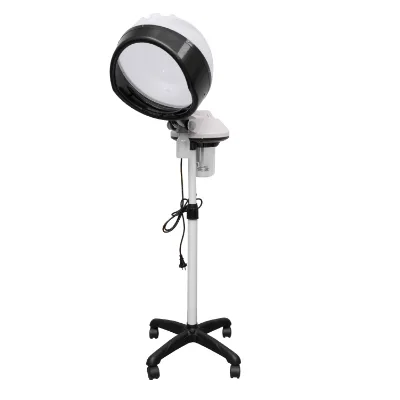
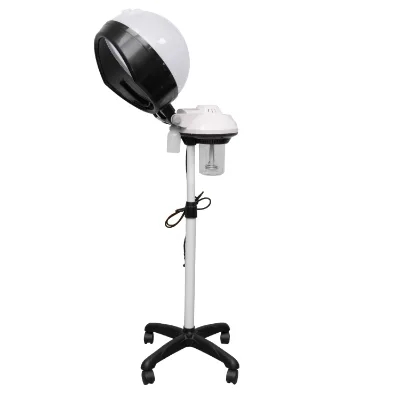
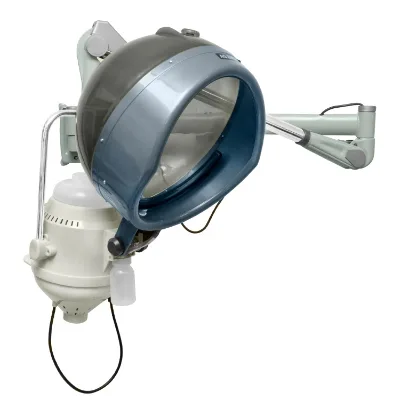
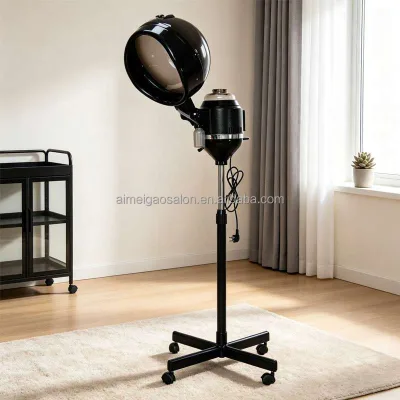





Comprehensive Sourcing Guide
Strategic Sourcing Guide for Professional Hair Steamer Equipment
Understanding the Product Category and Core Functionality
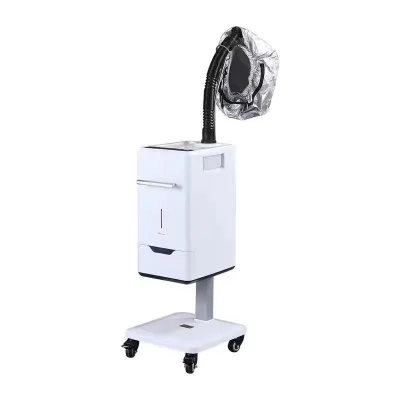
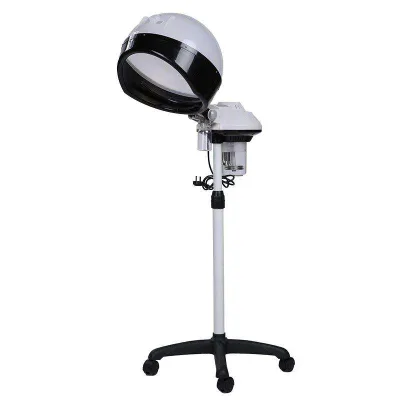
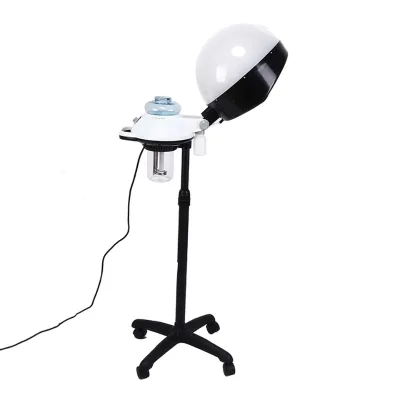
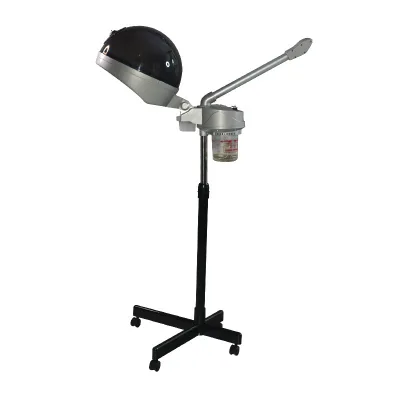
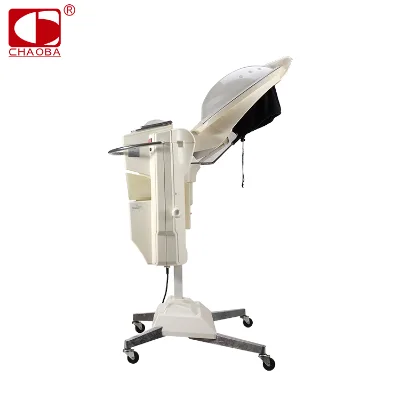
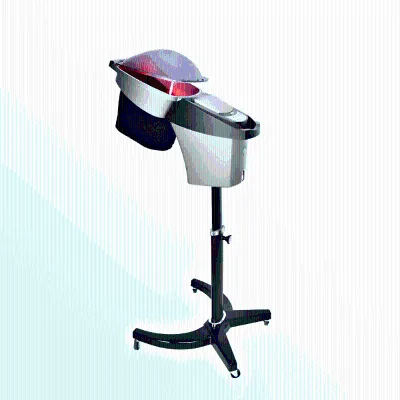
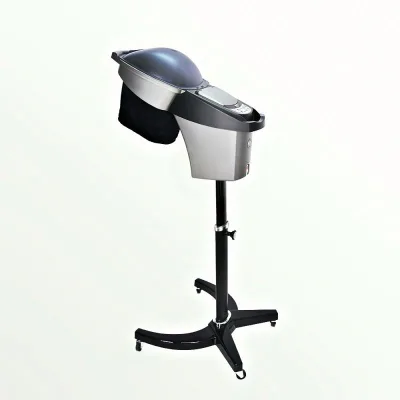
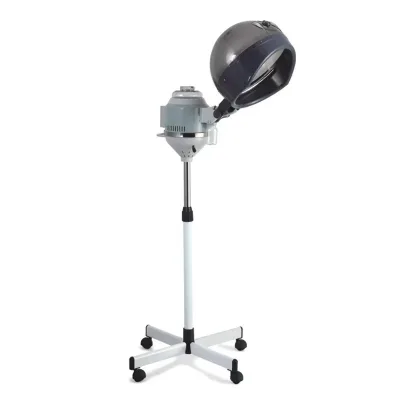
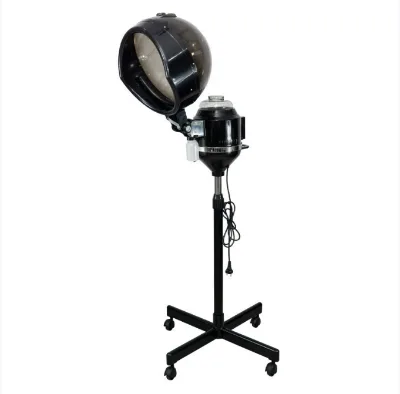
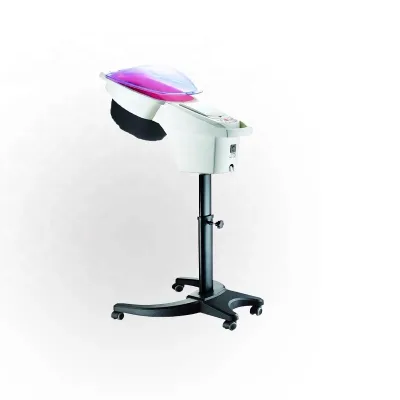
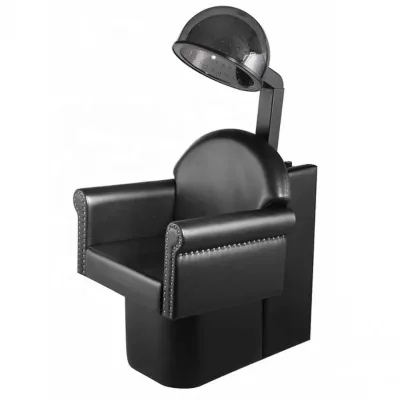
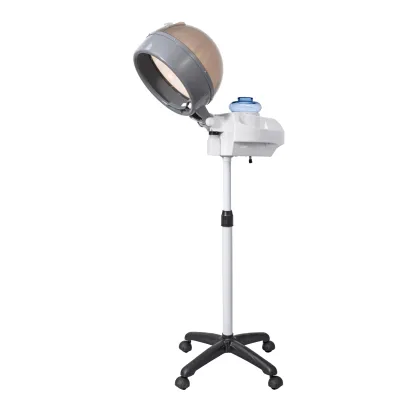
The professional Hair Steamer market encompasses a specialized segment of salon equipment designed to deliver controlled thermal vapor to the hair and scalp. Based on current market observations, these devices are primarily engineered for hair care applications, with specific functions ranging from hair loss care to the cleaning and nourishing of natural dyed hair. The core mechanism involves the generation of steam, often categorized under "Steaming" as a distinct product type. These units are frequently described as "Professional Vertical Hair Steamer" or "Hair Steamer Machine," indicating a design philosophy that prioritizes salon-grade utility over compact home use.
The functional scope of these devices is broad. While some models are explicitly marketed for "Hair Growth" promotion, others focus on "Cleaning Nourishing Natural Dyed Hair." This distinction is critical for buyers selecting equipment for specific service menus. The target area is consistently the "Hair," and the application is broadly defined as "Hair Care" or specifically for "Hair Salon" environments. The operational style of these machines often leans towards "Fashionable" aesthetics, with color options typically limited to "White" or "Black," though some variations may include "Plastic Foot" or "Iron Foot" configurations. Understanding that the product attributes are observations rather than universal claims for every unit is essential; a buyer must verify that a specific model's features align with their specific service requirements before committing to a bulk order.
Technical Specifications and Operational Parameters
When evaluating hair steamers, technical specifications provide the most reliable data for operational planning. A primary differentiator in this category is the power rating. Market data indicates that professional units often operate at 650W, a figure that suggests a balance between efficient steam generation and energy consumption suitable for continuous salon use. Voltage requirements are another critical technical parameter; observed units frequently specify 220V, which necessitates careful verification of compatibility with local electrical infrastructure to prevent equipment failure or safety hazards.
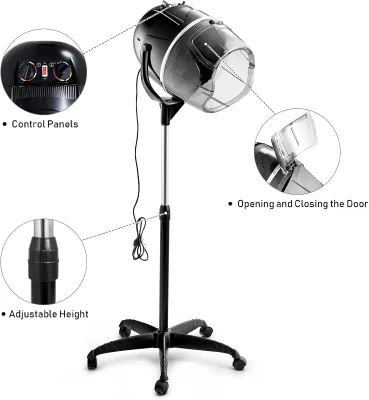
Physical dimensions and weight are equally significant for salon layout planning. The vertical design of these steamers often results in substantial height ranges, with observed specifications spanning from 117cm to 155cm. This adjustability is a key feature, allowing the equipment to accommodate clients of varying statures. The footprint of these machines is also considerable, with package sizes often reaching dimensions such as 74cm in length, 38cm in width, and 34-38cm in height. The gross weight of a single unit typically ranges between 7.0kg and 7.2kg, which impacts both shipping logistics and the stability required for the equipment during operation.
Time settings are another vital technical specification. Professional models often feature a "Height Adjustable Time Setting" capability, with operational timers ranging from 0 to 60 minutes. This flexibility allows stylists to customize treatment durations based on hair type and specific treatment protocols. Furthermore, the material composition is predominantly "Plastic," which offers durability and ease of cleaning, though the structural integrity often relies on internal metal components. Buyers should note that while some listings mention "full-automatic" capabilities, others indicate manual operation, requiring a clear distinction in the procurement specifications to ensure the desired level of automation is met.
Compliance, Certification, and Safety Standards
In the realm of electrical beauty equipment, compliance and certification are non-negotiable for ensuring safety and marketability. While specific product listings may not always explicitly display certification marks, buyers must verify adherence to international safety standards. Trusted background knowledge suggests that standards such as IEC 60335, which covers the safety of household and similar electrical appliances, are highly relevant for this category. Additionally, certifications like CE and RoHS are commonly associated with electrical devices sold in global markets, indicating compliance with European health, safety, and environmental protection requirements.
However, it is crucial to treat these certifications as verification points rather than guaranteed attributes of every listed product. A supplier may claim compliance, but the buyer must request valid test reports or certification documents to confirm the status. The absence of a visible certification on a product page does not necessarily imply non-compliance, but it does require due diligence. Buyers should specifically inquire about the electrical safety testing performed on the 650W heating elements and the 220V voltage systems. Furthermore, the warranty period is a strong indicator of manufacturer confidence; observed data suggests a standard warranty of 1 year, which serves as a baseline for after-sales support and risk mitigation.
Cost Drivers and Procurement Economics
The economics of sourcing hair steamers are influenced by several distinct factors, including power rating, material quality, and automation features. The observed price range in the market is substantial, spanning from approximately $0.90 to $312.60 USD. This wide variance reflects the difference between basic, single-item units and fully featured, professional-grade machines with advanced time settings and height adjustability. The lower end of the spectrum may represent simpler models or promotional pricing, while the higher end likely corresponds to robust, salon-specific units with enhanced durability and features.
Minimum Order Quantity (MOQ) is another significant cost driver. Market data shows an MOQ range from 1 piece to 10,000 pieces. For small salons or individual buyers, the ability to purchase a single item (1PC) is a critical factor that lowers the barrier to entry. Conversely, larger procurement volumes may unlock economies of scale, though the specific discount structures vary by supplier. The supply ability of manufacturers is also a factor; some suppliers indicate a capacity of up to 999,999 pieces per month, suggesting high-volume production capabilities that can support large-scale distribution networks.
Shipping and logistics costs are heavily influenced by the physical attributes of the product. With single package sizes reaching 74x38x38 cm and weights around 7kg, freight costs can be significant. The port of dispatch, often cited as Shenzhen, provides insight into the logistics hub, but buyers must calculate the final landed cost including freight, insurance, and import duties. The "Selling Units" are typically listed as "Single item," which simplifies the ordering process but requires careful calculation of total volume for larger orders.
Typical Applications and Usage Scenarios
The application of professional hair steamers is diverse, catering to various stages of hair treatment. The primary usage is "Hair Loss Care," where the steam helps to open cuticles and improve blood circulation to the scalp. Another major application is the "Cleaning Nourishing Natural Dyed Hair" process, where steam assists in deep conditioning and color setting. These devices are specifically designed for "Hair Salon" environments, where they are used as part of a comprehensive treatment regimen.
The "Vertical" design of these steamers is particularly advantageous for salon workflows, allowing clients to sit comfortably while the steamer operates overhead. The "Height Adjustable" feature ensures that the steam is directed effectively regardless of the client's size. The "Time" setting, adjustable from 0 to 60 minutes, allows for precise control over the treatment duration, which is essential for different hair types and conditions. Whether the goal is "Promote Hair Growth" or general "Hair Care," the versatility of these machines makes them a staple in professional settings.
Supplier Evaluation and Quality Control
Evaluating suppliers requires a focus on consistency and transparency. Buyers should look for suppliers who provide clear model numbers, such as "K-888" or "JPC.JYJ-003," as these identifiers help in tracking specific product iterations. The brand names observed, such as "DONG TIAN" and "JPC," serve as markers of manufacturer identity, but buyers should not rely solely on brand reputation without verifying the specific product's quality.
Quality control measures should be a priority during the procurement process. Buyers must verify that the "Plastic" materials used are of high quality and resistant to heat and wear. The "Single gross weight" and "Single package size" should be consistent across batches to ensure predictable shipping costs and storage requirements. Additionally, the "Feature" list, which may include "Angle Adjustable" or "Height Adjustable," should be physically verified in sample units to ensure the mechanisms function smoothly and do not degrade over time.
Long-Term Procurement and Maintenance Considerations
For long-term procurement, buyers must consider the durability and maintenance requirements of the equipment. The "1 year" warranty observed in the market provides a baseline for replacement or repair, but buyers should negotiate extended terms if possible. The "full-automatic" or manual nature of the machine affects the maintenance schedule; automatic units may require more complex servicing of their control systems.
The "Style" of the equipment, described as "Fashionable," suggests that aesthetic maintenance is also important. Keeping the "White" or "Black" exterior clean is essential for maintaining the professional image of the salon. Buyers should also consider the "Supply Ability" of the supplier to ensure that replacement parts or additional units are available if the business expands. Finally, the "Port of dispatch" and lead times should be factored into inventory planning to avoid stockouts, especially for high-demand models. By focusing on these long-term factors, buyers can ensure a sustainable and efficient procurement strategy for their Hair Steamer equipment.
FAQs
What is the typical power rating for professional hair steamers?
Professional hair steamers typically operate at 650W to ensure efficient steam generation for salon use. This power level balances energy consumption with the need for consistent thermal vapor delivery during treatments like hair loss care or deep conditioning.
Can I find hair steamers with adjustable height settings?
Yes, many professional vertical hair steamers feature height adjustable settings to accommodate clients of varying statures. These units often range from 117cm to 155cm in height, ensuring the steam is directed effectively regardless of the client's size.
What is the minimum order quantity for sourcing hair steamers?
The minimum order quantity for hair steamers can range from 1 piece to 10,000 pieces depending on the supplier. Some vendors allow single item purchases for small salons, while others require bulk orders to unlock economies of scale.
How long is the standard warranty period for these machines?
The standard warranty period observed for professional hair steamers is typically 1 year. This baseline coverage provides protection against defects, though buyers should verify specific terms with the manufacturer for extended support options.
Which voltage is required for these Hair Steamer machines?
Most observed professional Hair Steamer units require a 220V voltage supply. Buyers must verify local electrical infrastructure compatibility to prevent equipment failure or safety hazards when operating these high-power salon devices.
What materials are commonly used to construct hair steamers?
The primary material used for the exterior and structural components of hair steamers is plastic. This material offers durability and ease of cleaning, though internal components often rely on metal for structural integrity and heat resistance.