Source Hand Blown Clear Glass Vase with Wood Base for Home
Explore 30 Hand Blown Clear Glass Vase with Wood Base options from verified Chinese suppliers. Compare OEM and ODM capabilities, transparent glaze types, and BSCI-certified factories for decorative home use and gift applications; compare the available evidence and request quotations based on your requirements.
Updated
Key considerations
Products List


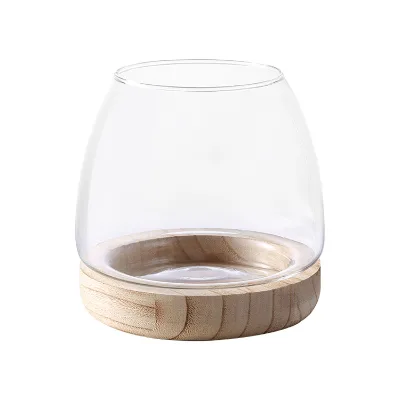
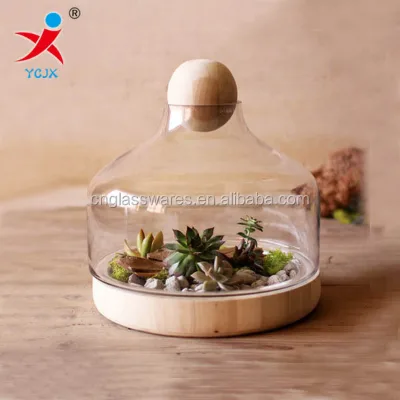
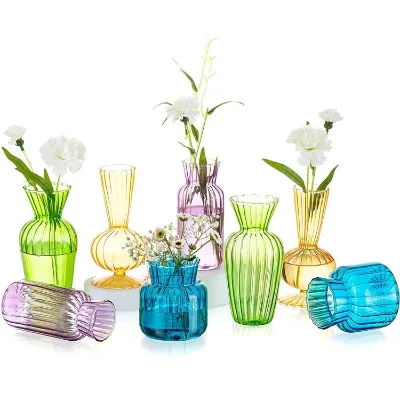
Wholesale Handmade Mouth Blown Glassware Clear Glass Vase for Home Decoration
$3.00 - $5.00
MOQ: 300 Pieces




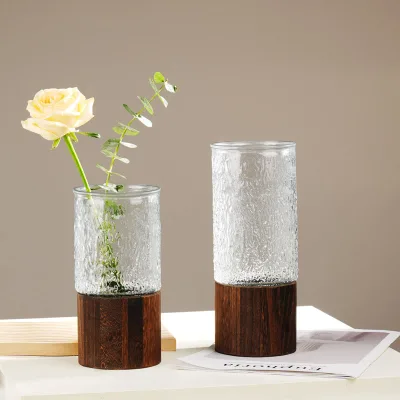
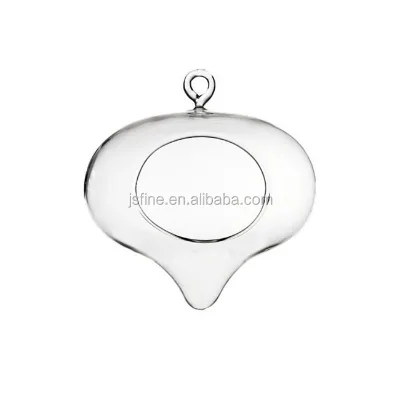
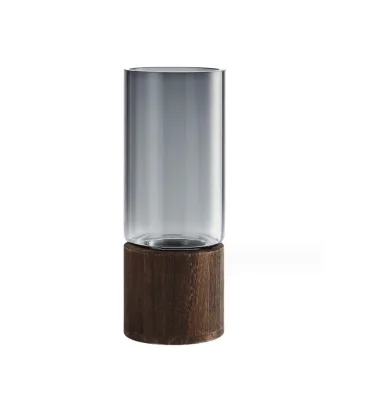
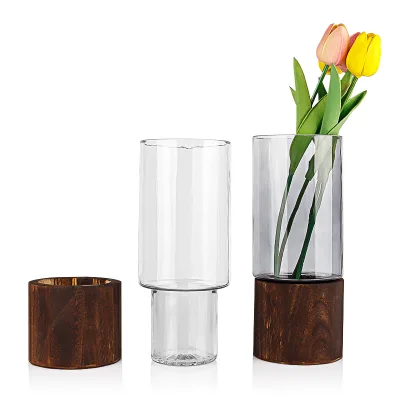
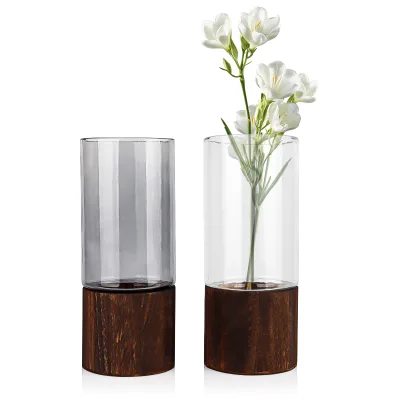
New Design Transparent Glass Vase with Wooden Bottom Base Flower Vases
$59.35 - $65.89
MOQ: 3000 Pieces

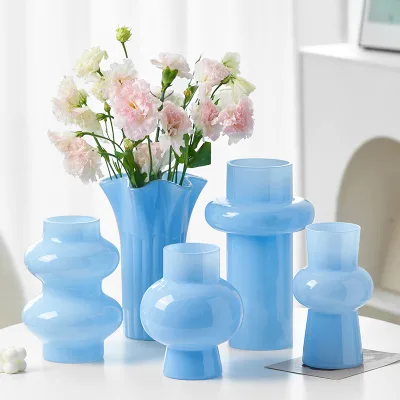
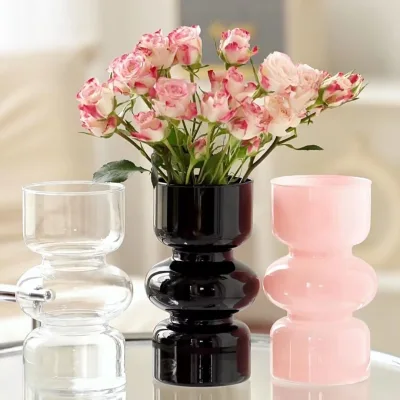
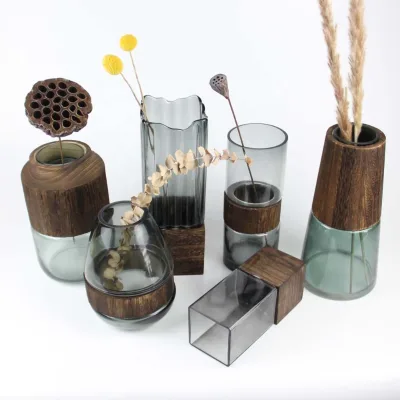



Comprehensive Sourcing Guide
Hand Blown Clear Glass Vase with Wood Base Sourcing Guide
Sourcing hand-blown clear glass vases with wood bases requires a nuanced understanding of material compatibility and artisanal manufacturing processes. The core keyword highlights two distinct components: the transparent glass vessel and the natural wood foundation. Buyers must recognize that "hand blown" indicates a non-industrial, labor-intensive process, which inherently introduces slight variations in shape and thickness. This variability is a hallmark of quality but demands precise tolerance management during assembly. The "clear" attribute suggests a focus on aesthetic transparency, often requiring high-clarity glass without significant bubbles or distortions, while the wood base adds structural stability and a contrasting organic texture.
Procurement teams should approach this category as a composite product rather than a single-item purchase. The integration of glass and wood introduces unique challenges regarding thermal expansion rates and moisture sensitivity. Glass is rigid and brittle, whereas wood is hygroscopic and can expand or contract with humidity changes. This mismatch can lead to cracking or loosening of the base if not engineered correctly. Therefore, the sourcing strategy must prioritize suppliers who demonstrate expertise in joining these disparate materials, ensuring that the adhesive or mechanical fastening methods used are durable and safe for long-term decorative use in various indoor environments.
Product Scope and Observed Listing Signals
The observed market signals indicate a diverse range of product attributes, including various sizes such as small, medium, and large, which cater to different interior design scales. Listings frequently mention customization options, allowing buyers to tailor dimensions and branding to specific retail needs. The presence of terms like "fashion" and "decorative" suggests that these items are positioned as lifestyle accessories rather than purely functional containers. Additionally, the mention of "glass terrariums" and "glass craft" implies that some suppliers may offer related product lines, providing opportunities for bundled procurement or expanded catalog offerings for buyers seeking a cohesive decorative collection.
Price and minimum order quantity (MOQ) data reveal a wide spectrum, with prices ranging from low-cost items to premium artisanal pieces, and MOQs varying from single units to thousands of pieces. This variance reflects the difference between mass-produced glassware and true hand-blown craftsmanship. Buyers should note that "OEM" and "ODM" capabilities are commonly advertised, indicating that many manufacturers are equipped to handle private labeling and custom design requests. However, the specific mention of "hand blown" techniques alongside "grinding" processes suggests a multi-stage production workflow that impacts both lead times and final product quality, requiring careful verification of each step in the supply chain.
Technical Specifications to Verify
Verifying the technical specifications of the glass component is critical, particularly regarding thickness, clarity, and structural integrity. Buyers should request detailed specifications for the glass type, ensuring it is suitable for hand-blown processes and can withstand the thermal shock if used with candles or warm water. The "clear" finish must be free of significant inclusions or streaks that could detract from the aesthetic appeal. Additionally, the dimensions provided in listings, such as heights ranging from 11cm to 30.3cm, should be cross-referenced with actual product samples to ensure consistency, as hand-blown items can vary significantly from their stated models.
The wood base requires equally rigorous scrutiny, focusing on the type of wood, treatment, and attachment method. Buyers must verify that the wood is properly dried and treated to prevent warping or mold growth, especially in humid environments. The connection point between the glass and wood is a critical failure point; suppliers should disclose whether they use adhesives, mechanical fasteners, or a combination of both. It is essential to confirm that any adhesives used are non-toxic and compatible with both glass and wood surfaces. Furthermore, the finish of the wood, whether stained, painted, or natural, should be consistent with the brand's aesthetic guidelines and durable enough to resist wear and tear.
Compliance and Safety Documentation
Compliance with safety standards is paramount, especially if the vases are intended for use in homes with children or pets. Buyers should ensure that the glass meets relevant impact resistance and lead-free requirements, depending on the target market. For the wood component, certifications such as FSC (Forest Stewardship Council) can verify sustainable sourcing practices, which is increasingly important for eco-conscious consumers. Additionally, any finishes or coatings applied to the wood should be checked for compliance with VOC (Volatile Organic Compounds) regulations to ensure indoor air quality is not compromised.
Documentation should also cover the manufacturing process itself, including factory audits and quality control protocols. Standards like BSCI (Business Social Compliance Initiative) can provide assurance regarding ethical labor practices, which is a key consideration for many global brands. Buyers should request test reports for both the glass and wood components, including tests for durability, chemical resistance, and flammability if applicable. These documents serve as proof of quality and safety, reducing the risk of product liability issues and enhancing the brand's reputation for responsible sourcing.
Cost Drivers and Commercial Terms
The cost of hand-blown glass vases with wood bases is driven by several factors, including the complexity of the design, the quality of raw materials, and the labor intensity of the manufacturing process. Hand-blown glass requires skilled artisans, which increases production costs compared to machine-made alternatives. Similarly, the selection of premium wood and the precision required for fitting the base contribute to higher prices. Buyers should understand that lower prices may indicate a compromise in quality, such as the use of thinner glass or inferior wood treatments, which can lead to higher return rates and customer dissatisfaction.
Commercial terms, including MOQs and lead times, vary significantly among suppliers. High MOQs may be necessary to achieve economies of scale, but they also increase inventory risk for buyers. Lead times for hand-blown items are typically longer due to the artisanal nature of the work, so buyers must plan their procurement cycles accordingly. Payment terms should be negotiated to balance risk, with options like letters of credit or escrow services providing security for both parties. Additionally, buyers should clarify who is responsible for shipping and insurance, as glass products are fragile and prone to damage during transit.
Supplier Qualification and Quality Control
Supplier qualification involves a thorough assessment of their manufacturing capabilities, quality control systems, and past performance. Buyers should visit factories or request detailed virtual tours to verify the hand-blowing and wood-working processes. It is essential to confirm that the supplier has dedicated quality control checkpoints at each stage of production, from raw material inspection to final packaging. Suppliers with strong OEM/ODM capabilities should also demonstrate their ability to handle custom designs and branding requirements efficiently.
Quality control protocols should include random sampling and destructive testing to ensure consistency and durability. Buyers should establish clear acceptance criteria for defects, such as cracks, bubbles, or misalignments, and communicate these expectations to the supplier. Regular audits and performance reviews can help maintain high standards and identify areas for improvement. Additionally, suppliers should provide a robust warranty or replacement policy for defective items, ensuring that any issues are resolved promptly and without significant cost to the buyer.
Long-Term Procurement Checks
Long-term procurement success depends on building a resilient and adaptable supply chain. Buyers should regularly review supplier performance metrics, including on-time delivery rates, defect rates, and responsiveness to issues. Continuous improvement initiatives, such as joint quality improvement projects or cost-reduction strategies, can strengthen the partnership and enhance value over time. Additionally, buyers should stay informed about market trends and regulatory changes that may impact product design or compliance requirements, ensuring that their procurement strategy remains relevant and competitive.
Diversifying the supplier base can mitigate risks associated with single-source dependencies, such as production disruptions or price volatility. Buyers should identify alternative suppliers who can meet their quality and volume requirements, providing a backup in case of unforeseen circumstances. Furthermore, fostering open communication and collaboration with suppliers can lead to innovative solutions and better product offerings. By maintaining a proactive and strategic approach to procurement, buyers can ensure a steady supply of high-quality hand-blown glass vases with wood bases that meet their customers' expectations.
FAQs
Can I customize the glass vase with my own brand?
Yes, customization is available for these glass vases. The product attributes indicate that OEM and ODM development technologies are supported. Buyers can request custom branding and specific design modifications to meet their unique requirements. This flexibility allows for tailored solutions for various decorative or gift purposes.
What is the minimum order quantity for these vases?
The minimum order quantity is 1000 pieces. This MOQ applies to the glass craft items described. Buyers should note that general observed MOQ ranges can vary from 1 to 3000 units depending on the specific supplier and product model. Confirming the exact MOQ with the manufacturer is recommended before placing an order.
What certifications do the manufacturers hold?
The factories hold BSCI and FSC audit standards. These certifications indicate compliance with specific ethical and environmental standards. Buyers seeking verified suppliers can rely on these documented factory audits. The ISO certification is also mentioned in the context of glaze types, ensuring quality standards are met for the glass products.
Where are these glass vases manufactured?
These glass vases originate from China, specifically Jiangsu province. The manufacturing location is clearly stated as Jiangsu, China. This regional origin is common for glass craft items. Buyers can expect products to be shipped from this location, which is a major hub for glass manufacturing and export in Asia.
What are the standard sizes for these glass vases?
Standard sizes include heights such as 18x30.3cm, 19.5x24.5cm, and 16x22.5cm. Various models like GA14215 and 2135-23 have specific dimensions. Sizes are categorized as large, medium, or small. Buyers should check the specific model number to determine the exact height and width for their decorative needs.
How are the glass vases packaged for shipping?
The vases are packaged in cartons or brown boxes. The single package size is approximately 45x45x50 cm with a gross weight of 3.000 kg. This packaging ensures safe transport of the fragile glass items. Buyers should consider the package dimensions when planning logistics and storage for bulk orders.