Source Metal Alarm Clocks for Office, Home, and Travel
Source 30 Metal Alarm Clock options for office desks, home bedrooms, and travel needs. Compare features like quartz or mechanical movement, silent ticking, and twin bell alarms across various colors and models to find the right supplier; compare the available evidence and request quotations based on your requirements.
Updated
Key considerations
Products List
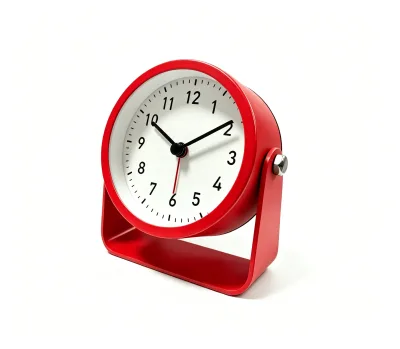
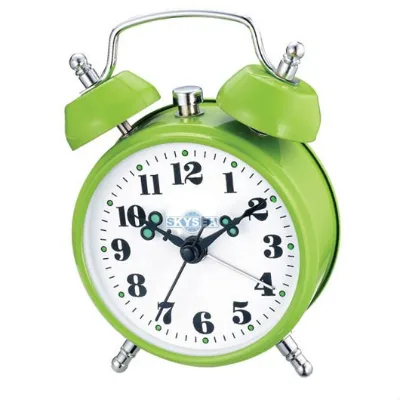
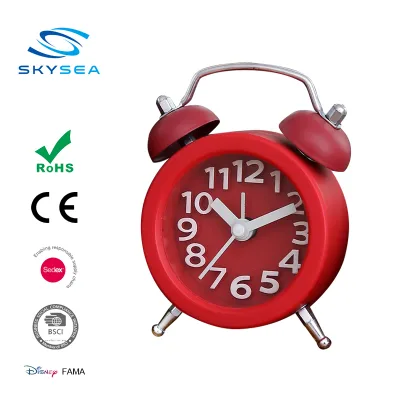
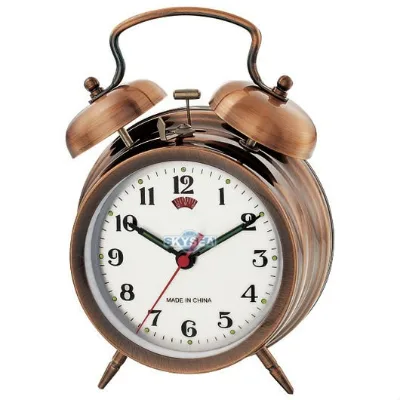
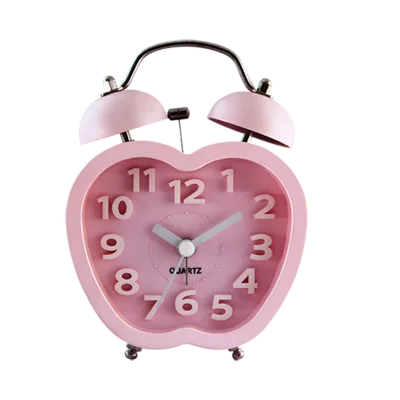
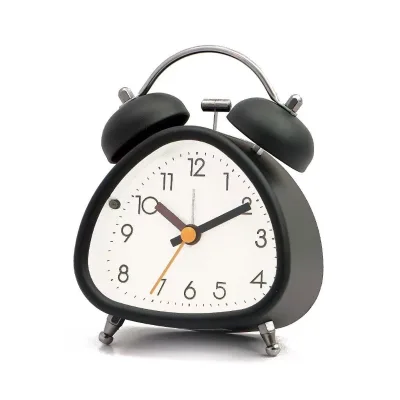


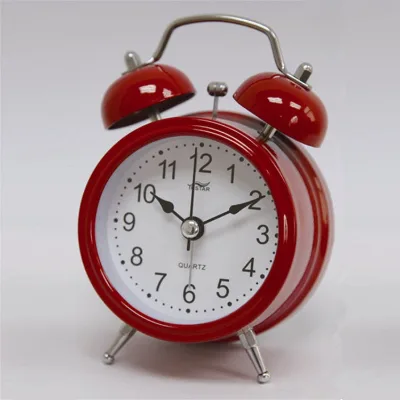
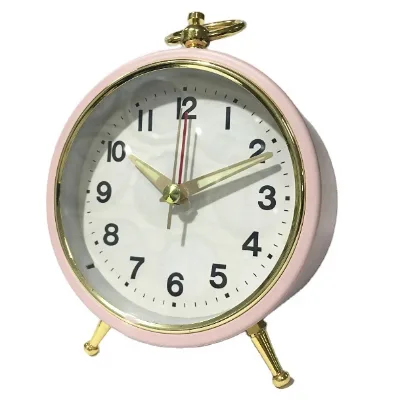
Comprehensive Sourcing Guide
Metal Alarm Clock Sourcing Guide
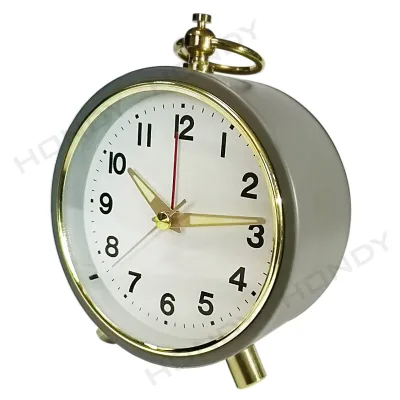
Sourcing metal alarm clocks requires a nuanced understanding of the diverse product landscape available from manufacturers, particularly those based in Guangdong, China. The market offers a wide array of designs, ranging from modern minimalist aesthetics to traditional twin-bell styles, each serving distinct consumer preferences. Buyers must navigate this variety by clearly defining their target audience, whether it be for daily home use, office environments, or as decorative pieces. The material composition, primarily metal or ABS plastic, significantly influences the perceived value and durability of the final product, making material verification a critical first step in the procurement process.
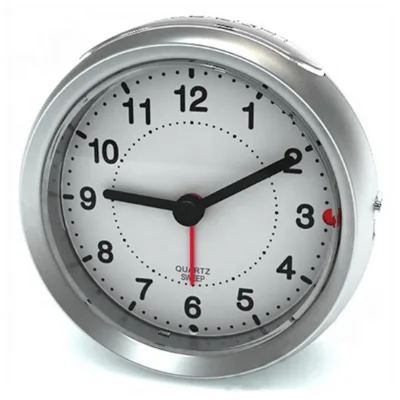
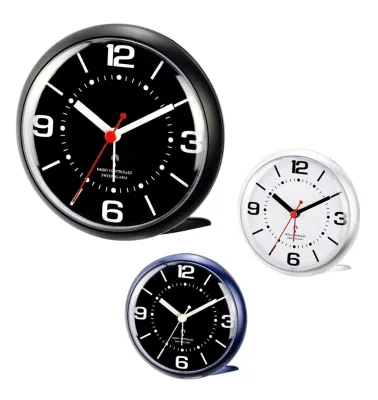
The operational mechanisms also vary considerably, with quartz movements being prevalent for their reliability and accuracy, while mechanical or wind-up movements offer a nostalgic appeal for specific niche markets. Some models feature silent, non-ticking operations, which are essential for bedroom use, whereas others utilize bell alarms for a more traditional auditory cue. Understanding these functional differences is crucial for aligning product selection with end-user expectations. Procurement teams should prioritize models that offer versatile color options, such as black, white, blue, and green, to ensure broad market appeal and inventory flexibility.
Product Scope and Observed Listing Signals
The current market listings reveal a broad spectrum of metal alarm clocks with varying specifications and price points. Observed prices range from approximately $0.82 to $13.65 USD, reflecting differences in material quality, movement type, and packaging complexity. Minimum order quantities (MOQs) are equally diverse, spanning from just 2 units for sample testing up to 3,000 units for bulk production runs. This wide range allows buyers of all sizes to participate in the market, from small retailers seeking low-risk inventory to large distributors requiring substantial volume. The flexibility in MOQs is a significant advantage for new entrants who need to validate market demand before committing to large orders.
Product attributes observed in listings include circular shapes, needle displays, and various design styles such as modern or classic. Features like backlight functionality, battery operation, and specific alarm types (e.g., bell alarm) are common selling points. Some products are marketed as green products that do not require batteries, appealing to environmentally conscious consumers. The packaging details also vary, with options including poly bags, standard window gift boxes, and simple white boxes. These variations impact the final retail presentation and unboxing experience, which are critical factors in consumer satisfaction and brand perception.
Technical Specifications to Verify
Verifying technical specifications is essential to ensure that the metal alarm clocks meet the required performance standards. Key attributes to confirm include the movement type, which can be quartz, mechanical, or jumping movement, each offering different levels of accuracy and maintenance requirements. The display type, whether needle or timer display, should align with the intended use case, ensuring readability and user convenience. Additionally, the size of the clock, often specified in inches or centimeters, must be appropriate for the intended placement, whether on a bedside table, desk, or shelf. Buyers should request detailed dimensional data to ensure compatibility with their retail displays or packaging constraints.
Material composition is another critical specification, with metal and ABS being the most common materials. The thickness and finish of the metal components can significantly affect the clock's durability and aesthetic appeal. Buyers should verify the presence of backlight features and the type of alarm sound, such as bell or electronic tones, to ensure they match the product description. Furthermore, the power source, whether battery-operated or requiring no battery, must be clearly stated to avoid customer confusion. Confirming these technical details through product samples or detailed specification sheets is vital to prevent discrepancies between ordered and delivered goods.
Compliance and Safety Documentation
Compliance with international safety and environmental standards is non-negotiable for metal alarm clocks destined for global markets. Certifications such as CE and ROHS are frequently mentioned in product listings, indicating adherence to European health, safety, and environmental protection standards. Buyers must verify the validity of these certifications by requesting official documentation from the supplier. This includes test reports from accredited laboratories that confirm the product's compliance with specific directives. Ensuring that the supplier holds valid certificates helps mitigate the risk of customs delays, product recalls, or legal liabilities in the destination market.
In addition to product-specific certifications, buyers should inquire about the supplier's overall quality management systems. While not always explicitly stated, a robust quality management system is indicative of a supplier's commitment to consistent product quality. Documentation such as ISO certifications, if available, can provide additional assurance of the supplier's operational standards. Buyers should also verify that the packaging materials comply with local regulations, particularly regarding recycling and waste disposal. Clear and accurate labeling, including country of origin and material composition, is essential for regulatory compliance and consumer transparency.
Cost Drivers and Commercial Terms
Several factors influence the cost of metal alarm clocks, including material costs, manufacturing complexity, and order volume. The choice between metal and ABS plastic, as well as the type of movement (quartz vs. mechanical), significantly impacts the unit price. Suppliers often offer tiered pricing based on MOQs, with lower prices available for larger orders. Buyers should negotiate terms that align with their inventory management strategy, balancing cost savings with storage capacity and cash flow considerations. Understanding the cost structure helps in making informed decisions about product selection and order sizing.
Commercial terms such as payment methods, shipping arrangements, and lead times are critical components of the procurement process. Suppliers may offer various payment options, including letters of credit or advance payments, each with different risk profiles. Shipping terms, such as FOB or CIF, determine who bears the cost and risk of transportation. Lead times can vary based on order size and production schedule, so buyers should plan accordingly to avoid stockouts. Clear communication regarding these terms ensures a smooth transaction process and helps in managing expectations between buyer and supplier.
Supplier Qualification and Quality Control
Qualifying suppliers is a crucial step in ensuring the reliability and quality of metal alarm clocks. Buyers should conduct thorough due diligence, including verifying the supplier's business license, production capacity, and export experience. Suppliers based in Guangdong, China, are known for their manufacturing expertise, but buyers should still assess their specific capabilities and track record. Requesting references from previous clients or visiting the factory, if possible, can provide valuable insights into the supplier's operations and quality control practices. This due diligence helps in selecting partners who can consistently meet quality and delivery requirements.
Quality control measures should be established before placing large orders. This includes defining clear quality standards, conducting pre-production samples, and implementing in-process inspections. Buyers should specify acceptable defect rates and require suppliers to provide quality inspection reports. Regular audits and performance reviews can help maintain high standards and identify areas for improvement. Establishing a strong quality control framework ensures that the metal alarm clocks meet the buyer's expectations and reduces the risk of receiving substandard products. Effective communication and collaboration with the supplier are key to successful quality management.
Long-Term Procurement Checks
Long-term procurement success depends on continuous monitoring and evaluation of supplier performance. Buyers should establish key performance indicators (KPIs) to track metrics such as on-time delivery, product quality, and responsiveness to issues. Regular reviews of these metrics help in identifying trends and addressing potential problems before they escalate. Building a strong relationship with the supplier based on mutual trust and transparency can lead to better cooperation and more favorable terms over time. Continuous improvement initiatives, such as joint quality improvement projects, can further enhance the partnership.
Market trends and consumer preferences evolve, so buyers must stay informed about changes in the Metal Alarm Clock market. This includes monitoring new design trends, technological advancements, and regulatory updates. Adapting the product portfolio to meet changing demands ensures that the buyer remains competitive. Additionally, diversifying the supplier base can mitigate risks associated with single-source dependencies. By maintaining a proactive approach to procurement, buyers can ensure a steady supply of high-quality metal alarm clocks that meet the needs of their customers.
FAQs
How can I verify the quality of a Metal Alarm Clock before ordering?
Request detailed product specifications, sample units, and copies of certificates such as CE and ROHS before placing an order. Inspect the sample for movement type, finish, backlight, and alarm sound. Confirm packaging details like poly bag plus window gift box or white box, and check the single gross weight and carton dimensions against your shipping plan.
What movement types are available for metal alarm clocks?
Metal alarm clocks are commonly offered with quartz movement, mechanical movement, jumping movement, or wind up movement. Quartz analog models give steady timekeeping, while mechanical and wind up versions need no battery, which suits buyers seeking greener products. Confirm the operating mode, display type, and whether the clock is silent or non-ticking before confirming your order.
Which certifications should Metal Alarm Clock suppliers provide?
Ask suppliers for CE and ROHS certificates, which appear on listed alarm clock products and indicate conformity with basic safety and environmental requirements. Certificates should match the exact model number you intend to purchase. If you sell into regions with additional rules, request test documentation for the alarm bell sound level and battery compartment before finalizing the contract.
Can metal alarm clocks be customized with my brand and packaging?
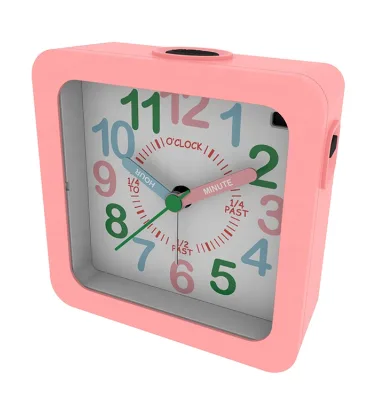
Many listings state OEM acceptable, so brand marking, model numbering, and packaging choices such as white box or standard window gift box can often be arranged. Provide your logo artwork, preferred colors from available options like black, white, blue, green, pink, red, silver, or yellow, and confirm customization costs, sample lead time, and minimum order quantities in writing.
What minimum order quantities and prices apply to metal alarm clocks?
Listed products show MOQs ranging from 2 to 3000 pieces and unit prices from about 0.82 to 13.65 USD, reflecting differences in size, movement, and features. Twin bell mechanical models differ from quartz backlight versions in cost. Ask each supplier for a tiered quotation that shows price breaks at higher volumes, plus packaging and freight costs to your port.
How are metal alarm clocks packed and shipped from Guangdong, China?
Typical packing places each clock in a poly bag, then in a standard window gift box or white box. Single package size is listed as 35X46X29 cm with a gross weight of 12 kg, so confirm carton quantities for freight planning. The listed port of dispatch is Guangzhou, and supply ability can reach 200000 pieces per month.