Source Handmade Frosted Ceramic Vase for Home Decor, Gift, and Table Centerpiece
Explore 30 listings for the Handmade Frosted Ceramic Vase, comparing sizes from S to L, colors like black and white, and customization options. Buyers can evaluate specifications such as dimensions, glazing processes, and packaging for kitchen, restaurant, or office use.
Key considerations
Products List
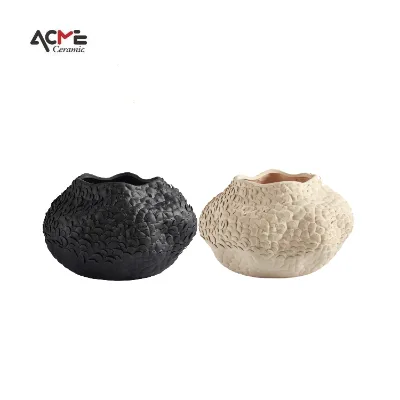
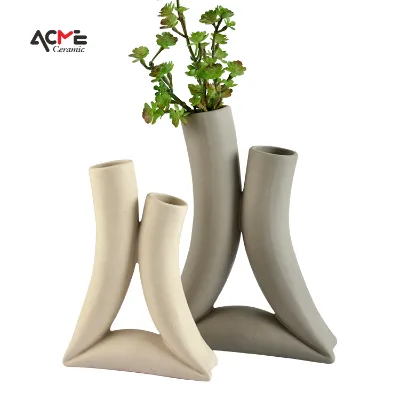

Modern Ceramic Art Vase Ceramic Hand Flower Vase Unique Gift Porcelain Vase
$1.00 - $3.00
MOQ: 3000 Pieces

Desktop Decoration Small Vase Custom Flower Vase White Ceramic Hand Painted Vase
$1.50 - $3.00
MOQ: 3000 Pieces


Luxury Decoration Ceramic Vase Custom Hand Painted Vase High Quality Flower Vase
$1.50 - $3.00
MOQ: 3000 Pieces


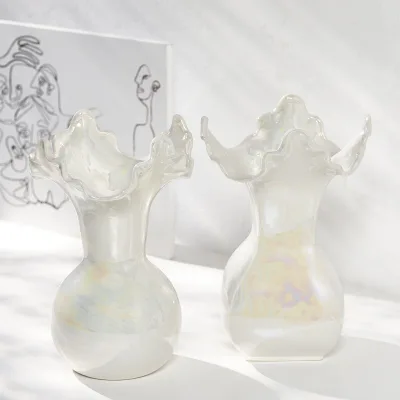


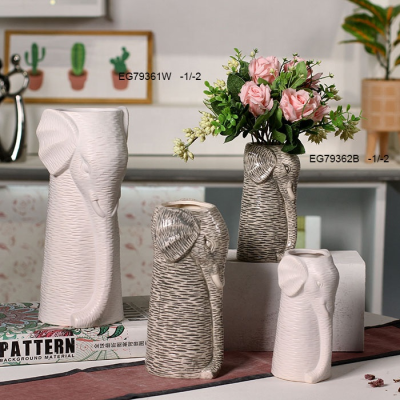
Comprehensive Sourcing Guide
Strategic Sourcing Guide for Handmade Frosted Ceramic Vases
Understanding Product Specifications and Variations
When sourcing handmade frosted ceramic vases, buyers must first navigate the complex landscape of technical specifications that define the product's physical reality. The market offers a diverse range of dimensions, with observed product sizes varying significantly to suit different interior design needs. Specific listings indicate dimensions such as 17x17x38cm, 18x18x43cm, and smaller variants like 16x16x30cm. These measurements often correspond to a set configuration, where a large (L) vase is paired with medium (M) and small (S) counterparts to create a cohesive centerpiece. The packaging dimensions also require careful attention, as they are typically larger than the product itself to ensure safe transit, with observed packaging sizes reaching up to 22x22x47cm for larger units.
The physical form of these vases is equally critical. While many products are described as having a round shape, the "handmade" attribute often introduces an irregular shape profile, which is a desirable aesthetic feature in artisanal ceramics. The surface finish is a defining characteristic; the "frosted" description implies a specific glazing process that diffuses light, creating a soft, matte appearance. This is distinct from high-gloss finishes and is achieved through specific surface decoration techniques. Buyers should verify that the "glazed" process mentioned in supplier data aligns with the desired frosted aesthetic, as the degree of frosting can vary based on the firing temperature and glaze composition. Furthermore, the production method is explicitly noted as "hand built," which suggests that each unit may possess unique variations in wall thickness and symmetry, a trait that distinguishes these items from mass-produced, machine-pressed ceramics.
Compliance, Standards, and Quality Verification
Navigating the compliance and quality standards for ceramic products requires a clear understanding of the distinction between mandatory safety regulations and voluntary quality benchmarks. In the context of the available data, the quality standard is frequently cited as "A-B Grade" or "According to Your Requirements." This indicates that the industry does not universally adhere to a single, rigid grading system for all ceramic vases, but rather operates on a tiered quality model where the buyer must define the acceptable tolerance for imperfections. The "A-B Grade" classification suggests a range from premium (A) to standard commercial grade (B), where minor surface irregularities or slight color variations might be acceptable in the lower tier.
Buyers must also scrutinize the "prod_standard" field, which often lists specific dimensional tolerances such as "Top Dia. 12.5xH10.5cm" or "Top Dia. 18.5xH26.5cm." These specific measurements serve as the baseline for compliance. When a supplier claims a product meets a standard, the buyer should verify if this refers to the final product dimensions or the raw material specifications. Additionally, while some background information mentions ISO9001 or ISO14001, these should not be assumed as universal facts for every listed product. Instead, buyers should explicitly request certification documentation from the supplier to confirm if their specific manufacturing facility holds these management system certifications. The absence of a specific standard in the product listing does not imply non-compliance, but it does necessitate a more rigorous on-site or third-party audit to ensure the product meets the buyer's internal quality requirements.
Cost Drivers and Pricing Dynamics
The pricing structure for handmade frosted ceramic vases is influenced by a convergence of material costs, labor intensity, and logistical factors. The observed price range in the market spans from $0.32 to $27.50 USD, a variance that reflects the significant differences in size, complexity, and customization levels. The lower end of this spectrum typically corresponds to smaller, simpler units or those produced in higher volumes with less intricate hand-building techniques. Conversely, the upper end of the price range is associated with larger, more complex pieces, such as the 18x18x43cm models, which require more raw material and significantly more labor hours to hand-build and glaze.
Customization is a primary cost driver in this category. The availability of custom logos and specific color requirements, such as black, pink, white, grey, or beige, adds a layer of complexity to the production process. Each custom color requires a separate glaze batch and firing cycle, increasing the unit cost. Furthermore, the "hand built" nature of the product means that labor costs are a substantial portion of the final price. Unlike automated manufacturing, where output is consistent and predictable, hand-building introduces variability in production time, which can affect the final cost per unit. Buyers should also consider the packaging costs, as the requirement for cartons and gift boxes adds to the overall expense. The minimum order quantity (MOQ) also plays a role in pricing; observed MOQs range from 1 to 5000 units, with lower MOQs often commanding a higher unit price due to the setup costs for custom runs.
Typical Applications and Market Segmentation
The versatility of handmade frosted ceramic vases allows them to serve a wide array of applications across different market segments. The primary usage scenarios identified include home decoration, garden decoration, and daily use, making them suitable for residential interiors. In commercial settings, these vases are frequently utilized as table centerpieces in restaurants, hotels, and offices, where their aesthetic appeal enhances the dining or working environment. The "fashion" and "hand made" style attributes position these products as premium decorative items, often used for business gifts or promotional events.
The target demographic for these products is broad, spanning "all people" and covering various age groups from modern consumers to traditional collectors. The "Chinese" feature noted in some product attributes suggests a cultural aesthetic that may appeal to buyers seeking authentic Asian-inspired decor. Additionally, the product's application in "market" and "promotion" contexts indicates its utility in retail environments, where it can be used as a display item or a branded giveaway. The ability to customize the logo and color allows businesses to align the product with their corporate identity, making it a versatile tool for marketing and brand reinforcement. Whether used as a standalone sculpture or part of a set, the functional and decorative duality of these vases ensures their relevance in both residential and commercial procurement strategies.
Supplier Evaluation and Sourcing Strategy
Evaluating suppliers for handmade ceramic products requires a focus on their production capabilities and consistency. The data indicates that the origin of these products is primarily China, with specific mentions of Dongguan as a production hub. When selecting a supplier, buyers should verify the "hand built" claim by requesting video evidence of the production process or scheduling a factory audit. The capacity of the supplier is another critical factor; observed output capabilities range up to 100,000 pieces per month, but buyers must ensure that the supplier can maintain quality standards at this volume.
The customization capabilities of the supplier are paramount. Buyers should assess the supplier's ability to handle custom logos, specific color requests, and unique size requirements. The "customized" standard mentioned in the data suggests flexibility, but the buyer must define the scope of this customization clearly. Additionally, the packaging capabilities should be evaluated, as the product often requires specialized packaging like cartons and gift boxes to prevent damage during transit. The supplier's ability to provide samples that match the "A-B Grade" or higher specifications is essential for validating their quality control processes before committing to a large order.
Quality Control and Long-Term Procurement Considerations
Implementing a robust quality control (QC) strategy is essential for sourcing handmade ceramics. Given the "hand built" nature of the product, buyers should expect some degree of variation in shape and size. However, this variation should fall within acceptable tolerances defined by the "Top Dia." and "Height" standards. QC protocols should include visual inspections for glaze consistency, checking for cracks or chips, and verifying the accuracy of the dimensions against the ordered specifications. The "glazed" surface decoration should be inspected for uniformity, ensuring that the frosted effect is consistent across the entire surface.
For long-term procurement, buyers should establish a clear communication channel with the supplier regarding quality standards. The "A-B Grade" classification should be explicitly defined in the purchase agreement to avoid disputes over what constitutes an acceptable product. Regular audits and sample testing should be conducted to ensure that the supplier maintains consistency over time. Additionally, buyers should consider the lead times and production capacity when planning their inventory. The observed output of 100,000 pieces per month suggests that suppliers can handle large orders, but buyers must confirm the lead time for custom runs, which may be longer than standard production cycles. By focusing on these technical and operational aspects, buyers can secure a reliable supply chain for high-quality handmade frosted ceramic vases.
Comparative Analysis of Product Attributes
To facilitate informed decision-making, the following table summarizes the key attributes observed in the market for handmade frosted ceramic vases. This comparison highlights the variations in size, style, and application that buyers should consider.
| Attribute Category | Observed Variations | Key Considerations for Buyers |
|---|---|---|
| Dimensions | L: 18x18x43cm, M: 17x17x38cm, S: 16x16x30cm | Verify exact dimensions against packaging size to ensure fit for intended space. |
| Shape | Round, Irregular | "Irregular" shapes are common in handmade items; define acceptable tolerance levels. |
| Color | Black, Pink, White, Grey, Beige, Multicolor | Custom colors require separate glaze batches; confirm lead time for color matching. |
| Surface Finish | Glazed (Frosted) | Ensure the glaze process creates the desired matte/frosted effect rather than high gloss. |
| Production Method | Hand Built | Expect unique variations; request samples to assess the degree of handcrafting. |
| Customization | Logo, Color, Size, Packaging | Confirm if logo customization affects the unit price and minimum order quantity. |
| Application | Home, Hotel, Restaurant, Gift, Promotion | Match the product style (Fashion/Hand Made) to the specific application scenario. |
| Quality Standard | A-B Grade, Custom Requirements | Define "A-B Grade" clearly in contracts to avoid disputes over product acceptance. |
This structured approach to evaluating product attributes ensures that buyers can make data-driven decisions that align with their specific procurement goals. By understanding the nuances of these variations, buyers can effectively navigate the market and secure high-quality handmade frosted ceramic vases that meet their aesthetic and functional requirements.
FAQs
What sizes are available for handmade frosted ceramic vases?
Available sizes include 17x17x38cm, 18x18x43cm, and 16x16x30cm variants. These dimensions correspond to Large, Medium, and Small units often sold as a set for cohesive decoration.
Can buyers customize the logo on these ceramic vases?
Yes, logo customization is available for these products. Buyers can request specific branding, though this may affect the unit price and minimum order quantity requirements.
Which colors can be selected for the handmade vases?
Selected colors include Black, Pink, White, Grey, Beige, and Multicolor options. Custom color requests require separate glaze batches and may extend the production lead time.
How is the quality standard defined for these ceramic items?
Quality is typically defined as A-B Grade or according to specific buyer requirements. This allows for a range from premium to standard commercial grade with minor variations.
What is the typical production capacity for these vases?
The observed production capacity reaches up to 100,000 pieces per month. This high output supports large orders while maintaining the hand-built artisanal characteristics of the product.
Where are these handmade ceramic vases primarily manufactured?
These products originate from China, with specific manufacturing hubs noted in Dongguan. Buyers should verify the exact factory location when requesting samples or conducting audits.