Source Handmade Fruit Sand Timer for school events and parties
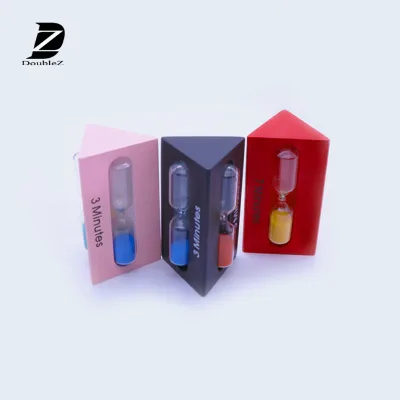
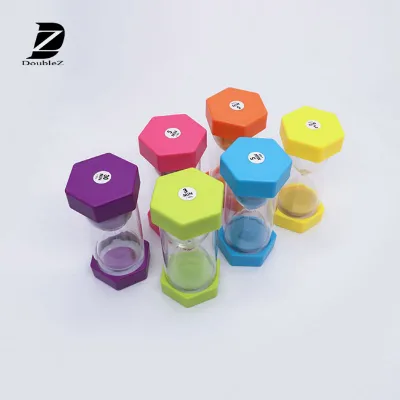
Compare 30 listings for Handmade Fruit Sand Timer options including wood, glass, and acrylic materials. Buyers can review sizes, running times, and customization features for promotional activities and souvenirs.
Key considerations
Products List

$1.00 - $2.00
MOQ: 100
$1.00 - $1.35
MOQ: 100 pieces
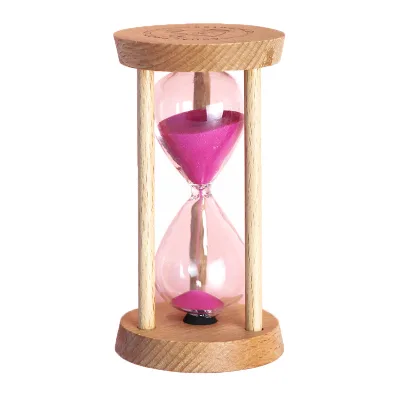



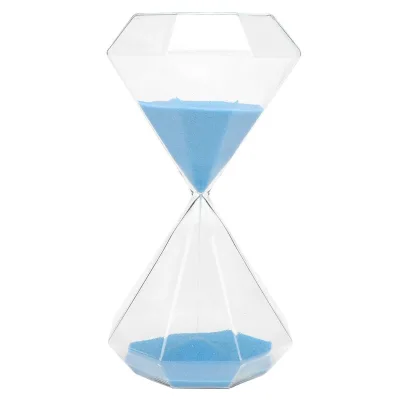
Decorative Sandglass Timer for Games, Kitchen, Decor, Desktop Sand Clock
$0.99 - $2.99
MOQ: 100 Pieces






Comprehensive Sourcing Guide
Handmade Fruit Sand Timer Sourcing Guide
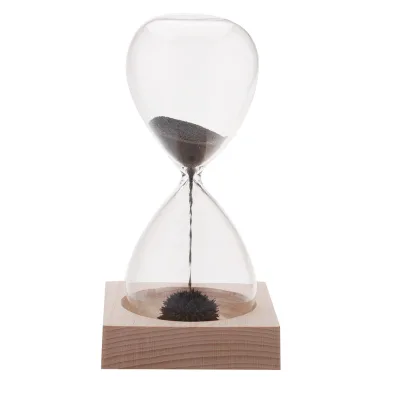
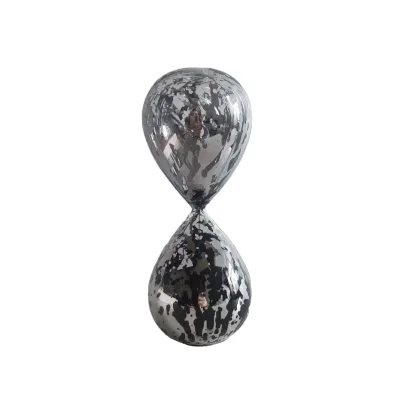
Sourcing handmade fruit sand timers requires a nuanced understanding of the intersection between decorative novelty items and functional timekeeping devices. While the term "fruit" suggests a specific aesthetic or shape, the underlying product category is broadly defined as creative sand clocks or hourglasses. Buyers must distinguish between mass-produced plastic replicas and artisanal pieces that emphasize natural materials and unique designs. The market offers a wide spectrum of options, ranging from simple wooden and glass constructions to more complex acrylic and mixed-material variants. Understanding these distinctions is critical for aligning procurement with brand identity, whether the goal is educational tools, promotional giveaways, or high-end home decor.
The procurement landscape for these items is characterized by significant variability in manufacturing techniques and material compositions. Suppliers often list products with attributes such as "handmade," "wooden," or "plastic," which directly impact durability, cost, and perceived value. For instance, wooden hourglasses may offer a classic, earthy appeal suitable for rustic or educational themes, while plastic hexagon or circular timers might be preferred for durability in high-traffic environments like schools or offices. Buyers should carefully evaluate the supplier’s capability to deliver the specific aesthetic and functional requirements of their order, ensuring that the "handmade" claim corresponds to genuine craftsmanship rather than merely a marketing label for machine-assembled goods.
Product Scope and Observed Listing Signals
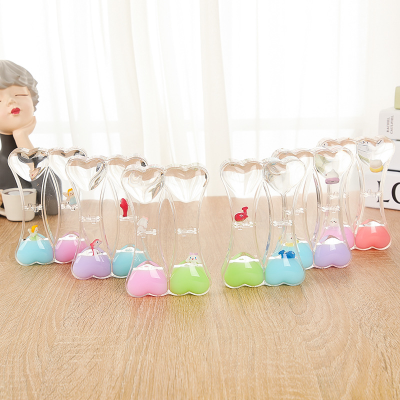
The observed product listings reveal a diverse range of sand timer configurations, indicating that the "fruit" descriptor likely refers to a specific design style rather than a strict material composition. Listings highlight various shapes, including circular, hexagon, and potentially organic forms that might mimic fruit silhouettes. Materials cited include wood, glass, acrylic, and plastic, often combined with colored sand. The presence of attributes like "Buddhism" style or "Flower" pattern suggests that the product scope extends beyond literal fruit representations to include broader artistic and thematic interpretations. Buyers should interpret "Handmade Fruit Sand Timer" as a request for unique, possibly organic-shaped timers that may utilize natural materials or earthy color palettes.
Listing signals also indicate a strong emphasis on customization and branding opportunities. Attributes such as "OEM" brand name, "Silk screen printing," and "Customized Logo" are prevalent, signaling that these items are frequently used for promotional activities, corporate gifts, and souvenir markets. The observed price range of $0.07 to $9.99 USD reflects this variability, with lower prices likely corresponding to simple plastic or small wooden units and higher prices associated with larger, more intricate, or premium material constructions. The minimum order quantities (MOQ) observed, ranging from 72 to 3000 pieces, further suggest that suppliers cater to both small boutique orders and large-scale corporate procurement needs.
Technical Specifications to Verify
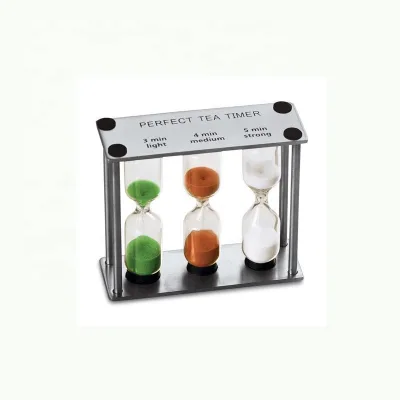
When verifying technical specifications, buyers must prioritize the accuracy of the running time, which is a critical functional attribute for any sand timer. Listings indicate running times of 5, 10, and 15 minutes, with options for customization. It is essential to confirm that the sand flow is consistent and that the timer does not clog or run significantly faster or slower than advertised. Additionally, the physical dimensions and weight should be verified, as observed single package sizes vary from 9x5x5 cm to 10x10x10 cm, and weights range from 0.5 kg to 1.000 kg. These specifications directly impact shipping costs and the suitability of the product for specific applications, such as desk use or travel.
Material integrity and construction quality are equally important technical factors. Buyers should request samples to assess the durability of the frame, whether it is wood, glass, acrylic, or plastic, and the quality of the seal between the glass bulbs. For "handmade" items, inspecting the finish for rough edges, uneven sand distribution, or weak adhesive bonds is crucial. The observed attributes mention "Durable" features and "Handmade" techniques, but these claims must be validated through physical inspection. Furthermore, the presence of printing or logos should be checked for clarity and resistance to fading or peeling, especially if the product is intended for long-term use or frequent handling.
Compliance and Safety Documentation
Compliance and safety documentation are paramount, particularly if the sand timers are intended for use in educational settings or by children. Buyers must verify that the sand used is non-toxic and safe, as some traditional sands may contain harmful particulates. Although specific certification standards are not explicitly listed in the observed data, buyers should insist on documentation confirming that the materials comply with relevant safety regulations, such as those for toy safety or general consumer product safety in the target market. This includes verifying that the glass or plastic components are free from hazardous substances like lead or phthalates.
Additionally, packaging compliance should be reviewed to ensure that the product meets international shipping and environmental standards. The observed packing methods include bubble bags and inner boxes, which provide protection but must be evaluated for their environmental impact and recyclability. Buyers should inquire about the supplier’s ability to provide Material Safety Data Sheets (MSDS) for the sand and any adhesives or coatings used in the construction. Ensuring that the supplier adheres to these documentation requirements mitigates legal risks and enhances the product’s marketability in regions with strict consumer protection laws.
Cost Drivers and Commercial Terms
Cost drivers for handmade fruit sand timers are primarily influenced by material selection, manufacturing complexity, and order volume. The use of natural materials like wood or glass typically incurs higher costs compared to plastic alternatives, especially when combined with intricate "handmade" processes. Customization options, such as unique shapes, specific running times, or custom logo printing, add to the production cost. The observed MOQ range of 72 to 3000 pieces suggests that economies of scale play a significant role in pricing, with larger orders likely benefiting from lower per-unit costs. Buyers should negotiate based on their specific volume requirements and customization needs to achieve optimal pricing.
Commercial terms, including production time and payment conditions, are also key factors in the procurement process. The observed production time of 7-10 days indicates a relatively quick turnaround, but this may vary depending on the complexity of the order and the supplier’s current workload. Buyers should clarify lead times for both sample production and bulk orders to ensure alignment with their launch or event schedules. Payment terms should be negotiated to balance risk, with common practices including a deposit upon order confirmation and the balance paid before shipment. Understanding these commercial terms helps in planning cash flow and managing supplier relationships effectively.
Supplier Qualification and Quality Control
Supplier qualification involves assessing the manufacturer’s capability to deliver consistent quality and adhere to ethical sourcing practices. Buyers should verify the supplier’s location, with many listings indicating origins in Fujian, China, a region known for its manufacturing expertise in glass and wooden products. Evaluating the supplier’s production facilities, including their quality control processes and testing capabilities, is essential. Buyers should request evidence of their quality management systems and inquire about their procedures for handling defects or inconsistencies in handmade items.
Quality control measures should be implemented throughout the production process, from raw material inspection to final packaging. Buyers should consider hiring third-party inspection services to conduct pre-shipment inspections, ensuring that the products meet the agreed-upon specifications and quality standards. This is particularly important for handmade items, where variations in craftsmanship are more common. Establishing clear quality benchmarks and communication channels with the supplier helps in maintaining product consistency and addressing any issues promptly, thereby protecting the buyer’s brand reputation.
Long-Term Procurement Checks
Long-term procurement checks focus on building a sustainable and reliable supply chain for handmade fruit sand timers. Buyers should regularly review supplier performance metrics, including on-time delivery rates, product quality consistency, and responsiveness to issues. Establishing a long-term partnership with a qualified supplier can lead to better pricing, priority production slots, and improved collaboration on new product developments. Continuous feedback loops between the buyer and supplier help in refining product designs and processes, ensuring that the offerings remain competitive and aligned with market trends.
Additionally, buyers should stay informed about changes in regulations, material availability, and market demands that may impact the procurement of sand timers. Regular audits of the supplier’s compliance with safety and environmental standards are necessary to mitigate risks and ensure ongoing adherence to legal requirements. By proactively managing these long-term factors, buyers can secure a stable supply of high-quality handmade fruit sand timers, supporting their business objectives and customer satisfaction over time.
FAQs
What materials are used for handmade sand timers?
Materials include wood, glass, acrylic, and sand. Some products also feature plastic construction. The specific material depends on the selected model and customization request.
Can I customize the running time of the timer?
Yes, running times are available in 5, 10, or 15 minutes. Customized durations can also be arranged upon request. This allows flexibility for various timing needs.
What is the minimum order quantity for these timers?
The minimum order quantity ranges from 100 to 500 pieces depending on the specific product. Some stock items may require 72 units while custom orders often start at 3000.
How long does production take for custom orders?
Production time is typically 7 to 10 days. This duration applies to custom-made items with specific logos or designs. Stock goods may ship faster.
Are these timers suitable for promotional activities?
Yes, they are ideal for back to school events, graduations, and business giveaways. They also serve well for family reunions and alumni relations as souvenir items.
What printing options are available for the logo?
Silk screen printing is the standard technique for adding logos. Customized logos can be applied to the product surface. This allows for personalized branding on each unit.
Where are these sand timers manufactured?
The products originate from Fujian, China. This location is a known hub for manufacturing glass and wooden hourglasses. All listed items are sourced from this region.