Source Handmade Flower Shape Wine Glass for parties, weddings, and events
Explore 30 listings for the Handmade Flower Shape Wine Glass, comparing features like capacity, material, and customization options from verified Chinese suppliers.
Key considerations
Products List
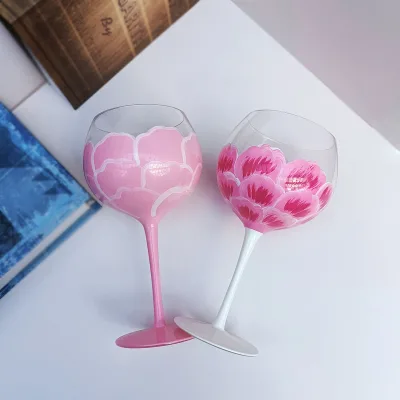
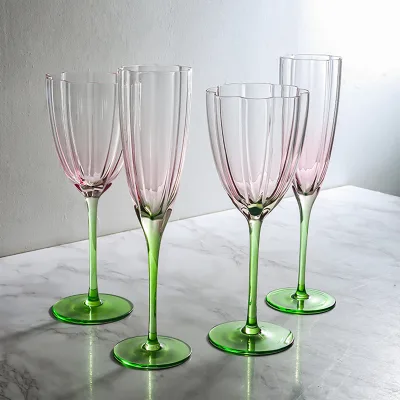


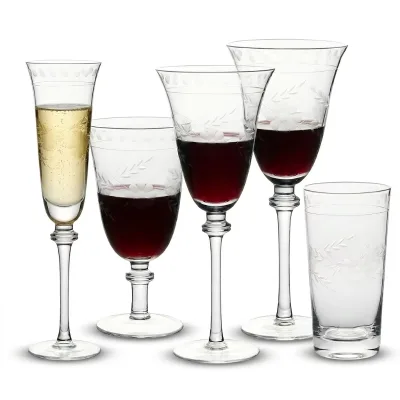
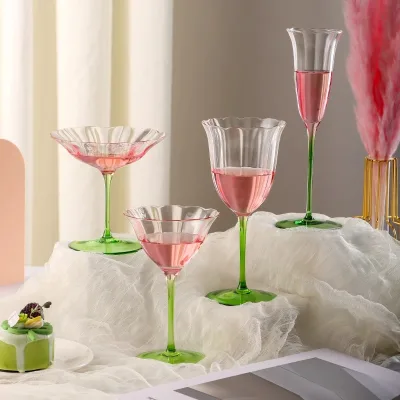


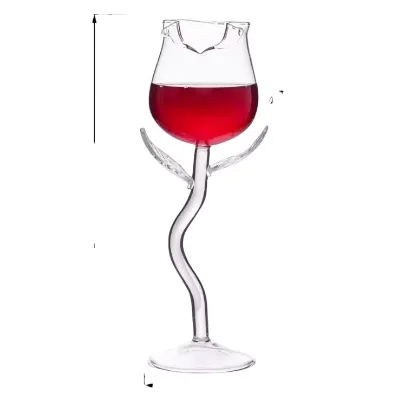
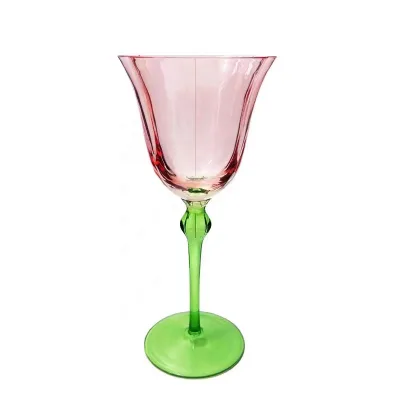
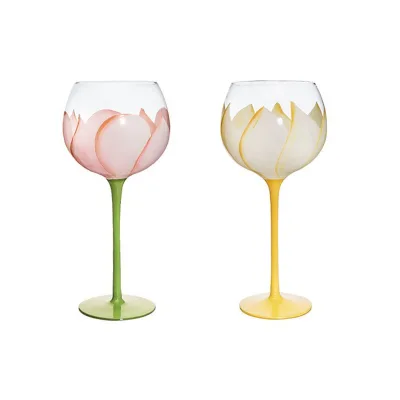
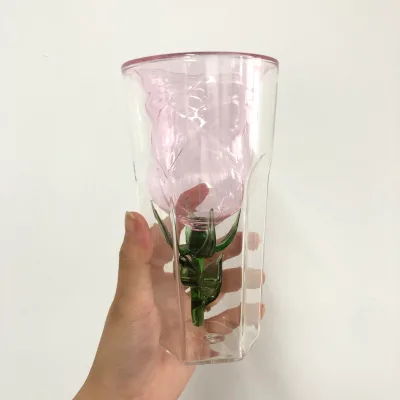
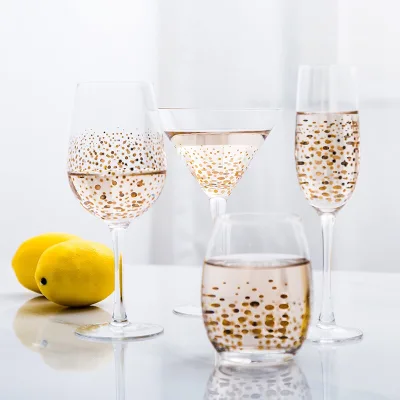
Wholesale High Quality Wholesale Cheap Champagne Glass Handmade Clear Wine Glass
$1.10 - $1.18
MOQ: 2000 pieces
Comprehensive Sourcing Guide
Strategic Sourcing Guide for Handmade Flower Shape Wine Glasses
Understanding Product Specifications and Design Variations
When sourcing handmade flower shape wine glasses, buyers must first navigate the diverse technical specifications that define this niche category. The core product attributes observed in the current market indicate a strong emphasis on aesthetic detail and functional capacity. The primary design characteristic is the "flower" style, which often manifests as intricate molding or hand-painted elements that distinguish these items from standard stemware. The production process is explicitly noted as "handmade," a critical differentiator that implies unique variations in every unit, as opposed to the uniformity of mass-produced machine-made glass.
Capacity ranges vary significantly across available listings, suggesting that buyers should not assume a single standard volume. Observed data points to capacities ranging from 201-400ml to as high as 700ml. This variance allows for specialized use cases, such as smaller tasting glasses versus larger serving vessels. The shape is predominantly described as "round," yet the "flower" motif introduces organic curves that may deviate from perfect geometric circles. The material is consistently identified as glass, with specific mentions of "clear glass" and "multi-color" options. Some listings also reference "crystal glass," which typically implies a higher lead content or specific silica composition for enhanced clarity and resonance, though this requires verification against the specific supplier's material data sheet.
The stem design is another crucial specification. The market data highlights "long" stems as a common feature, which serves both an aesthetic purpose of elegance and a functional purpose of keeping the hand away from the bowl to prevent warming the wine. Additionally, the "craft" attribute of being handmade suggests that the thickness of the glass and the precision of the flower detailing may vary slightly from piece to piece. Buyers should expect these natural variations as a hallmark of the handmade process rather than defects. The "single wall" construction is noted in some specifications, which is standard for wine glasses to ensure proper temperature retention and visual clarity, distinguishing them from insulated double-walled drinkware.
Compliance, Certification, and Material Safety
For B2B procurement involving food and beverage contact items, verifying compliance with international safety standards is non-negotiable. The supplied product data explicitly lists several critical certifications that buyers should prioritize when evaluating potential suppliers. These include LFGB (German Food and Feed Code), ROHS (Restriction of Hazardous Substances), and REACH (Registration, Evaluation, Authorization, and Restriction of Chemicals). The presence of these certifications indicates that the glassware has undergone testing for heavy metals, lead, and cadmium leaching, which are common concerns with colored or decorated glass.
Buyers must understand that while some listings mention these certifications, the scope of coverage can vary. For instance, a supplier may hold an LFGB certificate for a specific batch but not for the entire production line. Therefore, procurement teams should request valid, up-to-date test reports from the third-party laboratory that issued the certification. The "glass type" being "multi-color" or "colored" increases the risk of chemical leaching if the pigments are not food-grade. The "screen printing" technique mentioned in the technical data also requires scrutiny; the inks used for any printed logos or decorative elements must be non-toxic and durable enough to withstand repeated washing cycles without degrading.
Furthermore, the "production" origin plays a role in regulatory compliance. Products originating from regions like Shanxi or Guangdong, China, are subject to different local manufacturing standards. While the export market often demands adherence to Western standards, the internal quality control processes of the factory must align with these external requirements. Buyers should verify that the "OEM" (Original Equipment Manufacturer) branding or "customized logo" options do not compromise the integrity of the food-contact surface. Any customization, such as adding a specific brand logo, must be applied using methods that do not introduce hazardous substances into the glass matrix or the surface coating.
Cost Drivers and Pricing Dynamics
The pricing structure for handmade flower shape wine glasses is influenced by several interconnected factors, primarily driven by the labor intensity of the production process. The "handmade" attribute is the most significant cost driver. Unlike automated molding, hand-crafting each flower detail requires skilled artisans, which increases the unit cost and extends the production timeline. The observed price range in the market spans from 0.39 to 4.87 USD, a wide variance that reflects differences in complexity, glass thickness, and the extent of the hand-finishing.
Material quality is another critical determinant of cost. Clear glass is generally less expensive than crystal glass or multi-colored variants. The "multi-color" and "flower red wine glass" descriptions suggest the use of additional dyes or enamel work, which adds to the material and processing costs. The "capacity" also affects the price; a 700ml glass requires more raw material than a 200ml glass, and the structural integrity required for larger volumes may necessitate thicker glass walls, further increasing costs.
Minimum Order Quantity (MOQ) requirements significantly impact the unit economics. The observed MOQ range is between 20 and 10,000 units. For smaller orders, such as the 20-piece minimum seen in some listings, the per-unit cost is typically higher due to the fixed costs of setup and the inefficiency of small-batch production. Conversely, larger orders allow for better economies of scale, potentially lowering the unit price. However, the "handmade" nature of the product means that scaling up production to 10,000 units may require a significant increase in artisan labor hours, which could cap the potential for drastic price reductions compared to machine-made items.
Packaging and logistics also contribute to the final landed cost. The standard "carton" packing mentioned in the data is essential for protecting fragile glass items. However, for handmade items with delicate flower details, specialized packaging may be required to prevent chipping or breakage during transit. This adds to the overall cost. Additionally, the "sample" availability is a factor; while samples are often available, the cost of producing a single handmade unit for sampling purposes can be disproportionately high compared to the bulk production price.
Typical Applications and Market Segmentation
The versatility of handmade flower shape wine glasses makes them suitable for a wide array of applications, ranging from commercial hospitality to specialized retail events. The "occasion" attributes listed, such as "party," "wedding," and "general use," indicate that these products are designed for both high-volume events and intimate gatherings. The "cute" and "modern" design styles appeal to a demographic that values aesthetics and uniqueness, making them ideal for boutique hotels, upscale restaurants, and event planners looking to create a memorable table setting.
In the commercial sector, the "wine," "red wine," and "champagne" usage specifications suggest that these glasses are intended for serving specific types of beverages. The "long stem" and "round shape" are particularly well-suited for red wines, allowing the drinker to swirl the wine without warming it with their hand. The "flower" motif adds a decorative element that can enhance the dining experience, making these glasses a popular choice for themed events, bridal showers, and anniversary celebrations.
For retail and e-commerce, the "eco-friendly" and "sustainable" features are significant selling points. Modern consumers are increasingly conscious of the environmental impact of their purchases. Handmade glassware often carries a perception of sustainability due to the use of natural materials and the avoidance of excessive plastic packaging. The "single item" selling unit suggests that these products are also marketed for individual sale, allowing retailers to offer them as premium gifts or standalone items in home decor sections.
The "main sale areas" identified as North America, South America, Asia, Africa, and Oceania indicate a global demand for these products. However, cultural preferences may vary; for example, markets in Europe may prioritize strict compliance with LFGB standards, while markets in Asia might place a higher value on the "flower" aesthetic and "modern" design. Buyers should tailor their product selection to match the specific aesthetic and regulatory expectations of their target regions.
Supplier Evaluation and Quality Control Protocols
Evaluating suppliers for handmade glassware requires a rigorous approach that goes beyond standard manufacturing checks. The "handmade" nature of the product means that quality control must focus on consistency and the preservation of the artisanal details. Buyers should verify the supplier's production capacity to ensure they can meet the required volume without compromising the quality of the hand-finishing. The "production" location, such as Shanxi or Guangdong, China, should be assessed for the availability of skilled labor and the stability of the supply chain.
Quality control protocols should include a detailed inspection of the "flower" details. Since these are handmade, buyers should establish clear acceptance criteria for the symmetry, depth, and finish of the floral patterns. A "screen printing" technique used for logos or decorations must be inspected for smudging, misalignment, or fading. The "glass type" should be checked for clarity, bubbles, or inclusions that could affect the visual appeal or structural integrity. For "multi-color" glasses, the color consistency across the batch is crucial; buyers should request a color sample from the actual production run to ensure it matches the agreed-upon standard.
The "customization" aspect, including "customized logo" and "customized accepted" services, requires a separate quality check. Buyers must ensure that the customization process does not introduce defects or alter the food safety properties of the glass. The "packing" method should be tested for its ability to protect the fragile items during shipping. A "carton" packing system that includes internal dividers or cushioning is essential to prevent breakage.
Suppliers should also demonstrate a commitment to "eco-friendly" practices. This can be verified by asking about their waste management processes, energy consumption, and the sourcing of raw materials. The "sustainable" claim should be backed by tangible evidence, such as the use of recycled glass or energy-efficient kilns. Finally, the "sample" process should be utilized effectively; buyers should order samples from different production batches to assess the consistency of the handmade quality before committing to a large order.
Long-Term Procurement and Relationship Management
Establishing a long-term procurement strategy for handmade flower shape wine glasses involves more than just securing a one-time supply. It requires building a relationship with a supplier who understands the nuances of handmade production and can adapt to changing market demands. The "MOQ" flexibility is a key factor; suppliers who can accommodate smaller orders for testing or seasonal fluctuations provide greater value to buyers. The "sample" availability should be part of a continuous quality assurance process, allowing buyers to monitor changes in production quality over time.
Sustainability and ethical sourcing are becoming increasingly important in long-term procurement. Buyers should prioritize suppliers who adhere to "eco-friendly" and "sustainable" practices, as these align with the growing consumer demand for responsible products. The "brand name" or "OEM" status of the supplier should be evaluated based on their ability to protect intellectual property and maintain brand integrity. The "production" lead times, while not explicitly stated in the data, should be discussed and agreed upon to ensure timely delivery, especially for time-sensitive events like weddings or parties.
Finally, the "design style" and "occasions" should be monitored for trends. The "modern" and "cute" styles observed in the current market may evolve, and buyers should work with suppliers who can innovate and introduce new designs. The "capacity" and "glass type" should also be reviewed periodically to ensure they meet the evolving needs of the market. By maintaining a proactive approach to supplier evaluation and quality control, buyers can ensure a steady supply of high-quality, handmade flower shape wine glasses that meet their specific requirements and market expectations.
FAQs
What certifications do handmade flower shape wine glasses have?
These glasses often carry LFGB, ROHS, and REACH certifications to ensure safety. Buyers should verify that test reports cover the specific batch and customization methods used for logos or decorations.
How is the capacity of these glasses defined?
Capacity varies significantly, with observed ranges from 201-400ml up to 700ml. The specific volume depends on the model number and design, such as the 700ml flower red wine glass versus smaller variants.
Can I request a customized logo on these glasses?
Yes, customized logos are accepted and available for these products. The customization typically uses screen printing, which requires verification to ensure the inks are non-toxic and durable for repeated washing.
Which materials are used to make these wine glasses?
The primary material is glass, available in clear, multi-color, or crystal varieties. Some listings specify single-wall construction, while others may feature colored glass types for decorative flower motifs.
What is the minimum order quantity for these items?
The minimum order quantity ranges from 20 pieces to 10,000 units depending on the supplier. Smaller orders like 20 pieces often have higher per-unit costs due to the handmade production process.
Where are these handmade flower shape wine glasses produced?
Production origins include Shanxi and Guangdong in China. Buyers should assess these locations for skilled labor availability and supply chain stability when evaluating potential suppliers for large orders.