Source Handmade Flower Crochet Earrings for Fashion, Gifts, and Events
Compare 30 listings for Handmade Flower Crochet Earrings from Chinese manufacturers offering various sizes, colors, and materials. Buyers can evaluate specifications like alloy or stainless steel construction, packaging options, and customization availability to find suitable wholesale suppliers.
Key considerations
Products List
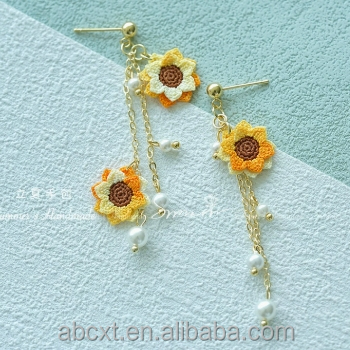
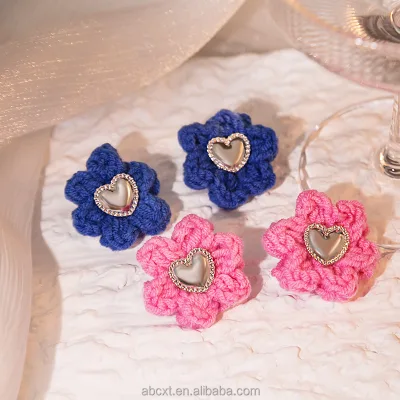
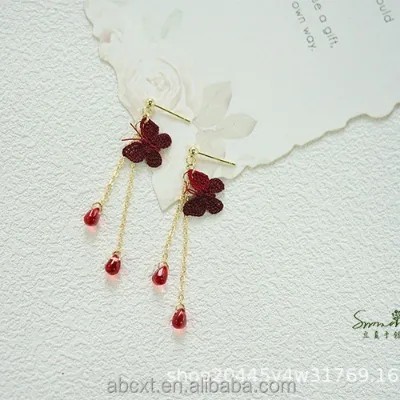
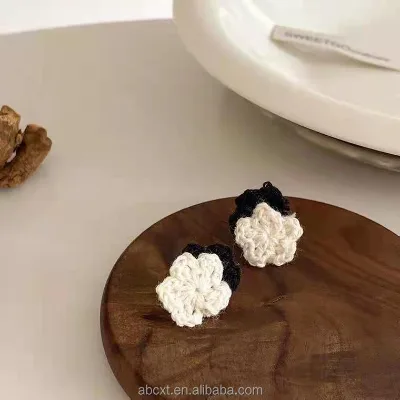
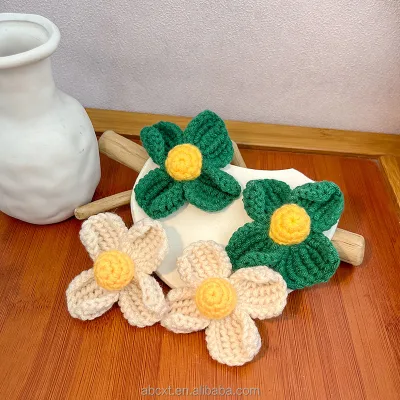
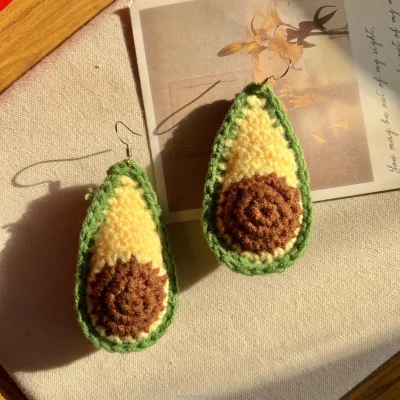

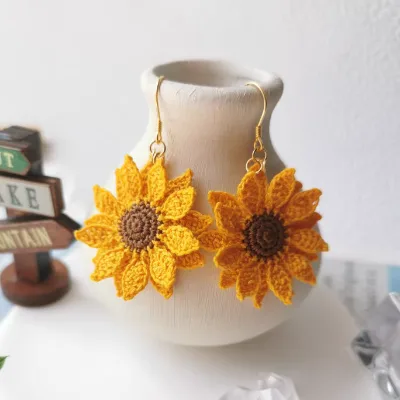
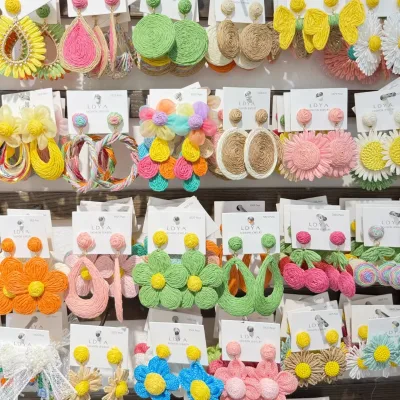
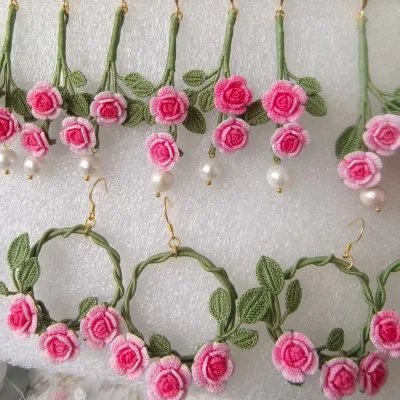
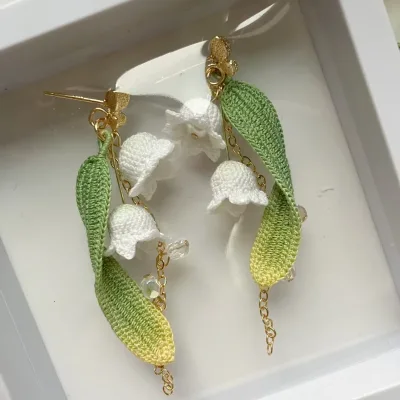


Bohemian Style Trend Flower Raffia Hand-Woven Earrings for Fashion Jewelry Accessory
$1.14 - $1.49
MOQ: 100 Pairs


Creative Colorful Flower Pendant Earrings Crystal Love Women Gold Earrings
$1.39 - $1.59
MOQ: 12 Pieces


Rhinestone Earring. Bridal Wedding Porcelain Flower Earring. Handmade Earring
$5.50 - $5.95
MOQ: 50 Pieces
Comprehensive Sourcing Guide
Strategic Sourcing Guide for Handmade Flower Crochet Earrings
Understanding Product Specifications and Variability
When sourcing Handmade Flower Crochet Earrings, buyers must first navigate the inherent variability in product specifications. Unlike mass-produced industrial components, handmade items often exhibit distinct variations in dimensions, materials, and design execution. The provided data indicates a wide spectrum of physical attributes that define this product category. For instance, size specifications range significantly, with some entries noting dimensions of 1053cm, while others specify a compact 5cm size or a "One Size" designation. Furthermore, standard measurements listed in the context include 55cm, 810cm, 1020cm, and 1012cm. This disparity suggests that "Handmade Flower Crochet Earrings" is not a single SKU but a category encompassing various styles, from small, delicate studs to larger, statement pieces.
Material composition is another critical specification to verify. The available data points to the use of Alloy and Stainless Steel as primary materials, likely serving as the structural base or findings for the crochet elements. The "Flower" shape is explicitly identified as a dominant design attribute, aligning with the core keyword. However, buyers should also be aware of alternative shapes like "Heart" and "Earrings" listed as a generic type, which may indicate different product lines or packaging variations. Color options are equally diverse, ranging from specific named shades such as Rose Madder, Army Green, Beige, Black, Blue, and Brown, to numerical color codes like 1, 2, 3, 4, 5, 6, 7, and broader ranges up to 30. This extensive color palette implies a high degree of customization potential, but it also requires rigorous communication to ensure the final product matches the intended aesthetic.
Compliance, Certification, and Safety Standards
In the B2B procurement of jewelry, particularly items intended for direct skin contact, compliance and safety are paramount. The supplied context mentions that the products originate from China and are described as "100% Brand New" and "Handmade." While these are positive attributes, they do not substitute for formal compliance documentation. Buyers must verify that the materials used, specifically the Alloy and Stainless Steel components, meet international safety standards for heavy metals and nickel content. The data lists a standard of "55cm" and "810cm," but these appear to be dimensional standards rather than safety certifications.
Buyers should not assume that "Handmade" or "Customized" status exempts the product from regulatory requirements. Instead, the procurement strategy must include a request for specific test reports regarding material safety. For jewelry, this often involves verifying compliance with regulations such as the EU's REACH regulation or the US Consumer Product Safety Commission (CPSC) guidelines. The context notes that OEM/ODM/Custom services are "Warmly Welcome," which suggests the supplier is capable of adapting to specific compliance needs. However, the buyer must explicitly define the required certifications in the initial inquiry. Without explicit mention of certifications in the source data, the buyer must treat the compliance status as a variable to be confirmed rather than a guaranteed feature. The "Universal" suitability mentioned in the attributes suggests the product is designed for general use, but this does not confirm compliance with specific regional safety standards.
Cost Drivers and Pricing Dynamics
The pricing structure for Handmade Flower Crochet Earrings is influenced by several distinct factors, primarily driven by the labor intensity of the "Handmade" designation and the complexity of the design. The observed price range in the data spans from 0.5 to 12 USD. This wide variance indicates that price is not a linear function of size alone but is heavily dependent on material quality, design intricacy, and order volume. The lower end of the spectrum likely corresponds to simpler designs with basic materials, while the higher end may reflect premium alloys, intricate crochet work, or specialized packaging.
Material costs play a significant role, with the distinction between "Alloy" and "Stainless Steel" being a key price differentiator. Stainless steel generally commands a higher price due to its durability and hypoallergenic properties compared to standard alloys. Additionally, the "Customized" and "Customization: Available" attributes suggest that bespoke orders will incur a premium. The "Factory: Yes" attribute confirms a direct manufacturing source, which can help mitigate costs by removing intermediary markups, but the "Handmade" nature implies that economies of scale are less pronounced than in fully automated production.
Packaging also impacts the final cost. The data lists various packaging methods, including "Carton," "OPP Bag + Bubble Bag + Carton," and "Carton with Dust Bag." More elaborate packaging, such as the inclusion of a dust bag, adds to the unit cost but may be essential for premium branding. Buyers should analyze the trade-off between packaging costs and the perceived value of the product. The "MOQ: 1PCS" attribute indicates high flexibility for small orders, but this flexibility often comes with a higher per-unit price. Conversely, larger orders may negotiate better rates, though the specific price breaks are not detailed in the source data.
Typical Applications and Target Demographics
Understanding the intended application and target demographic is crucial for aligning product selection with market demand. The data explicitly identifies the target audience as "Female" and "Middle Aged" or "Youth," suggesting a broad appeal across different age groups. The "Style" attributes of "Natural" and "Simple" indicate that these earrings are designed for versatile wear, suitable for both casual and semi-formal occasions. The "Usage" field lists "Decoration," "Health," and "Gift," which provides insight into the product's positioning.
The "Decoration" usage confirms the primary function as an accessory, while the "Gift" usage highlights the product's suitability for promotional items or personal gifting. The inclusion of "Health" in the usage category is unusual for standard jewelry and warrants verification. It may refer to the hypoallergenic nature of the materials or a specific marketing angle, but without further context, buyers should treat this claim with caution and verify the material properties to ensure they support such a statement. The "Universal" suitability suggests the earrings are designed to be worn by a wide range of customers, regardless of specific style preferences, making them a safe choice for general inventory.
Supplier Evaluation and Verification
Evaluating suppliers for handmade goods requires a focus on their capacity for customization and consistency. The data confirms that the supplier is a "Factory" and offers "OEM/ODM/Custom" services, which is a strong indicator of manufacturing capability. However, the presence of multiple product models (e.g., KC506124, 25082132, 25081822) suggests a diverse catalog, and buyers must ensure the supplier can maintain quality consistency across these different SKUs.
When evaluating a supplier, buyers should verify the "Handmade" claim by requesting video evidence of the production process or detailed photos of the crafting stage. The "Customized" and "Customization: Available" attributes imply that the supplier can accommodate specific design requests, but the buyer must assess the lead time and minimum order quantity (MOQ) implications. The observed MOQ range of 1 to 500 units offers significant flexibility, allowing buyers to test the market with small orders before committing to larger volumes. The "One Size" specification simplifies sizing logistics but requires clear communication regarding fit and comfort.
Quality Control and Inspection Protocols
Given the handmade nature of the product, quality control (QC) is a critical phase in the procurement process. The variability in dimensions, such as the range from 5cm to 20-40cm, necessitates strict adherence to size specifications. Buyers should establish clear tolerance limits for dimensions, color matching, and material finish. The "100% Brand New" and "Condition" attributes are standard claims but should be verified through physical inspection upon receipt.
Inspection protocols should focus on the integrity of the crochet work, the security of the findings (Alloy or Stainless Steel), and the quality of the packaging. The "Dust Bag" and "Bubble Bag" packaging options suggest that the supplier is aware of the need for protection during transit, but the buyer must verify that the packaging is sufficient to prevent damage. For items with specific color codes (e.g., 1, 2, 3...), a color standard should be agreed upon prior to production to avoid discrepancies. The "Shape" attributes, such as "Flower" and "Heart," should be checked for symmetry and detail, as these are key visual elements of the product.
Long-Term Procurement Considerations
For long-term success, buyers must consider the scalability and sustainability of the supply chain. The "Factory: Yes" attribute suggests a stable production base, but the "Handmade" nature may limit the speed of scaling up production. Buyers should discuss capacity planning with the supplier to ensure they can meet demand spikes without compromising quality. The "Customization" capabilities offer a strategic advantage for brand differentiation, allowing buyers to create unique product lines that stand out in the market.
Sustainability is another consideration, particularly regarding the materials used. While the data mentions "Alloy" and "Stainless Steel," buyers should inquire about the sourcing of these materials and any recycling practices. The "Natural" style attribute may appeal to eco-conscious consumers, but this claim must be substantiated by the actual material properties and manufacturing processes. Finally, the "Universal" suitability and broad age range suggest a stable market demand, but buyers should remain agile and adapt to changing fashion trends by leveraging the supplier's customization capabilities. Regular communication and quality audits will be essential to maintain a successful long-term partnership.
FAQs
What materials are used for Handmade Flower Crochet Earrings?
These earrings are constructed using Alloy or Stainless Steel materials. Buyers should verify specific material grades to ensure hypoallergenic properties and durability for long-term wear.
Can I customize the color and design of these earrings?
Customization is available with options for various colors and shapes like flowers or hearts. Suppliers welcome OEM and ODM requests, allowing buyers to specify unique design requirements.
What is the minimum order quantity for these earrings?
The minimum order quantity can be as low as one piece for testing purposes. Larger orders up to 500 pieces are supported, with pricing varying based on volume and customization.
How are these earrings packaged for shipment?
Packaging options include cartons, OPP bags with bubble wrap, or cartons with dust bags. The specific packaging method depends on the order size and the buyer's branding needs.
Which sizes are available for Handmade Flower Crochet Earrings?
Available sizes range from compact 5cm dimensions to larger 10 by 5 by 3cm variants. Some items are listed as one size, while others have specific standard measurements like 8 by 10cm.
Are these earrings suitable for middle-aged and youth demographics?
Yes, the products are designed for both middle-aged and youth female customers. The natural and simple styles make them versatile for various age groups and occasions.
What is the origin location of these handmade earrings?
These products originate from China, where direct factory manufacturing takes place. Buyers can expect competitive pricing due to the direct factory source and local production capabilities.