Source Handmade Sea Turtle Resin Keychain for Promotion Gifts, Holiday, and Business Gift
Compare 30 listings for the Handmade Sea Turtle Resin Keychain from suppliers in Fujian. Buyers can review customization options, material types like zinc alloy and polyresin, and MOQs ranging from 1 to 5000 pieces for various uses.
Key considerations
Products List


Custom Hand Painted Nautical Souvenir Bird Keychain Resin Seagull Keychain
$0.38 - $0.40
MOQ: 1440 Pieces






Comprehensive Sourcing Guide
Strategic Sourcing Guide for Handmade Sea Turtle Resin Keychains
The global market for promotional merchandise and personalized souvenirs continues to expand, with a distinct niche emerging around nature-inspired, artisanal items. Among these, the Handmade Sea Turtle Resin Keychain represents a convergence of aesthetic appeal, environmental symbolism, and functional utility. For B2B procurement professionals, sourcing this specific item requires a nuanced understanding of material properties, manufacturing processes, and supply chain variables. This guide synthesizes available product attributes and industry standards to provide a comprehensive framework for evaluating potential suppliers and defining procurement specifications. The focus remains on evidence-based decision-making, ensuring that buyers can navigate the complexities of custom manufacturing without relying on unverified claims or speculative data.
Defining Product Specifications and Material Composition
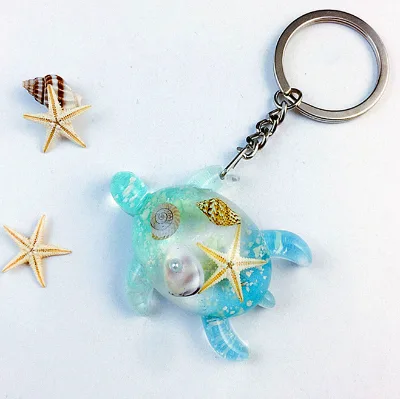
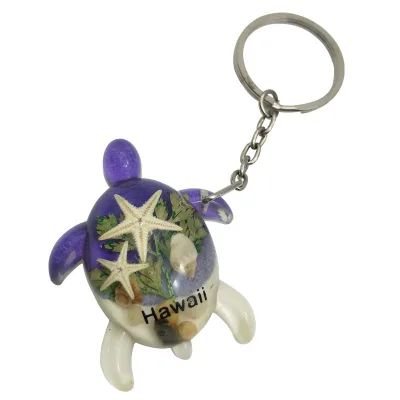
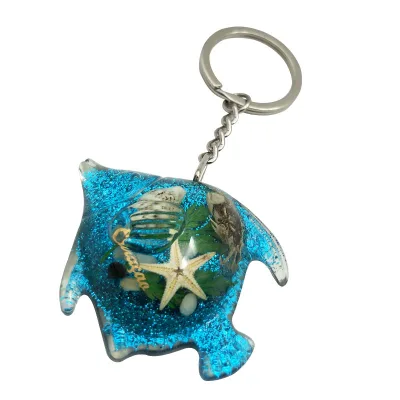
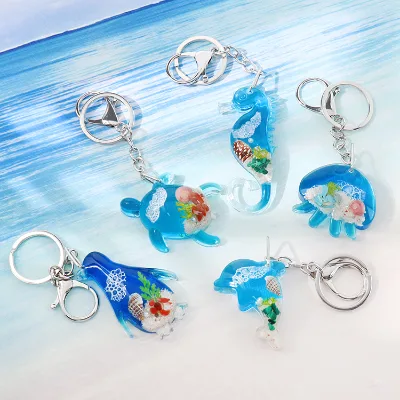
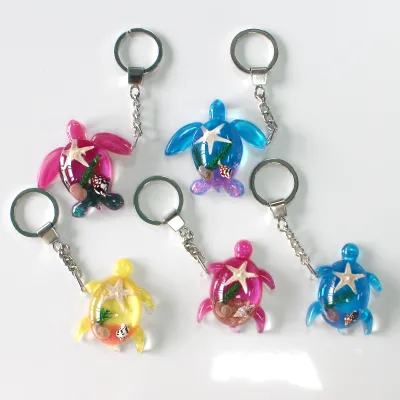
The foundation of any successful procurement strategy lies in the precise definition of product specifications. When sourcing a Handmade Sea Turtle Resin Keychain, the buyer must distinguish between mass-produced metal alternatives and the specific characteristics of resin-based models. Based on observed market data, the core material for this category is often identified as polyresin or similar composite resins, which allow for high-fidelity molding of organic shapes. The "handmade" designation implies a level of human intervention in the finishing process, distinguishing it from purely automated injection molding.
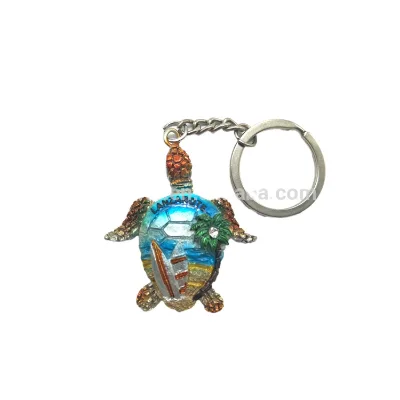
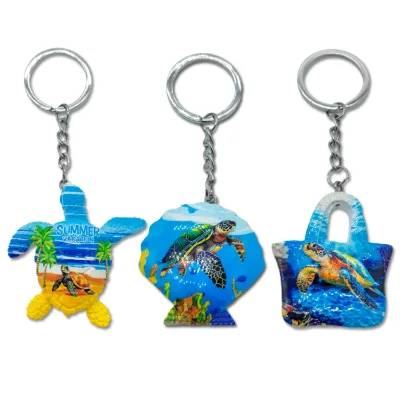
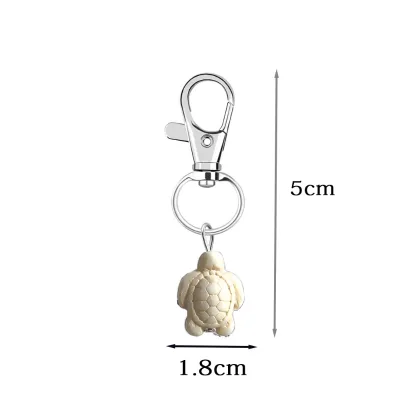
Key technical attributes observed in this category include specific dimensions and surface treatments. While some keychains in the broader market adhere to standard sizes like 6.5*3.5cm, the "custom size" standard is frequently available, allowing buyers to tailor dimensions to specific branding needs. The shape is typically categorized under "Animals," with the sea turtle being a primary motif. The surface treatment is a critical differentiator; observed data indicates processes such as "Hand-Painted," "Machine Printing," or "Offset Printing." For a truly handmade product, the "Hand-Painted" attribute is the most relevant, suggesting that color application is done manually to achieve unique gradients or details that machines cannot replicate.
Furthermore, the structural integrity of the keychain depends on the attachment mechanism. While some products utilize simple metal rings, others may incorporate magnets or specific epoxy layers to enhance durability. The "Wood+Epoxy+Magnet" process observed in similar nature-themed items suggests that composite construction is a viable option for buyers seeking a rustic aesthetic. However, for a resin-specific keychain, the focus should remain on the resin's curing quality and the bond strength of the metal loop. Buyers must verify that the resin used is non-toxic and durable enough to withstand daily handling, as the "Eco-Friendly" attribute is often a selling point that requires material verification.
Manufacturing Processes and Customization Capabilities
The manufacturing workflow for handmade sea turtle keychains is a multi-stage process that significantly impacts lead times and cost structures. The "Hand-Made" process attribute indicates that the creation involves manual steps, likely including mold preparation, resin pouring, demolding, and extensive finishing. This contrasts with the "Engraved" or "Electroplating" processes seen in metal keychains, which are more industrial. The "Hand-Painted" or "Hand-Painted/Machine Printing" processes highlight the dual nature of production: the base shape may be cast in molds, but the artistic detailing is applied by hand.
Customization is a central pillar of this product category. The "Customized" and "Custom" attributes confirm that suppliers are equipped to modify designs. This includes the ability to add logos, which is a standard requirement for corporate procurement. The "Can Add Your Logo" feature suggests that the customization is not limited to the shape but extends to branding elements. However, the complexity of adding a logo to a curved, organic surface like a sea turtle requires careful consideration of the printing method. "Offset Printing" or "Printing" processes may be used for flat areas, while hand-painting might be necessary for intricate details.
Buyers should also note the "Sample Time" of 7-10 days, which is a critical metric for project planning. This timeframe reflects the labor-intensive nature of handmade production. Unlike mass-produced items that can be shipped immediately, handmade goods require a dedicated sampling phase to ensure the "High Quality" standard is met. The "One Stop-Souvenir Supplier" service model observed in the market suggests that some vendors can handle the entire lifecycle from design to packaging, reducing the logistical burden on the buyer. However, the "Custom size" standard implies that every order may require a unique mold or adjustment, necessitating clear communication of specifications before production begins.
Cost Drivers and Minimum Order Quantity Analysis
Understanding the cost structure of handmade sea turtle keychains is essential for budgeting and negotiating. The price range observed in the market spans from $0.10 to $3.66, a wide variance that reflects differences in material quality, complexity of the handmade process, and order volume. The lower end of the spectrum likely corresponds to simpler, machine-printed designs with standard sizes, while the higher end reflects intricate hand-painting, custom shapes, and premium packaging.
Minimum Order Quantity (MOQ) is another significant cost driver. The data shows a broad MOQ range from 1 to 5000 units, with specific products citing MOQs of 720PCS or 1440PCS. The "Hand-Made" nature of the product often results in higher MOQs compared to mass-produced items, as suppliers need to ensure that the labor hours are economically viable. For buyers with smaller requirements, the ability to order as few as 1 unit is a valuable flexibility, though the per-unit cost will be significantly higher. Conversely, larger orders may benefit from economies of scale, but the lead time will extend due to the manual nature of the work.
Packaging also influences the final cost. Observed packing standards include "1PCS/OPP Bag," "12PCS/Box," and "288PCS/Carton." The choice of packaging depends on the intended use; for example, "Promotion Gifts" may require individual OPP bags for retail readiness, while "Business Gifts" might necessitate more premium box packaging. The "Eco-Friendly" attribute may also drive costs if biodegradable or recycled packaging materials are requested. Buyers must factor these packaging costs into their total landed cost calculations, as they can represent a substantial portion of the unit price for low-volume orders.
Compliance, Certification, and Quality Verification
In the B2B sector, compliance and quality assurance are non-negotiable, especially for products intended for international distribution or use by children. While the provided data does not list specific certification numbers, the "Eco-Friendly" and "High Quality" attributes imply a need for verification. Buyers should request documentation regarding the materials used, specifically ensuring that the resin and paints comply with relevant safety standards such as REACH, RoHS, or CPSIA, depending on the target market. The "Natural Crystal" attribute observed in similar keychain categories highlights the importance of verifying material claims, as "resin" is a broad term that can encompass various synthetic compounds.
Quality control (QC) is paramount for handmade items due to the inherent variability in manual processes. The "Hand-Painted" process, while offering unique aesthetics, introduces the risk of inconsistency in color application or finish. Buyers should establish clear QC protocols that define acceptable tolerances for paint smudges, color variations, and structural integrity. The "Sample Time" of 7-10 days should be utilized not just for design approval but for rigorous testing of the prototype. This includes drop tests to ensure the keychain does not break, as well as durability tests for the metal loop and attachment points.
Furthermore, the "Custom" attribute suggests that each order is unique, making batch-to-batch consistency a challenge. Buyers must ensure that the supplier has a robust QC system in place to maintain standards across the entire production run. This may involve third-party inspection services or a detailed inspection checklist that covers every unit before shipment. The "One Stop-Souvenir Supplier" model may offer integrated QC services, but the buyer must explicitly define the inspection criteria to avoid disputes over quality.
Supplier Evaluation and Procurement Strategy
Selecting the right supplier is a critical step in the procurement process. The "One Stop-Souvenir Supplier" attribute indicates that some vendors offer comprehensive services, which can streamline the sourcing process. However, buyers should not rely solely on this claim. Instead, they should evaluate suppliers based on their specific capabilities regarding the "Hand-Made" and "Hand-Painted" processes. A supplier with a proven track record in resin casting and hand-finishing is essential to ensure the product meets the desired aesthetic and quality standards.
Location is another factor to consider. The "Fujian" and "Quanzhou, Fujian" origins observed in the data suggest a concentration of manufacturing capabilities in this region. This proximity to raw material sources and established supply chains can offer logistical advantages, but buyers should also consider the potential for supply chain disruptions. Verifying the supplier's production capacity and their ability to meet the "Sample Time" and lead times is crucial. A supplier that claims to be a "One Stop" solution but lacks the capacity to handle the specific "Hand-Painted" requirements may lead to delays or quality issues.
Buyers should also assess the supplier's flexibility regarding customization. The "Custom size" and "Custom" attributes indicate that suppliers are willing to adapt, but the extent of this flexibility varies. A robust supplier will have a dedicated design team to assist with logo placement and shape modifications, ensuring that the final product aligns with the buyer's brand identity. Additionally, the supplier's ability to provide detailed product photos and samples is a strong indicator of transparency and reliability.
Applications and Long-Term Procurement Considerations
The versatility of handmade sea turtle resin keychains makes them suitable for a wide range of applications. The "Usage" attributes observed include "Promotion Gifts," "Holiday," "Business Gift," "Art & Collection," and "Home Decoration." This diversity allows buyers to target multiple market segments with a single product line. For corporate clients, the "Business Gift" and "Promotion Gifts" uses are primary, where the keychain serves as a branded item to enhance company visibility. The "Eco-Friendly" and "Nature" themes resonate well with sustainability-focused campaigns, making these keychains ideal for environmental organizations or eco-conscious brands.
Long-term procurement considerations involve building a sustainable relationship with suppliers. The "Customized" nature of the product means that the buyer and supplier will likely engage in ongoing collaboration to refine designs and improve quality over time. Establishing a clear communication channel and a shared understanding of quality standards is essential for this long-term partnership. Buyers should also consider the scalability of the supplier's operations. As demand grows, the supplier must be able to increase production without compromising the "Hand-Made" quality or extending lead times excessively.
Finally, buyers should monitor market trends and consumer preferences. The "Retro" and "Antique" styles observed in the market suggest that aesthetic trends are cyclical. Staying informed about these trends can help buyers adjust their product specifications to remain competitive. The "High Quality" attribute should be a constant benchmark, ensuring that the product remains a valuable asset for the buyer's brand. By focusing on these strategic elements, buyers can secure a reliable supply of handmade sea turtle resin keychains that meet their specific needs and contribute to their long-term business goals.
Comparative Analysis of Key Product Attributes
To facilitate a clearer understanding of the variations within the Handmade Sea Turtle Resin Keychain category, the following table summarizes the key attributes observed in the market data. This comparison highlights the differences in materials, processes, and specifications that buyers should consider when evaluating potential suppliers.
| Attribute Category | Observed Variations | Procurement Implication |
|---|---|---|
| Material | Polyresin, Natural Crystal, Zinc Alloy | Verify material safety and durability; resin is standard for handmade. |
| Process | Hand-Made, Hand-Painted, Machine Printing, Offset Printing | Hand-painted offers uniqueness but higher cost; machine printing is faster. |
| Customization | Custom Size, Custom Logo, Custom Shape | Essential for branding; requires clear specs and sample approval. |
| MOQ | 1 to 5000 units (e.g., 720, 1440) | Higher MOQs for handmade items; negotiate based on volume. |
| Packaging | 1PC/OPP Bag, 12PCS/Box, 288PCS/Carton | Choose based on end-use (retail vs. bulk gift). |
| Origin | Fujian, Quanzhou, Fujian | Regional concentration may offer logistical advantages. |
| Lead Time | Sample: 7-10 days | Plan production schedules around manual processing times. |
This table serves as a reference point for buyers to align their requirements with supplier capabilities. By carefully evaluating these attributes, buyers can make informed decisions that balance cost, quality, and customization needs. The Handmade Sea Turtle Resin Keychain remains a versatile and valuable product for B2B procurement, provided that the sourcing strategy is grounded in detailed specifications and rigorous quality control.
FAQs
What is the sample time for handmade sea turtle resin keychains?
The sample time is typically 7 to 10 days for these custom items. This duration accounts for the hand-painted finishing and manual processing required to ensure high quality before shipping.
Can I add my logo to the Handmade Sea Turtle Resin Keychain?
Yes, you can add your logo to the keychain as customization is available. The logo application may use hand-painting or machine printing depending on the specific design and surface area of the product.
What is the minimum order quantity for custom sea turtle keychains?
The minimum order quantity varies, with observed values ranging from 1 to 5000 pieces depending on the supplier. Specific models may require higher MOQs like 720 or 1440 pieces to justify the handmade labor costs.
Which material is used for the Handmade Sea Turtle Resin Keychain?
The product is primarily made from polyresin or similar composite resins to allow for detailed organic shapes. Some variations may also incorporate natural crystal or zinc alloy components for specific design features.
How are the handmade sea turtle resin keychains packaged for shipment?
Packaging options include 1 piece per OPP bag, 12 pieces per box, or 288 pieces per carton. The specific packing method depends on whether the item is intended for promotion gifts or business gifts.
What surface treatment processes are used for these keychains?
Surface treatments include hand-painting, machine printing, and electroplating depending on the material type. Hand-painting is common for the handmade resin models to achieve unique gradients and details.
Where are the handmade sea turtle resin keychains manufactured?
These products originate from Fujian province, specifically Quanzhou, which is a known manufacturing hub. This location supports the supply chain for resin casting and hand-finishing processes.
What is the price range for handmade sea turtle resin keychains?
The observed price range in the market is between 0.10 and 3.66 USD per unit. The final cost depends on factors like customization complexity, order volume, and specific packaging requirements.