Source Handmade Seagrass Macrame Plant Hanger for Home, Office, Garden
Explore 30 listings of Handmade Seagrass Macrame Plant Hanger designed for home, office, and garden decor. Buyers can compare customization options, material details, and pricing to find the ideal wall decoration for their space.
Key considerations
Products List


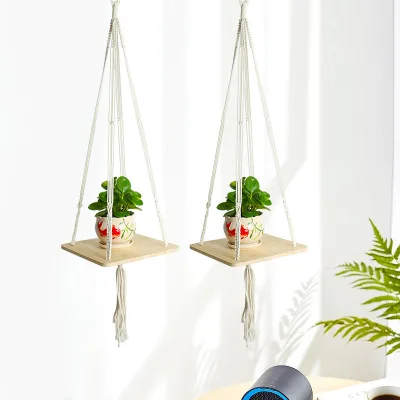
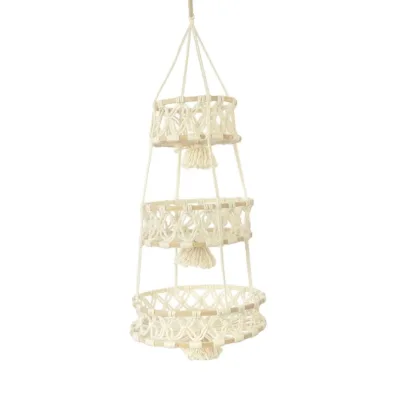
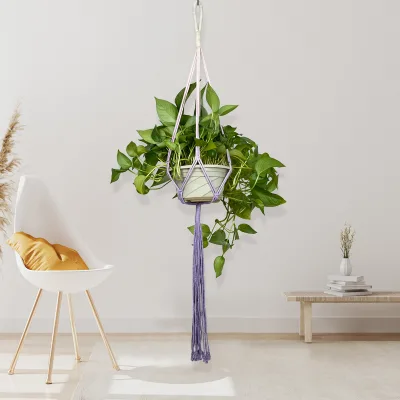
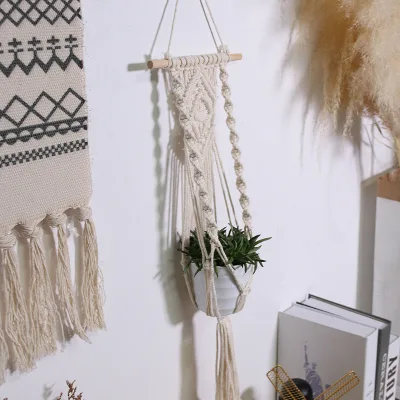
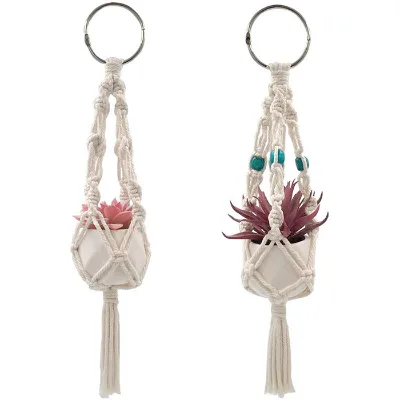
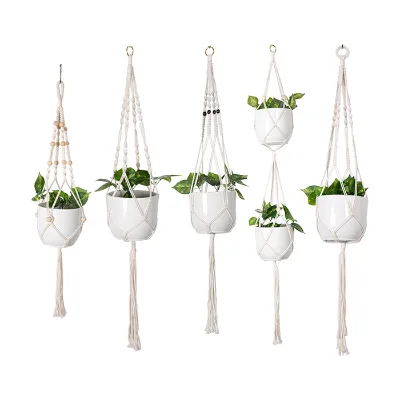
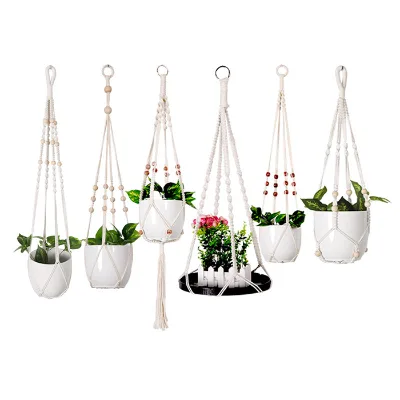
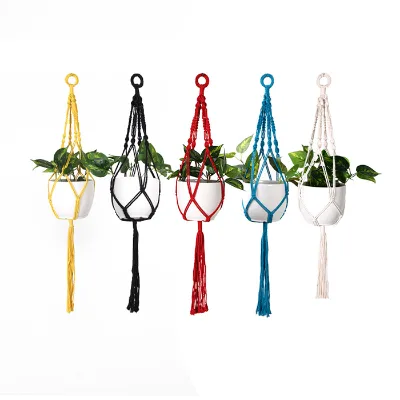
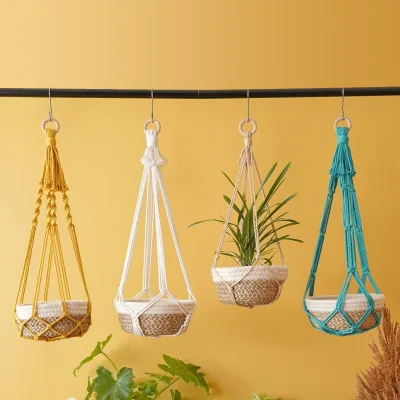
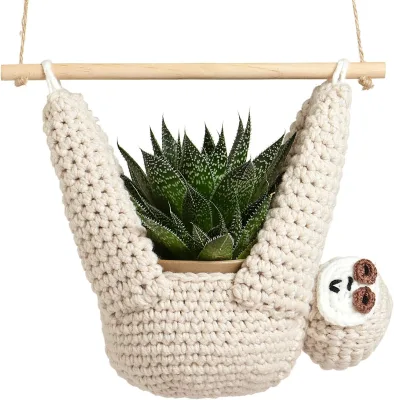
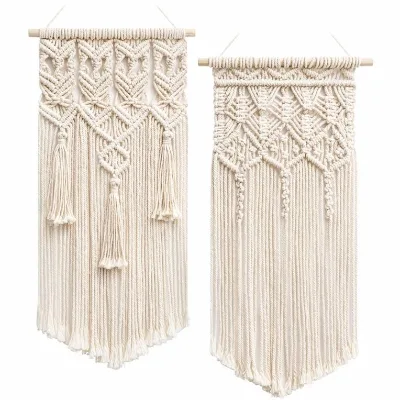
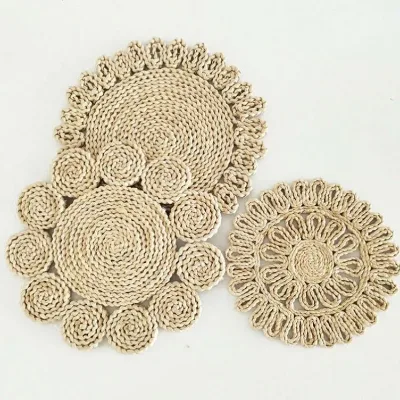
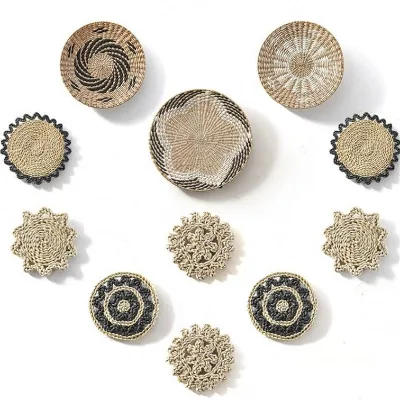
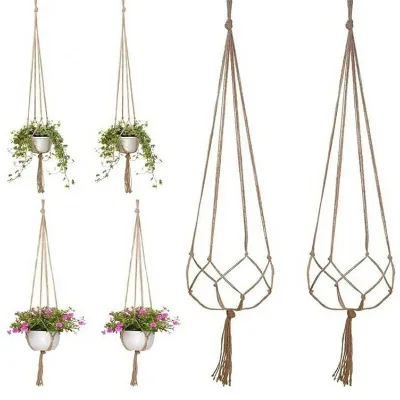
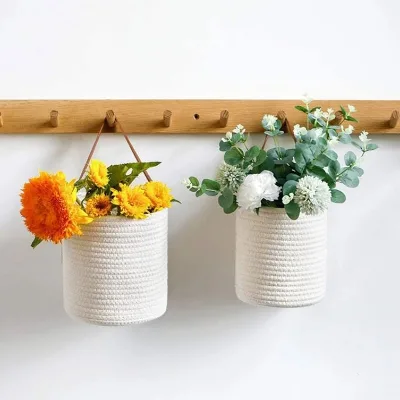
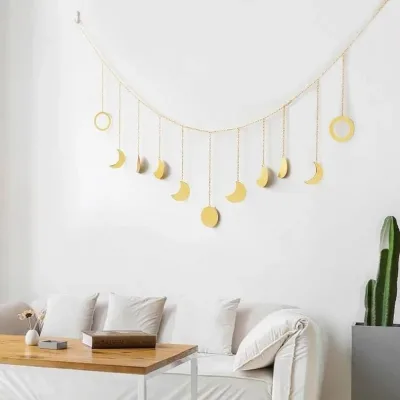
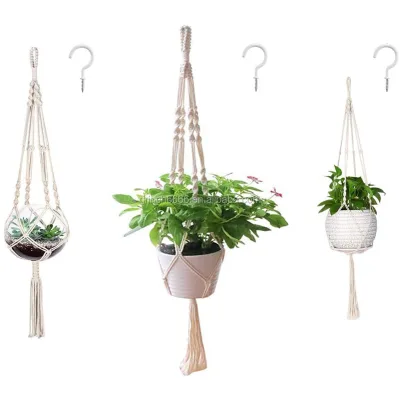


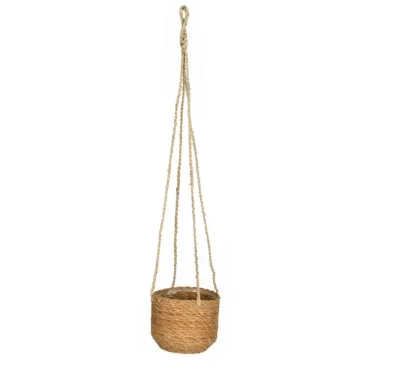
Plant Hanger Indoor Outdoor Hanging Planters Set Flower Pots Holder Stand
$0.70 - $1.20
MOQ: 500 Pieces
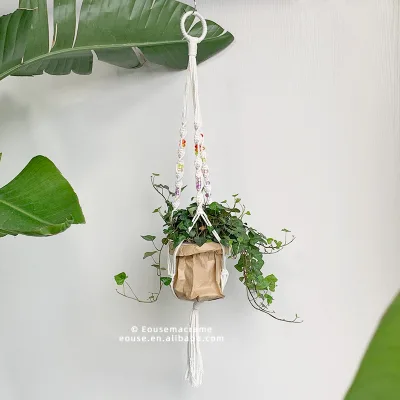
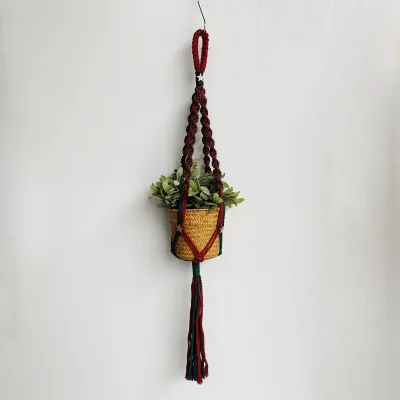
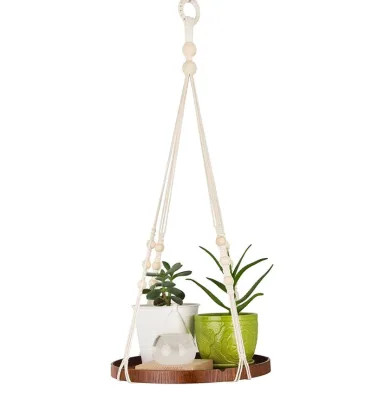
Comprehensive Sourcing Guide
Strategic Sourcing Guide for Handmade Seagrass Macrame Plant Hangers
Understanding Product Attributes and Material Composition
When sourcing handmade seagrass macrame plant hangers, buyers must first distinguish between the core keyword and the specific product data available in the current market. While the search term emphasizes seagrass, the verified product attributes for this category indicate a primary material composition of cotton rope. Specifically, the data confirms the fabric type as 100% cotton and the material listed as cotton rope. This distinction is critical for procurement specifications, as seagrass and cotton possess different tensile strengths, water resistance profiles, and aesthetic textures. Buyers should verify the actual fiber content of any supplier's sample, as the "handmade" designation often implies natural fibers, but the specific type must be confirmed to match the intended interior design style.
The production method is consistently observed as "Pure Handmade" and "100% Handmade." This attribute suggests that the manufacturing process relies on manual knotting techniques rather than automated machinery, which directly influences the unit price and lead time. The customization availability is a key feature, with product specifications indicating that size, color, and pattern can be customized. This flexibility allows buyers to tailor the product to specific interior themes, such as "Boho Chic," "Contemporary," or "Traditional." The design style is further supported by the observation that the product serves as a wall decoration and is applicable for flowers and plants in home gardening scenarios. The weight of the finished product is noted around 200g for standard units, though bulk packaging weights can vary significantly, with some single gross weights recorded at 8.000 kg for larger shipping units.
Technical Specifications and Customization Parameters
Technical specifications for macrame plant hangers are defined by a range of measurable attributes that impact both functionality and logistics. The size of the hangers is a primary variable, with observed standards ranging from 100cm to 140cm, and specific models listing dimensions such as 100-105cm. The rope thickness is another critical technical parameter, with observed specifications of 3mm and 4mm. These dimensions determine the load-bearing capacity and the visual density of the macrame knots. Buyers must ensure that the selected thickness aligns with the weight of the pots and plants they intend to hang.
Customization is a central feature of this product category. The "Size/Color/Pattern" specification explicitly states that these elements can be customized. This includes the ability to order specific model numbers such as DR-Z1420, 25-WS100, 24-WS107, DR-2530, DR-SG021Z, and ASM-B126. The availability of OEM services is confirmed, with suppliers accepting "Yes" or "Accepted" for OEM requests. This allows buyers to apply their own branding or specific design requirements. The color options are flexible, with "Custom color" listed as a standard attribute, though "White" is also observed as a common stock color. The packaging specifications vary, ranging from OPP bags to zipper bags and plastic bags, often combined with cartons for bulk shipping. The single package size for larger units can reach 60x48x47 cm, which is a vital data point for freight cost calculations and warehouse planning.
Cost Drivers and Minimum Order Quantity Analysis
The pricing structure for handmade macrame plant hangers is influenced by several factors, including material costs, labor intensity, and order volume. The observed price range in the market is between 0.36 USD and 9.37 USD per unit. This wide variance reflects differences in size, complexity of the knotting pattern, and the specific customization level requested. The "Pure Handmade" nature of the product is a significant cost driver, as it requires skilled labor and time-intensive production methods compared to machine-made alternatives.
Minimum Order Quantity (MOQ) requirements vary significantly among suppliers, presenting a challenge for buyers with different scale needs. The observed MOQ range spans from 1 unit to 2000 units. Specific product listings indicate MOQs of 2 pieces, 100 pieces, or potentially higher depending on the customization depth. For buyers testing the market, the lower MOQ options (e.g., 2PCS or 100PCS) allow for initial sampling and small-batch testing. However, for large-scale procurement, the ability to order up to 2000 units is available. Buyers should note that while the "Sample" attribute is marked as available, the specific cost and lead time for samples must be negotiated directly with the supplier. The "Selling Units" are typically listed as single items, but bulk transactions often involve carton packaging.
Compliance, Certification, and Safety Verification
In the realm of home decor and textile products, compliance and safety are paramount, particularly when the products are intended for indoor environments where children or pets may be present. While the supplied product facts do not explicitly confirm specific certification statuses for every listed item, the background context mentions OEKO-TEX as a relevant standard to consider. Buyers should not assume that all products in this category are OEKO-TEX certified without verification. Instead, the procurement strategy must include a specific request for certification documentation.
The "100% Cotton" material claim should be supported by test reports to ensure there are no harmful residues from dyes or processing chemicals. Since the product is handmade, the risk of loose fibers or sharp knots is higher than in machine-made goods, making quality control essential for safety. Buyers should verify that the supplier adheres to relevant safety standards for home decor items in their target market. The origin of the products is confirmed as China, specifically with some origins noted in Zhejiang, China. This geographic information is useful for understanding the supply chain dynamics but does not inherently dictate compliance levels. Buyers must explicitly request proof of compliance with local regulations regarding textile safety and flammability before placing large orders.
Supplier Evaluation and Quality Control Protocols
Evaluating suppliers for handmade macrame products requires a focus on craftsmanship consistency and production capacity. The "100% Handmade" attribute implies that quality control is a manual process, making the skill level of the artisans a critical factor. Buyers should request photos of the actual production process or finished goods to assess the uniformity of the knots and the neatness of the finishing. The "Photo" attribute confirms that suppliers can provide images, which should be used to verify the "Boho Chic" or "Contemporary" design styles against the buyer's requirements.
Quality control protocols should include a pre-shipment inspection that checks for structural integrity, particularly the strength of the knots and the attachment points for the plant pot. The "Weight" attribute of 200g per unit serves as a baseline for checking consistency; significant deviations may indicate material substitution or production errors. The packaging method, whether OPP bag, zipper bag, or plastic bag, must be evaluated to ensure it protects the product during transit without causing damage to the delicate macrame knots. The "Single gross weight" of 8.000 kg for larger packages indicates that palletization and stacking strength are important considerations for logistics. Buyers should also verify the supplier's ability to handle "Custom Designs" and ensure that the design team can translate concepts into viable production models without compromising the handmade integrity of the product.
Typical Applications and Market Positioning
The macrame plant hanger is a versatile product with applications extending beyond simple plant support. The "Application Scene" is listed as "Home Gardening," and the "Usage" is defined as "Home Decor." This positions the product as a key element in interior design trends that emphasize natural materials and organic shapes. The "Theme" of "Boho Chic" is particularly strong, but the "Design Style" also includes "Contemporary" and "Traditional," allowing for broad market appeal. The "Application" as "Wall Decoration" highlights its dual function as both a functional item and an aesthetic statement piece.
The "Occasion" attribute lists "congratulations," suggesting that these items can also be marketed as gifts or decorative elements for special events. The "Applicable" list includes "Flowers/Plants," confirming its primary utility. However, the customization options allow for adaptation to other uses, such as holding small baskets or decorative items. The "Brand" Dr and "Brand name" aisimi indicate that some suppliers offer branded options, which can be valuable for retailers looking to build a specific brand identity. The "Design" being "Custom" and "OEM" accepted means that buyers can create exclusive products for their specific market niche, differentiating themselves from competitors selling generic stock items.
Long-Term Procurement and Supply Chain Considerations
Sourcing handmade macrame plant hangers requires a long-term view of the supply chain, considering the potential for variability in handmade production. The "Production Method" of "Pure Handmade" means that lead times may fluctuate based on artisan availability and order complexity. Buyers should establish clear communication channels with suppliers to manage expectations regarding production schedules. The "Place of Origin" in Zhejiang, China, is a major manufacturing hub, which generally offers competitive pricing and efficient logistics, but buyers should still verify the specific factory capabilities and capacity.
The "Standard" of 100cm or 100cm-140cm provides a baseline for product consistency, but the "Custom Size" option introduces variability. Buyers should maintain a detailed specification sheet for each order to ensure that the custom dimensions are met accurately. The "Packing" variations, from OPP bags to cartons, should be standardized for future orders to streamline logistics and reduce packaging costs. The "Sample" availability is a crucial step in the procurement process, allowing buyers to validate the quality and design before committing to larger volumes. By focusing on these long-term considerations, buyers can build a resilient supply chain that delivers high-quality, handmade macrame plant hangers consistently.
FAQs
What material is used for handmade macrame plant hangers?
The primary material is 100% cotton rope, not seagrass. Buyers must verify the fiber content as the product data specifies cotton fabric type and rope material for these handmade items.
Can I customize the size and color of the hangers?
Yes, size, color, and pattern can be customized to your requirements. Suppliers accept custom designs and offer OEM services, allowing you to specify dimensions like 100cm or 140cm.
What is the minimum order quantity for these hangers?
Minimum order quantities range from 2 pieces to 2000 units depending on the supplier. Some listings require 100 pieces, while others allow small trials with just 2 pieces.
How are these handmade plant hangers packaged for shipping?
Products are typically packed in OPP bags, zipper bags, or plastic bags inside cartons. Single package sizes can reach 60x48x47 cm for larger shipping units.
Where are these macrame hangers manufactured?
The products originate from China, with specific origins noted in Zhejiang. This location is a major manufacturing hub for these home decor items.
Are samples available for testing before bulk orders?
Samples are available for buyers to verify quality and design before committing to large volumes. You should negotiate the specific cost and lead time for these samples directly.