Source Hard Child Sunglasses Case for travel, school, and outdoor play
Compare 30 Hard Child Sunglasses Case options from verified suppliers. Buyers can evaluate materials like ABS and PU, customization features, and pricing for durable eyewear protection suitable for kids; compare the available evidence and request quotations based on your requirements.
Updated
Key considerations
Products List
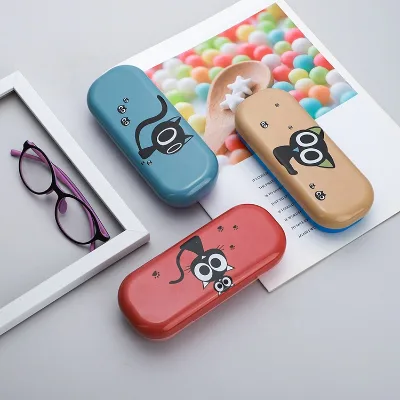
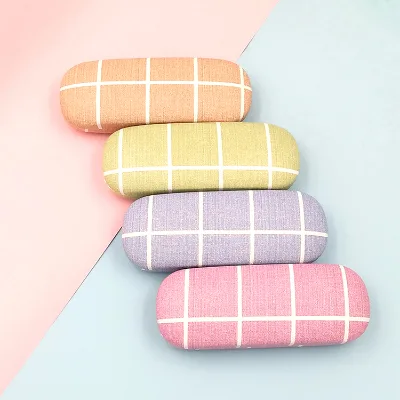
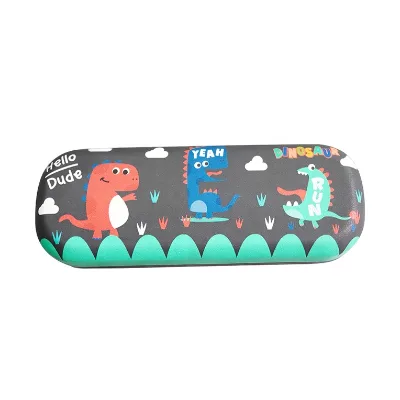
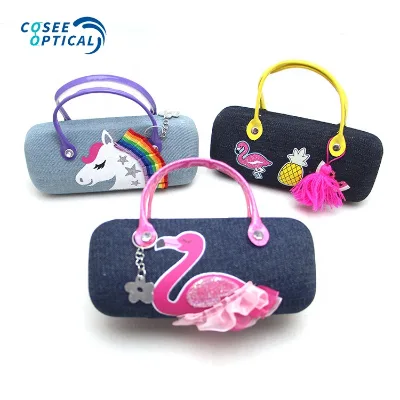
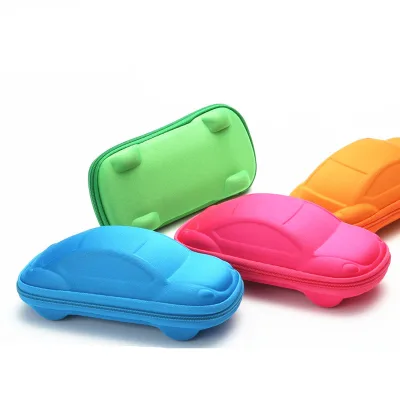
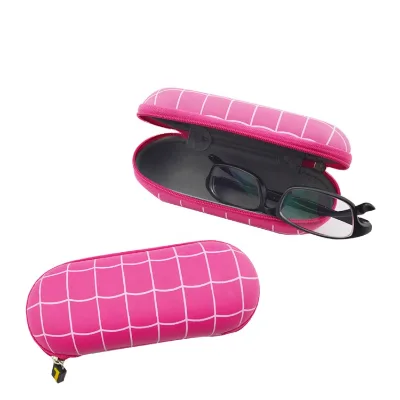
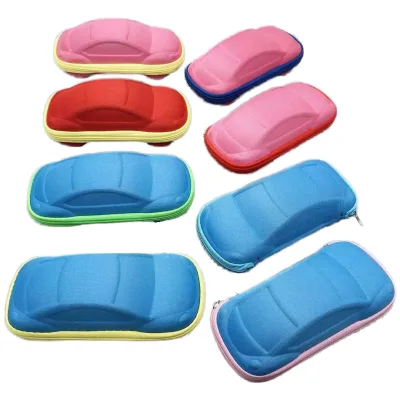
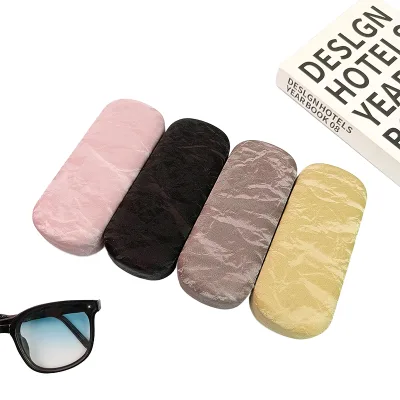
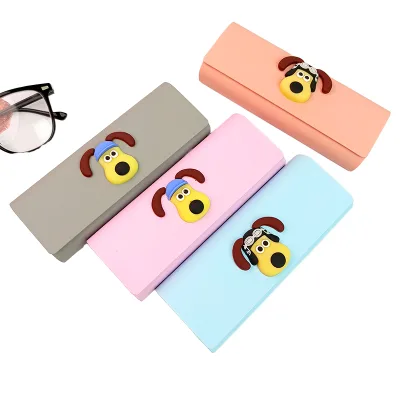
Sunglasses Colourful Frames Eyeglasses case Hard Spectacle case Kids Cases
$0.40 - $0.58
MOQ: 200 pieces
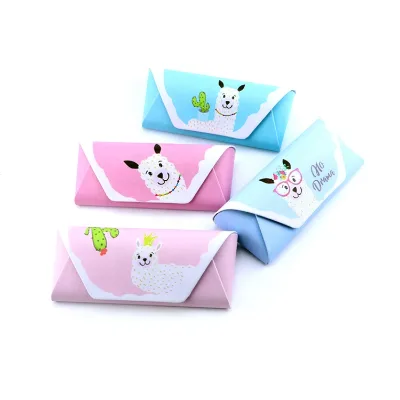
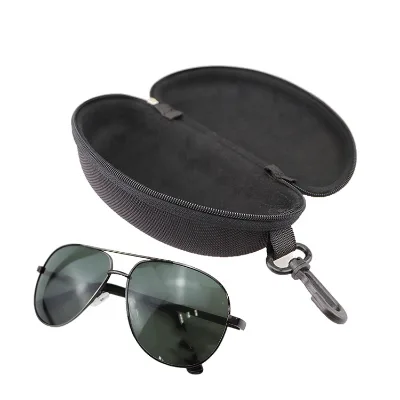
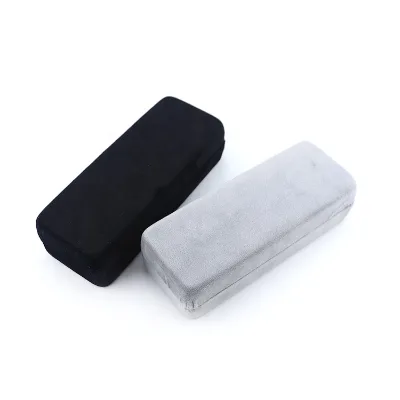
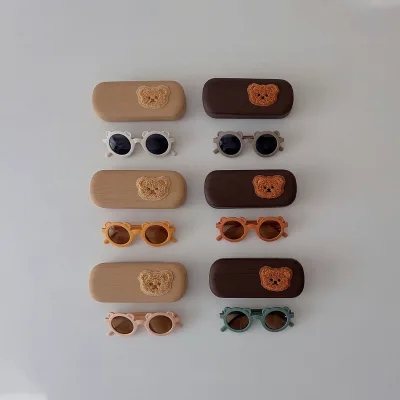
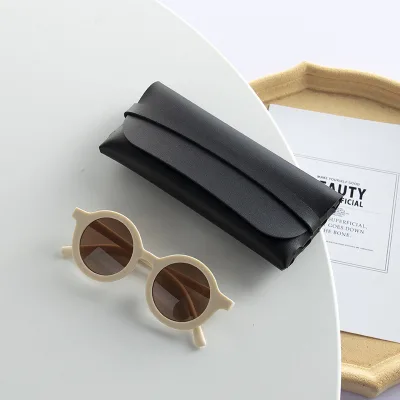
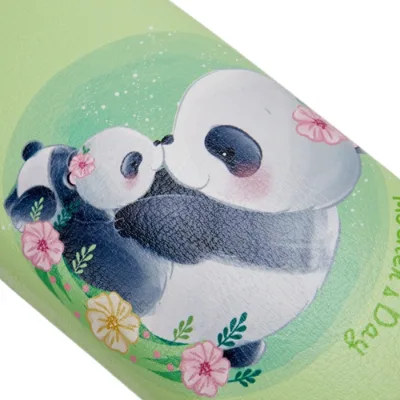
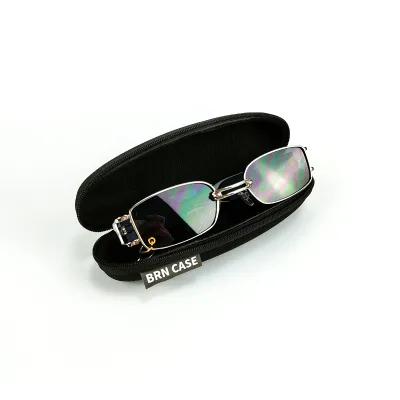
Wholesale Baby Kids Purse Leather Luxury Black Pu Leather Soft Sunglasses case
$0.5936 - $0.8694
MOQ: 200 pieces







Comprehensive Sourcing Guide
Hard Child Sunglasses Case Sourcing Guide
Procuring protective eyewear for children requires balancing durability with safety, as young users handle accessories with less care than adults. The market offers diverse materials ranging from rigid plastics to soft leather alternatives, each presenting distinct trade-offs in impact resistance and weight. Buyers must prioritize cases that shield lenses from scratches while remaining lightweight enough for small hands to carry comfortably. This guide outlines the critical verification steps for sourcing these specialized containers, ensuring that selected products meet both functional and regulatory expectations for pediatric use.
The selection process involves evaluating structural integrity, material composition, and supplier reliability across multiple manufacturing hubs. Observed listings indicate a wide variance in packaging configurations and minimum order quantities, which directly influences logistics planning and inventory management. Understanding these variables allows procurement teams to negotiate terms that align with their distribution channels, whether targeting retail shelves or direct-to-consumer e-commerce platforms. By focusing on verified attributes rather than marketing claims, buyers can mitigate risks associated with product failure or non-compliance in international markets.
Product Scope and Observed Listing Signals
Current market data reveals a significant diversity in product construction, with materials including metal, PU leather, and ABS plastic dominating the category. Listings frequently highlight specific internal linings such as PS or EVA gaskets, which are crucial for cushioning delicate lenses against impact. Color options are highly customizable, ranging from standard black and blue to vibrant mixes like pink, yellow, and green, catering to the aesthetic preferences of children and their parents. These visual variations are often paired with branding opportunities, including embossed logos, silk printing, and hot stamping, which add value for private label buyers seeking distinct market positioning.
Packaging details vary considerably among suppliers, with some offering bulk carton configurations of two hundred pieces while others provide smaller inner boxes of ten. Single package dimensions typically range from compact sizes around sixteen centimeters to larger formats exceeding fifteen centimeters in width, reflecting the varying capacities required for different frame sizes. Weight observations show a stark contrast between lightweight metal options weighing under one hundred grams and heavier PU or ABS cases approaching two kilograms per unit, a discrepancy that likely stems from data entry errors or bulk shipping weights rather than individual unit mass. Buyers must clarify these specifications to avoid logistical surprises during freight calculation.
Technical Specifications to Verify
Dimensional accuracy is paramount when selecting cases for children, as oversized containers may be cumbersome while undersized ones fail to protect the eyewear. Standard single package sizes observed in the market include measurements such as sixteen by six point five by three point five centimeters for metal variants and fifteen by ten by ten centimeters for ABS plastic models. These dimensions must align with the physical size of the target sunglasses to ensure a snug fit that prevents internal movement during transit. Verification of internal clearance is essential, as tight tolerances can damage frames, while excessive space increases the risk of lens scratching against the case walls.
Material composition directly influences the protective capabilities and longevity of the case, with ABS plastic noted for its environmental friendliness and structural rigidity. PU leather options offer a premium aesthetic but require careful inspection of the outside material quality to ensure resistance to peeling or cracking under frequent use. Internal linings, such as EVA gaskets, provide necessary shock absorption, while PS interiors offer a smooth, non-abrasive surface for lens storage. Buyers should request physical samples to assess the tactile quality of these materials, verifying that zippers or closures operate smoothly and do not pose a choking hazard or snag risk for young users.
Compliance and Safety Documentation
Safety standards for children’s products are stringent, requiring rigorous verification of material toxicity and physical safety features. Buyers must ensure that all plastic components, particularly ABS and PS linings, comply with relevant chemical regulations regarding phthalates, lead, and other hazardous substances. Since these cases are handled by children, the absence of sharp edges, small detachable parts, or toxic coatings is non-negotiable. Documentation should explicitly confirm that the materials are safe for prolonged skin contact and do not emit harmful volatile organic compounds, which is critical for maintaining consumer trust and avoiding regulatory penalties in target markets.
Certification requirements often extend beyond material safety to include general product compliance, such as CE or RoHS marks, depending on the destination country. While specific certification statuses are not universally listed in general product descriptions, buyers must proactively request test reports from accredited laboratories to validate these claims. The presence of eco-friendly attributes, as noted in some ABS listings, should be substantiated by recognized environmental certifications rather than vague marketing terms. Establishing a clear chain of custody for material sourcing helps ensure that the final product meets all legal obligations, protecting the brand from liability issues related to child safety.
Cost Drivers and Commercial Terms
Pricing structures for hard child sunglasses cases are influenced by material costs, customization levels, and order volume, with observed ranges spanning from minimal entry points to higher tiers for premium finishes. Minimum order quantities vary widely, with some suppliers accepting single-piece samples while others require bulk commitments of two hundred pieces or more. This disparity allows buyers to test market response with low-risk sample orders before scaling up production, but it also necessitates careful calculation of per-unit costs to determine the most economical order size. Understanding these thresholds is vital for optimizing cash flow and minimizing inventory holding costs.
Logistics and packaging configurations significantly impact the total landed cost, as bulkier items incur higher freight charges and storage fees. Suppliers offering flexible packaging options, such as custom inner boxes or individual OPP bags, enable buyers to tailor their presentation to specific retail requirements, potentially reducing damage rates during shipping. Supply abilities, often cited as one hundred thousand pieces per month for experienced manufacturers, indicate the capacity to handle large-scale orders without significant lead time delays. Buyers should negotiate clear terms regarding sample availability and production timelines to ensure timely delivery, especially during peak seasonal demand periods.
Supplier Qualification and Quality Control
Supplier experience and manufacturing location are key indicators of reliability, with origins in Jiangsu, Hebei, and Fujian provinces representing major hubs for eyewear accessory production. Buyers should prioritize suppliers with documented years of experience, such as those citing twelve or thirteen years in the industry, as this often correlates with refined production processes and consistent quality control. Verification of supply chain transparency is essential, including confirmation of port of dispatch options like Tianjin, Shanghai, or Shenzhen, which facilitate efficient export logistics. Establishing direct communication with the manufacturing facility helps clarify production capabilities and ensures that quality standards are maintained throughout the manufacturing cycle.
Quality control protocols must be explicitly defined, covering both pre-production sample approval and final random inspections before shipment. Buyers should implement a rigorous sampling strategy, requesting multiple color and material variations to assess consistency in stitching, zipper function, and structural integrity. Defining acceptable quality limits for defects, such as misaligned logos or rough edges, ensures that rejected goods are identified before they reach the customer. Collaborating with third-party inspection agencies for pre-shipment audits can provide an additional layer of assurance, verifying that the delivered products match the approved samples in every detail.
Long-Term Procurement Checks
Sustaining a successful sourcing relationship requires ongoing monitoring of product performance and supplier adaptability to market changes. Buyers should establish feedback loops with end-users to identify any durability issues, such as zipper failures or material degradation, that may not be apparent during initial sampling. Regular audits of supplier compliance with safety and environmental standards are necessary to ensure continued adherence to evolving regulations in target markets. Maintaining open lines of communication regarding design updates or new material innovations allows buyers to stay competitive by offering fresh, compliant products to their customers.
Strategic inventory management is crucial for balancing stock levels with demand fluctuations, particularly for customizable items with longer lead times. Buyers should negotiate flexible reorder terms and maintain a buffer stock of best-selling colors and sizes to mitigate supply chain disruptions. Periodic review of supplier performance metrics, including on-time delivery rates and defect percentages, helps identify potential risks early and facilitates proactive problem-solving. By fostering a collaborative partnership based on mutual growth and strict quality adherence, buyers can secure a reliable supply of high-quality hard child sunglasses cases that meet the evolving needs of their market.
FAQs
What materials are used for hard child sunglasses cases?
Hard child sunglasses cases are typically crafted from durable materials such as metal, PU leather, or ABS plastic. Metal options offer robust protection, while PU cases often feature a PS or EVA interior for cushioning. ABS variants utilize environmentally friendly materials with an EVA gasket inside. These materials ensure the case remains rigid and protective for young users.
Can I customize the color of the eyeglasses case?
Yes, customization is widely available for these cases. Suppliers offer colors including red, blue, pink, yellow, black, white, and gray. Many vendors accept mixed color orders or specific custom requests. You can also add logos through embossing, silk printing, or hot stamping. This flexibility allows you to match specific branding or personal preferences for the final product.
What is the typical MOQ for ordering these cases?
The Minimum Order Quantity varies significantly by supplier. Some vendors require a standard MOQ of 200 pieces, while others accept orders as low as one piece. This range allows buyers to test samples or place bulk orders. It is essential to check the specific supplier's policy, as some may have different thresholds based on customization levels or stock availability.
How are the cases packaged for shipping?
Packaging details usually involve placing one case into an OPP bag. Inner boxes typically contain ten cases, while master cartons hold between 100 and 200 cases depending on the model. Some suppliers offer customized packing solutions upon request. This structured packaging ensures the cases remain protected during transit and simplifies inventory management for the buyer upon arrival.
Where are these hard cases manufactured?
These cases are primarily manufactured in China, with specific origins including Jiangsu, Hebei, and Fujian provinces. Jiangsu is noted for metal eyeglasses cases, while Hebei and Fujian produce PU and ABS variants. This geographic concentration indicates a strong supply chain infrastructure in these regions, facilitating efficient production and logistics for international buyers seeking these specific product types.
What are the single package dimensions for these cases?
Single package sizes vary by material and model. Metal cases often measure 16x6.5x3.5 cm, while PU cases may be 15x10x20 cm. ABS kids' cases typically measure 15x10x10 cm or 18x8x9 cm. These dimensions help buyers calculate shipping volume and storage requirements accurately. Always verify the specific model's size to ensure it fits your logistical planning needs.