Source Hard Car Glasses Cases for Dashboards, Visors, and Storage
Source hard car glasses cases from 30 verified listings. Compare options made from ABS, PU leather, and EVA materials. Evaluate features like embossed logos, ISO9001 certification, and custom branding for dashboards, visors, and general storage needs; compare the available evidence and request quotations based on your requirements.
Updated
Key considerations
Products List
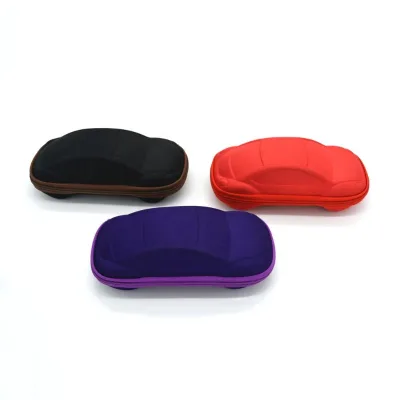
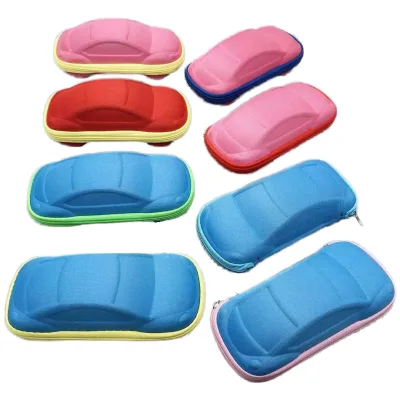
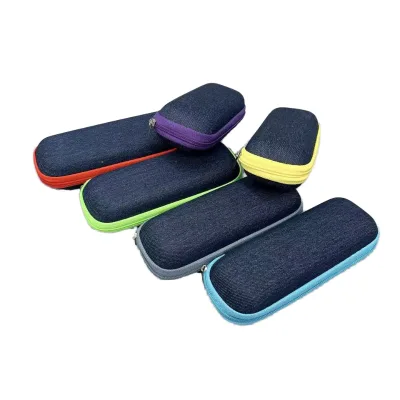
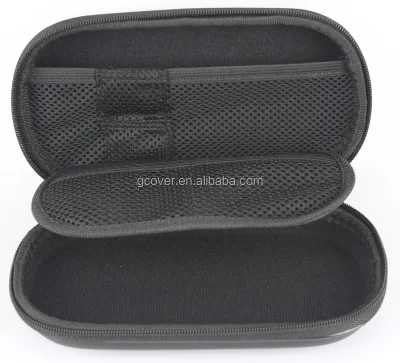
Colorful Zipper EVA Cute Car Glasses case Sport Eva Soft Hard Kids Glasses case Custom logo
$0.3296 - $0.5048
MOQ: 1000 pieces
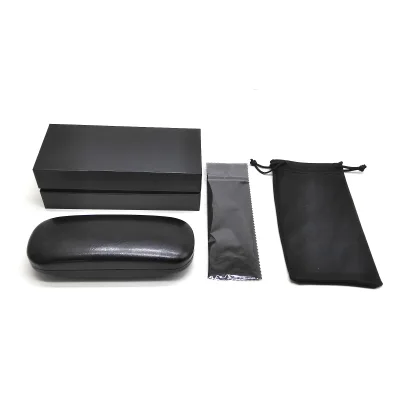
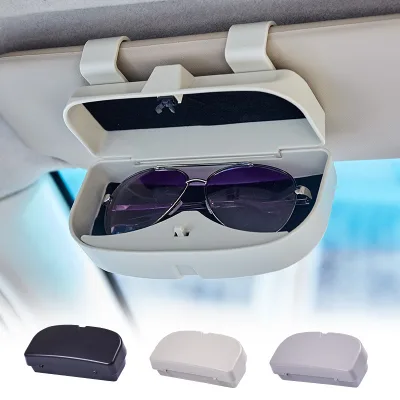

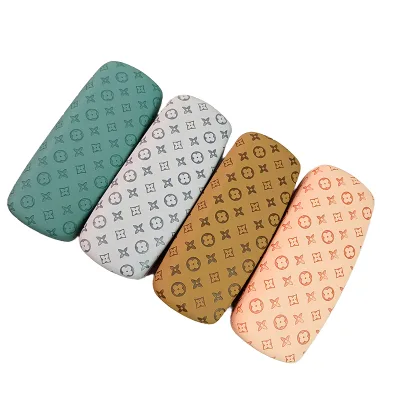
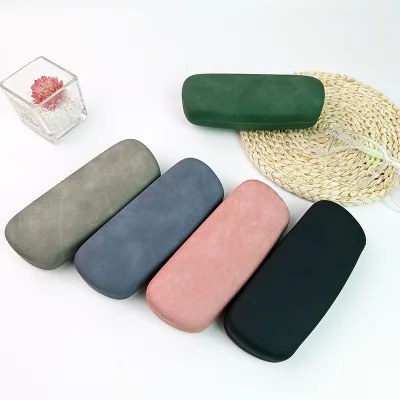
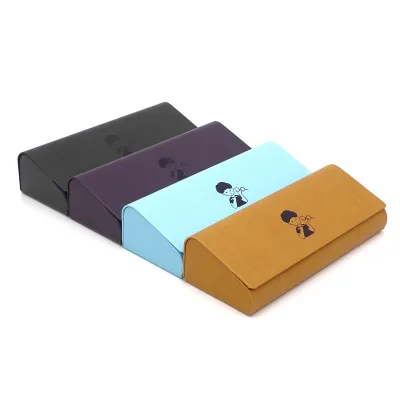



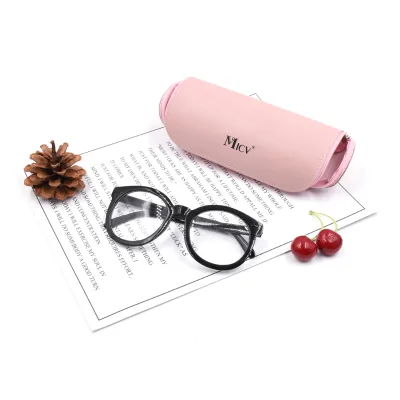
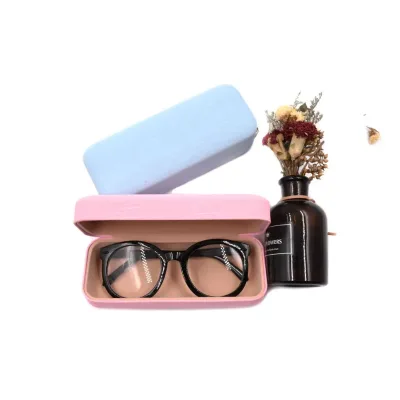
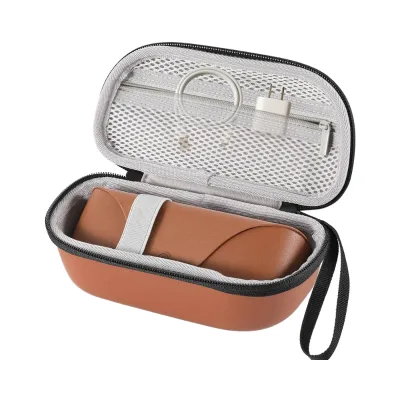


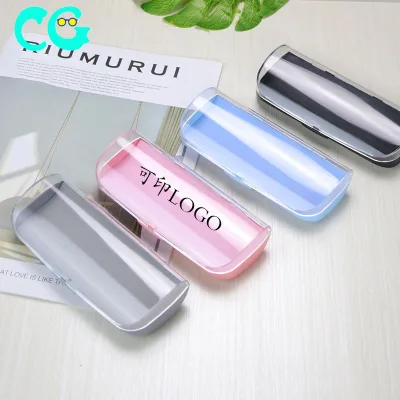
Portable Eyewear Cases Cover Sunglasses Hard Case for Women Men Glasses Box
$2.05 - $4.88
MOQ: 300 Pieces

Comprehensive Sourcing Guide
Hard Car Glasses Case Sourcing Guide
Procurement professionals seeking hard car glasses cases must first distinguish between rigid storage solutions and flexible pouches, as the market offers distinct product categories. The available data indicates a specific segment of hard cases constructed from materials like ABS plastic and EVA, designed specifically for vehicle interiors. These items are often marketed as universal fitment accessories intended for retrofitting or upgrading existing vehicle storage systems. Buyers should verify that the product description explicitly mentions "hard" construction and "car" application to ensure the item meets the specific durability and form-factor requirements of automotive environments.
When evaluating listings, buyers must scrutinize the stated dimensions and packaging details to confirm compatibility with various dashboard or console configurations. Observed specifications include single package sizes ranging from 16x6x4 cm to 17x7.2x5.5 cm, which suggests a compact form factor suitable for general vehicle use. It is critical to note that some listings describe similar products with different materials, such as PU leather or nylon, which may not satisfy the "hard" requirement. Therefore, the primary decision point involves filtering for rigid materials like ABS or EVA to ensure the case provides the necessary structural protection for eyewear during transit.
Product Scope and Observed Listing Signals
The product scope for hard car glasses cases encompasses rigid containers designed to store and protect eyewear from impact and environmental factors. Listings frequently highlight features such as "store glasses" functionality and "unisex" styling, indicating a broad target audience for automotive accessories. The observed data reveals that these products often come in solid colors like black, gray, and beige, with some options offering customization for logos or branding. Buyers should prioritize items that explicitly state a "hard" item hardness classification to differentiate them from soft, foldable alternatives that lack structural integrity.
Signal analysis of current market listings reveals a mix of product types, including zipper boxes and simple storage units, which may confuse procurement teams. While some products are labeled as "leather spectacle cases," the specific requirement for a hard car case necessitates a focus on plastic or composite materials. The presence of "without pattern" or "solid" design attributes suggests a preference for utilitarian aesthetics in automotive settings. Procurement teams must carefully cross-reference the material composition and closure types, such as zippers, to ensure the selected product aligns with the specific need for a durable, rigid container rather than a soft pouch.
Technical Specifications to Verify
Technical verification begins with confirming the material composition, as the core requirement for a hard case is a rigid substrate like ABS or EVA. Buyers must explicitly check that the product specification lists these materials rather than flexible options like PU leather or nylon, which are common in general eyewear storage but unsuitable for hard case applications. The structural integrity is further defined by the item hardness rating, which should be confirmed as "hard" rather than "semi-hard" to guarantee protection against crushing forces within a vehicle. This distinction is vital for ensuring the glasses remain undamaged during sudden stops or impacts.
Dimensional accuracy and packaging efficiency are equally critical technical parameters that influence logistics and storage planning. The observed single package sizes vary, with specific examples including 17x7.2x5.5 cm and 16x6x4 cm, requiring buyers to calculate the exact footprint for their inventory. Additionally, the gross weight of individual units, observed at approximately 0.029 kg, impacts shipping costs and handling requirements. Buyers should verify the internal dimensions against the glasses they intend to store, ensuring the case provides a snug fit without excessive empty space that could allow the eyewear to shift during transit.
Compliance and Safety Documentation
Compliance verification for automotive accessories often involves checking for specific safety standards that ensure the materials are safe for use in enclosed vehicle spaces. While some general eyewear cases may carry certifications like CE, FDA, or UV400, these are typically associated with the lenses rather than the case itself. Buyers must clarify whether the listed certifications apply to the plastic or EVA materials used in the hard case construction to ensure they do not release harmful fumes or chemicals when exposed to heat. The absence of specific automotive safety certifications in the provided data means buyers should request material safety data sheets (MSDS) to confirm compliance with local regulations.
Quality assurance documentation should also address the durability and longevity of the product under varying environmental conditions. The observed data mentions ISO9001 certification for some suppliers, which indicates a commitment to quality management systems but does not guarantee specific product performance. Procurement teams should request test reports that validate the resistance of the hard case material to temperature fluctuations, UV exposure, and physical stress. Without explicit test results for automotive-specific conditions, buyers must rely on supplier declarations and request third-party verification to mitigate the risk of premature failure in the demanding environment of a car interior.
Cost Drivers and Commercial Terms
Cost drivers for hard car glasses cases are primarily influenced by the choice of raw materials, with ABS and EVA generally commanding different price points than softer alternatives. The observed price range of 0.1 to 4.88 USD suggests a wide variance based on material quality, branding, and customization levels. Buyers should anticipate that higher costs may correlate with features like embossed logos, specific color options, or enhanced structural rigidity. Understanding these cost components is essential for budgeting, as the price difference between a basic hard case and a customized, branded version can be significant.
Commercial terms, particularly Minimum Order Quantity (MOQ), vary widely across the market, ranging from a single piece to 1200 units. This flexibility allows buyers to test the market with low-volume orders or secure bulk pricing for large-scale distribution. The observed MOQ of 1 piece indicates that many suppliers are willing to accommodate small orders, which is beneficial for startups or those testing new product lines. However, buyers must be aware that unit prices often decrease as order volume increases, so negotiating based on projected annual demand can yield substantial savings. Additionally, packaging configurations, such as 12 pieces per inner box, should be factored into the total landed cost calculation.
Supplier Qualification and Quality Control
Supplier qualification requires a thorough review of the manufacturer's location and production capabilities, as the data indicates origins in regions like Hebei, Shanghai, and Wenzhou. These locations are known for manufacturing diverse goods, but buyers must verify that the specific supplier has experience producing rigid automotive accessories rather than general fashion items. The presence of OEM branding suggests that many suppliers offer private label services, which is a key consideration for companies looking to build their own brand identity. Buyers should request evidence of past production runs for similar hard cases to ensure the supplier understands the specific engineering requirements of rigid eyewear storage.
Quality control protocols must be established to ensure consistency in the hard case construction and finish. Given the variation in materials and dimensions observed in the market, a robust inspection plan is necessary to catch defects such as uneven molding, loose zippers, or incorrect dimensions. Buyers should implement a pre-shipment inspection that specifically tests the "hardness" of the case and verifies the fitment for standard eyewear sizes. Since some listings mention "new" condition and specific model numbers, maintaining a clear record of approved samples and specifications is crucial for preventing quality drift in subsequent production batches.
Long-Term Procurement Checks
Long-term procurement success depends on establishing a reliable supply chain that can maintain consistent quality and availability over time. Buyers should monitor the supplier's ability to adhere to the specified model numbers and material compositions, as changes in production processes can lead to deviations in product performance. Regular audits of the manufacturing facility can help ensure that the ISO9001 certification remains valid and that quality control measures are consistently applied. This proactive approach helps mitigate the risk of supply disruptions and ensures that the hard car glasses cases continue to meet the required standards for durability and safety.
Market trends and product evolution also necessitate ongoing evaluation of the procurement strategy to stay competitive. As automotive interiors and eyewear designs change, the specifications for hard cases may need to adapt to accommodate new shapes or sizes. Buyers should maintain open communication with suppliers to stay informed about potential material upgrades or design improvements that could enhance the product's value. By regularly reviewing performance data and customer feedback, procurement teams can identify opportunities for optimization and ensure that the long-term supply of hard car glasses cases remains aligned with business goals and market demands.
FAQs
What materials are used for hard car glasses cases?
Hard car glasses cases are typically constructed from durable materials such as ABS plastic, EVA foam, or PU leather. These materials provide robust protection against impacts and scratches. Some models also incorporate iron components for structural integrity. The choice of material ensures the case remains semi-hard or hard, offering reliable storage for eyewear while maintaining a lightweight profile for easy transport.
Can I customize the logo on a Hard Car Glasses Case?
Yes, customization is available for many hard car glasses cases. Buyers can request embossed logos or specific branding on the exterior. This service is often offered under OEM arrangements, allowing businesses to tailor the product to their brand identity. Customization options may include color variations and pattern adjustments, ensuring the final product meets specific marketing or corporate requirements effectively.
What is the typical MOQ for ordering hard car glasses cases?
The minimum order quantity for hard car glasses cases can start as low as one piece for sample orders. However, bulk purchases often require higher volumes, with observed MOQs reaching up to 1200 pieces depending on the supplier. This flexibility allows buyers to test product quality before committing to large-scale production runs, accommodating both small businesses and large retailers.
Which certifications do hard car glasses cases typically hold?
Hard car glasses cases may hold various certifications depending on the manufacturer and material composition. Common certifications include ISO9001 for quality management systems. Some products associated with optical accessories might also reference standards like CE, FDA, or UV400, though these often apply to the lenses rather than the case itself. Buyers should verify specific certification documents with suppliers for compliance assurance.
How are hard car glasses cases packaged for shipping?
Hard car glasses cases are typically packaged in polybags, with multiple units placed in inner boxes and then consolidated into cartons. Standard packaging might include 12 pieces per inner box and 300 pieces per carton. This method ensures protection during transit and facilitates efficient handling. Packaging dimensions vary by model, with some single packages measuring approximately 17x7.2x5.5 cm for easy storage and logistics.
Where are hard car glasses cases primarily manufactured?
Hard car glasses cases are primarily manufactured in China, with key production hubs located in regions such as Hebei, Shanghai, and Wenzhou, Zhejiang. These areas offer established supply chains for materials like ABS, EVA, and PU leather. The concentration of manufacturing in these locations supports efficient production and export, providing buyers with access to a wide variety of styles and specifications.