Source Light Waterproof Sunglasses Case for Travel, Sports, and Daily Use
Source a Light Waterproof Sunglasses Case from 30 verified listings. Compare options made from PU, PVC, metal, and EVA materials. Evaluate specifications including model numbers like B72 and 222-37, pricing, and MOQs to find the right fit for your needs.
Updated
Key considerations
Products List
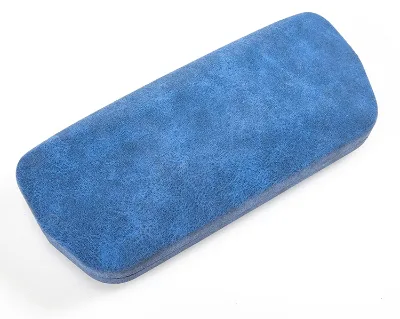
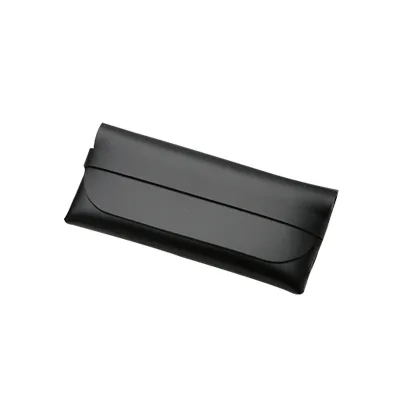
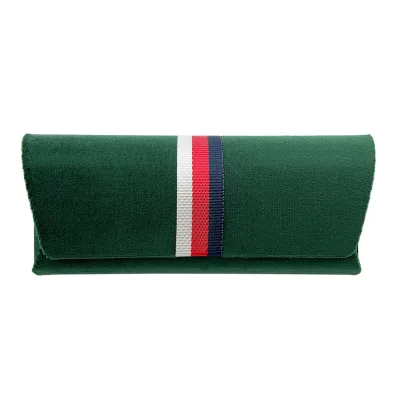
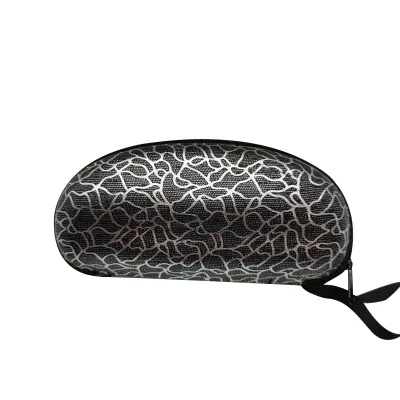
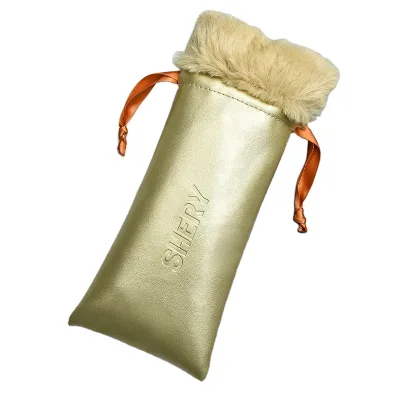


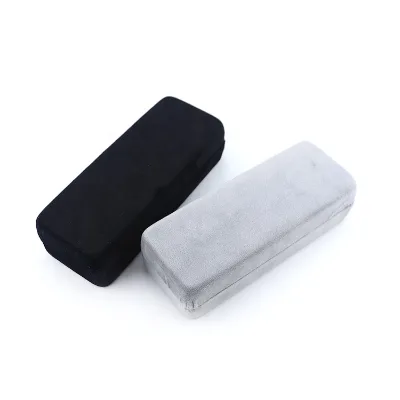
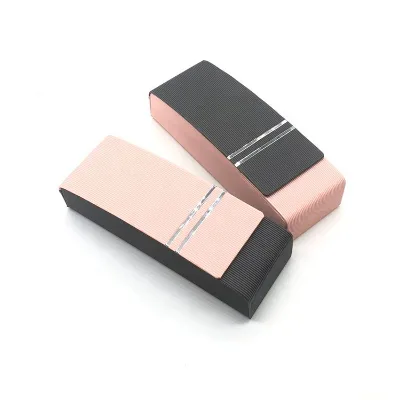


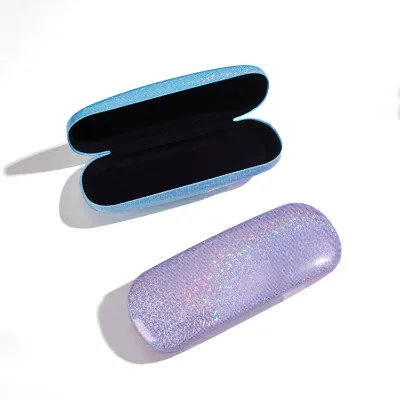
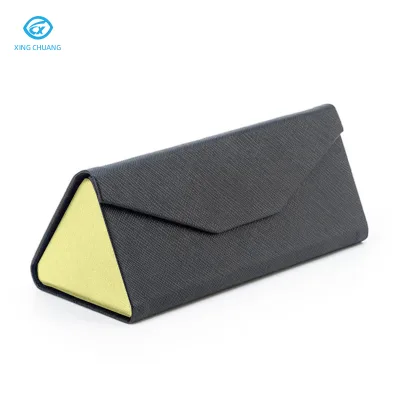
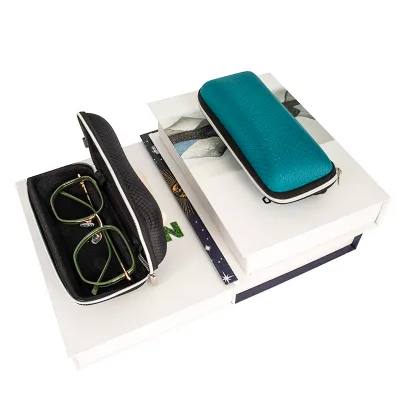
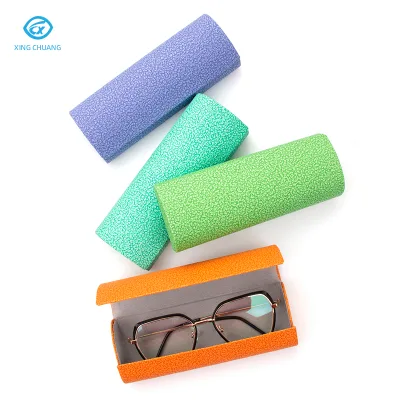
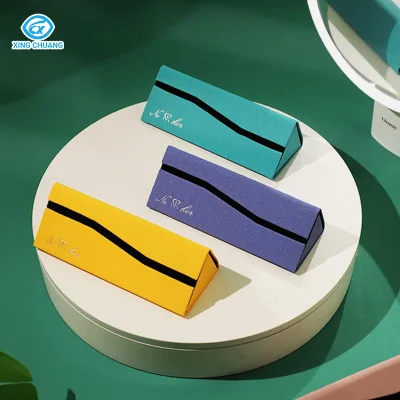
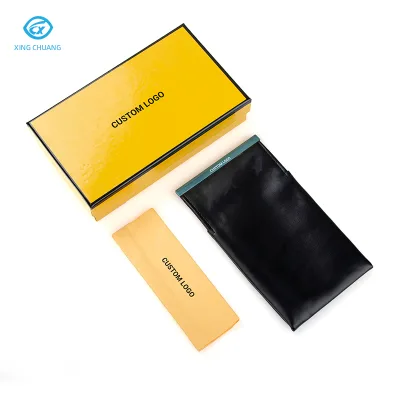
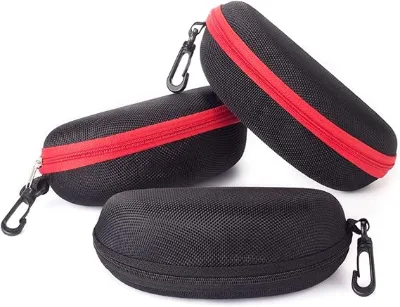
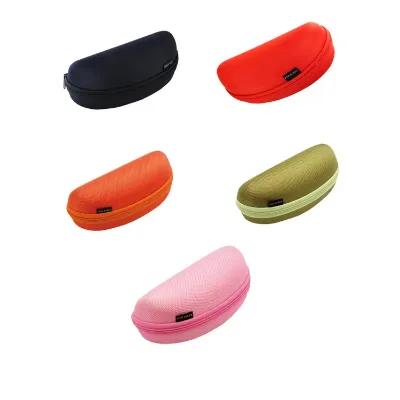


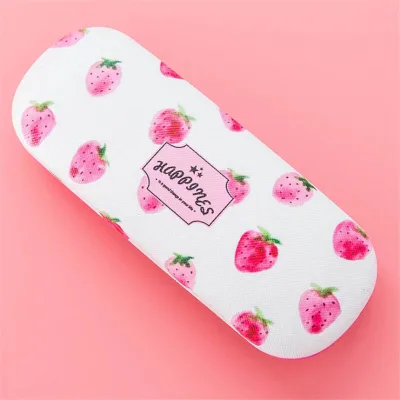
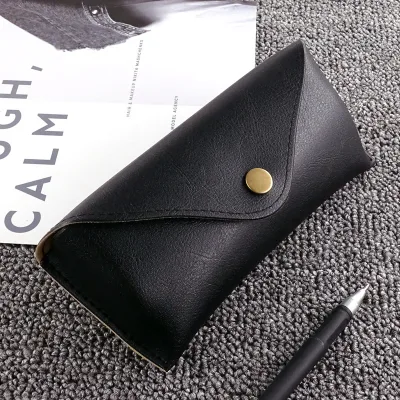

Comprehensive Sourcing Guide
Light Waterproof Sunglasses Case Sourcing Guide
Procuring light waterproof sunglasses cases requires balancing material durability with weight constraints, as the core keyword suggests a product that must protect eyewear from moisture without adding significant bulk to a traveler’s gear. Buyers must recognize that "waterproof" is often a marketing term; true water resistance depends on specific material choices and construction methods, such as sealed seams or gasketed closures, which are not universally present in all listings. The observed market data indicates a wide variance in material composition, ranging from polyurethane (PU) and polyvinyl chloride (PVC) to metal and ethylene-vinyl acetate (EVA), each offering different levels of inherent water resistance and structural integrity.
Sourcing decisions should be driven by the intended use case, whether for casual outdoor activities, professional sports, or general retail distribution. The presence of brands like Baokai and origins in Zhejiang and Hebei provinces highlights the concentration of manufacturing hubs in China, which can offer competitive pricing but requires rigorous quality verification. Buyers must distinguish between cases that are merely water-resistant and those designed for submersion, as the latter often require more complex engineering and higher minimum order quantities. Understanding these distinctions is critical to avoiding procurement errors where the final product fails to meet the advertised performance standards in real-world conditions.
Product Scope and Observed Listing Signals
The current market landscape for sunglasses cases reveals a diverse array of product types, including handmade cases, simple styles, and general-purpose containers, with model numbers such as B72, 222-37, and 222-129 indicating significant variety in design and function. Observed attributes show that materials like PU, PVC, metal, and EVA are commonly used, with some products featuring cotton interiors for added protection and scratch prevention. The color options range from dazzling gold and magic silver to coffee, catering to different aesthetic preferences, while the absence of patterns suggests a trend toward minimalist and functional design in this category.
Listing signals also highlight variations in packaging and logistics, with single package sizes like 21x8.5x3 cm and export cartons containing up to 100 pieces per bag. Weight observations vary widely, from lightweight items at 0.050 kg to heavier carton weights of 12 kg, reflecting the density of materials used. Some products are marketed as unfolded or hard cases, while others are partial hard or soft, indicating a need for buyers to verify the specific structural requirements of their inventory. These signals provide a baseline for understanding the physical characteristics of available products, but they do not guarantee uniform quality or performance across all suppliers.
Technical Specifications to Verify
When evaluating technical specifications, buyers must prioritize the verification of material composition and structural hardness, as these factors directly impact the case's ability to protect sunglasses from impact and environmental elements. The observed data includes specifications such as partial hardness and specific dimensions like 16x10x6 cm or 49.5x32x31 cm for larger packaging, which must be cross-referenced with the actual product samples to ensure accuracy. It is essential to confirm whether the case is truly waterproof or merely water-resistant, as the latter may only withstand splashes rather than submersion, a distinction that is often blurred in product descriptions.
Additionally, buyers should verify the internal lining material, such as cotton, which provides cushioning but may absorb moisture if not treated properly, potentially leading to mold or odor issues over time. The presence of customization options and logo printing capabilities should be assessed for branding purposes, but buyers must ensure that these processes do not compromise the case's structural integrity or water resistance. Model numbers like FC532551 and FC00214 serve as identifiers, but they do not replace the need for detailed technical datasheets that specify tolerances, seam strength, and closure mechanisms.
Compliance and Safety Documentation
Compliance and safety documentation are critical for ensuring that the sourced sunglasses cases meet international standards and regulatory requirements, particularly if the products are intended for export to markets with strict consumer protection laws. The observed standards include FDA, CE, ISO, and EN 14889:2003, which suggest that some suppliers may have certifications related to food contact or general safety, although these may not directly apply to eyewear cases. Buyers must verify the relevance and validity of these certifications, as they may be outdated or misapplied to products that do not fall under the specific scope of the standard.
Furthermore, the mention of OEKO-TEX in background context indicates a potential focus on textile safety, which could be relevant if the cases contain fabric linings or coatings. Buyers should request current test reports from accredited laboratories to confirm that materials are free from harmful substances such as phthalates, heavy metals, or formaldehyde. It is also important to check for any regional restrictions on materials like PVC, which may require specific additives to meet environmental regulations. Ensuring that all documentation is up-to-date and applicable to the specific product variant is essential to avoid customs delays or legal liabilities.
Cost Drivers and Commercial Terms
Cost drivers for light waterproof sunglasses cases are influenced by material selection, customization requirements, and order volume, with observed price ranges from $0.07 to $5.98 USD reflecting significant variation in quality and features. Minimum order quantities (MOQs) range from 10 to 1000 pieces, with some suppliers offering lower MOQs for customized products, which can increase per-unit costs due to setup fees and reduced economies of scale. Buyers must analyze the total landed cost, including shipping, tariffs, and handling fees, as lightweight cases may have lower freight costs but higher per-unit prices if ordered in small quantities.
Commercial terms such as delivery time and payment conditions also play a crucial role in procurement planning, with observed lead times ranging from 7 to 30 days depending on production complexity and inventory levels. Suppliers may offer different packing configurations, such as 1 piece per bag or 100 pieces per export carton, which can affect storage and distribution efficiency. Buyers should negotiate clear terms regarding quality acceptance criteria and return policies to mitigate risks associated with defective products or non-conforming shipments, ensuring that the final cost aligns with budget expectations and market positioning.
Supplier Qualification and Quality Control
Supplier qualification involves assessing the manufacturer's production capabilities, quality management systems, and track record, rather than relying solely on online listings or marketing claims. Buyers should verify the supplier's location, such as Zhejiang or Hebei provinces, and conduct on-site audits or third-party inspections to ensure that production processes adhere to stated standards and specifications. It is important to check for consistency in material sourcing and manufacturing practices, as variations in quality can lead to product failures in the field, particularly regarding water resistance and durability.
Quality control measures should include pre-shipment inspections that test for physical defects, dimensional accuracy, and functional performance, such as the effectiveness of closures and the integrity of seams. Buyers must establish clear acceptance criteria for defects and require suppliers to provide detailed inspection reports before shipment. Additionally, implementing a robust sampling plan allows for early detection of quality issues, enabling corrective actions before large-scale production begins. Building a long-term relationship with reliable suppliers based on transparent communication and mutual trust is essential for maintaining consistent product quality and supply chain stability.
Long-Term Procurement Checks
Long-term procurement checks focus on continuous monitoring of supplier performance, market trends, and product lifecycle management to ensure sustained value and compliance. Buyers should regularly review supplier metrics, such as on-time delivery rates, defect rates, and responsiveness to issues, to identify potential risks and opportunities for improvement. It is also important to stay informed about changes in material regulations, environmental standards, and consumer preferences, which may necessitate adjustments in product design or sourcing strategies.
Regular audits and re-certification of suppliers help maintain high standards of quality and safety, while periodic market analysis can reveal new technologies or materials that offer better performance or cost efficiency. Buyers should also consider the environmental impact of their sourcing decisions, exploring options for sustainable materials or recycling programs to align with corporate social responsibility goals. By maintaining a proactive approach to procurement management, companies can mitigate risks, optimize costs, and ensure that their product offerings remain competitive and compliant in an evolving global market.
FAQs
What materials are used for these glasses cases?
The cases are crafted from PU, PVC, Metal, and EVA materials. These options provide varying levels of durability and protection for eyewear. Buyers can select the material that best suits their specific needs for hardness and weight. Each material offers distinct tactile qualities and structural integrity for daily use.
Can I customize the logo on the case?
Yes, customization is available for these glasses cases. Buyers can request specific branding or logo printing services to enhance product identity. This service allows for tailored marketing solutions. Please confirm the exact design requirements with the supplier to ensure the customization meets your brand standards and quality expectations.
What is the typical delivery time for orders?
The delivery time varies based on the specific product model and order volume. Some items have a lead time of 7 days, while others may require up to 30 days. Buyers should verify the exact timeline with the supplier before placing an order to ensure it aligns with their inventory planning and project schedules.
What certifications do these products meet?
The products meet FDA, CE, ISO, and EN 14889: 2003 standards. These certifications indicate compliance with international safety and quality regulations. Buyers can rely on these documented standards for assurance of product safety and manufacturing quality. Always request current certification documents from the supplier for verification during the sourcing process.
What is the minimum order quantity for these cases?
The minimum order quantity ranges from 10 to 1000 pieces depending on the specific model. Some items have an MOQ of 12 pieces, while others require 50 pieces or more. Buyers should check the specific MOQ for their desired model to plan their initial purchase volume and budget effectively with the supplier.
Where are these glasses cases manufactured?
These cases are manufactured in Zhejiang and Hebei provinces in China. The origin indicates the production location for the supplied items. Buyers can consider this location when evaluating logistics costs and supply chain reliability. The specific factory location may vary by model, so confirm the exact origin with the supplier.