Source Haval Tank Auto Parts for Suspension, Engine, and Body Repair
Compare 30 verified listings for Haval Tank Auto Parts including stabilizer links and fasteners. Buyers can evaluate OEM quality, vehicle fitment, and pricing for Haval Dargo, Tank 300, and Great Wall Pao models.
Key considerations
Products List

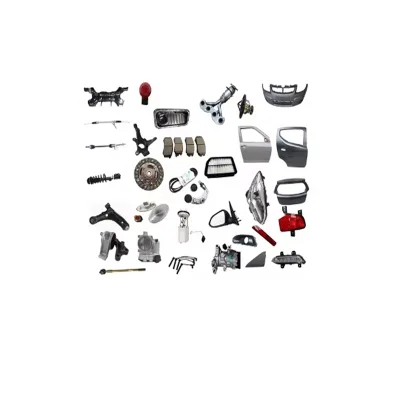


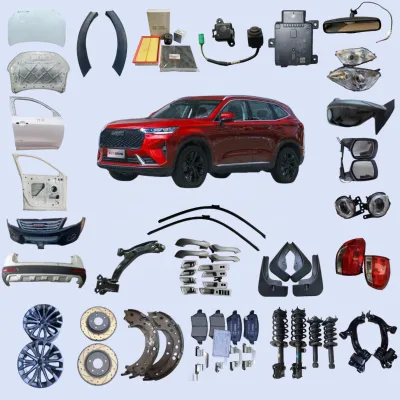
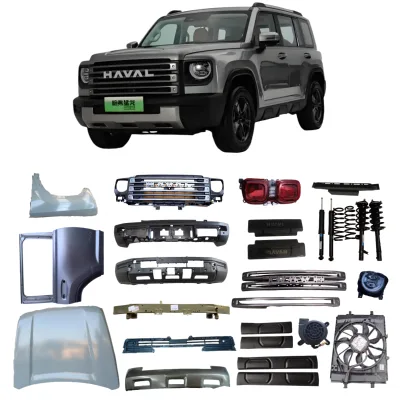
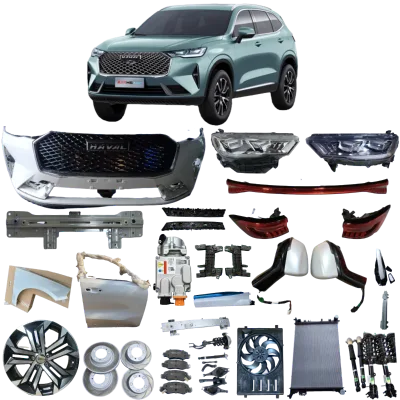
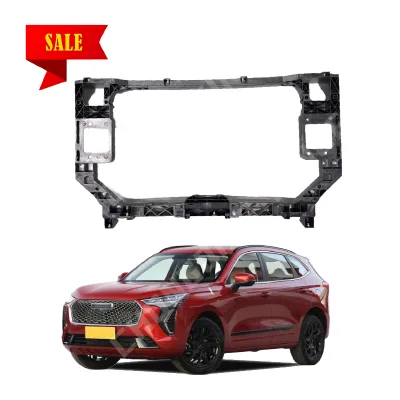

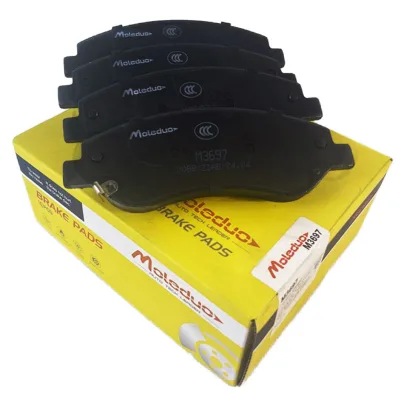
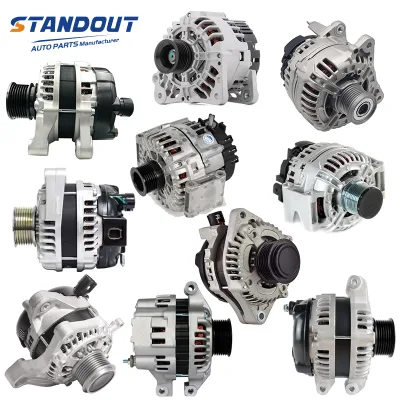

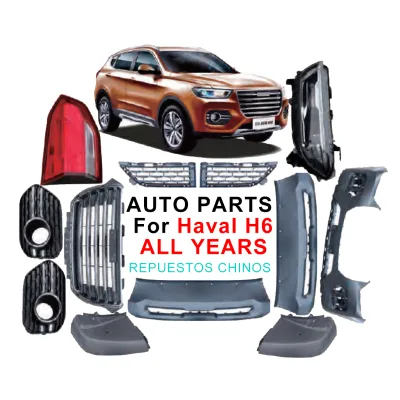
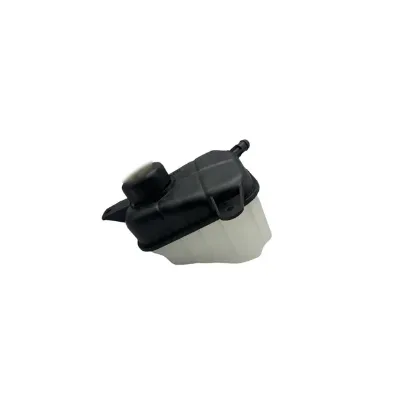
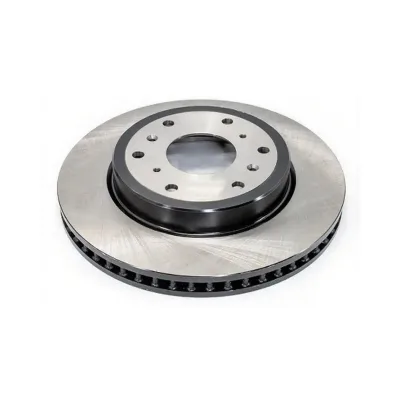
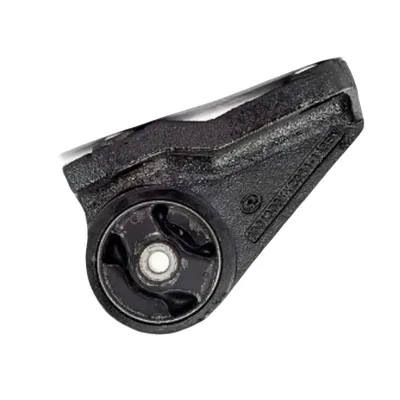
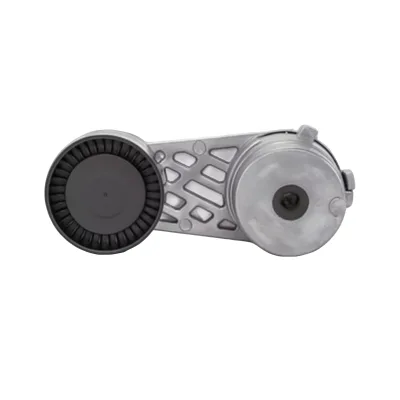
Comprehensive Sourcing Guide
Strategic Sourcing Guide for Haval Tank Auto Parts
Navigating the global supply chain for automotive components requires a disciplined approach, particularly when sourcing parts for specific Chinese vehicle brands like Haval and Tank. The market for these components is characterized by a high degree of customization and a reliance on OEM (Original Equipment Manufacturer) specifications. For procurement professionals, understanding the intersection of technical fitment, certification standards, and supplier capabilities is essential to mitigate risk and ensure operational continuity. This guide outlines the critical factors for sourcing auto parts for Haval and Tank vehicles, focusing on the specific attributes observed in the current market landscape.
Technical Specifications and Vehicle Fitment
The primary challenge in sourcing auto parts for the Haval and Tank series lies in the complexity of vehicle models and the necessity for precise fitment. The product landscape indicates a diverse range of applicable models, including the Haval H5, H6, Dargo, Big Dog, and the Tank 300, Tank 500, and Great Wall Pao series. Additionally, specific listings reference the Baic Bj40 and Bj40L, suggesting a broader ecosystem of compatible components that may share chassis or suspension architectures.
Buyers must recognize that "One Size Fits All" is rarely a viable strategy in this sector. The technical data reveals that parts are often categorized by specific functions, such as Stabilizer Links, Auto Fasteners, and components for the Body, Suspension, Brakes, and Electrical Systems. The material composition is frequently noted as Stainless Steel, particularly for suspension-related items, which implies a need for corrosion resistance in various transportation environments.
Crucially, the "Model Coverage" often spans multiple years and includes both 2WD and 4WD configurations. This variability necessitates a rigorous verification process before placing any order. The "Fuel Version" and "Engine Versions" are frequently checked separately, indicating that a part suitable for a diesel variant may not fit a gasoline model within the same vehicle generation. Therefore, the technical specification sheet provided by a supplier must be cross-referenced against the specific Vehicle Identification Number (VIN) and the original equipment (OE) numbers of the target vehicle. The "Fitment Check" is explicitly described as a requirement to be confirmed via VIN, OE Number, Photo, or Sample, underscoring the non-negotiable nature of this step in the procurement workflow.
Compliance, Certification, and Quality Standards
In the realm of B2B automotive procurement, compliance is not merely a formality but a cornerstone of liability management and product reliability. The supplied data highlights "ISO/TSIS" as a certification attribute associated with certain products. While the specific scope of this certification (e.g., IATF 16949 or a specific ISO standard for automotive quality management) requires direct verification with the supplier, its presence indicates a baseline commitment to standardized manufacturing processes.
Buyers should not assume that all listed products automatically possess every certification mentioned in a general catalog. Instead, the procurement strategy must involve requesting specific certification documents for the lot of goods being purchased. The "Auto Parts Quality" is frequently listed as "OEM," which suggests that the parts are intended to meet or exceed the original manufacturer's specifications. However, "OEM" in a sourcing context can sometimes refer to "OEM Quality" rather than "Original Equipment Manufacturer" parts. It is vital to distinguish between genuine factory parts and high-quality aftermarket replacements that adhere to the same dimensional and material tolerances.
The "Condition" of the parts is consistently listed as "New," and the "Application" is described as "Original Quality." These attributes are positive indicators but must be validated through physical inspection or third-party testing upon receipt. The "Warranty" period is noted as 12 months in several instances, which serves as a contractual baseline for defect coverage. Buyers should verify if this warranty covers labor costs for installation or is limited to the replacement of the part itself. Furthermore, the "Product Scope" is defined as "Common Maintenance and Replacement Parts," which implies that these items are subject to regular wear and tear and must meet durability standards consistent with the vehicle's operational life.
Cost Drivers and Pricing Dynamics
The pricing structure for Haval and Tank auto parts is influenced by several variables, including material costs, customization requirements, and order volume. The observed price range in the market spans from $0.50 to $699 USD, a wide spectrum that reflects the diversity of components available. Low-cost items likely include fasteners or small suspension links, while higher-priced items may encompass complex electrical assemblies or larger structural components.
A significant driver of cost is the "Customization" attribute, which is marked as "Available." Customization can involve branding, specific packaging (Neutral or Customer-Brand Packing), or unique material specifications. These value-added services inevitably increase the unit cost. Additionally, the "MOQ" (Minimum Order Quantity) is a critical cost factor. While some suppliers may accept orders as low as 1 piece, the standard "MOQ" observed is 5 pieces. For large-scale procurement, negotiating a lower unit price based on volume is standard practice, but buyers must be aware that the "Supply Mode" is often "Parts Supplied by Confirmed Requirements," meaning prices are not always fixed but are determined by the specific order details.
The "Payment" terms, which include T/T, Western Union, and PayPal, also impact the financial dynamics of the transaction. T/T (Telegraphic Transfer) is the most common method for B2B trade and often offers the best pricing leverage, whereas third-party payment processors may incur additional fees. Buyers should also consider the "Single gross weight" of 1.000 kg and the "Single package size" of 20X10X10 cm when calculating logistics costs. These dimensions suggest that while individual parts are compact, shipping multiple units can quickly accumulate weight and volume charges, affecting the total landed cost.
Typical Applications and Product Categories
The application of these auto parts extends across various critical vehicle systems. The "Parts Categories" explicitly list Engine, Brake, Suspension, and Electrical Parts. This broad categorization indicates that suppliers in this space often act as generalists, offering a wide array of components rather than specializing in a single subsystem. For instance, the "Type" of product is identified as "Stabilizer Link" in some contexts and "Auto Fasteners" in others, highlighting the functional diversity within the same product line.
The "Purpose" of these parts is clearly defined as "for replace/repair," targeting the aftermarket maintenance sector. This includes "Common Maintenance and Replacement Parts" suitable for "Importers, Distributors and Repair Workshops." The "Environment" is listed as "Transportation," which implies that the parts are designed to withstand the rigors of daily driving, including varying road conditions and weather.
For specific models like the Haval Dargo and Big Dog, the "Vehicle Application" is noted as "Suitable for Haval Dargo SUV Applications." This specificity is crucial for buyers targeting the SUV segment, which often requires more robust suspension and braking components compared to standard sedans. The "Pre-Marketing" status of "Factory Outlet" suggests that some suppliers may offer direct-from-manufacturer pricing, potentially reducing the markup associated with intermediate distributors. However, buyers must verify the authenticity of this status to ensure they are receiving genuine supply chain advantages.
Supplier Evaluation and Verification Protocols
Evaluating a supplier for Haval and Tank parts requires a multi-faceted approach that goes beyond simple price comparison. The "Place of Origin" is consistently identified as China, with "Chongqing" being a specific hub mentioned. Chongqing is a major automotive manufacturing center in China, home to several major vehicle producers, which suggests a mature local supply chain. However, the "Brand" associated with these parts varies, with "Pinzong" being one example. Buyers should not rely solely on brand recognition but must verify the supplier's ability to meet the "Quotation Data" requirements, which include Part Name, OE Number, Photo, and Quantity.
A robust supplier evaluation should include a request for samples to verify the "Fitment Check" process. The "OEM" attribute is listed as "Yes," and the "OE NO." is often provided as "VIN/OEM," indicating that the supplier claims to match original specifications. Buyers should request proof of this matching capability, such as a comparison of the part number against the official Haval or Tank database. Additionally, the "Order Type" includes "Wholesale, Mixed-Category and Repeat Orders," suggesting that established suppliers are capable of handling complex logistics and diverse product mixes.
The "Supply Mode" being "Parts Supplied by Confirmed Requirements" implies a high degree of flexibility but also requires clear communication. Buyers must ensure that their requirements are explicitly documented to avoid misinterpretation. The "Packing Option" of "Neutral or Customer-Brand Packing Available" is a significant differentiator for distributors who wish to rebrand products. Verifying the quality of the "prod_packing" (Carton) is also essential to prevent damage during transit, especially given the "Single package size" constraints.
Quality Control and Long-Term Procurement Strategy
Implementing a rigorous quality control (QC) protocol is essential for maintaining the integrity of the supply chain. Given the "Condition" is listed as "New" and the "Warranty" is 12 months, buyers should establish a clear QC checklist that includes visual inspection for material defects, dimensional verification against the OE number, and functional testing where applicable. The "Auto Parts Quality" being "OEM" should be treated as a target standard rather than an automatic guarantee.
For long-term procurement, building a relationship with suppliers who offer "Repeat Orders" and "Mixed-Category" capabilities is advantageous. This allows for consolidated shipping and better inventory management. The "Buyer Type" of "Importers, Distributors and Repair Workshops" suggests that the market is mature and competitive. To maintain a competitive edge, buyers should focus on suppliers who provide comprehensive "Quotation Data" and are transparent about their "Certification" status.
The "Product Scope" being "Common Maintenance and Replacement Parts" means that demand is likely to be steady and predictable. However, the "Model Coverage" of "Multiple Years" requires buyers to maintain an up-to-date database of part numbers for different vehicle generations. The "Fuel Version" and "Engine Versions" being checked separately further emphasizes the need for a dynamic inventory system that can adapt to changing vehicle specifications.
In conclusion, sourcing auto parts for Haval and Tank vehicles requires a meticulous approach that balances technical precision with strategic supplier management. By focusing on the specific fitment requirements, verifying certifications, understanding cost drivers, and implementing robust quality control measures, buyers can navigate the complexities of this market effectively. The availability of customization, the diversity of applications, and the specific geographic origins of the products all play a role in shaping the procurement strategy. Success in this sector depends on the ability to verify claims, maintain clear communication, and ensure that every part meets the stringent demands of the automotive industry.
FAQs
Which vehicle models are compatible with these auto parts?
These parts fit Haval Dargo, Big Dog, H5, H6, Tank 300, Tank 500, and Great Wall Pao models. Baic Bj40 and Bj40L are also listed as compatible. Buyers must confirm exact fitment using the VIN or OE number before ordering.
What certifications do the suppliers hold for these parts?
Some products are associated with ISO/TSIS certification, indicating adherence to specific manufacturing standards. Buyers should verify specific certification documents for their order lot. The parts are generally described as meeting OEM quality standards for reliability.
Can I customize the packaging for my brand?
Yes, customization is available including neutral or customer-brand packing options. This allows importers and distributors to rebrand the products effectively. Buyers should specify their branding requirements clearly during the quotation process to ensure correct execution.
What is the minimum order quantity for these parts?
The standard minimum order quantity is 5 pieces, though some listings accept orders as low as 1 piece. Buyers should confirm the specific MOQ with the supplier as it may vary by product type. Wholesale and mixed-category orders are supported for larger volumes.
Where are these auto parts manufactured and shipped from?
The products originate from Chongqing, China, which is a major automotive manufacturing hub. The shipping port is also listed as Chongqing. Buyers should account for logistics costs when calculating the total landed price for international shipments.
What warranty is provided for these replacement parts?
A 12-month warranty is typically provided for these new condition parts. This warranty covers defects but buyers should verify if it includes labor costs for installation. The parts are intended for common maintenance and replacement purposes in the transportation environment.