Source Hawaiian Sweatshirt for Vacation, Leisure, and Holiday Wear
Compare 30 Hawaiian Sweatshirt options from verified suppliers. Explore variations in fabric weight, material, and customization features for men and unisex casual wear needs.
Key considerations
Products List


New Men Printing Short Sleeve Casual Streetwear Stand Loose Hawaiian Shirt
$3.00 - $6.00
MOQ: 100 Pieces


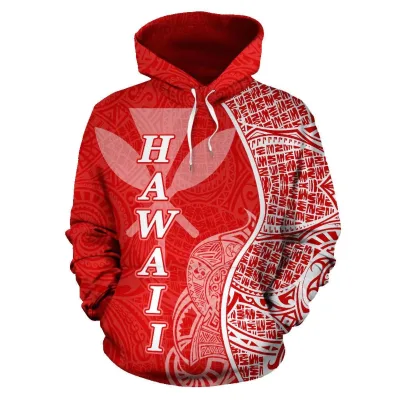


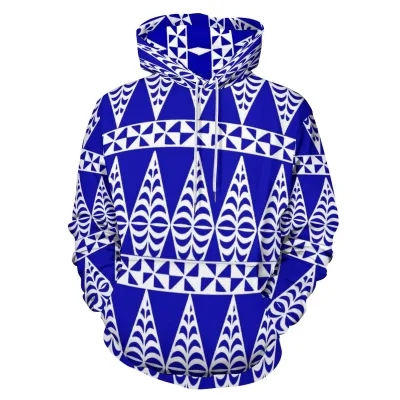
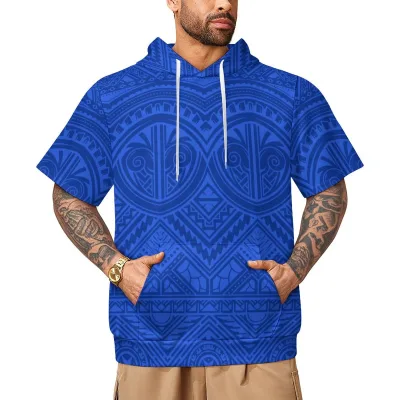
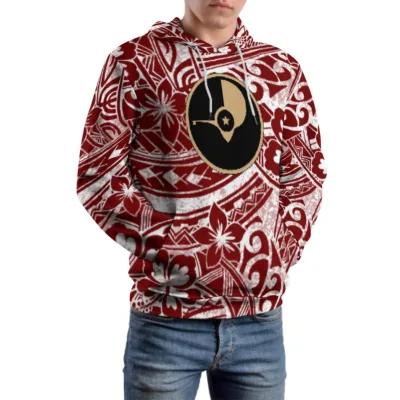


Comprehensive Sourcing Guide
Strategic Sourcing Guide for Hawaiian-Style Apparel
Understanding the Product Category and Technical Specifications
When sourcing apparel under the core keyword "Hawaiian Sweatshirt," buyers must first reconcile the semantic overlap between traditional Hawaiian shirts and sweatshirt construction. The provided product data reveals a diverse inventory where the term "Hawaiian" is often associated with specific design aesthetics rather than a single fabric construction. The observed product attributes indicate that the market offers items labeled as "Costume Hawaiian Shirts" and "Men Shirt" with a "Vacation Shirts" type designation. Crucially, the technical specifications show a split in fabric technology. While some items are described as "Woven" with a "Poplin" fabric type, others are explicitly "Knitted," which aligns more closely with the comfort and drape expected of a sweatshirt.
The material composition varies significantly across the observed listings. Some products are listed as 100% Cotton with a weight of 140gsm, while others utilize a Cotton/Spandex blend or pure Polyester. The fabric weight for the woven variants ranges from 110GSM to 130GSM, suggesting a lightweight construction suitable for summer wear rather than heavy thermal insulation. The "Knitted" items in the dataset are noted for features such as "Breathable," "Quick Dry," and "Sustainable," which are critical performance indicators for active leisure wear. Buyers must verify whether the specific supplier offering "Hawaiian" designs is providing a woven poplin shirt or a knitted sweatshirt, as the manufacturing processes, cost structures, and end-use applications differ fundamentally. The available models, such as SV0571, SV0609, WH07, QL01, and YL15, suggest a wide range of customization options, with some supporting over 200 color options and custom sample availability.
Design Attributes and Customization Capabilities
The aesthetic requirements for Hawaiian-style apparel are distinct, characterized by vibrant patterns and specific collar styles. The data indicates that "Patterned" and "Logo" designs are common, with "Colourful" being a primary attribute. The collar styles observed include "Button Up Collar" and "Stand Collar," which are traditional elements of the Hawaiian shirt silhouette. However, the "Loose" fit specification and "High Street Loose Wear" keywords suggest a modern, relaxed interpretation of the style, moving away from the fitted cuts of the past.
Customization is a central pillar of the sourcing strategy for this category. The supply chain data confirms that "Custom Sample Is Available" and "Support" for "7 Days Fast Proofing" are standard capabilities among the listed suppliers. This rapid turnaround is essential for brands looking to test market trends or launch seasonal collections quickly. The "MOQ" (Minimum Order Quantity) varies, with some suppliers listing a range of 1 to 200 units, while others specify a strict MOQ of 100PCS. This variance allows buyers to choose between low-risk prototyping and bulk production based on their inventory strategy. The "Product Name" entries, such as "Costume Hawaiian Shirts," imply that some suppliers may cater to specific niche markets, including themed events or costume parties, in addition to general leisure wear. Buyers should explicitly confirm if the "Patterned" designs are standard prints or fully customizable to ensure the final product meets brand identity requirements.
Compliance, Certification, and Material Verification
In the global apparel market, verifying material claims and compliance standards is non-negotiable. The provided data lists "100% cotton 140gsm" as a specific standard for certain models, while others list "Polyester" or "Cotton / Spandex." Buyers must not assume that all products labeled as "Hawaiian" or "Sweatshirt" meet these specific material compositions without third-party verification. The presence of "Sustainable" as a feature attribute suggests that some suppliers may be utilizing eco-friendly practices or materials, but this claim requires validation against recognized environmental standards, which are not explicitly detailed in the provided text.
Furthermore, the "prod_standard" field contains mixed data, ranging from packaging dimensions (26165) to size charts (S M L XL XXL XXXL XXXXL). This indicates that "standard" in this context may refer to logistical or sizing conventions rather than safety or quality certifications. Buyers should not rely on the provided text to assert that any specific product holds a particular safety certification. Instead, the procurement strategy must include a requirement for the supplier to provide test reports for fiber content, colorfastness, and shrinkage. The "Quick Dry" feature mentioned for knitted items implies a specific chemical treatment or fiber blend that should be verified through performance testing to ensure the claim holds up under actual use conditions.
Cost Drivers and Pricing Dynamics
The pricing structure for Hawaiian-style apparel is influenced by several factors, including fabric weight, material composition, and the complexity of the printing or knitting process. The observed price range in the dataset is 1.1 to 17 USD, a significant spread that reflects the diversity of the product offerings. Lower-priced items likely correspond to the basic woven poplin shirts with standard patterns and lower GSM weights (110GSM). Conversely, the higher end of the price spectrum may reflect the knitted sweatshirt variants with advanced features like "Quick Dry" and "Sustainable" attributes, or those with complex customization requirements.
The "MOQ" is a primary cost driver. Suppliers with a higher MOQ, such as the 100PCS requirement, often offer lower unit prices due to economies of scale in material purchasing and production setup. Conversely, suppliers accepting orders as low as 1 unit or 200 units may charge a premium for the flexibility and smaller batch production. The "7 Days Fast Proofing" service adds value but may also incur additional costs for expedited sampling. Buyers should analyze the total cost of ownership, including the cost of custom samples, shipping, and potential rework costs, rather than focusing solely on the unit price. The "1 PCS Per Poly Bag" or "OPP Bag" packing standards also influence logistics costs, as the packaging method affects the volume and weight of the shipment.
Supplier Evaluation and Quality Control Protocols
Evaluating suppliers for Hawaiian-style apparel requires a focus on their technical capabilities and quality assurance processes. The data shows that suppliers offer "Custom Sample" services and support various weaving methods, including "Woven" and "Knitted." A robust supplier evaluation should verify the consistency of these manufacturing processes. For instance, a supplier claiming to produce "Knitted" sweatshirts with "Breathable" features must demonstrate the ability to maintain stitch density and fabric integrity across large batches.
Quality control should be established at multiple stages. The "prod_packing" specifications, such as "Fit in Box" or "1PC Per Polybag," indicate that packaging is a critical part of the product delivery. Buyers should inspect the packing standards to ensure that the garments are protected from damage during transit. Additionally, the "Pattern" and "Logo" attributes require strict color matching and print registration checks. Since the data mentions "More Than 200 Options" for colors, the supplier's ability to manage color consistency across a large palette is a key performance indicator. Buyers should request pre-production samples that match the final color and pattern specifications before authorizing bulk production. The "Loose" fit specification also necessitates a detailed review of the size charts to ensure the "High Street Loose Wear" aesthetic is accurately replicated.
Long-Term Procurement and Market Applications
The long-term viability of sourcing Hawaiian-style apparel depends on understanding the product's application and market trends. The "Season: Summer" and "Type: Holiday" attributes clearly position these items for warm-weather markets and vacation-related retail. However, the "Leisure" and "Casual Wear" functional tags suggest a broader application beyond just holidays. The "High Street Loose Wear" keyword indicates a trend toward streetwear, where the Hawaiian aesthetic is adapted for everyday urban fashion.
For long-term procurement, buyers should consider the flexibility of the supply chain. The availability of "Custom Sample" and "7 Days Fast Proofing" allows for agile responses to changing fashion trends. The "Cotton / Spandex" blend and "Polyester" options provide versatility in terms of care instructions and durability, which can be leveraged to target different consumer segments. Buyers should also monitor the "Sustainable" feature claims, as consumer demand for eco-friendly apparel is growing. Establishing a relationship with suppliers who can consistently deliver on these attributes will be crucial for maintaining brand reputation. The "Model" numbers (SV0571, SV0609, etc.) suggest that suppliers have established product lines, which can be beneficial for maintaining consistency in future orders.
Comparative Analysis of Product Variants
To facilitate decision-making, buyers can compare the key attributes of the observed product variants. The following table summarizes the technical differences between the primary product types identified in the data.
| Attribute | Woven Poplin Variant | Knitted Sweatshirt Variant |
|---|---|---|
| Fabric Type | Poplin | Knitted |
| Material | Cotton (100% or blends) | Polyester, Cotton/Spandex |
| Fabric Weight | 110GSM - 130GSM | Not explicitly listed, implied higher |
| Collar Style | Button Up Collar | Stand Collar |
| Key Features | Lightweight, Breathable | Quick Dry, Sustainable, Breathable |
| Typical Use | Costume, Holiday, Leisure | Vacation, High Street, Casual |
| MOQ Range | 1 - 200 | 100PCS (specific model) |
| Customization | Patterned, Logo, 200+ Colors | Custom Sample Available |
This comparison highlights that while both categories fall under the broad umbrella of Hawaiian-style apparel, they serve different functional needs. The woven poplin variant is ideal for lightweight, traditional vacation wear, while the knitted variant offers the comfort and performance features associated with modern sweatshirts. Buyers must align their product selection with the specific needs of their target audience, whether that is a tourist market seeking traditional aesthetics or a streetwear market seeking comfort and sustainability.
Final Procurement Considerations
In conclusion, sourcing Hawaiian-style apparel requires a nuanced approach that balances aesthetic requirements with technical specifications. The data confirms a robust supply chain capable of offering diverse options in terms of material, fit, and customization. However, the variability in fabric weight, weaving methods, and certification claims necessitates a rigorous verification process. Buyers should prioritize suppliers who can provide clear evidence of material composition and performance features, particularly for claims regarding sustainability and quick-dry capabilities. By leveraging the flexibility of the supply chain, including fast proofing and low MOQ options, buyers can mitigate risk and ensure a successful product launch. The ultimate goal is to secure a partnership that delivers consistent quality, aligns with brand values, and meets the dynamic demands of the summer and leisure wear markets.
FAQs
What fabric types are available for hawaiian sweatshirts?
Available fabric types include woven poplin and knitted constructions. Some products use 100% cotton at 140gsm, while others feature polyester or cotton spandex blends for enhanced stretch and quick-dry performance.
Can I order custom samples for hawaiian sweatshirts?
Yes, custom samples are available for most product models. Suppliers support 7 days fast proofing to accelerate the sampling process, allowing buyers to verify fit and print quality before committing to bulk orders.
Which collar styles are offered for hawaiian shirts?
The collection offers both button-up collars and stand collars. These styles are paired with loose fits to create a modern high street aesthetic suitable for summer leisure and holiday wear applications.
What is the minimum order quantity for hawaiian shirts?
Minimum order quantities range from 1 unit to 200 units depending on the supplier. Some specific models require a strict MOQ of 100 pieces, while others allow smaller trial orders for customization testing.
How many color options exist for hawaiian shirt patterns?
Suppliers provide more than 200 color options with full customization support. Buyers can select from patterned or logo designs, ensuring the final product matches specific brand identity requirements for holiday or casual wear.
Where are these hawaiian style garments manufactured?
All listed products originate from China. The manufacturing base supports various weaving methods including woven poplin and knitted techniques, ensuring diverse production capabilities for different fabric weight and texture requirements.