Source hb-hybrid two-phase stepping motor for Printing, CNC, and Automation
Find and compare hb-hybrid two-phase stepping motor options for printing equipment, CNC machinery, and industrial automation. This sourcing guide covers 30 models with varying holding torque, current, and dimensions to help you select the right electromechanical component for your specific driving application.
Key considerations
Products List


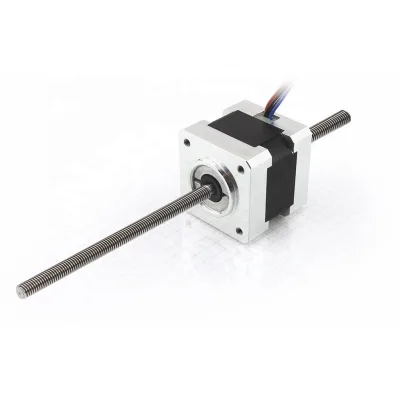


Stepper Motor 2 Phase 3X Motion Stepping Motor Hybrid Custom Motor Length
$12.25 - $26.65
MOQ: 200 pieces
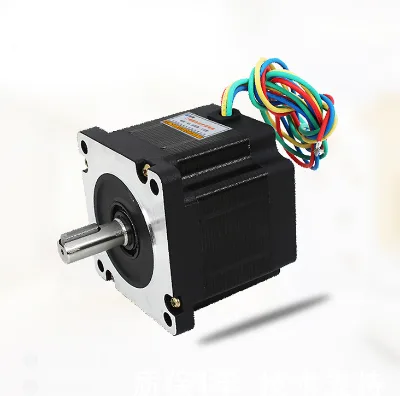


Comprehensive Sourcing Guide
HB-Hybrid Two-Phase Stepping Motor Sourcing Guide
Selecting the right HB-hybrid two-phase stepping motor requires a clear understanding of the specific electromechanical characteristics that define performance in industrial automation. These motors are engineered to provide precise positioning and high holding torque, making them ideal for applications such as printing equipment where consistent motion control is critical. Buyers must distinguish between various frame sizes and torque ratings, as the market offers a wide spectrum of options ranging from compact 28mm units to larger 57mm models, each serving distinct mechanical load requirements.
The procurement process begins with verifying the excitation mode and phase configuration to ensure compatibility with existing drive systems. The supplied data confirms that HB-hybrid technology is the standard for these units, utilizing a two-phase stator design that delivers smooth operation and high resolution. Sourcing teams should prioritize suppliers who can demonstrate a clear link between the motor's physical dimensions, such as motor length and weight, and the specific torque output required for the intended application, ensuring that the selected component fits within the mechanical envelope of the final assembly.
Product Scope and Observed Listing Signals
The current market landscape for HB-hybrid two-phase stepping motors reveals a diverse range of product listings with significant variation in pricing and minimum order quantities. Observed data indicates a price range spanning from $4.80 to $100,000, reflecting the difference between standard off-the-shelf components and specialized, high-torque industrial units. Minimum order quantities (MOQ) are equally variable, ranging from single units for prototyping to 200 units for bulk production runs, requiring buyers to align their procurement strategy with their immediate volume needs and budget constraints.
Product listings frequently highlight specific model numbers and physical attributes that serve as primary identifiers for buyers. For instance, models such as the 57HM2A56-156 and 28HS41-044 are explicitly listed with corresponding holding torque values, current ratings, and motor lengths. Buyers should scrutinize these listings for consistency between the stated model number and the physical specifications, such as the 56mm length for the 57 series or the 41mm length for the 28 series, to avoid confusion between similar-looking but functionally different components.
Technical Specifications to Verify
When evaluating technical specifications, the holding torque is a primary metric that dictates the motor's ability to maintain position under load. The available data shows a wide torque range, with specific models offering 6 n.Cm, 16 n.Cm, 42 n.Cm, 62 n.Cm, and up to 82 n.Cm. Procurement teams must match these torque values against the application's peak load requirements, ensuring that the selected motor, such as the 57HM2A45-254 with 62 n.Cm, provides sufficient margin for reliable operation without oversizing the unit unnecessarily.
Electrical characteristics, including current, resistance, and inductance, are equally critical for drive compatibility and thermal management. Listings indicate current ratings varying from 0.35A to 2.5A, with specific resistance and inductance values like 20 ohms and 15mh for smaller units. Buyers must verify that the motor's current draw aligns with the driver's capacity and that the wire count, typically four for two-phase systems, matches the control system's wiring configuration to prevent electrical mismatches that could lead to overheating or performance degradation.
Compliance and Safety Documentation
Compliance documentation is a non-negotiable aspect of sourcing industrial motors, particularly when equipment is deployed in regulated markets. The supplied facts explicitly mention ISO and CCC certifications for specific motor models, indicating that certain units meet international quality management standards and Chinese compulsory certification requirements. Buyers should request valid certification documents for the specific batch being purchased, ensuring that the ISOFunction:Driving and CCC marks are applicable to the exact model number and not just generic claims for the product line.
While background information suggests the potential availability of CE, RoHS, and REACH compliance, these should not be assumed without explicit verification from the supplier. Procurement teams must treat these as attributes to be confirmed rather than guaranteed features, requesting test reports or certificates of conformity that specifically reference the HB-hybrid two-phase stepping motor models in question. This due diligence ensures that the motors meet environmental and safety standards required for export and integration into global supply chains.
Cost Drivers and Commercial Terms
The cost of HB-hybrid two-phase stepping motors is driven by a combination of physical attributes, including weight, motor length, and the complexity of the internal electromechanical design. Heavier units with higher holding torque, such as the 680g model with 82 n.Cm, naturally command higher prices compared to lighter, lower-torque alternatives like the 140g unit with 6 n.Cm. Buyers should analyze the cost-per-unit relative to the torque output and physical dimensions to determine the most economical solution for their specific application requirements.
Commercial terms, including packaging and shipping logistics, also influence the total cost of ownership. The observed data lists packaging options such as cartons and pallets, which vary based on the order volume and the fragility of the components. Suppliers may offer customization services, which can impact the final price and lead time. Procurement teams should negotiate clear terms regarding packaging standards to prevent damage during transit and clarify whether customization fees are included in the unit price or charged separately.
Supplier Qualification and Quality Control
Supplier qualification for HB-hybrid two-phase stepping motors requires a rigorous assessment of their manufacturing capabilities and quality assurance processes. The origin of these motors is frequently listed as Changzhou, China, a known hub for electromechanical components, but buyers must verify the specific factory's ability to maintain consistent quality across different model numbers. It is essential to confirm that the supplier has a robust system for tracking production batches, ensuring that the model numbers and standards, such as 57HM2A56-156, are accurately maintained throughout the manufacturing process.
Quality control measures should extend beyond the final inspection to include incoming material checks and in-process testing. Buyers should inquire about the supplier's protocols for verifying critical parameters like holding torque, current ratings, and insulation resistance before shipment. Establishing a clear communication channel for reporting defects and requesting root cause analysis is vital, especially when dealing with high-volume orders where a single batch failure could disrupt production schedules.
Long-Term Procurement Checks
Sustaining a successful procurement relationship for HB-hybrid two-phase stepping motors involves regular audits of supplier performance and product consistency over time. Buyers should implement a schedule for periodic re-verification of key specifications, such as the number of stator poles and the operating mode, to ensure that the supplier has not altered the design without notification. This proactive approach helps maintain the integrity of the final product and prevents unexpected performance issues in the field.
Long-term checks also include monitoring the availability of spare parts and the supplier's ability to support the product lifecycle. As the market evolves, suppliers may update their standard models or discontinue older versions, so buyers must ensure that the 28HS41-044 or 57HM2A56-156 models remain available for future maintenance needs. Establishing a long-term agreement that includes provisions for price stability and supply continuity can mitigate risks associated with market fluctuations and supply chain disruptions.
FAQs
What certifications do these motors have?
These motors hold ISO and CCC certifications as documented in the product specifications. The high-confidence facts confirm ISOFunction:Driving and CCC alongside ISO standards for the listed models.
Which holding torque values are available?
Available holding torque values range from 6n.Cm to 82n.Cm depending on the specific model. For instance, the 28HS41-044 offers 6n.Cm while the 57HM2A56-156 provides 82n.Cm.
Can I request customization for these motors?
Yes, customization is available for these hb-hybrid two-phase stepping motors. Buyers can request specific modifications to meet unique application requirements as indicated in the product attributes.
What is the origin location of these products?
The products originate from Changzhou, China, as stated in the product origin facts. This location applies to the listed models including the 57HM2A56-156 and 28HS41-044 series.
How are these motors typically packed?
These motors are typically packed in cartons and pallets for safe shipping. The product packing attributes explicitly list Carton and Pallets as the standard packaging methods for these units.
What is the current rating for the 57HM2A56-156 model?
The 57HM2A56-156 model has a current rating of 1.5A according to the specifications. This value is distinct from other models like the 28HS41-044 which uses 0.35A.
What excitation mode do these motors use?
These motors utilize HB-Hybrid excitation mode as confirmed by the product attributes. This mode is standard for the listed hb-hybrid two-phase stepping motors in the catalog.