Source Hay Bale Net Wrap for Packaging Agriculture and Storage
Compare 30 listings of Hay Bale Net Wrap from verified suppliers in China. Options include PE and PP materials with UV resistance, custom widths, and densities ranging from 8 to 12 GSM for agricultural and packaging applications.
Key considerations
Products List


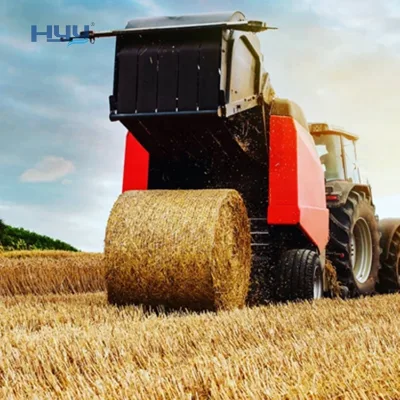

Comprehensive Sourcing Guide
Strategic Sourcing Guide for Hay Bale Net Wrap Procurement
The global agricultural sector relies heavily on efficient silage preservation methods, with Hay Bale Net Wrap serving as a critical component in maintaining feed quality during storage. For procurement professionals, sourcing this specific packaging material requires a nuanced understanding of technical specifications, material science, and supply chain logistics. The market offers a diverse array of options, ranging from single-knot to double-knot configurations, each designed to meet specific operational needs. This guide provides a structured approach to evaluating potential suppliers and selecting the right product, grounded in verified industry facts and standard procurement practices.
Technical Specifications and Material Composition
The foundation of a successful procurement strategy lies in understanding the precise technical attributes of the product. Hay Bale Net Wrap is primarily manufactured from polyethylene (PE) or polypropylene (PP), with Low-Density Polyethylene (LDPE) being a common variant observed in high-performance applications. The material choice directly influences the flexibility, tensile strength, and UV resistance of the final product. Buyers must verify the specific polymer composition, as PE generally offers superior stretch and cling properties compared to PP, which may be harder but more rigid.
Density is a crucial metric that dictates the durability and coverage of the netting. Market observations indicate a standard density range of 8 GSM to 12 GSM, with specific product models adhering to narrower bands such as 8.5-10.5 GSM or 8-10 GSM. Selecting a density outside this range may compromise the structural integrity of the bale or increase costs unnecessarily. The physical dimensions of the roll are equally significant. Standard widths typically range from 1.23 meters to 1.7 meters, with custom options available to fit specific baler models. Length specifications vary widely, with common offerings including 3000 to 6000 meters, or imperial measurements such as 7000, 9840, and 11800 feet.
The construction method also plays a pivotal role in performance. Knot types are generally categorized as either single or double. Single-knot configurations are often lighter and suitable for standard baling operations, while double-knot designs provide enhanced strength and resistance to tearing, making them ideal for larger bales or rough handling conditions. The molding method, typically multiple extrusion, ensures consistent mesh uniformity. Additionally, the transparency of the material is usually opaque, which can be beneficial for protecting the contents from light degradation, though color options like white and green are available for branding or specific visibility requirements.
Compliance, Certification, and Quality Standards
In the B2B agricultural supply chain, compliance with international quality management systems is a non-negotiable baseline for reputable suppliers. The most frequently observed certification in this sector is ISO9001, which validates the manufacturer's commitment to consistent quality control processes. Procurement teams should verify that the supplier holds a valid ISO9001 certificate, specifically noting any material-specific endorsements such as "Material: PE" or knot-type specific certifications like "Knot Type: Single" or "Double."
Beyond general quality management, buyers must scrutinize the product standards against industry benchmarks. While specific national standards may vary by region, the industry generally adheres to strict guidelines regarding UV resistance and tensile strength. The product documentation should explicitly state the UV resistance duration, with observed ranges spanning from 12 to 24 months. This metric is critical for ensuring that the net wrap remains effective throughout the storage season without degrading prematurely due to sun exposure.
Standardization of dimensions is another area requiring careful verification. While many suppliers offer standard widths like 1.23m or 1.25m, the ability to provide customized widths is a significant advantage for buyers with non-standard equipment. Similarly, the standard density of 8.5-10gsm or 8-10gsm should be confirmed against the specific requirements of the baling operation. Failure to align these standards can lead to operational inefficiencies, such as net breakage during wrapping or excessive material usage.
Cost Drivers and Pricing Dynamics
Understanding the cost structure of Hay Bale Net Wrap is essential for budgeting and negotiating effective contracts. The price of the product is influenced by several factors, including raw material costs, production complexity, and logistical expenses. The observed price range in the market is substantial, spanning from $0.01 to $3100 per unit, reflecting the vast difference between small sample rolls and large industrial pallets. This wide variance underscores the importance of defining the exact scope of the order before requesting quotes.
Material density is a primary cost driver. Higher GSM values generally correlate with higher material costs due to the increased volume of polymer used per square meter. Similarly, the length of the roll affects the total price; longer rolls may offer a lower cost per meter but require a higher upfront capital outlay. Customization also impacts pricing. Orders requiring specific widths, colors, or logo printing will typically incur additional setup and production costs compared to standard off-the-shelf items.
Minimum Order Quantity (MOQ) is another critical financial consideration. Suppliers often set MOQs ranging from 5 to 5000 units, with a common threshold observed at 50 rolls. Buyers must balance their inventory needs against these constraints to avoid overstocking or incurring high per-unit costs associated with small orders. Additionally, packaging methods, such as fumigated pallets with boxes or standard cartons, can influence the final landed cost, particularly for international shipments where handling and storage fees apply.
Typical Applications and Operational Use Cases
Hay Bale Net Wrap is predominantly utilized in the agriculture sector, specifically for silage bale preservation. The primary function is to encase round or square bales of hay, straw, or silage, creating an airtight seal that prevents spoilage and nutrient loss. The flexibility and UV resistance of the netting ensure that the bales can withstand outdoor storage conditions for extended periods, typically ranging from 12 to 24 months depending on the product quality.
The versatility of the product allows for various applications beyond simple storage. The availability of customization options, including logo printing, makes these nets suitable for branding purposes, allowing farmers or distributors to identify their products in the marketplace. The "Plastic Net" classification highlights its role in general packaging, but its specific design for agriculture distinguishes it from industrial packaging nets. The hardness of the material is typically soft, ensuring it conforms easily to the shape of the bale without damaging the surface of the forage.
Furthermore, the processing services offered by suppliers, such as cutting, add value to the procurement process. This allows buyers to receive net wraps in specific lengths tailored to their machinery, reducing waste and improving efficiency on the farm. The product's ability to be packed in rolls on pallets facilitates easy handling and storage in large agricultural facilities, streamlining the workflow from delivery to deployment.
Supplier Evaluation and Selection Criteria
When evaluating potential suppliers, buyers should adopt a multi-faceted approach that goes beyond price comparison. The origin of the product is a key indicator of supply chain reliability. Most observed products originate from China, with specific regions like Shandong emerging as manufacturing hubs. While this provides access to a robust supply base, buyers should verify the specific location to assess logistics feasibility and potential shipping times.
Supplier capabilities regarding customization and production flexibility are paramount. A reliable supplier should demonstrate the ability to produce custom colors, widths, and densities while maintaining consistent quality. The availability of processing services like cutting and the option for logo printing are strong indicators of a supplier's adaptability to unique buyer requirements. Additionally, the packing method, whether it involves fumigated pallets or standard cartons, should align with the buyer's storage and handling capabilities.
Lead times are another critical factor in supplier selection. Observed delivery times range from 5 to 15 days, which is relatively short but can vary based on order volume and customization needs. Buyers should confirm these timelines during the negotiation phase to ensure they align with their operational schedules. Finally, the supplier's track record in providing ISO9001 certified products and adhering to standard specifications should be verified through documentation and, if possible, third-party audits.
Quality Control and Long-Term Procurement Considerations
Ensuring consistent quality is the responsibility of both the supplier and the buyer. Quality control measures should include regular testing of UV resistance, tensile strength, and density consistency. Buyers should request test results or certification documents that verify the product meets the claimed specifications, such as the 18-month or 24-month UV resistance periods. The transparency and color consistency of the netting should also be checked to ensure they meet the visual requirements of the operation.
For long-term procurement, establishing a strategic partnership with a reliable supplier is more beneficial than transactional buying. This approach allows for better pricing, priority production scheduling, and consistent access to high-quality materials. Buyers should consider the total cost of ownership, including the cost of waste due to premature net failure, rather than just the unit price. The ability of the supplier to provide customized solutions and adapt to changing market demands will be crucial for maintaining operational efficiency over time.
In conclusion, sourcing Hay Bale Net Wrap requires a detailed understanding of technical specifications, material properties, and supplier capabilities. By focusing on verified facts such as ISO9001 certification, specific density ranges, and UV resistance durations, buyers can make informed decisions that enhance the efficiency and profitability of their agricultural operations. The market offers a wide range of options, but success lies in selecting the right product for the specific application and maintaining a rigorous evaluation process for potential suppliers.
FAQs
What materials are used for Hay Bale Net Wrap?
Hay Bale Net Wrap is primarily manufactured from polyethylene (PE) or polypropylene (PP), with Low-Density Polyethylene (LDPE) being common. The material choice influences flexibility and tensile strength, ensuring the netting remains durable during outdoor storage operations.
Which certification should I verify for quality assurance?
You should verify that the supplier holds a valid ISO9001 certificate to ensure consistent quality control processes. Some certifications may include specific endorsements for material types like PE or knot types such as single or double knots.
How long does the UV resistance typically last?
The UV resistance typically lasts between 12 to 24 months depending on the specific product quality. This duration ensures the net wrap remains effective throughout the storage season without degrading prematurely due to sun exposure.
What is the standard density range for the netting?
The standard density range is typically between 8 GSM and 12 GSM, with specific models adhering to narrower bands like 8.5-10.5 GSM. Selecting a density outside this range may compromise structural integrity or increase costs unnecessarily.
Can I customize the width and length of the rolls?
Yes, customization is available for widths ranging from 1.23 meters to 1.7 meters and lengths up to 11800 feet. Buyers can request specific dimensions to fit their baler models, though this may impact the final pricing.
What is the typical minimum order quantity for these nets?
The typical minimum order quantity is often set at 50 rolls, though ranges can vary from 5 to 5000 units depending on the supplier. Buyers must balance inventory needs against these constraints to avoid overstocking or high per-unit costs.
Where are these products typically manufactured and shipped from?
Most observed products originate from China, with specific regions like Shandong emerging as key manufacturing hubs. Buyers should verify the specific location to assess logistics feasibility and potential shipping times for their orders.
How long is the typical delivery lead time?
The typical delivery lead time ranges from 5 to 15 days, though this can vary based on order volume and customization needs. Buyers should confirm these timelines during the negotiation phase to ensure they align with operational schedules.