Find HD Satellite Signal ATSC Modulator for TV, Cable, and IP Distribution
Source 30 units of HD Satellite Signal ATSC Modulator with features like H.265 encoding and Web-NMS management. Buyers can compare models such as ST-7000 and HPS852A for diverse RF output needs.
Key considerations
Products List


4 Channel HDMI SDI to RF Encoder Modulator Dvbc DVBT Isdbt ATSC Modulator
$1200.00 - $2400.00
MOQ: 1 set


IP to DVB-T Isdbt ATSC 16 Carrier RF Modulator for Digital TV Broadcasting
$1400.00 - $3500.00
MOQ: 1 set

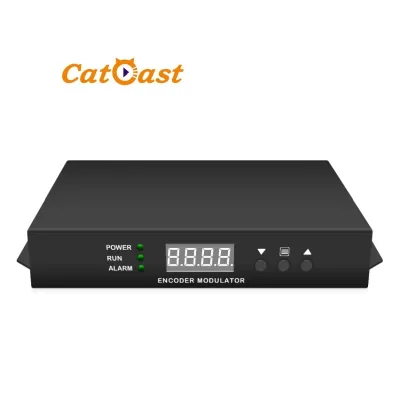
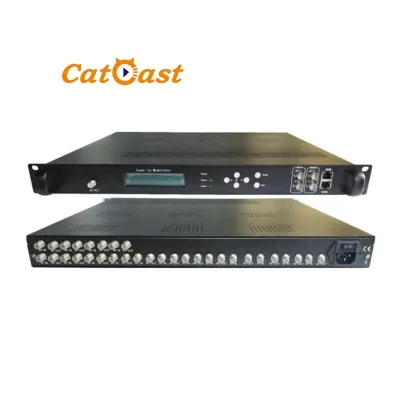
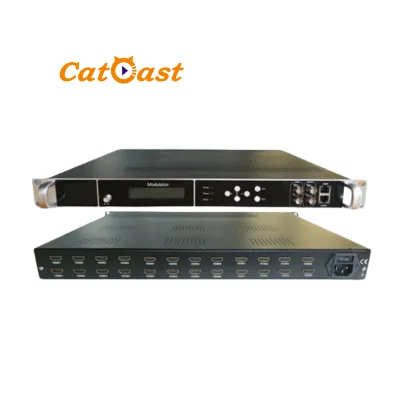
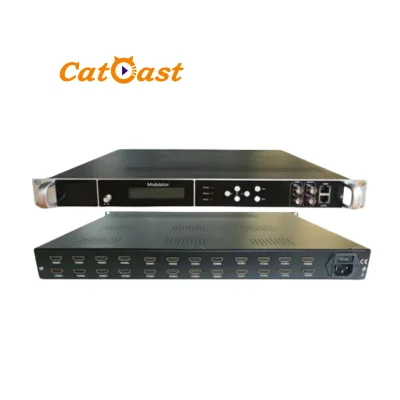
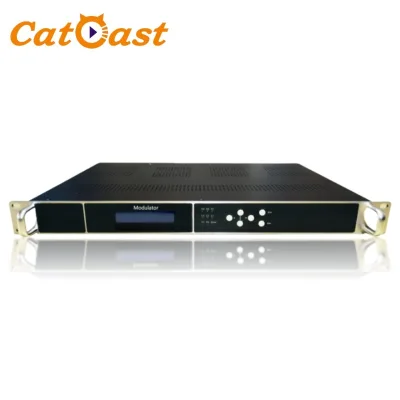
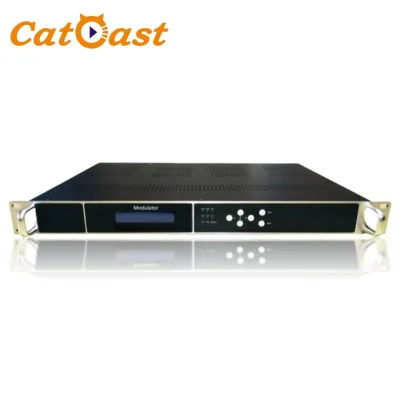


16 Channels Fixed HDMI to RF CATV Modulator PAL Nstsc Secam Modulation Modulator
$500.00 - $550.00
MOQ: 1 Pieces


Comprehensive Sourcing Guide
Strategic Sourcing Guide for HD Satellite Signal ATSC Modulators
Understanding Core Technical Specifications and Frequency Ranges
When sourcing high-definition satellite signal ATSC modulators, buyers must first distinguish between the specific modulation standards and frequency capabilities required for their infrastructure. The market offers devices tailored for diverse broadcast environments, ranging from terrestrial digital television to satellite distribution systems. A critical observation in current product listings indicates that modulators often support a wide array of modulation formats, including DVB-C, DVB-T, ATSC, and ISDB-T. This multi-standard capability is essential for facilities that need to broadcast across different regional standards or manage hybrid networks.
The frequency range is a primary technical differentiator. While some units are designed for specific cable or terrestrial bands, others cover broader spectrums. Data from available product attributes highlights frequency ranges such as 50 MHz to 860 MHz and 950 MHz to 2150 MHz, with specific RF frequency ranges extending from 30 MHz to 960 MHz. For ATSC-specific applications, the RF frequency range typically spans 50 MHz to 900 MHz with 1 kHz step adjustments, allowing for precise channel allocation. Buyers should verify that the selected modulator supports the specific channel spacing and bandwidth requirements of their target region, as some units specify a 6 MHz bandwidth standard while others may offer different configurations.
Video and audio encoding capabilities are equally vital for maintaining signal integrity in high-definition environments. Modern modulators frequently support H.265 (HEVC) and H.264 (MPEG-4 AVC) for video, ensuring compatibility with current HD and 4K broadcasting standards. Audio encoding options often include MPEG-1 Layer II, AC3, and various AAC formats. The ability to handle multiple input types, such as 4x HDMI/SDI, ASI, and RF inputs, provides the flexibility needed for complex signal routing. Furthermore, the capacity to manage multiple PIDs (Program Identifier Streams), with some units supporting up to 256 PIDs per channel, is crucial for multiplexing multiple services within a single transport stream.
Compliance, Certification, and Regulatory Standards
Navigating the regulatory landscape is a non-negotiable aspect of sourcing broadcast equipment. In the context of digital television and satellite signal transmission, compliance with international safety and electromagnetic compatibility standards is paramount. The CE certification is a frequently observed attribute in available product data, indicating that the equipment meets European Union safety, health, and environmental protection requirements. Buyers must verify that any supplier provides valid certification documentation that aligns with the regulatory requirements of the destination market. For instance, while CE is a common standard, other regions may require FCC certification for the United States or specific local telecommunications approvals.
Beyond general certifications, technical standards regarding the physical dimensions and packaging of the equipment also play a role in procurement planning. Product specifications often list standard dimensions, such as 1U rack-mount units or specific carton sizes like 57cm x 54cm x 15cm. These physical attributes are not merely descriptive; they dictate the physical infrastructure requirements of the broadcast facility. Buyers must ensure that the equipment fits within existing rack spaces or shipping containers, particularly when sourcing from international origins like Chengdu, China.
It is also important to note that while some product listings mention specific standards, these should be treated as observations of individual units rather than universal guarantees for all products in a category. Buyers should request detailed test reports and compliance certificates for each batch of equipment purchased. The absence of a specific certification in a general product description does not imply non-compliance, but it does necessitate a direct inquiry to the supplier to confirm the status. Verification of the "New" condition of the equipment is also standard practice to ensure that the modulator has not been refurbished or previously used in a way that could compromise its performance or warranty.
Cost Drivers and Pricing Dynamics in the Market
The pricing of HD satellite signal ATSC modulators is influenced by a complex interplay of technical specifications, customization options, and supply chain factors. The observed price range in the current market spans from approximately $138.43 to $3,899 USD. This significant variance reflects the difference between basic entry-level units and high-end, multi-channel systems with advanced management capabilities. Factors driving higher costs include the number of supported carriers, the complexity of the modulation scheme (e.g., 8VSB for ATSC), and the inclusion of advanced features like Web-based Network Management Systems (NMS).
Customization is a major cost driver. Many suppliers offer "Customized" solutions where the modulator is tailored to specific frequency requirements, input/output configurations, or branding needs. The availability of customization allows buyers to optimize the equipment for their specific use case but often results in a higher unit price and potentially longer lead times. Additionally, the choice of packaging and shipping method affects the final landed cost. Options such as sea, air, express, or rail shipping are available, with air and express methods typically incurring higher freight charges but offering faster delivery.
The Minimum Order Quantity (MOQ) also impacts the cost structure. Observed MOQs in the market are generally low, ranging from 1 to 2 units, which facilitates procurement for smaller facilities or pilot projects. However, buyers should be aware that while the per-unit price might be competitive for small orders, bulk purchasing may offer volume discounts that are not always explicitly listed in standard price ranges. The condition of the product, typically listed as "New," also ensures that the buyer is not paying for depreciated assets, which is a standard expectation in B2B procurement for critical broadcast infrastructure.
Typical Applications and Deployment Scenarios
HD satellite signal ATSC modulators are deployed in a variety of professional broadcasting and distribution environments. The primary application is in TV front-end equipment, where these devices serve as the core component for converting digital video and audio streams into RF signals suitable for transmission over cable, satellite, or terrestrial networks. The support for multiple modulation types, including DVB-C, DVB-T, ATSC, and ISDB-T, makes these units versatile for international broadcasters who need to serve different markets with varying technical standards.
Specific applications include headend facilities for cable operators, where the modulator processes multiple channels of HD content and outputs them via RF or IP interfaces. The capacity for 4/8 carriers RF output allows for efficient channel aggregation. Another significant use case is in satellite distribution, where the modulator prepares signals for uplink to satellites. The ability to handle high-definition video encoding and manage complex transport streams ensures that the quality of service remains high throughout the distribution chain.
The integration of Web NMS management and RJ45 interfaces (supporting up to 100m connections) enables remote monitoring and control, which is essential for large-scale deployments. This feature allows operators to manage the modulator's performance, adjust parameters, and troubleshoot issues without physical access to the device. The inclusion of features like QR code insertion and logo OSD (On-Screen Display) further enhances the utility of these modulators for commercial broadcasters who need to overlay branding and information onto their signals. Whether for a single-channel setup or a multi-channel facility, the modulator acts as a critical bridge between digital content sources and the transmission medium.
Supplier Evaluation and Quality Control Protocols
Evaluating suppliers for HD satellite signal ATSC modulators requires a rigorous approach to ensure the reliability and performance of the equipment. Since the market includes products originating from various locations, such as China and specifically Chengdu, buyers must conduct thorough due diligence on the supplier's manufacturing capabilities and quality assurance processes. The presence of a "New" condition label and specific certifications like CE are positive indicators, but they should be verified through direct communication and documentation requests.
Quality control should extend beyond the initial product listing. Buyers should inquire about the testing procedures used by the supplier to validate the modulation accuracy, signal-to-noise ratio, and constellation stability. For ATSC systems, verifying the MER (Modulation Error Ratio) is critical; observed specifications indicate a requirement of ≥40dB, which is a benchmark for high-quality signal transmission. Suppliers should be able to provide test results that confirm the equipment meets these performance metrics under various operating conditions.
The management interface is another area for quality assessment. A robust Web-Based NMS Management system is a standard feature in high-quality modulators, allowing for efficient network management. Buyers should verify the functionality of the NMS interface, ensuring it supports the necessary protocols and provides real-time data on the modulator's status. Additionally, the physical build quality, indicated by standard dimensions and packaging, should be evaluated to ensure the equipment can withstand the rigors of installation and operation in a professional broadcast environment.
Long-Term Procurement and Lifecycle Considerations
Sourcing HD satellite signal ATSC modulators is not just a one-time transaction but a strategic decision that impacts long-term operational efficiency. Buyers should consider the scalability of the equipment, particularly regarding the number of supported channels and the flexibility to upgrade firmware or hardware as standards evolve. The ability to support multiple input types, such as 24 HD inputs with HDCP support, ensures that the modulator can adapt to changing content delivery requirements without necessitating a complete system overhaul.
Maintenance and support are also critical factors. The availability of spare parts, firmware updates, and technical support from the supplier can significantly influence the total cost of ownership. Buyers should establish clear service level agreements (SLAs) that define response times and support availability. The use of standard interfaces like RJ45 and the inclusion of remote management capabilities facilitate easier maintenance and reduce downtime.
Finally, buyers should plan for the lifecycle of the equipment. As broadcast technologies continue to evolve, the modulator should remain compatible with emerging standards and protocols. The support for advanced video encoding formats like H.265 and audio formats like AAC ensures that the equipment remains relevant for future-proofing the broadcast infrastructure. By selecting modulators with robust management systems and high-quality construction, buyers can ensure a reliable and efficient operation for years to come.
FAQs
What modulation standards does the HD Satellite Signal ATSC Modulator support?
The device supports DVB-C, DVB-T, ATSC, and ISDB-T modulation standards. This multi-standard capability allows broadcasters to serve different regional markets using a single unit while ensuring compatibility with various transmission networks.
Which frequency ranges are available for the RF output on these modulators?
Available RF frequency ranges include 50 MHz to 860 MHz, 950 MHz to 2150 MHz, and 30 MHz to 960 MHz. Specific models also offer a range of 50 MHz to 900 MHz with 1 kHz step adjustments for precise channel allocation.
Can the modulator handle high-definition video encoding formats like H.265?
Yes, the modulator supports H.265 and H.264 video encoding formats. It also handles MPEG2 and MPEG4 AVC for both HD and SD content, ensuring compatibility with modern broadcast standards and high-quality signal transmission.
What input options are provided for connecting video and audio sources?
Input options include 4 HDMI/SDI, ASI, and RF connections. Some models support up to 24 HD inputs with HDCP support or 3 IP inputs over UDP RTP, providing flexibility for complex signal routing in headend facilities.
Does the equipment come with CE certification for regulatory compliance?
Yes, the equipment is listed with CE certification. This indicates compliance with European Union safety and environmental standards, though buyers should verify specific documentation for their target market requirements before finalizing procurement.
How is the modulator managed and monitored remotely?
The unit features Web-based NMS management accessible via an RJ45 interface. This allows operators to monitor performance, adjust settings, and troubleshoot issues remotely without needing physical access to the device in the broadcast facility.