Source HD LCD Card Video Brochure for Gifts, Ads & Mailers
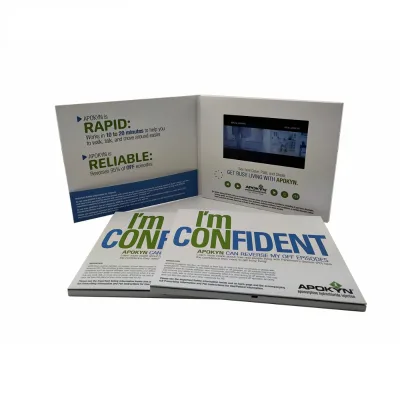
Buyers can compare 27 HD LCD Card Video Brochure options spanning 2.4-10.1 inch screens, 128MB-4GB memory, and single to advanced multi-media functions. The listing covers models with USB charging, AVI/MP4 playback, custom artwork printing, and MOQs from 50 pieces, helping teams shortlist suitable units.
Key considerations
Products List


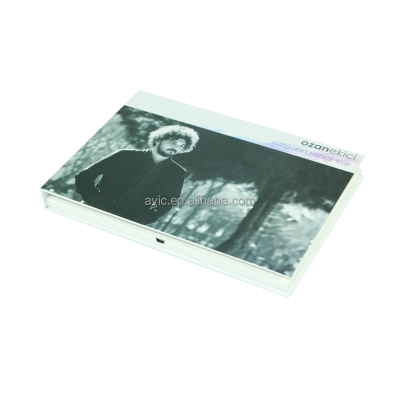


Softcover/Hardcover 7inch Video Marketing Business Presentation Brochure Card
$18.00 - $25.00
MOQ: 100 Pieces


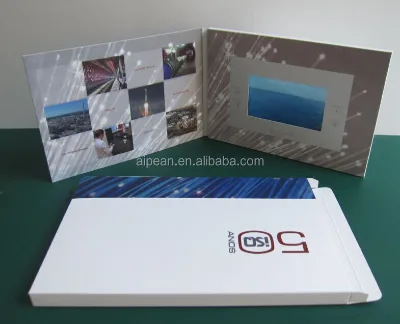
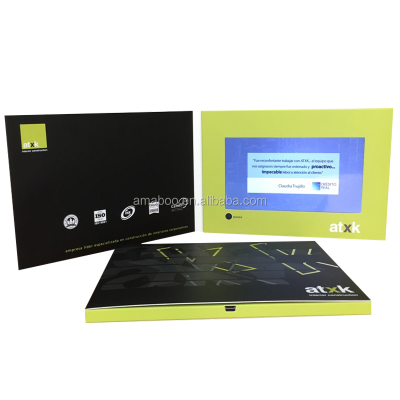
High Quality 10.1 Inch LCD Video Cards Video Brochure Video Book With Touch Screen
$22.66 - $26.56
MOQ: 100 pieces

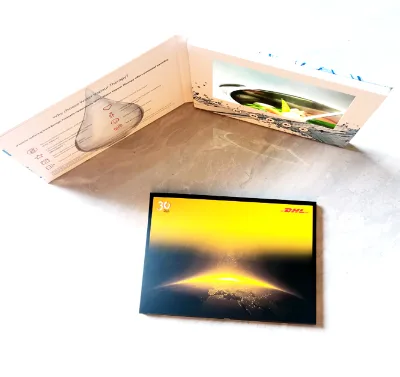
Comprehensive Sourcing Guide
HD LCD Card Video Brochure Sourcing Guide
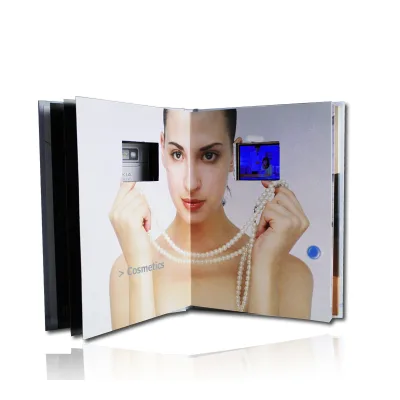
Sourcing HD LCD card video brochures requires a nuanced understanding of the intersection between traditional print media and digital display technology. These devices are designed to function as both a physical greeting card or business card and a portable digital media player, typically featuring a small LCD screen embedded within a rigid or semi-rigid substrate. The core value proposition lies in the ability to deliver dynamic, high-definition video content in a format that is highly portable and customizable for marketing, gifting, or promotional purposes. Buyers must recognize that while the form factor resembles a standard card, the internal components introduce complexity regarding power management, screen durability, and data storage that differs significantly from conventional printed collateral.
The procurement process for these items is heavily influenced by customization requirements and minimum order quantities (MOQs). Unlike off-the-shelf electronics, these products are often tailored to specific branding needs, including custom artwork, printing, and specific screen sizes ranging from small 2.4-inch displays to larger 10.1-inch panels. This customization layer means that lead times and pricing structures are variable and dependent on the complexity of the design and the volume of the order. Buyers should approach this category with a clear understanding that the final product is a hybrid of manufacturing processes, combining electronics assembly with print finishing, which necessitates rigorous quality control at multiple stages of production.
Product Scope and Observed Listing Signals
The market for HD LCD card video brochures encompasses a wide range of functional variations, from single-function devices that play a pre-loaded video to advanced multi-media players capable of supporting various file formats. Observed listings indicate that these devices often support image formats such as JPG and JPEG, as well as video formats like AVI and MP4, ensuring compatibility with standard digital content creation workflows. The presence of USB interfaces allows for easy uploading of videos and charging of the internal rechargeable batteries, making the user experience straightforward for end-consumers. Buyers should verify the specific function of the device they are sourcing, as some models may include additional features such as printer functions or touch screen capabilities, which significantly alter the cost and technical requirements.
Physical specifications vary considerably across different product models, with screen sizes typically falling between 2.4 inches and 10.1 inches. The overall dimensions of the cards can range from compact A6 sizes to larger A4 formats, with specific models measuring approximately 17.5x12.7x0.9 cm or 148x209x9 mm. The materials used in construction often include carbide components for durability, alongside LCD screens and cardboard cards, depending on the desired aesthetic and structural integrity. Packaging options also differ, with some suppliers offering single color boxes for retail presentation and others providing bulk packaging such as poly bags or PP bags with white boxes for wholesale distribution. Understanding these physical attributes is crucial for determining shipping costs and storage requirements.
Technical Specifications to Verify
Memory capacity and storage capabilities are critical technical specifications that directly impact the amount and quality of content that can be stored on the device. Observed data suggests that memory ranges from 128MB to 4GB, which must be sufficient to hold the desired video files without compromising playback quality. Buyers should verify the specific memory configuration of the model they intend to purchase, as higher resolution videos require more storage space. Additionally, the resolution ratio of the display should be confirmed, with some models offering square aspect ratios at 800x800 pixels, ensuring that the content is displayed correctly without distortion. It is essential to align the technical specifications of the hardware with the technical requirements of the digital content to be played.
The operating system and interface type are other key technical factors that influence usability and content management. Some devices run on Windows-based operating systems, which may offer greater flexibility for advanced users but require more complex setup procedures. Others may operate on simpler, proprietary systems that are easier to use but less customizable. The interface type is predominantly USB, facilitating both data transfer and charging, but buyers should confirm the cable length and connector type to ensure compatibility with their existing hardware. Furthermore, the presence or absence of remote controls and the type of touch screen technology, such as surface acoustic wave, should be verified to ensure the device meets the intended use case, whether for interactive displays or passive video playback.
Compliance and Safety Documentation
Regulatory compliance is a non-negotiable aspect of sourcing electronic products, particularly those containing batteries and display screens. Suppliers typically provide certifications such as CE, ROHS, FCC, and PSE, which indicate adherence to safety, electromagnetic compatibility, and environmental standards in various markets. Buyers must verify that the specific model they are sourcing holds the necessary certifications for their target market, as non-compliant products can face customs delays or legal penalties. The presence of these certifications also serves as an indicator of the supplier's commitment to quality control and adherence to international manufacturing standards.
Battery safety and capacity are additional areas where documentation is essential. The devices often feature rechargeable batteries with capacities around 1500mAh, which must be certified for safe operation and transport. Buyers should request test reports or safety data sheets for the battery components to ensure they meet relevant safety standards. Additionally, the materials used in the construction of the card, such as the LCD screen and cardboard, should be free from hazardous substances, as indicated by ROHS compliance. Ensuring that all components are compliant not only protects the buyer from liability but also enhances the brand reputation of the final product.
Cost Drivers and Commercial Terms
The cost of HD LCD card video brochures is influenced by several factors, including the screen size, memory capacity, and level of customization. Observed price ranges in the market vary significantly, reflecting the diversity of specifications and features available. Buyers should expect higher costs for larger screens, increased memory, and complex custom designs, such as custom artwork and printing. The MOQ is another critical commercial term, with some suppliers requiring orders of 50 or 100 pieces, while others may offer lower MOQs for standard models. Understanding these cost drivers allows buyers to budget accurately and negotiate effectively with suppliers.
Packaging and shipping costs also play a significant role in the total cost of ownership. The packaging options, ranging from single color boxes to bulk cartons, affect the volume and weight of the shipment, which in turn influences logistics costs. Buyers should consider the efficiency of the packaging design to minimize shipping expenses while ensuring the products are protected during transit. Additionally, the lead time for production and delivery should be factored into the commercial terms, as customization and manufacturing processes can vary in duration. Clear communication regarding these terms helps avoid unexpected costs and ensures timely delivery of the products.
Supplier Qualification and Quality Control
Selecting a reliable supplier is paramount to ensuring the quality and consistency of HD LCD card video brochures. Buyers should prioritize suppliers who have a proven track record in manufacturing electronic products and who offer comprehensive quality control processes. This includes inspecting the LCD screens for defects, verifying the functionality of the USB interface, and ensuring that the battery charges and discharges correctly. Suppliers who provide OEM services and custom design capabilities should also be evaluated for their ability to meet specific branding and technical requirements. Due diligence in supplier selection helps mitigate the risk of receiving defective or non-compliant products.
Quality control should extend beyond the initial production run to include ongoing monitoring and testing. Buyers should establish clear quality standards and inspection criteria, which may include visual inspections, functional tests, and battery performance checks. Regular communication with the supplier regarding any issues or defects is essential for maintaining product quality. Additionally, buyers should consider conducting third-party inspections or audits to verify the supplier's manufacturing capabilities and quality management systems. This proactive approach to quality control ensures that the final products meet the expected standards and perform reliably in the hands of end-users.
Long-Term Procurement Checks
Sourcing HD LCD card video brochures is not a one-time transaction but an ongoing process that requires continuous evaluation and optimization. Buyers should regularly review supplier performance, including delivery times, product quality, and responsiveness to issues. This ongoing assessment helps identify potential problems early and allows for corrective actions to be taken. Additionally, buyers should stay informed about technological advancements in the industry, such as new screen technologies or improved battery efficiencies, to ensure that their products remain competitive. Adapting to these changes can provide a strategic advantage in the market.
Long-term procurement also involves managing the lifecycle of the products, including updates to content and potential repairs or replacements. Buyers should establish a clear process for handling customer feedback and returns, ensuring that any defective products are addressed promptly. Furthermore, maintaining a strong relationship with the supplier can facilitate smoother negotiations and better terms in the future. By focusing on long-term partnerships and continuous improvement, buyers can ensure a steady supply of high-quality HD LCD card video brochures that meet the evolving needs of their customers.
FAQs
What video formats are supported by the HD LCD Card Video Brochure?
The device supports AVI and MP4 video formats for playback. You can upload custom content via the USB cable, which also charges the rechargeable battery. This ensures compatibility with standard digital media files for seamless presentation.
Can the HD LCD Card Video Brochure be customized with my logo?
Yes, customization is available for artwork and printing. You can provide custom designs to be printed on the cardboard card or packaging. This allows for branded marketing materials tailored to your specific business needs and promotional campaigns.
What certifications do the HD LCD Card Video Brochure products have?
The products hold CE, ROHS, FCC, and PSE certifications. These standards ensure safety and compliance for international markets. Buyers can verify these credentials to meet regulatory requirements for electronics sold in regions like Europe, the US, and Japan.
What is the typical MOQ for ordering HD LCD Card Video Brochure?
The minimum order quantity varies, with observed ranges from 1 to 500 pieces. Specific models may require 50 or 100 pieces as a baseline. Buyers should confirm the exact MOQ with suppliers based on the selected model and customization level.
How is the HD LCD Card Video Brochure powered and charged?
It uses a rechargeable battery with a capacity of 1500mAh. The USB cable facilitates both charging and video upload. This portable design ensures the device remains operational for presentations without requiring external power sources during use.
What screen sizes are available for the HD LCD Card Video Brochure?
Screen sizes range from 2.4 inches to 10.1 inches. The LCD technology provides clear visual output for video playback. Buyers can select the appropriate size based on their display needs, with options fitting within standard card dimensions like A4 or A5.