Source HDPE Pharmaceutical Safety Caps with Measuring Cup for Pills, Vitamins, and Supplements
Compare 30 HDPE Pharmaceutical Safety Caps with Measuring Cup options from verified suppliers. These plastic bottles feature flip top or screw caps, support OEM customization, and are suitable for packaging tablets, vitamins, and herbal supplements.
Key considerations
Products List


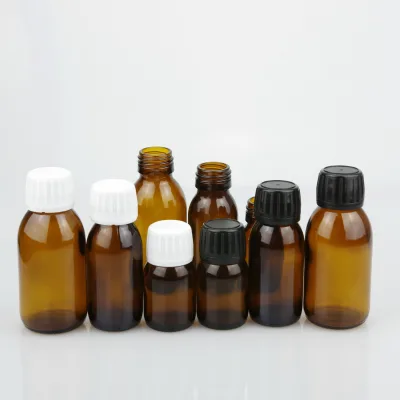
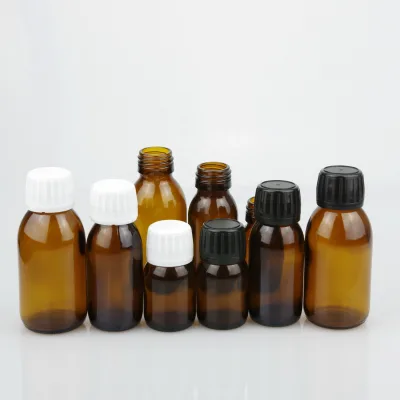


Pharma Grade Hdpe Empty Capsule Bottles Plastic Packer Bottle Manufacturer
$0.01 - $0.23
MOQ: 10000 Pieces




Comprehensive Sourcing Guide
HDPE Pharmaceutical Safety Caps with Measuring Cup Sourcing Guide
Sourcing high-density polyethylene (HDPE) containers equipped with safety closures and integrated measuring features requires a disciplined approach to material verification and functional testing. Buyers must distinguish between standard packaging solutions and specialized pharmaceutical-grade vessels that ensure both product integrity and precise dosage administration. The intersection of child-resistant mechanisms, flip-top accessibility, and volumetric accuracy creates a complex procurement landscape where minor specification deviations can impact regulatory compliance and end-user safety. This guide outlines the critical verification steps necessary to secure reliable supply chains for these specialized packaging components.
The procurement process begins with a clear definition of the container’s primary function, whether it serves as a standalone vessel for tablets and capsules or as part of a broader packaging system. HDPE is a preferred material due to its chemical resistance, durability, and cost-effectiveness, but its suitability for pharmaceutical applications depends heavily on the specific formulation being packaged. Buyers must ensure that the selected HDPE grade meets the necessary inertness standards to prevent interaction with active pharmaceutical ingredients, while the closure system must provide a reliable seal against moisture and contamination.
Product Scope and Observed Listing Signals
The market for HDPE pharmaceutical containers exhibits a wide range of specifications, particularly regarding neck finishes and closure types. Observed listings frequently highlight neck sizes such as 32mm, 43mm, and 45mm, indicating that buyers must carefully match the bottle mouth diameter to the corresponding cap or closure mechanism. The presence of features like measuring cups, often integrated into the cap or the bottle neck, adds a layer of complexity to the sourcing process, as these components must be precisely molded to ensure accurate volume measurement. Buyers should verify that the "measuring cup" feature is not merely decorative but is calibrated to standard volumetric units relevant to the intended dosage.
Color options and customization capabilities are significant variables in this product category. While white is a dominant color for pharmaceutical packaging due to its opacity and professional appearance, listings also indicate the availability of yellow, red, and other regular colors. This flexibility allows for color-coding strategies to differentiate between product strengths or types, but it requires clear communication with suppliers regarding pigment stability and consistency. Furthermore, the availability of OEM and ODM services suggests that buyers can tailor the container’s shape, weight, and labeling areas to their brand identity, provided they account for the additional tooling costs and lead times associated with custom molds.
Technical Specifications to Verify
Material composition is the foundational technical requirement for any pharmaceutical container. The supplied facts confirm that HDPE is the primary material, but buyers must verify that the resin used is food-grade or pharmaceutical-grade, ensuring it is free from harmful contaminants. The weight of the container, ranging from lightweight options around 6.5g to heavier, more robust versions at 25g or 110g, directly correlates with the bottle’s durability and barrier properties. Thicker walls may offer better protection against physical damage and moisture ingress, which is critical for sensitive medications, but they also increase material costs and shipping weight.
Closure mechanisms vary significantly, with screw caps, flip-top caps, and hinged guard caps being common configurations. For products requiring safety features, child-resistant caps or double caps are essential to prevent accidental ingestion by children. Buyers must verify the ease of use for elderly or disabled patients, as overly complex safety mechanisms can lead to non-compliance with dosage instructions. Additionally, the sealing type must be confirmed to ensure an airtight environment, protecting the contents from oxidation and humidity. The integration of a measuring cup within the cap or bottle must be tested for accuracy and durability, ensuring it does not degrade or lose calibration over time.
Compliance and Safety Documentation
Regulatory compliance is non-negotiable in the pharmaceutical packaging sector. Certifications such as SGS and ISO are frequently cited in product listings, indicating that the supplier has undergone third-party testing for material safety and quality management systems. Buyers must request current certificates and verify their validity with the issuing bodies, as outdated or forged documents pose significant legal and reputational risks. The presence of ISO 13485, a standard specific to medical devices, may be relevant if the packaging is considered part of a medical device system, but buyers should confirm the exact scope of the certification to ensure it covers the specific product type.
Documentation should also include material safety data sheets (MSDS) and compliance statements regarding food contact regulations, such as FDA 21 CFR or EU Regulation 10/2011, depending on the target market. These documents confirm that the HDPE resin and any pigments or additives used in the manufacturing process are safe for contact with pharmaceutical products. Buyers should also inquire about the supplier’s quality control procedures, including batch testing for contaminants, dimensional accuracy, and seal integrity. Transparent documentation practices are a strong indicator of a supplier’s commitment to quality and regulatory adherence.
Cost Drivers and Commercial Terms
Pricing in the HDPE pharmaceutical packaging market is influenced by several factors, including material costs, mold complexity, and order volume. The observed price range of 0-100 USD per unit suggests a wide variance, likely driven by differences in bottle size, weight, and closure sophistication. High-volume orders typically benefit from economies of scale, reducing the per-unit cost, but buyers must also consider the minimum order quantity (MOQ), which can range from small trial orders of 1 unit to large industrial batches of 600,000 units. Understanding the MOQ structure is crucial for cash flow management and inventory planning, especially for new product launches.
Additional cost drivers include customization fees for custom colors, logos, or unique bottle shapes, as well as the cost of tooling for custom molds. Buyers should clarify whether the quoted price includes packaging materials, such as export cartons, and whether freight costs are included or excluded. Free samples are often available, allowing buyers to evaluate product quality before committing to a large order, but they should confirm if shipping costs for samples are covered. Clear commercial terms regarding payment methods, delivery schedules, and liability for defective goods are essential to mitigate financial risk.
Supplier Qualification and Quality Control
Supplier qualification extends beyond price and certification to include an assessment of manufacturing capabilities and quality control processes. Buyers should verify the supplier’s production capacity, lead times, and ability to handle large orders without compromising quality. Factories with advanced injection molding equipment and strict environmental controls are better equipped to produce consistent, high-quality HDPE containers. Inquiring about the supplier’s experience in the pharmaceutical packaging sector can provide insights into their understanding of regulatory requirements and industry best practices.
Quality control measures should be clearly defined in the purchase agreement, including inspection protocols for incoming materials, in-process checks, and final product inspections. Buyers may request third-party inspection services before shipment to verify product quality and quantity. The supplier’s ability to provide traceability for each batch, including material lot numbers and production dates, is critical for recall management and quality audits. Establishing a clear communication channel for addressing quality issues and defining remedies for non-conforming products is essential for maintaining a reliable supply chain.
Long-Term Procurement Checks
Long-term procurement success depends on continuous monitoring of supplier performance and market trends. Buyers should regularly review supplier quality metrics, such as defect rates and delivery reliability, to ensure ongoing compliance with quality standards. Market fluctuations in raw material prices, particularly for HDPE resin, can impact pricing stability, so buyers should consider long-term contracts or hedging strategies to mitigate cost volatility. Staying informed about regulatory changes in target markets is also crucial, as new requirements may necessitate updates to packaging design or material composition.
Building a strong relationship with suppliers through regular communication and collaborative problem-solving can lead to improved service and innovation. Suppliers may offer new product developments, such as more sustainable materials or enhanced safety features, which can provide a competitive advantage. Buyers should also consider diversifying their supplier base to reduce dependency on a single source and mitigate supply chain risks. Regular audits and performance reviews help maintain high standards and ensure that the supplier continues to meet the evolving needs of the business.
FAQs
What materials are used for these HDPE bottles?
The bottles are manufactured from high-density polyethylene (HDPE) plastic. This material is selected for its durability and chemical resistance, making it suitable for packaging pharmaceuticals, vitamins, and herbal supplements. The plastic construction ensures the container remains lightweight yet robust during shipping and storage.
Which cap types are available for these containers?
Available closures include flip top caps, hinged guard caps, metal screw caps, and child-resistant options. Some models feature a measuring cup for precise dosing. Buyers can choose between standard screw caps or specialized safety caps depending on the regulatory requirements for their specific product packaging needs.
Can I get free samples before placing an order?
Yes, free samples are available for evaluation. This allows buyers to verify the quality, neck size, and cap functionality before committing to bulk production. The supplier supports customization and offers OEM/ODM services, ensuring the sample matches the specific design and application requirements for your pharmaceutical or supplement line.
What certifications do these plastic bottles hold?
The products comply with SGS standards and hold ISO certification. These credentials verify that the HDPE material meets safety and quality benchmarks for food, personal care, and medicine applications. Buyers can rely on these documented standards to ensure regulatory compliance for their pharmaceutical and supplement packaging requirements.
What are the common neck sizes for these bottles?
Common neck finishes include 32mm, 43mm, and 45mm sizes. These specifications accommodate various cap types, such as screw caps or flip tops. The 45mm neck size is frequently used for bottles requiring precise dosing or specific safety closures, ensuring a secure seal for tablets, capsules, and pills.
Are custom colors available for these HDPE containers?
Customization is available, with existing colors including white, red, and yellow. Buyers can also request other regular colors to match their brand identity. The supplier supports OEM and ODM services, allowing for tailored packaging solutions that meet specific marketing and product identification needs for pharmaceutical or vitamin lines.